Top 10 Natural Monuments around Cromhall
Best natural monuments around Cromhall include diverse geological formations and significant natural features. The region is characterized by its post-industrial landscapes, such as Cromhall Quarry, which has transformed into an area of ecological importance. These sites offer insights into ancient geological history, including a rich fossil record, and provide habitats for various wildlife. The natural areas around Cromhall combine historical significance with opportunities for outdoor exploration.
Best natural monuments around Cromhall
- The most popular natural monuments is William Tyndale Monument…
Last updated: June 29, 2026
William Tyndale Monument
Highlight • Monument
Tip by

Wapley Bushes Local Nature Reserve
Highlight • Natural Monument
Tip by

Sign up now to discover places like this
Get recommendations on the best single tracks, peaks, & plenty of other exciting outdoor places.
Sign up for free
Woodcock Farm - Hill Fort
Highlight • Historical Site
Tip by
Downham Hill (Smallpox Hill)
Highlight • Summit
Tip by
Whitcliff Deer Park
Highlight • Forest
Tip by
Sign up for free to discover even more natural monuments around Cromhall.
Sign up for free
Already have an account?
Start today with a free account
Your next adventure awaits.
Login or Signup
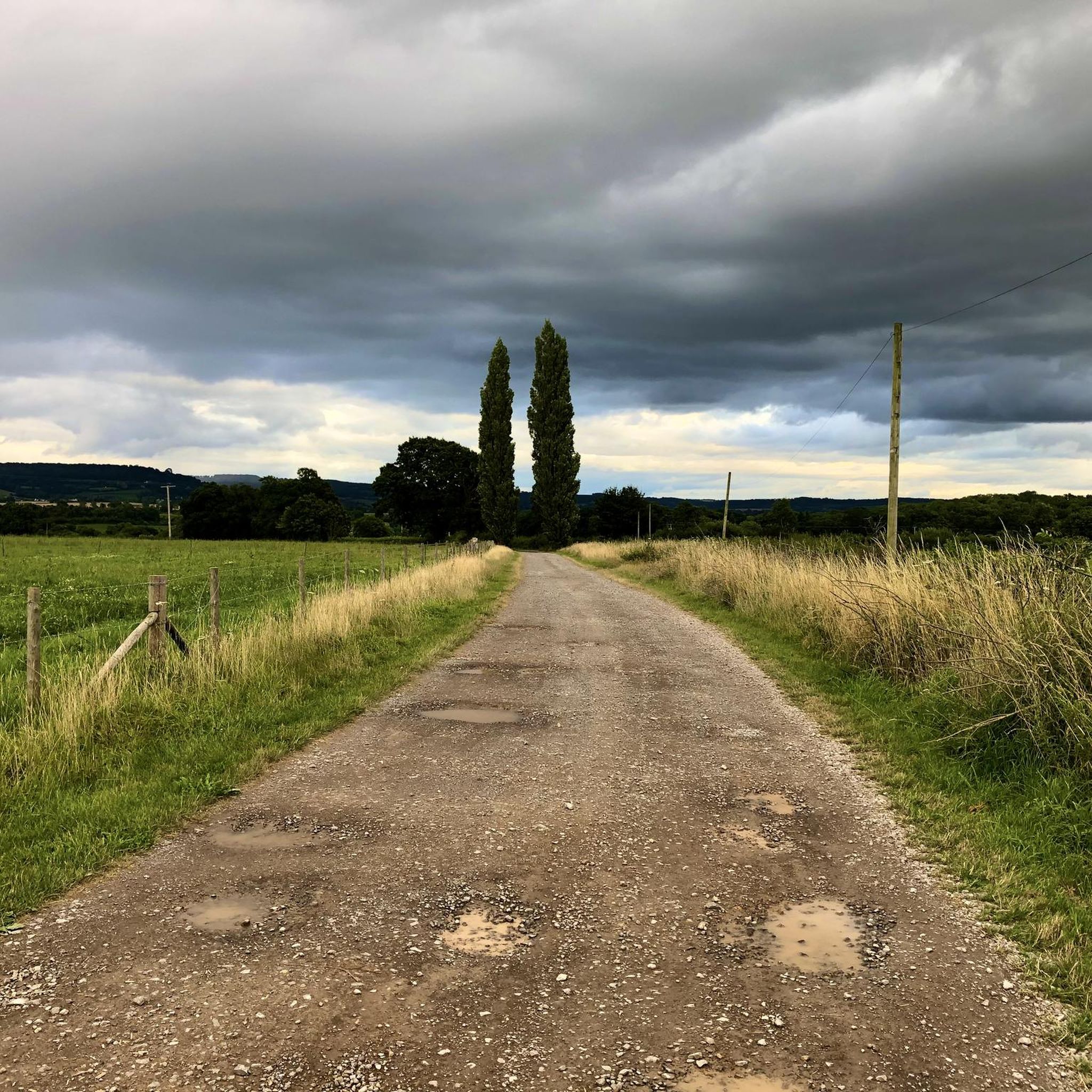
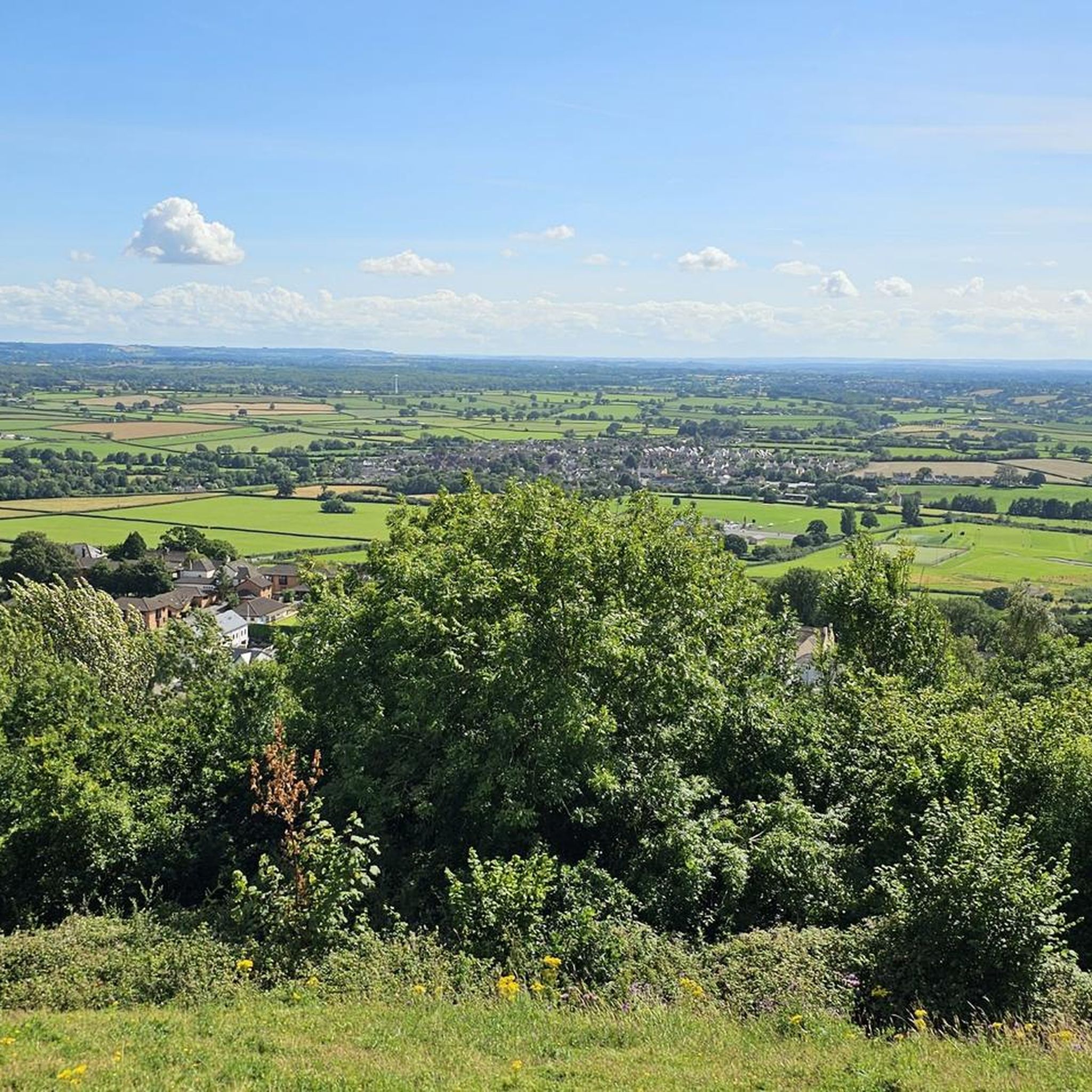
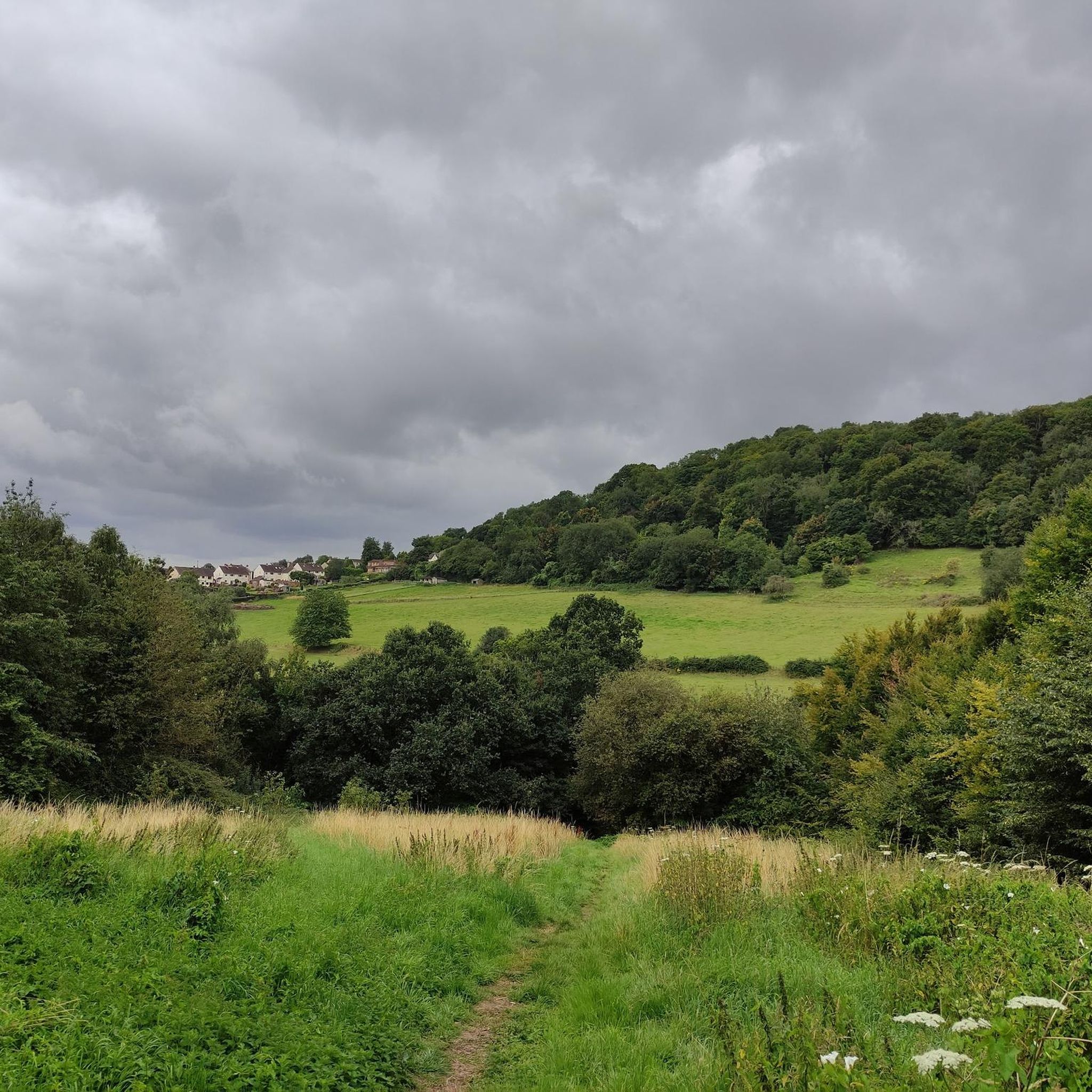
Tips from the Community

The finest and best-preserved example of an Iron Age hill fort along the Cotswold Way.
0
1

Wapley Bushes Local Nature Reserve is a 11.65-hectare (29-acre) nature reserve located in the English county of South Gloucestershire, between the towns of Yate and Dodington. It is owned by Dodington Parish Council and managed in partnership with Wapley Bushes Conservation Group. The reserve was established in 1992 and has been awarded the Green Flag Award, a prestigious award for well-managed parks and green spaces. Wapley Bushes is a diverse habitat, comprising ancient woodland, flower meadows, grassland, and a seasonal pond. The woodland is home to a variety of trees, including oak, ash, and hazel, as well as a range of wildlife, including deer, foxes, badgers, and birds such as song thrushes, blackbirds, and robins. The meadows are home to a variety of wildflowers, including cowslips, primroses, and bluebells. The grassland is home to a variety of grasses, as well as a range of wildflowers, including butte
0
0


Steepish track up but then grassy slopes and woods. Pandoramic views from the hill even if you don’t go up the tower.
0
0

The deer are a lot less timid than in the wild, they're almost like sheep in behaviour. Wonderful views to each side of the hill... either the River Severn or the Cotswold Hills.
1
0
Short but sweet diversion... worth doing if you're not in a rush.
0
0

Vast parkland with herds of fallow and red deer. Lovely ancient oak trees and views over the River Severn and Gloucestershire.
0
0

Steep walk up the hill but well worth the effort for the fabulous views.
0
0
Frequently Asked Questions
What are some of the most popular natural monuments around Cromhall?
Visitors frequently enjoy the historical significance and panoramic views from William Tyndale Monument. Another highly regarded site is Uley Bury Iron Age Hill Fort, known for its well-preserved earthworks and extensive vistas. Whitcliff Deer Park is also very popular for its herds of deer and ancient oak trees.
What unique natural features can I explore near Cromhall?
Cromhall is home to diverse natural features. Cromhall Quarry, also known as Slickstones Quarry, is a former limestone and sandstone quarry now largely flooded. It exposes significant geological formations and has a globally recognized fossil record from the Late Triassic Period. You can also find regenerating woodlands and clear waters that support unique ecosystems.
Are there family-friendly natural monuments around Cromhall?
Yes, several natural monuments are suitable for families. Wapley Bushes Local Nature Reserve offers diverse habitats including ancient woodland and flower meadows, perfect for a family stroll. Whitcliff Deer Park is also family-friendly, providing opportunities to observe deer in a vast parkland setting.
What kind of wildlife can be observed at Cromhall's natural monuments?
The natural monuments around Cromhall are rich in wildlife. At Cromhall Quarry, you might spot birds of prey like Peregrine Falcons nesting on the cliffs and protected amphibians, such as the Great Crested Newt, in the clear waters. Regenerating woodlands also attract various bird species. Whitcliff Deer Park is home to herds of fallow and red deer.
Are there hiking trails near the natural monuments around Cromhall?
Absolutely! There are numerous hiking opportunities. For example, you can explore the 'Flock of Sheep loop from Tortworth' (6.65 km, easy) or the 'Bluebell Woodland Path – View of Bluebell Woodland loop from Cromhall' (7.47 km, easy). You can find more hiking routes and details on the Hiking around Cromhall guide page.
What outdoor activities can I do near Cromhall's natural monuments?
Beyond hiking, the area offers a variety of outdoor activities. You can find running trails like the 'Rag Lane – Wickwar Coffee Shop loop from Cromhall' (9.12 km, moderate) or cycling routes such as the 'Damery Lane – Knapp Lane loop from Tortworth' (46.39 km, moderate). Cromhall Quarry itself offers open water swimming, scuba diving, and paddleboarding. Explore more options on the Running Trails around Cromhall and Cycling around Cromhall guide pages.
What historical significance do the natural monuments around Cromhall hold?
The region is rich in history. William Tyndale Monument commemorates the translator of the New Testament. Uley Bury Iron Age Hill Fort is an exceptionally well-preserved Iron Age site, later used by Romans and Saxons. Cromhall Quarry is globally significant for its fossil record, offering a glimpse into prehistoric life and the evolution of species.
Is there parking available at the natural monuments around Cromhall?
While specific parking details vary by location, many natural monuments and trailheads around Cromhall typically offer some form of parking, often in designated car parks or roadside areas. It's advisable to check local signage upon arrival for any restrictions or fees.
What is the best time to visit the natural monuments around Cromhall?
The natural monuments around Cromhall can be enjoyed year-round, each season offering a different experience. Spring brings wildflowers like bluebells to areas like Wapley Bushes Local Nature Reserve, while autumn showcases vibrant foliage. Summer is ideal for outdoor activities, and winter offers crisp views, especially from viewpoints like William Tyndale Monument, though some paths may be muddy.
Are the natural monuments around Cromhall dog-friendly?
Many of the natural areas and walking trails around Cromhall are dog-friendly, allowing you to enjoy them with your canine companion. However, it's always recommended to keep dogs on a lead, especially in areas with wildlife, livestock (like in Whitcliff Deer Park), or where ground-nesting birds may be present. Please clean up after your dog to help preserve the natural environment.
Can I climb to the top of William Tyndale Monument?
Yes, you can climb the internal staircase of William Tyndale Monument to reach the top. Be aware that the staircase is very steep and narrow. It's recommended to bring a torch as the lower steps can be dark. The monument offers magnificent panoramic views over the surrounding landscape.
What makes Cromhall Quarry a Site of Special Scientific Interest (SSSI)?
Cromhall Quarry is designated an SSSI due to its exceptional geological significance and fossil record. It provides a detailed snapshot of terrestrial life during the Late Triassic Period, with over thirty identified species, including early dinosaurs and the world's oldest known modern-type lizard. The preservation of these fossils in 'fissure fills' within older limestone is particularly unique.
Most popular routes around Cromhall
Most popular attractions around Cromhall

Get inspired with the komoot mobile app


Explore more
Extend your search for the best caves by checking out these guides of the top ones around Cromhall:
