Top 5 Natural Monuments around Hedgerley
Best natural monuments around Hedgerley include ancient woodlands, diverse wetlands, and scenic commons. This charming village, nestled in the foothills of the Chiltern Hills in Buckinghamshire, is characterized by a picturesque landscape of woodlands and meadows. The area offers significant ecological value and provides opportunities for hiking and nature observation. Visitors can explore protected natural areas that contribute to the serene rural environment.
Best natural monuments around Hedgerley
- The most popular natural monuments is Burnham Beeches, an ancient woodland…
Last updated: November 13, 2026
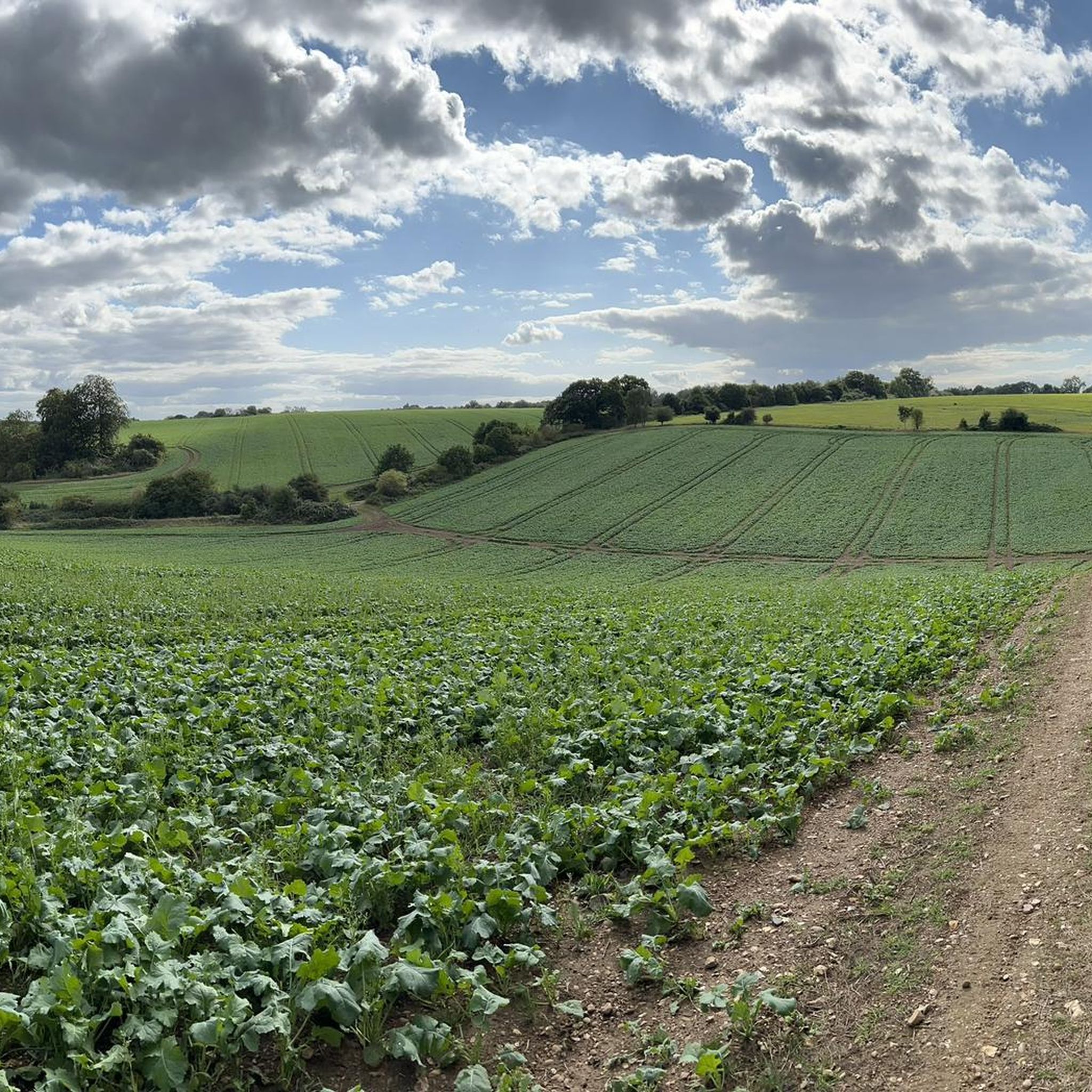
Cock Marsh Wetland Walkway
Highlight • Trail
Tip by

Burnham Beeches
Highlight • Historical Site
Tip by

Sign up now to discover places like this
Get recommendations on the best single tracks, peaks, & plenty of other exciting outdoor places.
Cliveden War Cemetery and Memorial Garden
Highlight • Historical Site
Tip by
Fountain of Love
Highlight • Historical Site
Tip by
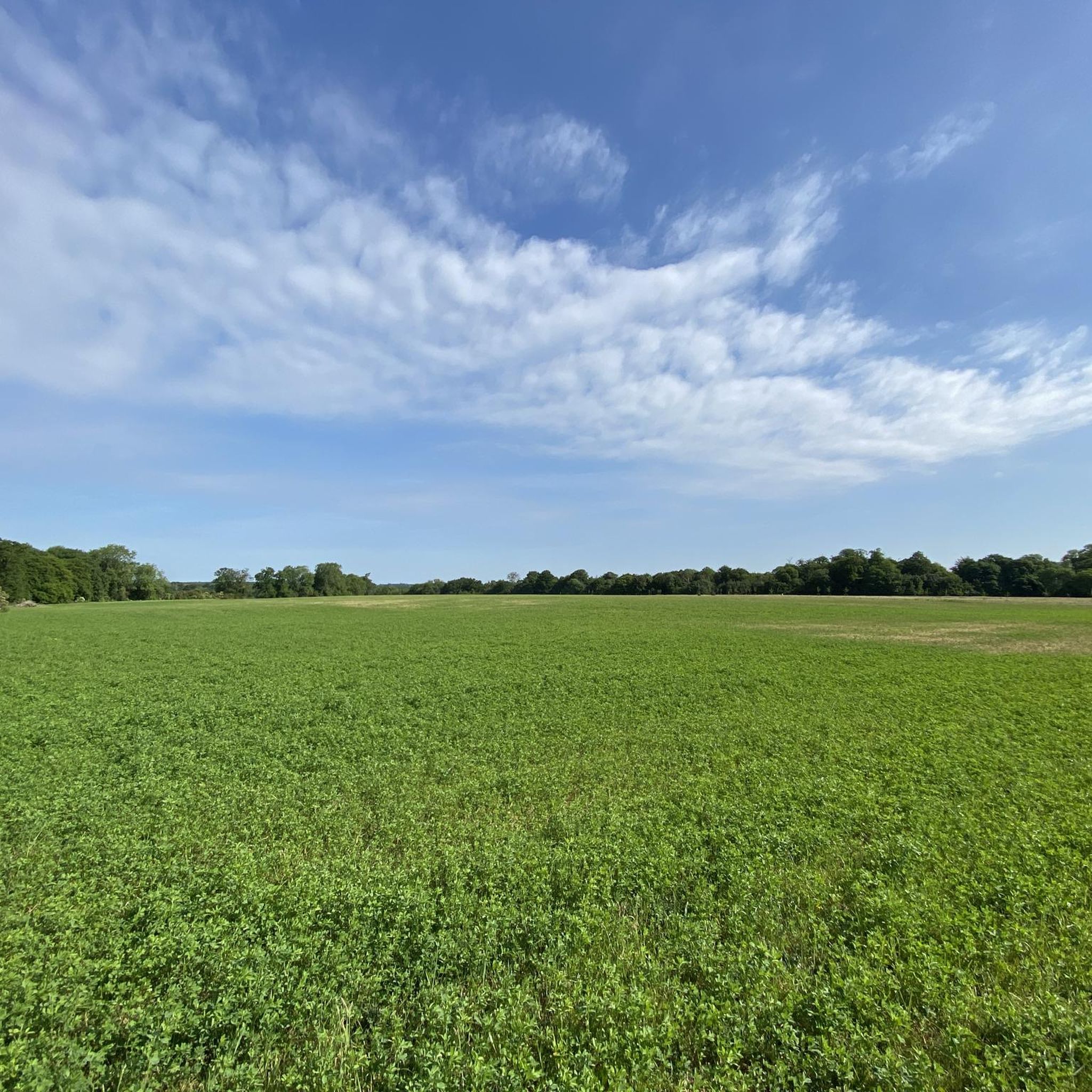
Penn Wood
Highlight • Forest
Tip by

Sign up for free to discover even more natural monuments around Hedgerley.
Already have an account?
Start today with a free account
Your next adventure awaits.
Tips from the Community

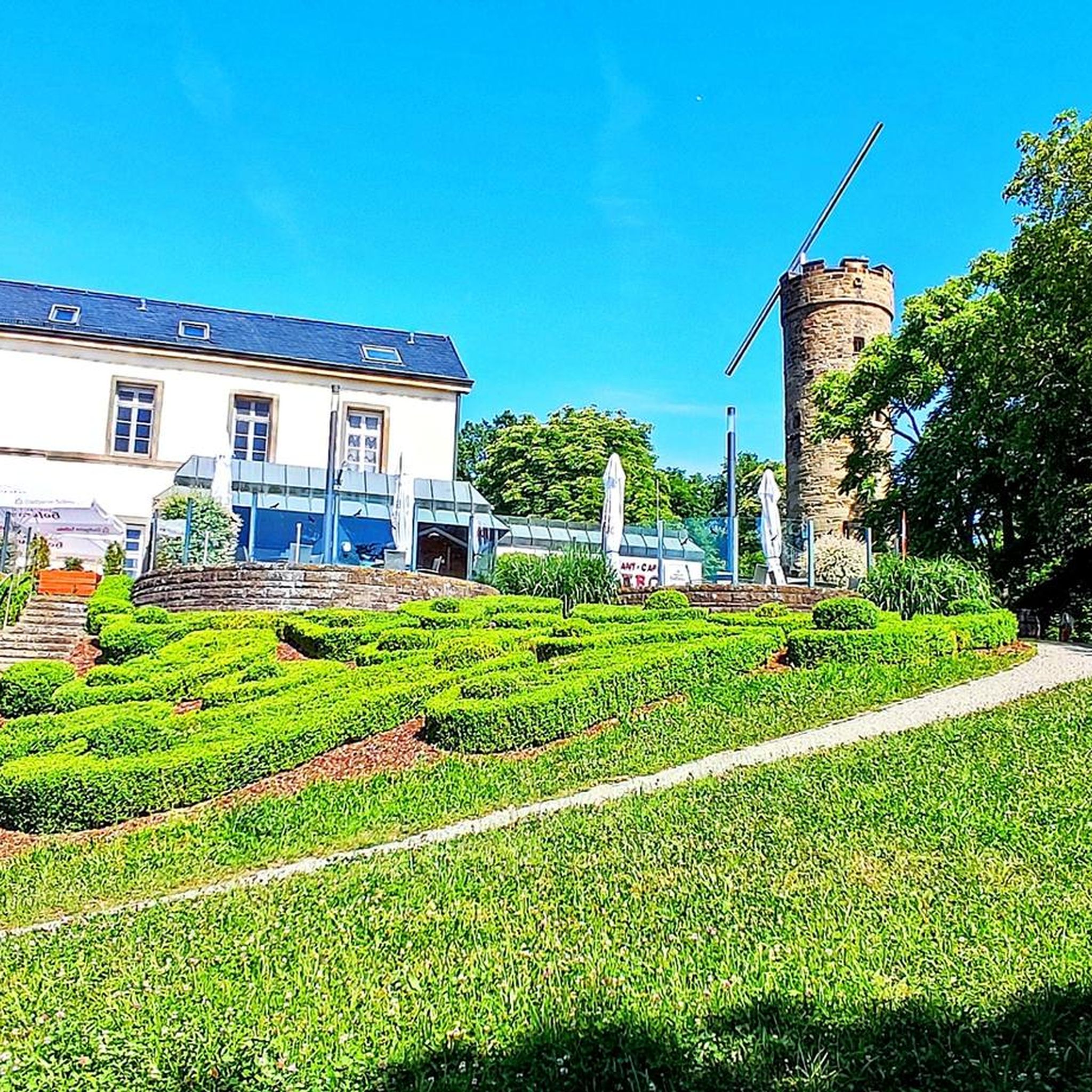
Clivden is a gem. A glorious stately home converted to a hotel and many an event.
0
0

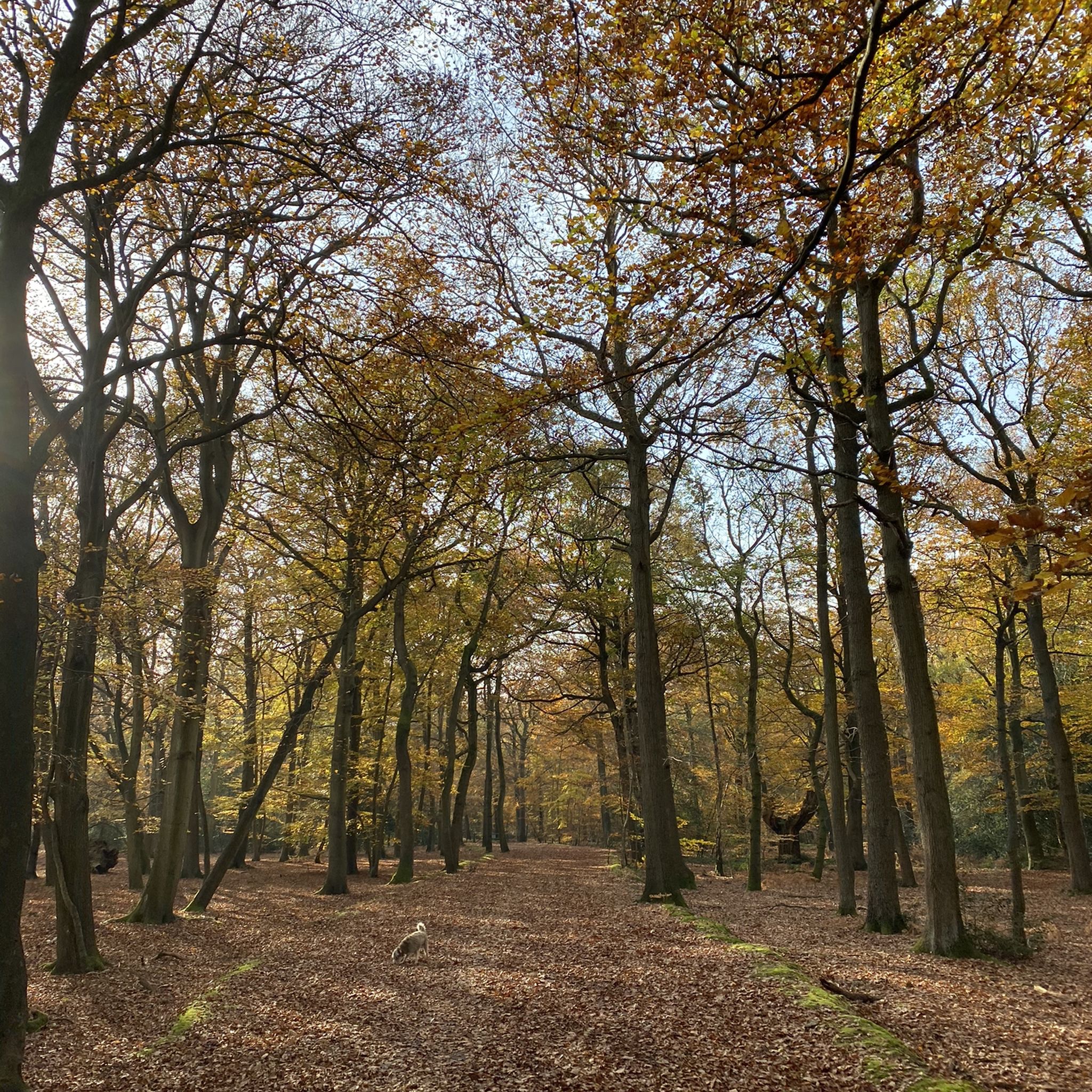
This here is one of the entrances to the beautiful Penn Wood. It's a truly spectacular bit of woodland: dense, green, with lovely paths to run on. Some trees are ancient: one, thought to be the oldest in the wood, is the Holey Oak (there is a hole in the trunk...), and the other is the Penn Pollard, memorable for its very open crown. You're in for a treat here!
1
0

Burnham Beeches is a Site of Special Scientific Interest, National Nature Reserve, and Special Area of Conservation thanks to its ancient beech woodland and rich wildlife. More than sixty species of plants and animals that call the 927-acre (375 ha) site home are rare or under threat. The historic woodland is also home to relics of times gone by. Located in the southwest of the woodland, you can visit Seven Ways Plain hill fort which dates to the Late Bronze Age and Early Iron Age. Neighbouring film studios have used the Beeches as a shooting location in various productions such as Doctor Who, Harry Potter, Goldfinger, and Robin Hood Prince of Thieves.
0
0

When the First World War broke out, Cliveden was a grand country estate well known for its exclusive parties and famous guests, yet within months it was offering a lifeline to Allied troops injured during the fighting. A helping hand At the beginning of the war, after failing a medical assessment to join the army, Waldorf Astor (later 2nd Viscount Astor) offered part of the Cliveden estate as a hospital to the British Army. They turned down the offer after deciding it would be too difficult to adapt to their needs but, determined to help, he offered the land to the Canadian Red Cross who accepted. As a result, the Duchess of Connaught Red Cross Hospital was opened to treat injured allied troops of the First World War. Bedside manner In 1915 the hospital could hold up to 110 patients at any one time but by the end of the war, this number had risen dramatically to 600. Nancy Astor was often seen helping out in the hospital and it is said that her personality and great vigour worked wonders on the patients. Many ministers and royals also visited the hospital including Winston Churchill in May 1915 and King George V in July 1915. In memory Of the 24,000 troops treated at the hospital only a relatively small number died. In 1918, the 1st Viscount Astor's sunken Italian garden was adapted to create a memorial garden for the deceased. https://www.nationaltrust.org.uk/cliveden/features/first-world-war-at-cliveden
0
0
The Fountain of Love is a two colour marble sculpture by Thomas Waldo Story. It was commissioned by Lord Astor in 1897. The shell dish features three groups of statues which are all signed and dated by the sculptor. The shell was made from two large antique marble blocks joined together and based on tufa rock. Carrara marble figure of a half-fallen woman with very long wavy hair, arms outstretched to welcome cupid. Left figure from the monumental, two-colour marble group, The Fountain of Love, designed and carved in Rome by Thomas Waldo Story (1855-1915) son and pupil of the American dilettante sculptor William Wetmore Story (1819-95). The figures are signed and dated 'Waldo Story Roma 1897'. http://www.nationaltrustcollections.org.uk/object/766173.1
0
0
The wetland meadows of Cock Marsh are very important for rare plant species, breeding waders and overwintering birds. Part of the site is designated as a Site of Special Scientific Interest (SSSI). The steep chalk grassland swiftly changing into marshy, acid meadows has created an ecosystem of rare and interesting species. As part of the historic channel of the Thames, the ponds here support specialist plants like water violet, marsh arrowgrass, marsh stitchwort, marsh pennywort and water hemlock. The rare sedge Cyperus fuscus (brown galingale) is found here and in only a handful of other sites in Great Britain. It relies on cattle to tread or poach the ground on the pond edges to create the perfect habitat to grow. The cattle here work hard to help to maintain a rich botanical diversity of grassland habitat. https://www.nationaltrust.org.uk/maidenhead-and-cookham-commons/trails/cookham-and-cock-marsh-walk
1
0
Frequently Asked Questions
What types of natural landscapes can I explore around Hedgerley?
The area around Hedgerley offers a diverse range of natural landscapes, including ancient woodlands, open meadows, and unique wetlands. You can find significant ecological sites like Burnham Beeches, known for its ancient trees, and the wetland meadows of Cock Marsh Wetland Walkway, which are important for rare plant species and birds. Hedgerley itself is characterized by picturesque woodlands and fields, providing a quintessential English countryside experience.
Are there any ancient woodlands or forests to visit near Hedgerley?
Yes, Burnham Beeches is a prominent ancient woodland covering 927 acres (375 ha) near Hedgerley. It's a Site of Special Scientific Interest, a National Nature Reserve, and a Special Area of Conservation, famous for its ancient, pollarded beech trees and rich biodiversity. Within Hedgerley, specific woodlands like Egypt Woods also offer scenic walking experiences.
Where can I find family-friendly natural areas around Hedgerley?
For a family-friendly outing, Cookham Dean Common is an excellent choice. It features a varied landscape of forest, meadow, and grassland, and serves as a starting point for National Trust trails. Burnham Beeches also offers extensive car-free tarmac routes suitable for families to walk or cycle.
What kind of wildlife can I expect to see in Hedgerley's natural monuments?
The natural areas around Hedgerley are rich in wildlife. Burnham Beeches supports over sixty species of plants and animals that are rare or under threat. The wetland meadows of Cock Marsh Wetland Walkway are particularly important for rare plant species, breeding waders, and overwintering birds. In the woodlands and meadows closer to Hedgerley, you might spot local fauna such as deer, foxes, and various bird species.
Are there historical sites integrated with the natural monuments?
Yes, Burnham Beeches contains historical remnants, including the Seven Ways Plain hill fort, which dates back to the Late Bronze Age and Early Iron Age. Additionally, while not strictly a natural monument, the Cliveden War Cemetery and Memorial Garden is a significant historical site set within a grand estate, offering a blend of history and natural beauty.
What are the best options for hiking near Hedgerley's natural monuments?
Hedgerley offers numerous hiking opportunities. You can explore easy trails through Egypt Woods, or venture into Burnham Beeches for longer walks. For more detailed routes and options, you can check out the dedicated hiking guide for the area: Hiking around Hedgerley.
Can I go cycling or mountain biking near these natural monuments?
Absolutely. The region around Hedgerley provides various routes suitable for cycling and mountain biking. Burnham Beeches has car-free tarmac routes perfect for leisurely cycling. For more adventurous mountain biking trails, you can find options in the nearby guide: MTB Trails around Hedgerley.
Are the natural monuments around Hedgerley dog-friendly?
Many natural areas around Hedgerley are dog-friendly. For instance, Cookham Dean Common is categorized as dog-friendly, offering varied terrain for walks with your pet. It's always a good idea to check specific site regulations for areas like nature reserves to ensure responsible visiting with dogs.
Are there cafes or refreshment options available near the natural monuments?
Yes, there is a café available at Burnham Beeches, providing refreshments for visitors. Additionally, the charming village of Hedgerley and surrounding areas may offer local pubs and cafes for a break during your explorations.
What is the best time of year to visit Hedgerley's natural monuments?
The natural monuments around Hedgerley offer beauty throughout the year. Spring brings vibrant wildflowers to the meadows and fresh greenery to the woodlands. Summer provides cool shade in the forests and ideal conditions for outdoor activities. Autumn showcases stunning foliage, particularly in ancient woodlands like Burnham Beeches. Even winter offers serene, crisp walks, making it a year-round destination depending on your preference.
What makes Cock Marsh Wetland Walkway unique?
Cock Marsh Wetland Walkway is a Site of Special Scientific Interest (SSSI) due to its unique ecosystem. It features steep chalk grassland transitioning into marshy, acid meadows, supporting rare plant species like water violet and marsh arrowgrass. It's also vital for breeding waders and overwintering birds, and cattle grazing helps maintain its rich botanical diversity.
What kind of running trails are available near Hedgerley?
There are several running trails around Hedgerley, ranging from moderate loops through areas like Dukes Drive in Burnham Beeches to longer routes. For a comprehensive list of options, you can consult the guide for running trails: Running Trails around Hedgerley.
Most popular routes around Hedgerley
Most popular attractions around Hedgerley

Get inspired with the komoot mobile app


Explore more
Extend your search for the best caves by checking out these guides of the top ones around Hedgerley:
