Top 7 Natural Monuments around Chalfont St Peter
Best natural monuments around Chalfont St Peter include diverse natural areas and green spaces. Situated at the edge of the Chiltern Hills, an Area of Outstanding Natural Beauty, the village offers access to extensive woodlands and rolling landscapes. The River Chess, a shallow chalk stream, flows through the area, providing unique ecosystems and picturesque views. These locations offer opportunities for outdoor recreation and contribute to local ecosystem preservation.
Best natural monuments around Chalfont St Peter
- The most popular natural monument…
Last updated: June 29, 2026
River Chess Stepping Stones and Weir
Highlight • Structure
Tip by

Cock Marsh Wetland Walkway
Highlight • Trail
Tip by

Sign up now to discover places like this
Get recommendations on the best single tracks, peaks, & plenty of other exciting outdoor places.
Sign up for free
Burnham Beeches
Highlight • Historical Site
Tip by

Cliveden War Cemetery and Memorial Garden
Highlight • Historical Site
Tip by
Fountain of Love
Highlight • Historical Site
Tip by
Sign up for free to discover even more natural monuments around Chalfont St Peter.
Sign up for free
Already have an account?
Start today with a free account
Your next adventure awaits.
Login or Signup
Tips from the Community

Clivden is a gem. A glorious stately home converted to a hotel and many an event.
0
0

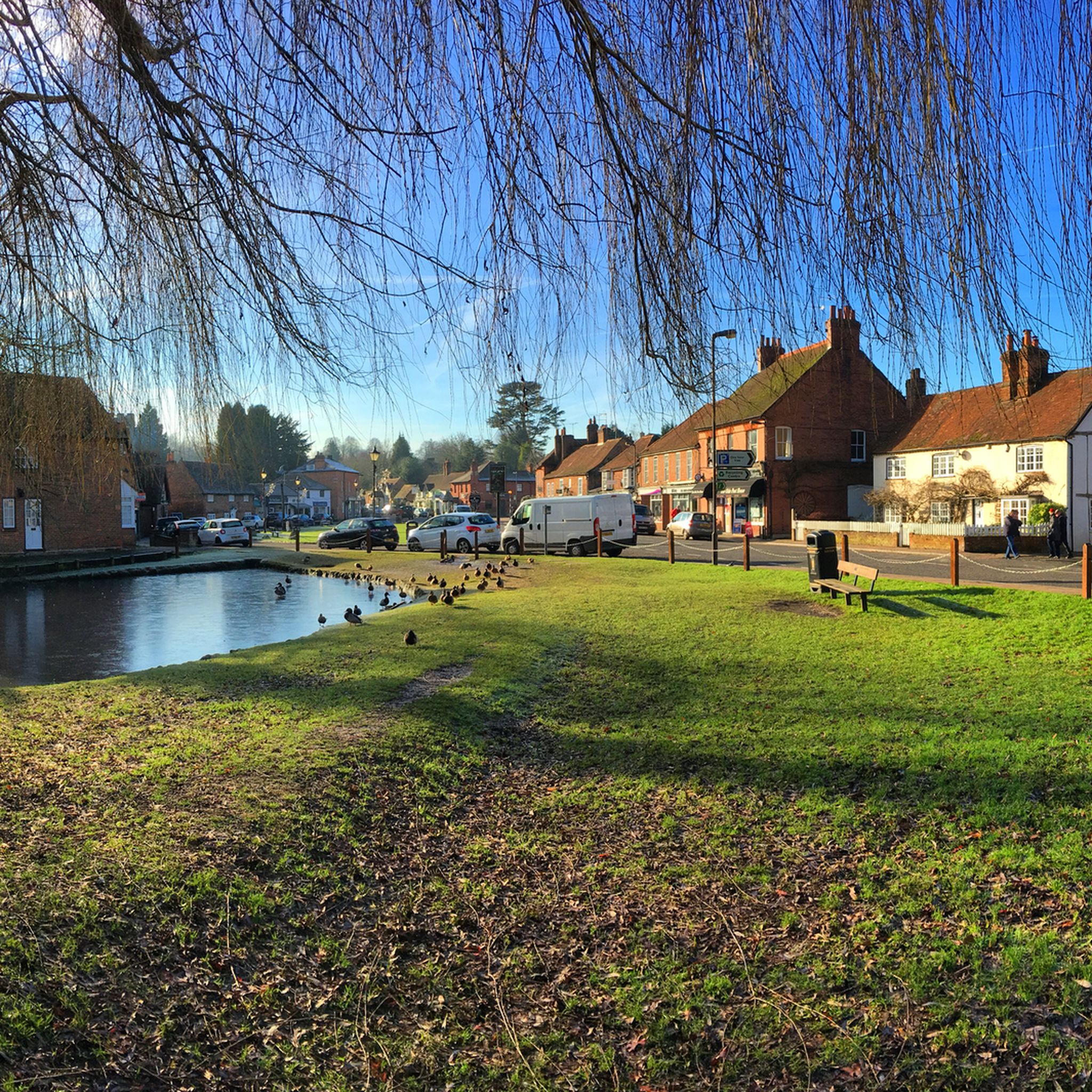
There is a lovely little weir on the River Chess here that's worth stopping by. Also, on the same pond, you will see stepping stones (called Steps of Heaven by some) if you'd like to walk across! A good few years ago, I used to live in the street right next to these ponds, so I can vouch for the fact that this is a great place to spend some time at, particularly in the summer.
1
0
There is a lovely little weir on the River Chess here that's worth stopping by. Also, on the same pond, you will see stepping stones (called Steps of Heaven by some) if you'd like to walk across! A good few years ago, I used to live in the street right next to these ponds, so I can vouch for the fact that this is a great place to spend some time at, particularly in the summer.
2
0

its ok but muddy to get in and out of if you want to dip your feet during a hike
1
0

Burnham Beeches is a Site of Special Scientific Interest, National Nature Reserve, and Special Area of Conservation thanks to its ancient beech woodland and rich wildlife. More than sixty species of plants and animals that call the 927-acre (375 ha) site home are rare or under threat. The historic woodland is also home to relics of times gone by. Located in the southwest of the woodland, you can visit Seven Ways Plain hill fort which dates to the Late Bronze Age and Early Iron Age. Neighbouring film studios have used the Beeches as a shooting location in various productions such as Doctor Who, Harry Potter, Goldfinger, and Robin Hood Prince of Thieves.
0
0

Legend has it that whoever walks on these steps without falling will be blessed with eternal life.
2
0

When the First World War broke out, Cliveden was a grand country estate well known for its exclusive parties and famous guests, yet within months it was offering a lifeline to Allied troops injured during the fighting. A helping hand At the beginning of the war, after failing a medical assessment to join the army, Waldorf Astor (later 2nd Viscount Astor) offered part of the Cliveden estate as a hospital to the British Army. They turned down the offer after deciding it would be too difficult to adapt to their needs but, determined to help, he offered the land to the Canadian Red Cross who accepted. As a result, the Duchess of Connaught Red Cross Hospital was opened to treat injured allied troops of the First World War. Bedside manner In 1915 the hospital could hold up to 110 patients at any one time but by the end of the war, this number had risen dramatically to 600. Nancy Astor was often seen helping out in the hospital and it is said that her personality and great vigour worked wonders on the patients. Many ministers and royals also visited the hospital including Winston Churchill in May 1915 and King George V in July 1915. In memory Of the 24,000 troops treated at the hospital only a relatively small number died. In 1918, the 1st Viscount Astor's sunken Italian garden was adapted to create a memorial garden for the deceased. https://www.nationaltrust.org.uk/cliveden/features/first-world-war-at-cliveden
0
0
The Fountain of Love is a two colour marble sculpture by Thomas Waldo Story. It was commissioned by Lord Astor in 1897. The shell dish features three groups of statues which are all signed and dated by the sculptor. The shell was made from two large antique marble blocks joined together and based on tufa rock. Carrara marble figure of a half-fallen woman with very long wavy hair, arms outstretched to welcome cupid. Left figure from the monumental, two-colour marble group, The Fountain of Love, designed and carved in Rome by Thomas Waldo Story (1855-1915) son and pupil of the American dilettante sculptor William Wetmore Story (1819-95). The figures are signed and dated 'Waldo Story Roma 1897'. http://www.nationaltrustcollections.org.uk/object/766173.1
0
0
Frequently Asked Questions
What are some notable natural features to explore around Chalfont St Peter?
Chalfont St Peter is situated at the edge of the Chiltern Hills, an Area of Outstanding Natural Beauty, offering diverse scenery including woodlands and rolling landscapes. The area is also home to the River Chess, a shallow chalk stream with picturesque views, and significant open spaces like Gold Hill Common and Cheena Meadow. You can experience a unique chalk stream ecosystem at the River Chess Stepping Stones and Weir.
Are there family-friendly natural monuments in the area?
Yes, several natural monuments around Chalfont St Peter are suitable for families. Burnham Beeches, an ancient beech woodland and National Nature Reserve, is a great option. The River Chess Stepping Stones and Weir also offers a charming spot for families to enjoy the water. Additionally, Ruislip Woods National Nature Reserve, the largest ancient woodland in Greater London, provides a quiet and calm forest experience.
Where can I go for a walk or hike near Chalfont St Peter's natural monuments?
The Chiltern Hills offer extensive walking and cycling opportunities. You can explore the Burnham Beeches with its ancient woodlands, or take a stroll along the River Chess, including parts of the Chess Valley Walk. The Cock Marsh Wetland Walkway provides a trail through important wetland meadows. For more structured routes, consider the many running trails around Chalfont St Peter, which often pass through these natural areas.
What kind of wildlife can I expect to see?
The natural areas around Chalfont St Peter are rich in wildlife. Burnham Beeches is home to more than 60 rare or threatened species of plants and animals. The River Chess supports a unique chalk stream ecosystem, and the Cock Marsh Wetland Walkway is important for rare plant species, breeding waders, and overwintering birds. Keep an eye out for specialist plants like water violet and marsh arrowgrass in the wetlands.
Are there any historical or cultural sites integrated with the natural monuments?
Yes, some natural areas also hold historical significance. Within Burnham Beeches, you can find relics like the Seven Ways Plain hill fort, dating back to the Late Bronze Age and Early Iron Age. The Cliveden War Cemetery and Memorial Garden, while a memorial, is set within a beautiful natural landscape, offering a place for reflection amidst nature.
What is the best time of year to visit the natural monuments around Chalfont St Peter?
The natural monuments around Chalfont St Peter can be enjoyed year-round, but each season offers a different experience. Spring brings blooming wildflowers and active wildlife, while summer is ideal for leisurely strolls and enjoying the green spaces. Autumn showcases vibrant foliage, especially in woodlands like Burnham Beeches. Winter offers crisp walks and a different perspective on the landscapes, though some paths might be muddy.
Are there accessible trails for visitors with mobility needs?
While specific accessible trails are not widely highlighted for all natural monuments, efforts are being made in certain areas. For instance, the Meadow Nature Reserve in Chalfont St Peter is working on installing boardwalks to allow public access without disturbing sensitive ecosystems. It's advisable to check specific location details for the most up-to-date accessibility information.
Can I bring my dog to the natural areas?
Many natural areas around Chalfont St Peter, including parts of the Chiltern Hills and local commons like Gold Hill Common, are generally dog-friendly. However, it's always recommended to keep dogs on a lead, especially in nature reserves or areas with livestock and sensitive wildlife, to protect both your pet and the local environment. Always check local signage for specific rules.
What other outdoor activities are available near these natural monuments?
Beyond walking and hiking, the area around Chalfont St Peter offers various outdoor activities. You can find numerous cycling routes, including options for both touring and road cycling, that pass through or near these natural monuments. The diverse terrain of the Chiltern Hills also makes it suitable for trail running.
Are there specific nature reserves worth visiting?
Yes, the area boasts important nature reserves. Burnham Beeches is a Site of Special Scientific Interest and National Nature Reserve. The Meadow Nature Reserve in Chalfont St Peter is also a key project for preserving priority habitats. For more information on the Meadow Nature Reserve, you can visit the parish council's website: chalfontstpeter-pc.gov.uk.
Where can I find information about local conservation efforts?
The Chalfont St Peter Parish Council is actively involved in conserving nature within the village, with the Meadow Nature Reserve being a key project. You can find more details about their conservation work and projects like the bridge and boardwalk at the Meadow Nature Reserve on their website: chalfontstpeter-pc.gov.uk.
Are there places to eat or drink near the natural monuments?
While specific cafes or pubs directly within every natural monument are not guaranteed, Chalfont St Peter and its surrounding villages offer various options. Many walking and cycling routes in the area are designed to pass by local pubs and cafes, providing opportunities for refreshment before, during, or after your outdoor activities.
Most popular routes around Chalfont St Peter
Most popular attractions around Chalfont St Peter

Get inspired with the komoot mobile app


Explore more
Extend your search for the best caves by checking out these guides of the top ones around Chalfont St Peter:
