Top 14 Natural Monuments around Hazlemere
Natural monuments around Hazlemere are located within the Chiltern Hills Area of Outstanding Natural Beauty. This region is characterized by chalk escarpments, extensive woodlands, and rolling hills. The landscape provides a variety of natural environments for exploration and outdoor activities. Hazlemere's natural features include ancient woodlands, serene parklands, and river systems.
Best natural monuments around Hazlemere
- The most popular natural monuments is River Chess Stepping Stones and Weir, a river feature that includes a weir and stepping stones. This…
Last updated: June 29, 2026
River Chess Stepping Stones and Weir
Highlight • Structure
Tip by

Cock Marsh Wetland Walkway
Highlight • Trail
Tip by

Sign up now to discover places like this
Get recommendations on the best single tracks, peaks, & plenty of other exciting outdoor places.
Sign up for free
Pond in Park Wood
Highlight • Lake
Tip by
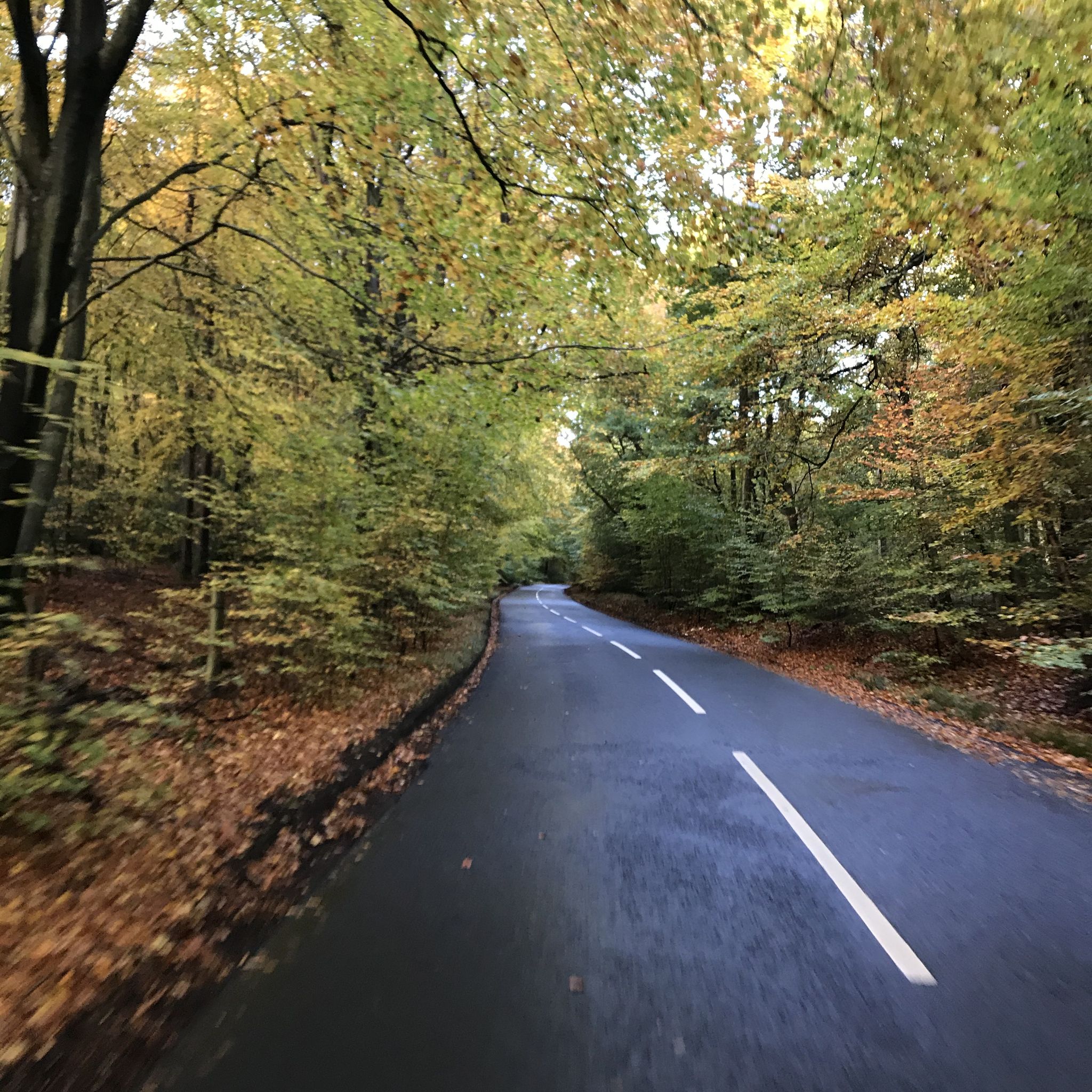
Bluebell Woodland in Chilterns National Landscape
Highlight • Forest
Tip by
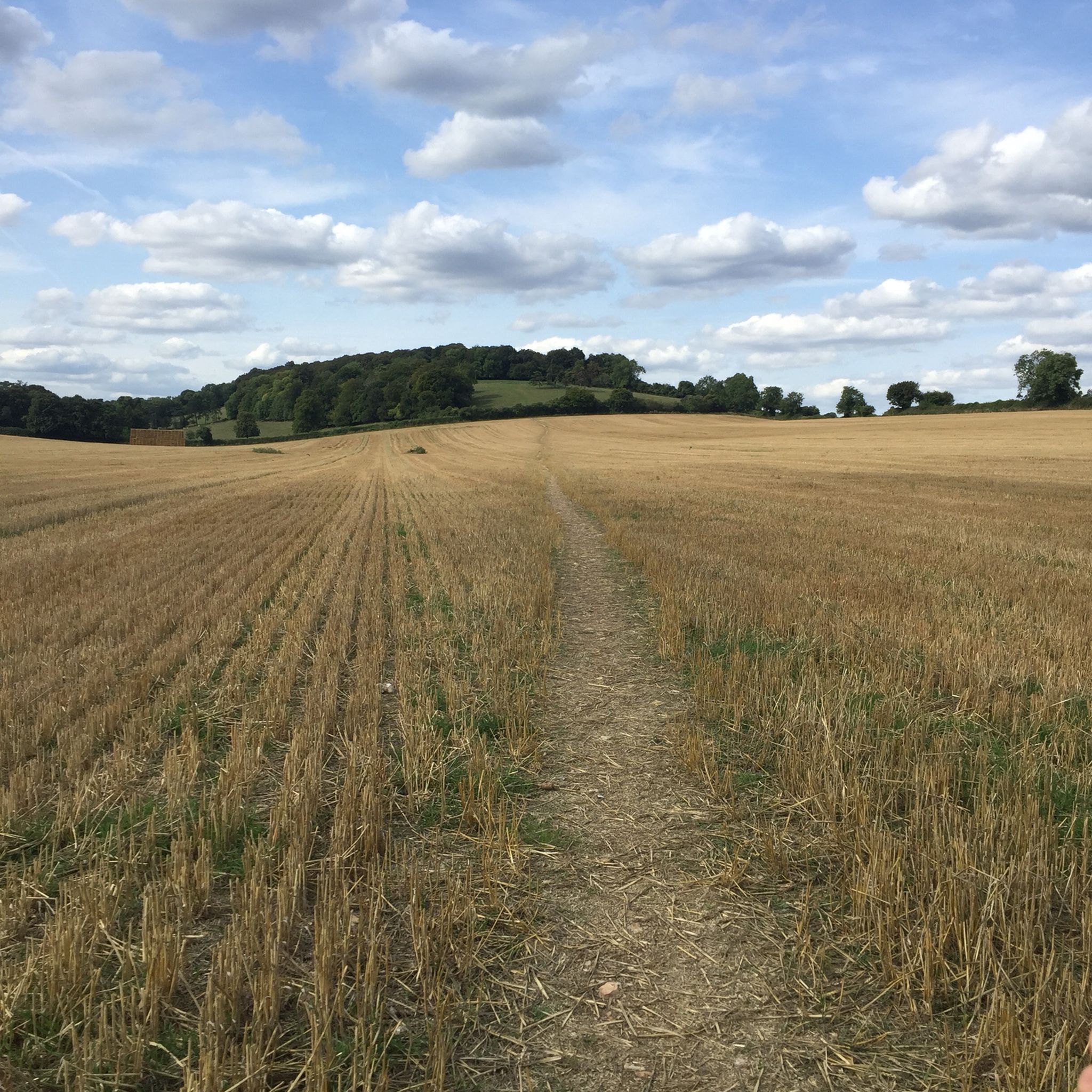
Bradenham Estate Grassland
Highlight • Natural
Tip by
Sign up for free to discover even more natural monuments around Hazlemere.
Sign up for free
Already have an account?
Start today with a free account
Your next adventure awaits.
Login or Signup
Tips from the Community

There is a lovely little weir on the River Chess here that's worth stopping by. Also, on the same pond, you will see stepping stones (called Steps of Heaven by some) if you'd like to walk across! A good few years ago, I used to live in the street right next to these ponds, so I can vouch for the fact that this is a great place to spend some time at, particularly in the summer.
1
0
There is a lovely little weir on the River Chess here that's worth stopping by. Also, on the same pond, you will see stepping stones (called Steps of Heaven by some) if you'd like to walk across! A good few years ago, I used to live in the street right next to these ponds, so I can vouch for the fact that this is a great place to spend some time at, particularly in the summer.
2
0

its ok but muddy to get in and out of if you want to dip your feet during a hike
1
0

Legend has it that whoever walks on these steps without falling will be blessed with eternal life.
2
0

The wetland meadows of Cock Marsh are very important for rare plant species, breeding waders and overwintering birds. Part of the site is designated as a Site of Special Scientific Interest (SSSI). The steep chalk grassland swiftly changing into marshy, acid meadows has created an ecosystem of rare and interesting species. As part of the historic channel of the Thames, the ponds here support specialist plants like water violet, marsh arrowgrass, marsh stitchwort, marsh pennywort and water hemlock. The rare sedge Cyperus fuscus (brown galingale) is found here and in only a handful of other sites in Great Britain. It relies on cattle to tread or poach the ground on the pond edges to create the perfect habitat to grow. The cattle here work hard to help to maintain a rich botanical diversity of grassland habitat. https://www.nationaltrust.org.uk/maidenhead-and-cookham-commons/trails/cookham-and-cock-marsh-walk
1
0
adjacent to the carpark, is an area of permanent grassland rich in flora and fauna, which is now in the care of the National Trust. The Trust successfully re-introduced the rare Duke of Burgundy butterfly here in 2011 (full name: His Grace the Duke of Burgundy Butterfly, Hamearis lucina). Considerable work has been done to ensure the habitat at these sites is suitable for the butterfly's lifecycle. This is a great local conservation success story for a species which on a national scale is one of the most rapidly-declining butterflies in the UK. https://www.nationaltrust.org.uk/chilterns-countryside/trails/bradenham-beech-woods-and-bunkers-trail
0
0
Archaeological Surveys undertaken in Park Wood have revealed a fascinating past for this quiet area of deciduous woodland. Lynchets and banks within the woods give evidence of ancient field systems which may date back to the late Iron Age/early Roman period (or they may be medieval). In the beech woodland opposite the pond is evidence of a late thirteenth/early fourteenth homestead in the woodlands and in Tudor times (1485 – 1603) the woodland was a deer park. Much of Park Wood was converted to beech woodland from the late 18th until the early 20th century to cater for the High Wycombe furniture industry. Associated features include sawpits, tracks and charcoal burning platforms. https://www.nationaltrust.org.uk/chilterns-countryside/trails/bradenham-beech-woods-and-bunkers-trail
0
0
Bluebells are well-known for forming carpets of bright blue flowers beneath our oak and beech woodlands in the late spring. At this time of year, they can also be found along hedgerows and in woodland clearings. Their spectacular floral displays are exclusive to northern Europe, with Britain containing more than half of the world’s population of bluebells. Bluebells, which are inedible members of the asparagus family of plants, are perennial bulbous herbs with flowering stems to about 50cm tall. They spend most of the year as bulbs underground and emerge to flower from mid-April onwards, although they are usually at their peak in the first two weeks of May, depending on the spring weather. Up to twenty sweetly-scented flowers are borne on a flower stalk which droops to one side. The flowers are bell-shaped and although they are usually blue, they can be white or rarely pink. https://www.nationaltrust.org.uk/chilterns-countryside/features/discover-bluebells-in-the-chiltern-countryside
0
0
Frequently Asked Questions
What types of natural features can I expect to see around Hazlemere?
Hazlemere is situated within the Chiltern Hills Area of Outstanding Natural Beauty, offering a diverse landscape. You'll find extensive woodlands, rolling hills, and chalk escarpments. Specific natural features include ancient woodlands like Kings Wood and Common Wood, serene parklands such as Widmer Fields and Hazlemere Recreation Ground, and river systems like the River Chess, featuring the River Chess Stepping Stones and Weir.
Are there any natural monuments with historical significance in the area?
Yes, several natural monuments around Hazlemere have historical roots. Pond in Park Wood, for instance, is part of a woodland with evidence of ancient field systems and a former deer park. Common Wood, historically part of a larger heath, features ancient beech trees vital to the local furniture industry and old boundary banks and ditches.
What are some family-friendly natural monuments to visit?
Many natural monuments around Hazlemere are suitable for families. The River Chess Stepping Stones and Weir offers a fun spot to observe the river. Pond in Park Wood and Bradenham Estate Grassland are also noted as family-friendly. Additionally, the Bluebell Woodland in Chilterns National Landscape provides a beautiful setting for a family walk, especially in spring.
Where can I go for a walk or hike near Hazlemere's natural monuments?
Hazlemere offers numerous walking opportunities. Kings Wood has seemingly endless pathways and trails, while Widmer Fields and Hazlemere Recreation Ground provide scenic trails for various fitness levels. For more structured routes, you can explore easy hikes like the 'Holmer Green Common loop from Hazlemere' or the 'Penn Wood loop from Hazlemere'. Find more options in the Easy hikes around Hazlemere guide.
Are there opportunities for cycling near the natural monuments?
Yes, the area around Hazlemere is excellent for cycling. You can find routes for both gravel biking and road cycling. For gravel biking, consider routes like the 'Wendover Village Centre – Great Missenden village loop'. Road cyclists might enjoy the 'Penn Common Pond – Penn Village loop'. Discover more routes in the Gravel biking around Hazlemere and Road Cycling Routes around Hazlemere guides.
What wildlife might I encounter in Hazlemere's natural monuments?
The natural monuments are home to diverse wildlife. In Kings Wood, you might spot native animals such as badgers, foxes, and deer. Bradenham Estate Grassland is particularly notable for its conservation efforts, including the successful re-introduction of the rare Duke of Burgundy butterfly.
When is the best time to visit the natural monuments around Hazlemere?
The moderate climate in Hazlemere generally allows for outdoor activities year-round. However, for specific experiences, late spring (mid-April to early May) is ideal to witness the spectacular bluebell displays in the Bluebell Woodland in Chilterns National Landscape. Summer offers pleasant conditions for walks and enjoying the lush greenery of places like Widmer Fields.
Are there any viewpoints or scenic spots among the natural monuments?
Yes, the region offers several scenic spots. Bradenham Valley is a significant geological feature that provides impressive views. Bradenham Estate Grassland also offers scenic vistas, being an area rich in flora and fauna.
What is unique about the Bradenham Valley?
The Bradenham Valley is a 'fossil' valley predominantly formed during the Ice Ages, between 2.5 million and 10,000 years ago. Like many Chiltern valleys, it is now dry because the underlying chalk is permeable, but during the permafrost conditions of the Ice Age, large amounts of water cut down into the chalk, creating its distinctive shape.
Can I find ancient woodlands near Hazlemere?
Absolutely. Kings Wood is an ancient woodland known for its diverse landscape and extensive trails. Common Wood also boasts ancient beech trees, some 150 to 200 years old, and was historically part of a larger common heath and woodland area.
What makes the Chiltern Hills AONB significant for Hazlemere's natural monuments?
Hazlemere's location within the Chiltern Hills Area of Outstanding Natural Beauty (AONB) is crucial. The AONB itself is a significant natural feature, characterized by chalk escarpments, extensive woodlands (covering 21% of the area), and rolling hills. This designation ensures the preservation of the rich tapestry of natural environments that Hazlemere's natural monuments are a part of.
Are there any natural monuments that are particularly good for observing plant life?
Yes, Bradenham Estate Grassland is an area of permanent grassland rich in flora. Additionally, the Bluebell Woodland in Chilterns National Landscape is renowned for its spectacular carpets of bluebells in late spring, making it a prime spot for observing this specific plant life.
Most popular routes around Hazlemere
Most popular attractions around Hazlemere

Get inspired with the komoot mobile app


Explore more
Extend your search for the best caves by checking out these guides of the top ones around Hazlemere:
