Top 20 Natural Monuments around Downley
Best natural monuments around Downley are situated within the Chiltern Hills in Buckinghamshire. The area features a mix of woodlands, open fields, and gentle slopes, providing diverse natural environments. These locations offer opportunities for recreation and wildlife observation. The landscape is characterized by its varied terrain, including ancient forests and wetland habitats.
Best natural monuments around Downley
- The most popular natural monuments is Pond in Park Wood, a lake within a forest. Archaeological surveys indicate a past as a…
Last updated: August 9, 2026
Old Kiln Lakes Wetland Habitat
Highlight • Natural
Tip by

Cock Marsh Wetland Walkway
Highlight • Trail
Tip by

Sign up now to discover places like this
Get recommendations on the best single tracks, peaks, & plenty of other exciting outdoor places.
Sign up for free
Pond in Park Wood
Highlight • Lake
Tip by
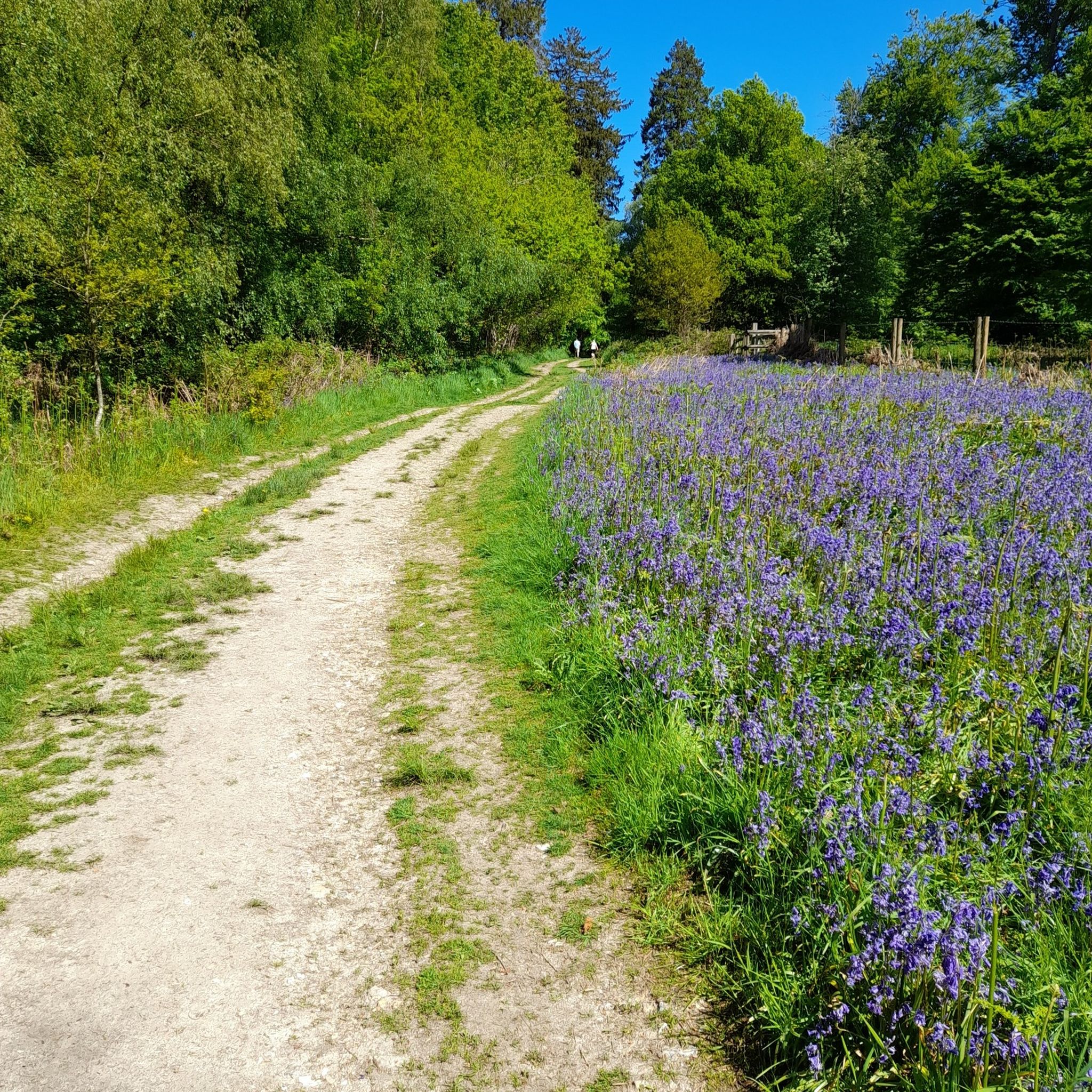
Bluebell Woodland in Chilterns National Landscape
Highlight • Forest
Tip by
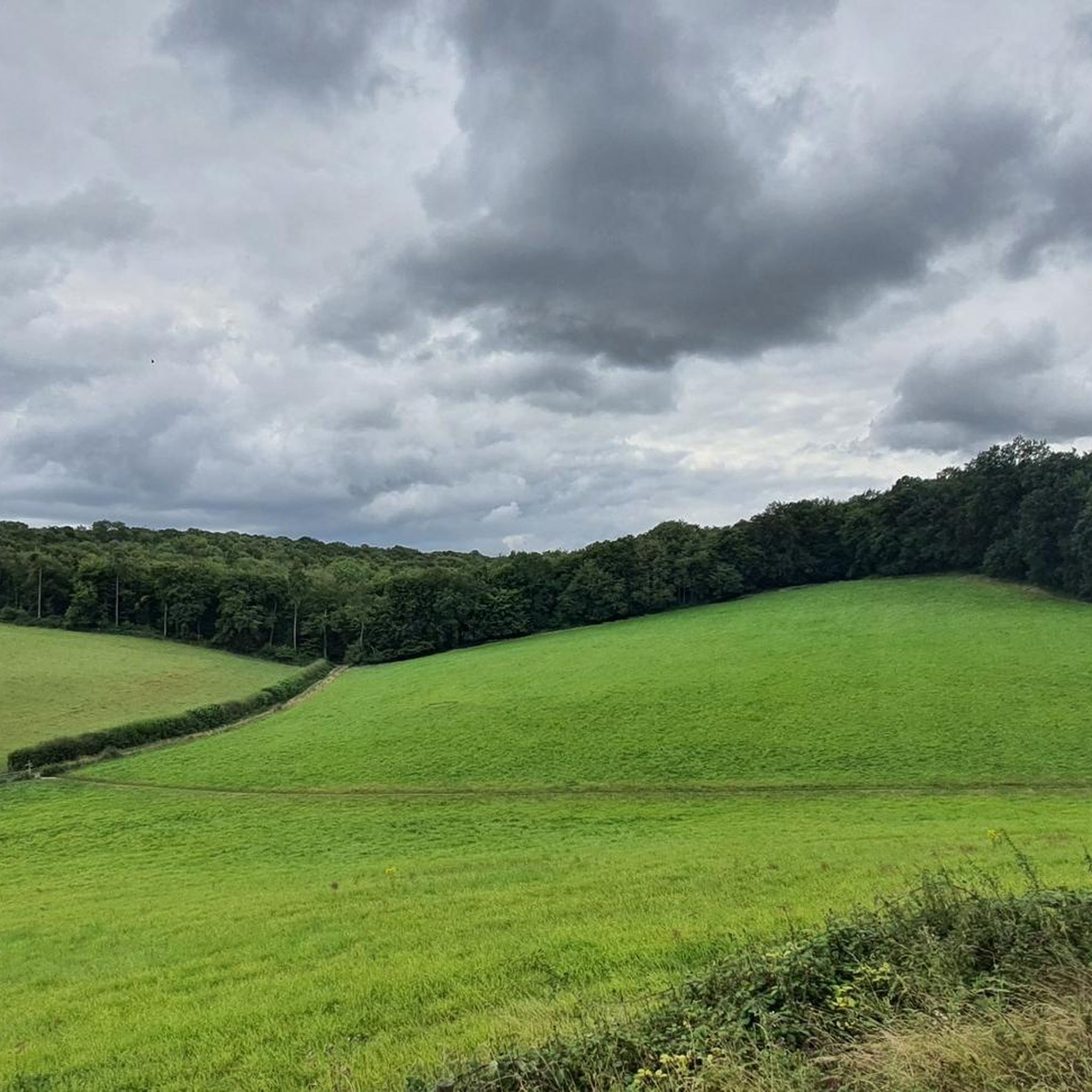
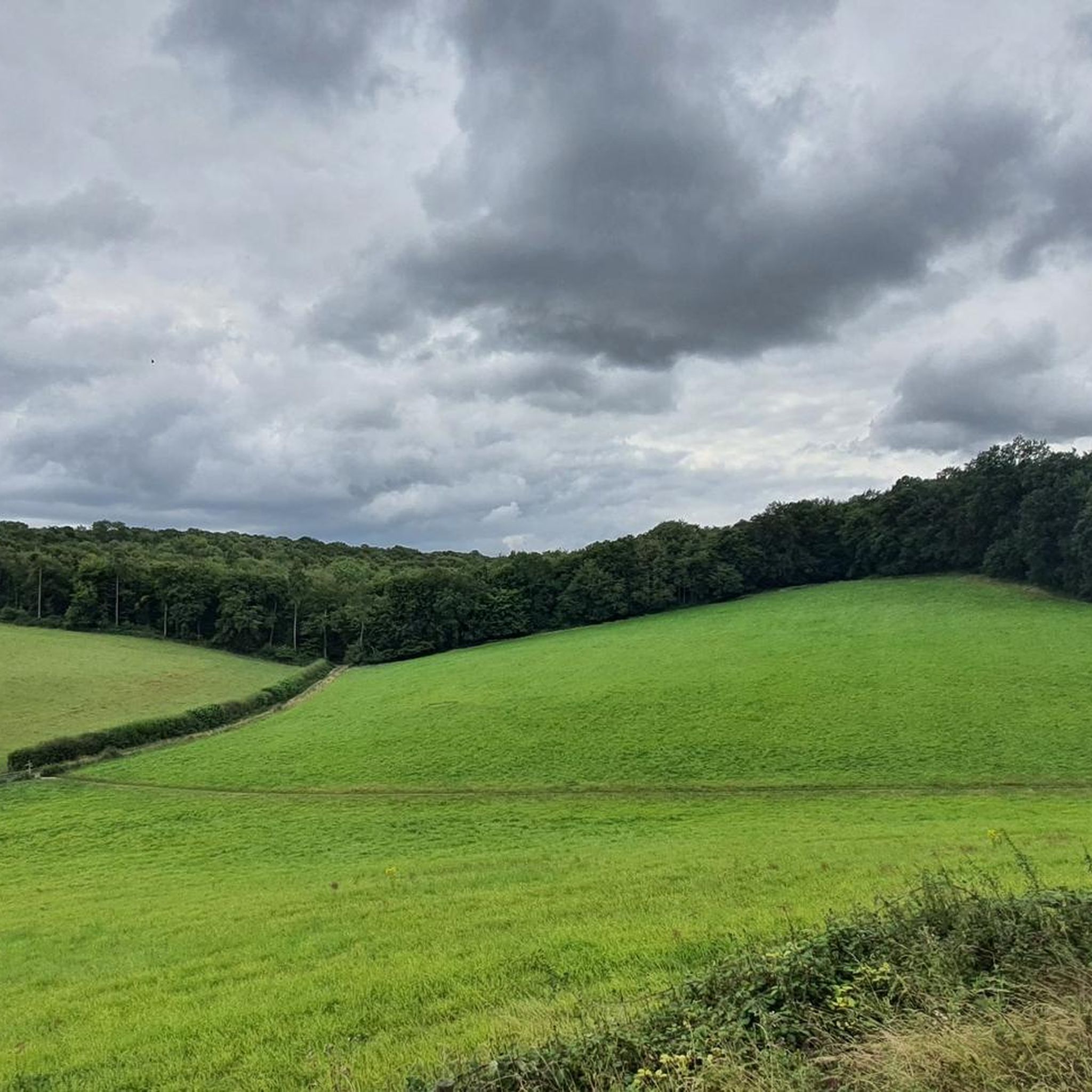
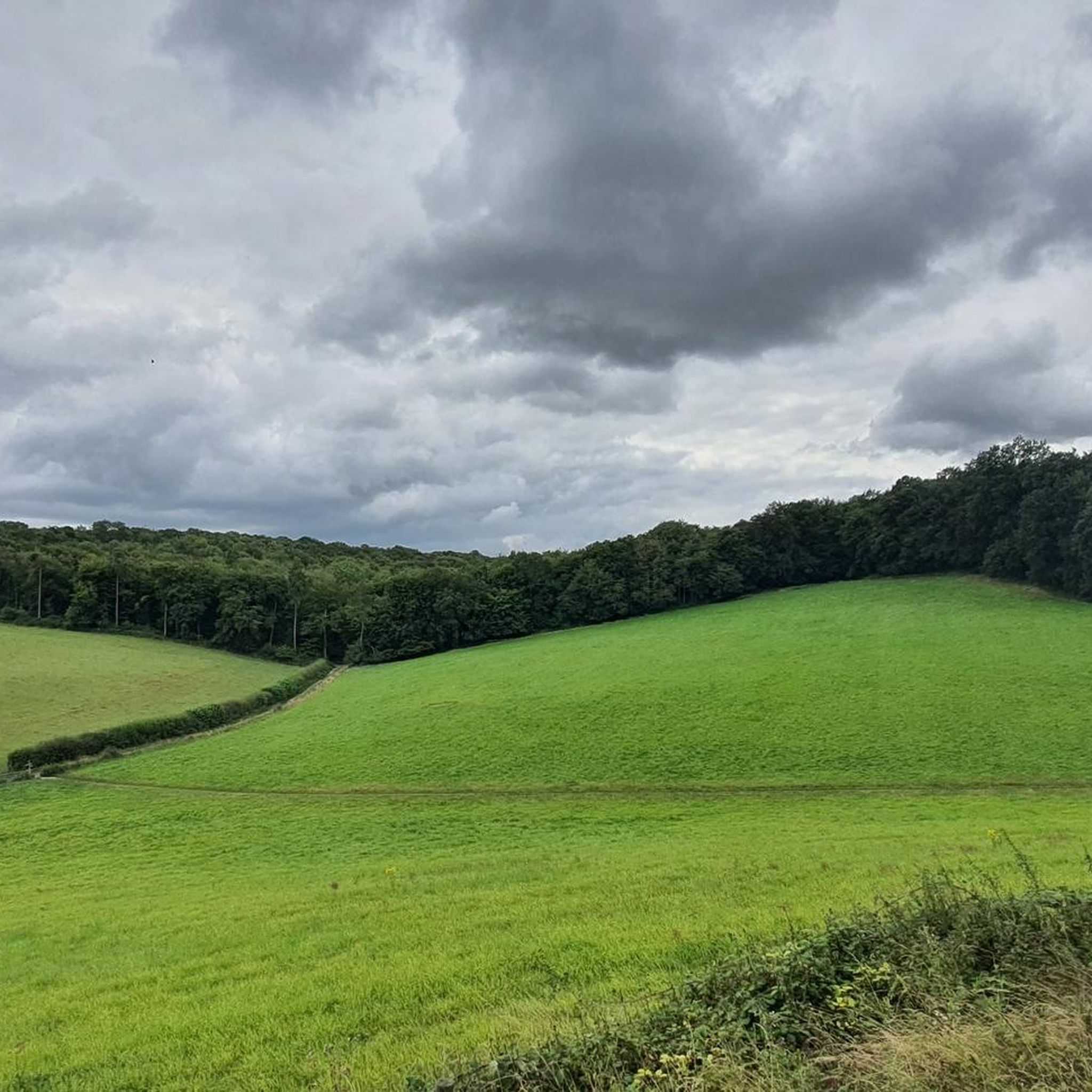
View from the Grangelands and the Rifle Range
Highlight • Natural Monument
Tip by

Sign up for free to discover even more natural monuments around Downley.
Sign up for free
Already have an account?
Start today with a free account
Your next adventure awaits.
Login or Signup
Tips from the Community

Beautiful spot to sit on a log and contemplate life and the view
0
0

Moderate trail to explore and enjoy the beautiful hidden sceneries
1
0

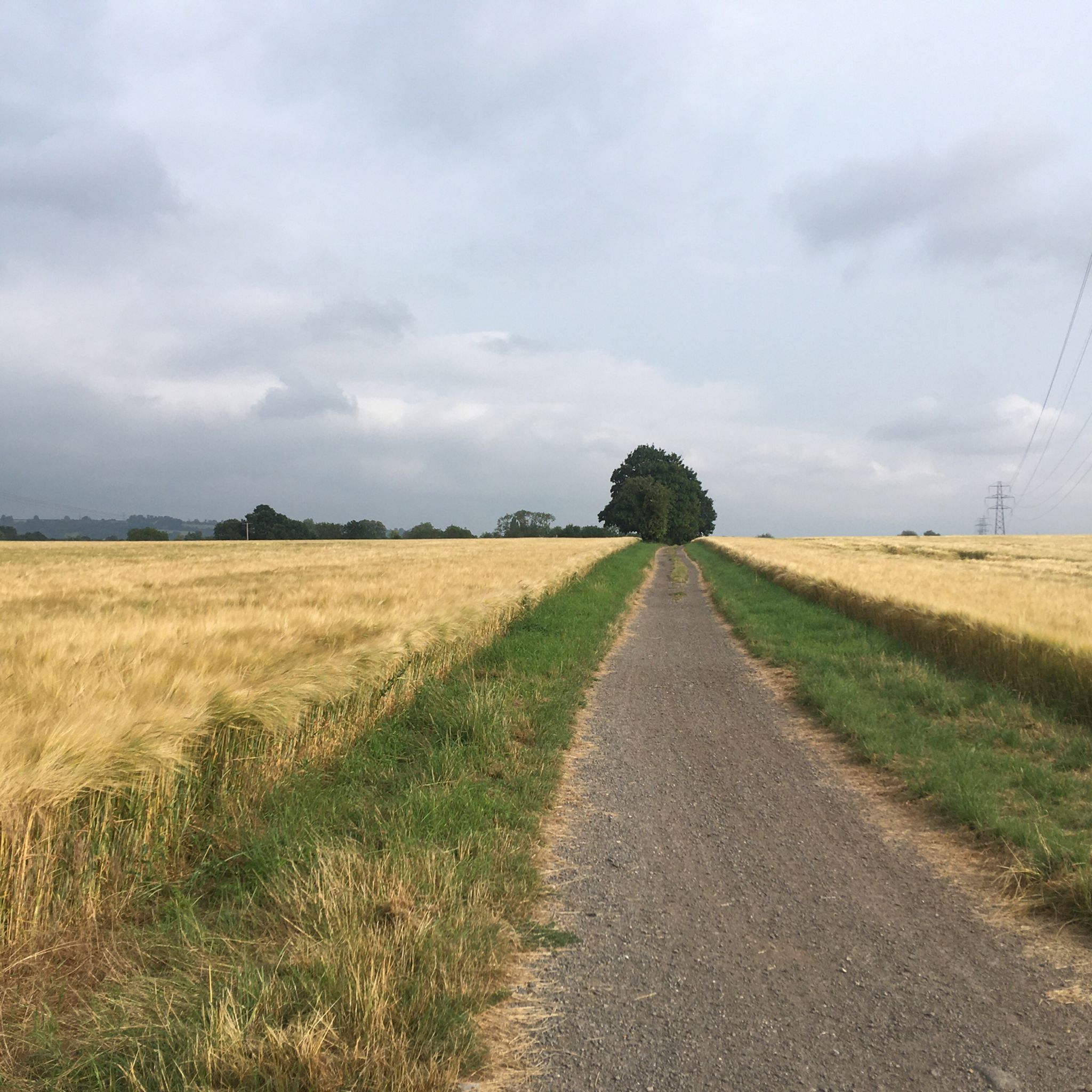
There is a phenomenal view to the north from here - long sweeping views of the forested hills and down towards Great Kimble and beyond. This is the stuff of poets live for! By the way, do give the Granglelands and the Rifle Range information board a read for more information about this beautiful chalk grassland area. The place is teeming with life: including butterflies such as Brimstones, Common Blues and Marbled Whites to be spotted in the spring and summer months. A great place to slow down for a bit on your jog!
1
0
There is a phenomenal view to the north from here - long sweeping views of the forested hills and down towards Great Kimble and beyond. This is the stuff of poets live for! By the way, do give the Granglelands and the Rifle Range information board a read for more information about this beautiful chalk grassland area. The place is teeming with life: including butterflies such as Brimstones, Common Blues and Marbled Whites to be spotted in the spring and summer months.
1
0

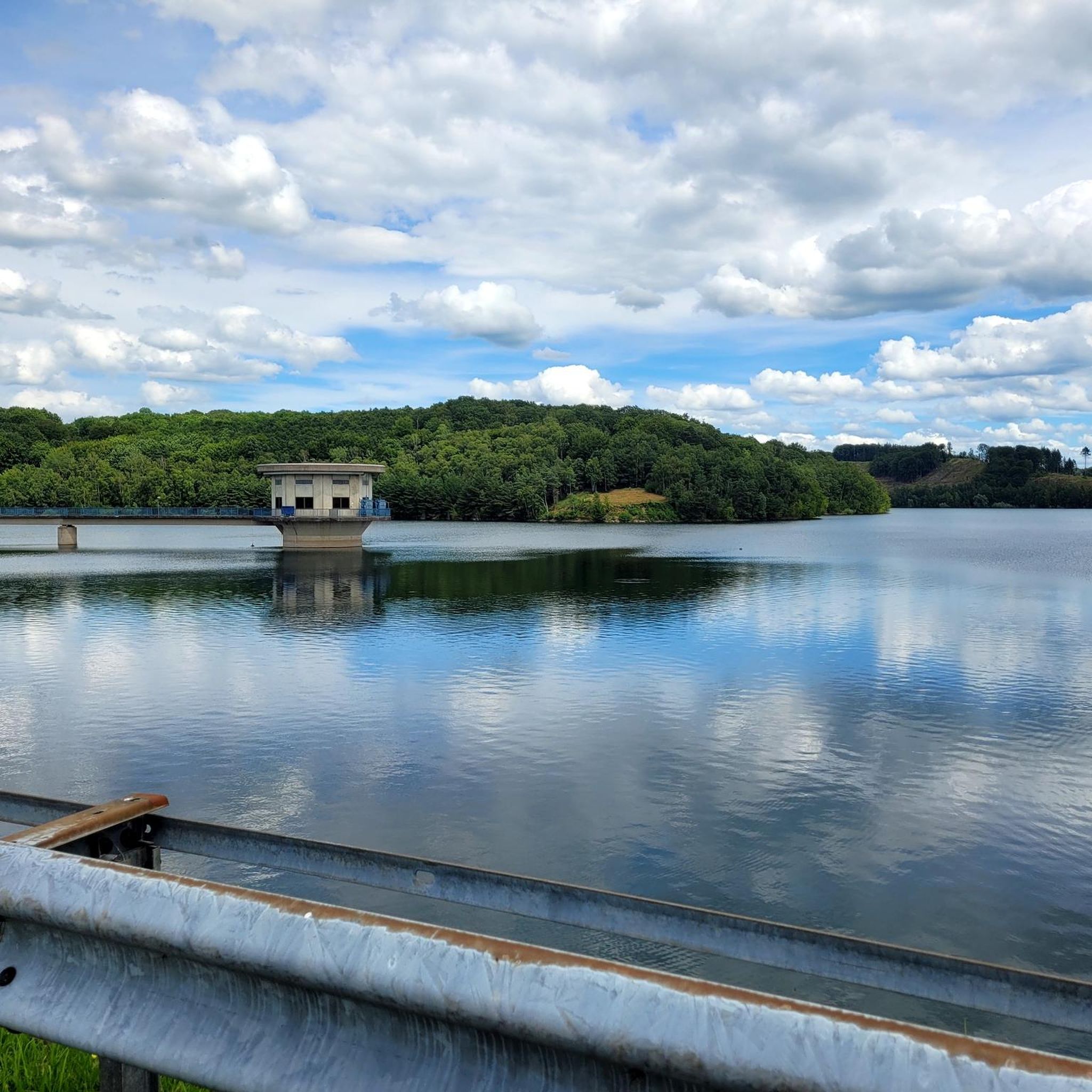
This quarry is a Site of Special Scientific Interest and well known by geologists for its phenomenal history. Packed with fossils, some of the finds here date back 100 million years. There's no public access, but you can catch glimpses of its bright high-alkaline water from the surrounding footpaths.
0
0
Moderate trail with good fitness level required but once at the top the views are amazing
1
0

Chinnor, Chalk and Cement Mr. W. Benton's Cement and Lime Works opened in Chinnor in 1908, but cement making on a truly industrial scale did not begin until 1919. Output of cement from Chinnor peaked at about 5600 tonnes per week in the 1990s. Up to 120 people were employed at any one time. The cement works closed in 1999 and there are plans for the re-development of the site, using the flat areas for housing but also with opportunities for recreation and conservation in the water filled quarries The scale of chalk extraction for cement making can be seen from a short walk along the Ridgeway National Trail. The Ridgeway runs on a high causeway between the large quarries, giving views of the pits through the boundary fences. (Do not cross over or through the fences). Geology One of the chalk quarries has been protected as a geological Site of Special Scientific Interest as it has particularly good exposures of both the Lower Chalk and Middle Chalk geological layers. Both layers have given upimportant fossil ammonites.
2
0
The wetland meadows of Cock Marsh are very important for rare plant species, breeding waders and overwintering birds. Part of the site is designated as a Site of Special Scientific Interest (SSSI). The steep chalk grassland swiftly changing into marshy, acid meadows has created an ecosystem of rare and interesting species. As part of the historic channel of the Thames, the ponds here support specialist plants like water violet, marsh arrowgrass, marsh stitchwort, marsh pennywort and water hemlock. The rare sedge Cyperus fuscus (brown galingale) is found here and in only a handful of other sites in Great Britain. It relies on cattle to tread or poach the ground on the pond edges to create the perfect habitat to grow. The cattle here work hard to help to maintain a rich botanical diversity of grassland habitat. https://www.nationaltrust.org.uk/maidenhead-and-cookham-commons/trails/cookham-and-cock-marsh-walk
1
0
Frequently Asked Questions
What are some of the most unique natural monuments to explore around Downley?
Downley offers a variety of unique natural monuments. You can visit Old Kiln Lakes Wetland Habitat, a former quarry and Site of Special Scientific Interest known for its geological history and fossils dating back 100 million years. Another interesting spot is Pond in Park Wood, which holds archaeological evidence of ancient field systems and a past as a deer park. For a unique ecological experience, explore Cock Marsh Wetland Walkway, important for rare plant species and diverse birdlife.
Are there natural monuments around Downley that are particularly good for wildlife spotting?
Yes, several natural areas around Downley are excellent for wildlife. Cock Marsh Wetland Walkway is a Site of Special Scientific Interest, vital for breeding waders and overwintering birds, and supports rare plant species. Downley Common, a 22-hectare expanse, is home to diverse flora and fauna, including a rare aquatic plant called starfruit, and is a great spot for birdwatching, with woodpeckers and red kites frequently sighted.
What kind of historical or geological insights can I find at the natural monuments near Downley?
The natural monuments around Downley offer fascinating historical and geological insights. Old Kiln Lakes Wetland Habitat is a geological Site of Special Scientific Interest, renowned for its 100-million-year-old fossils. Pond in Park Wood reveals archaeological evidence of ancient field systems, possibly dating back to the Iron Age/Roman period, and was once a Tudor deer park. The Bradenham Valley is a 'fossil' dry valley, formed during the Ice Ages, offering a glimpse into the region's geological past.
Are there family-friendly natural monuments suitable for children around Downley?
Yes, many natural areas around Downley are suitable for families. Downley Common offers open spaces and woodlands perfect for informal recreation and walking. Pond in Park Wood and Bluebell Woodland in Chilterns National Landscape are also categorized as family-friendly, providing pleasant environments for walks and exploring nature with children.
When is the best time of year to visit the natural monuments in Downley, especially for specific natural phenomena?
The best time to visit depends on what you want to see. For the spectacular display of bluebells, late spring, particularly the first two weeks of May, is ideal to visit areas like Bluebell Woodland in Chilterns National Landscape. Generally, spring and autumn offer pleasant walking conditions and vibrant scenery across the woodlands and commons. Summer is great for enjoying the open spaces, while winter can provide crisp, quiet walks, though some paths might be muddy.
What outdoor activities, besides visiting natural monuments, can I do in the Downley area?
Beyond exploring natural monuments, the Downley area, situated within the Chiltern Hills, offers extensive opportunities for outdoor activities. You can find numerous routes for road cycling, with options like the 'Chiltern Velo Café – Temperance Hall, Chesham loop'. There are also many cycling routes for touring bicycles, such as 'The Walled Garden Café – Haw Lane Fields loop'. For hikers, there are easy hikes available, including the 'Dashwood Mausoleum – Nobles Farm loop'. You can find more details on these activities in the Road Cycling Routes around Downley, Cycling around Downley, and Easy hikes around Downley guides.
Are there specific trails or walkways that offer scenic views among Downley's natural monuments?
Yes, the region offers several scenic routes. The Cock Marsh Wetland Walkway provides unique views of marshy meadows and chalk grassland. The nearby Chiltern Escarpment offers opportunities for more challenging hikes with extensive panoramas of the surrounding valleys. Additionally, some trails through Tinkers Woods offer scenic views as they pass below the gardens of Hughenden Manor.
Can I find natural monuments with significant woodland areas for walking in Downley?
Absolutely. Downley is rich in woodland areas. Downley Common itself features extensive woodlands alongside grasslands. Tinkers Woods (Little Tinkers Wood and Great Tinkers Woods) are picturesque woodlands with popular walking routes, including paths through ancient beech forests. Bluebell Woodland in Chilterns National Landscape is another prime example, known for its stunning bluebell displays within the forest in spring.
What are the typical characteristics of the terrain around Downley's natural monuments?
The terrain around Downley's natural monuments is quite varied, reflecting its location within the Chiltern Hills. You'll encounter a mix of woodlands, open fields, and gentle slopes. Areas like Downley Common feature both wooded and grassland expanses, with historical remnants like old clay pits. The Chiltern Escarpment offers elevated natural features, providing opportunities for more challenging hikes. Valleys like Bradenham Valley are characteristic dry valleys formed in chalk, while wetland areas like Cock Marsh Wetland Walkway feature marshy meadows and chalk grassland.
Are there any natural monuments near Downley that are less known but worth discovering?
While not formally designated as 'natural monuments' in all cases, the surrounding natural areas offer many hidden gems. Tinkers Woods, for instance, provides popular walking routes originating from Downley that lead to Hughenden Park, offering a refreshing immersion in ancient beech forests away from more crowded spots. These woods are ideal for those seeking quieter trails and diverse local fauna.
What makes the wetland habitats around Downley's natural monuments special?
The wetland habitats around Downley are particularly special due to their ecological significance. Cock Marsh Wetland Walkway, a Site of Special Scientific Interest, is crucial for rare plant species, breeding waders, and overwintering birds. Its unique ecosystem, formed by steep chalk grassland transitioning into marshy meadows, supports specialist plants like water violet and marsh arrowgrass. Similarly, Downley Common includes ponds that have seen the return of rare aquatic plants like starfruit, highlighting the area's rich biodiversity.
Are there opportunities for longer walks or hikes connecting different natural areas in Downley?
Yes, the natural areas around Downley are well-connected, allowing for longer walks and hikes. Downley Common has pathways that link directly to Naphill Common and other National Trust properties, facilitating extended excursions. Trails through Tinkers Woods also connect to destinations like Hughenden Park, providing ample opportunities to combine different natural settings into a single, longer route.
Most popular routes around Downley
Most popular attractions around Downley

Get inspired with the komoot mobile app


Explore more
Extend your search for the best caves by checking out these guides of the top ones around Downley:
