Top 5 Natural Monuments around Ludlow
Best natural monuments around Ludlow offer diverse geological features and opportunities for outdoor activities. Ludlow, a historic market town in Shropshire, England, is situated on the edge of the Shropshire Hills Area of Outstanding Natural Beauty. This region provides a natural landscape with various distinctive features, including hills, rivers, and ancient sites. The area is known for its geological importance and provides a base for exploring the surrounding natural beauty.
Best natural monuments around Ludlow
- The most popular natural monuments…
Last updated: June 29, 2026
Titterstone Clee Hill summit
Highlight • Natural Monument
Tip by

Croft Ambrey Hillfort
Highlight • Historical Site
Tip by

Sign up now to discover places like this
Get recommendations on the best single tracks, peaks, & plenty of other exciting outdoor places.
Sign up for free
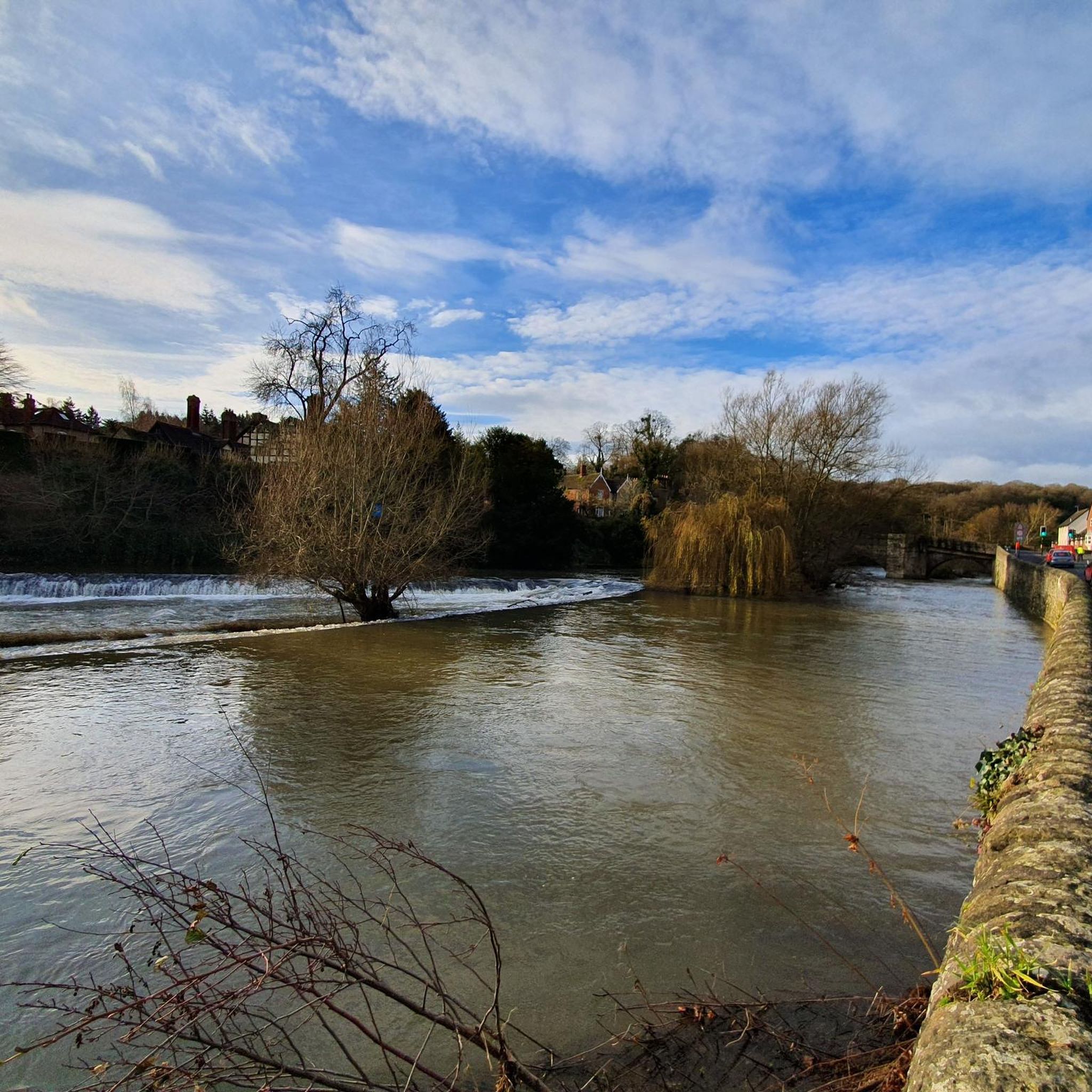
Dinham Weir
Highlight • Viewpoint
Tip by

Dinham Bridge with a view of Ludlow Castle
Highlight • River
Tip by

Downton Gorge
Highlight • Natural Monument
It is one of the …
Tip by
Sign up for free to discover even more natural monuments around Ludlow.
Sign up for free
Already have an account?
Start today with a free account
Your next adventure awaits.
Login or Signup


Tips from the Community


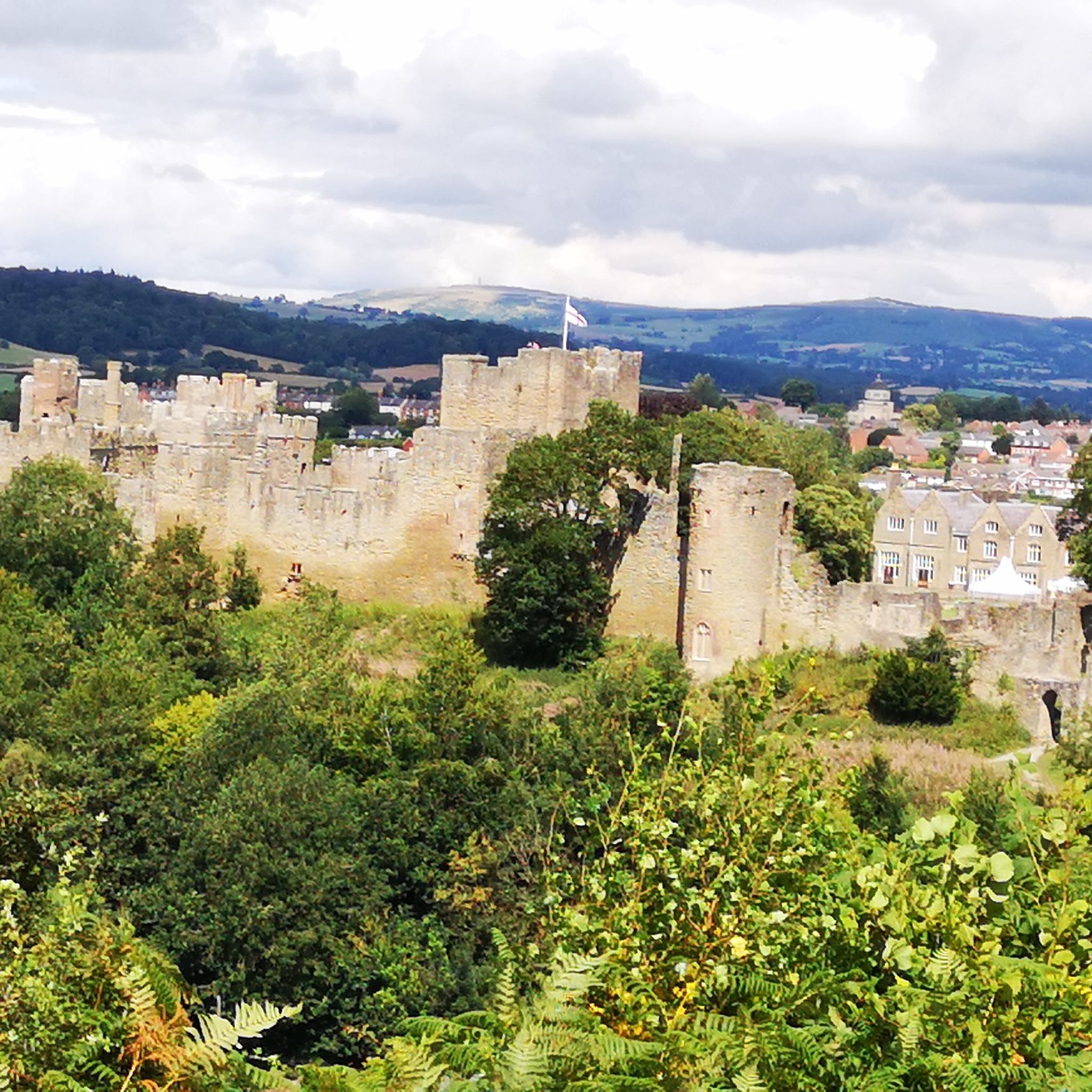
Spanning the River Teme at the entrance to Ludlow is the beautiful Dinham Bridge. This super nice arched stone bridge is not as old as it looks, being built in 1823, it is not that old in UK terms, and it was constructed by no other than Thomas Telford. It is a stunning bridge with a gorgeous river vista and views of Ludlow Castle.
1
0

Beautiful weir situated below the stunning castle
0
0

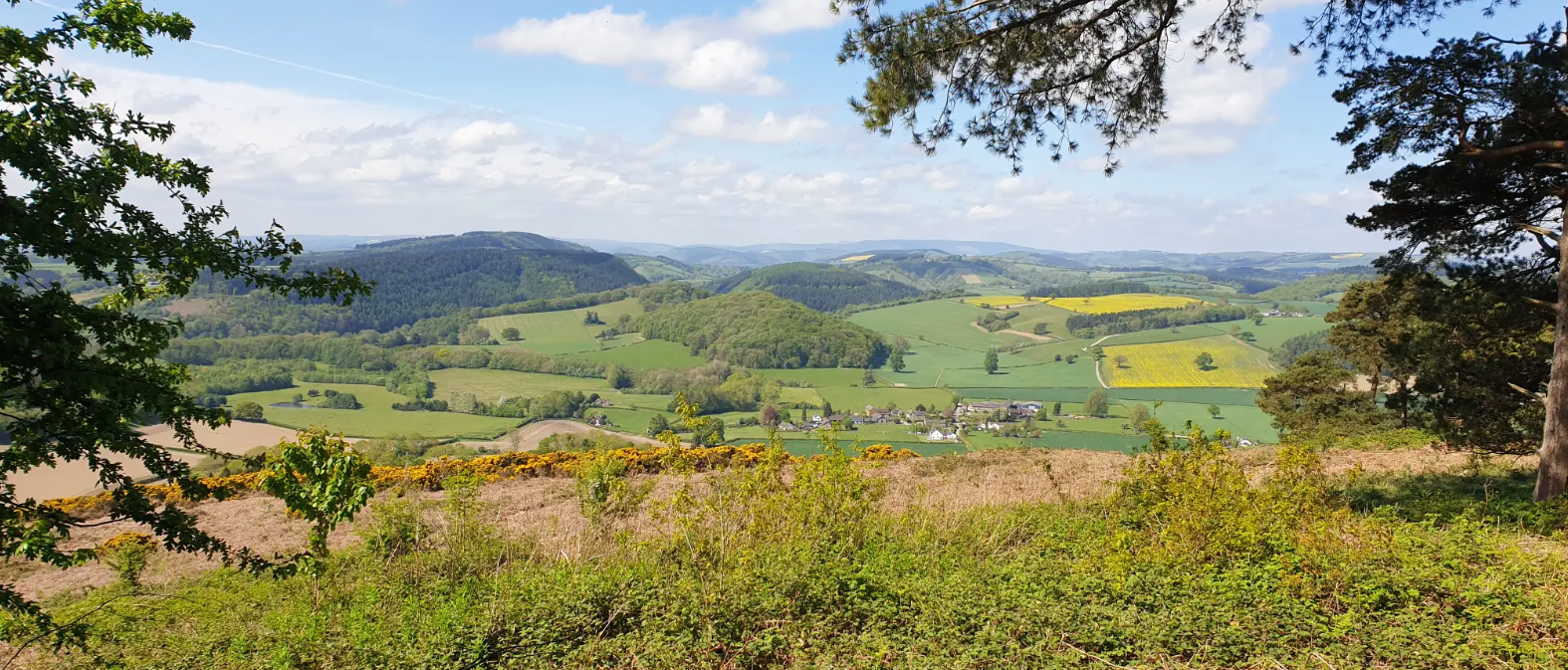
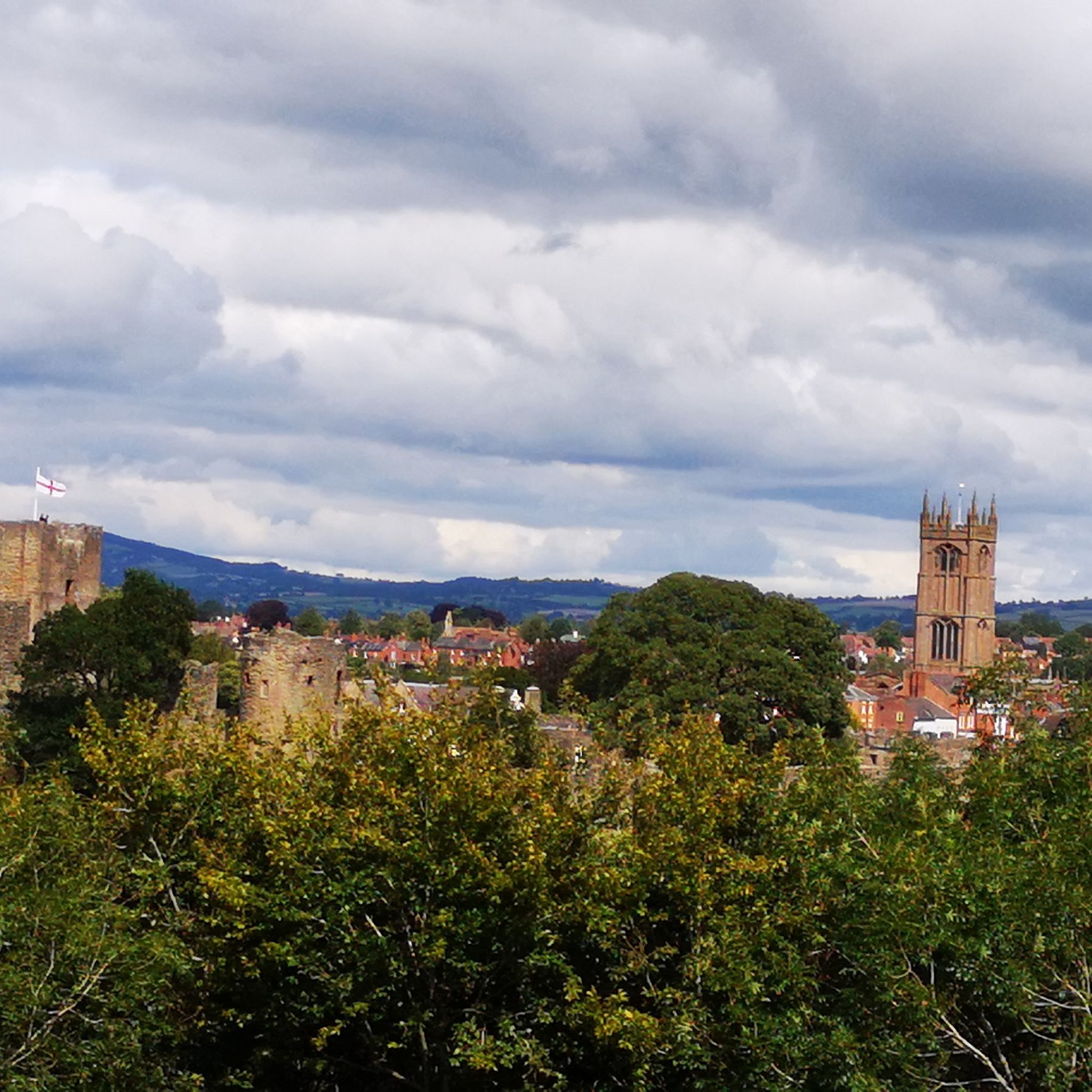
Stunning views from the top of the Crofy Ambrey Iron Age Hill Fort, a perfect place for a picnic. We combined and followed two of the National Trust walks starting from Croft Castle (we found the walks very well sign posted) This view is from the 'Croft Ambrey Walk' and takes you through the fort and its ramparts.
0
0

Medieval bridge with a great view of Ludlow castle. Riding in or out of Ludown, just stop and appreciate the number of people that have crossed this bridge since the 12th Century.
1
0


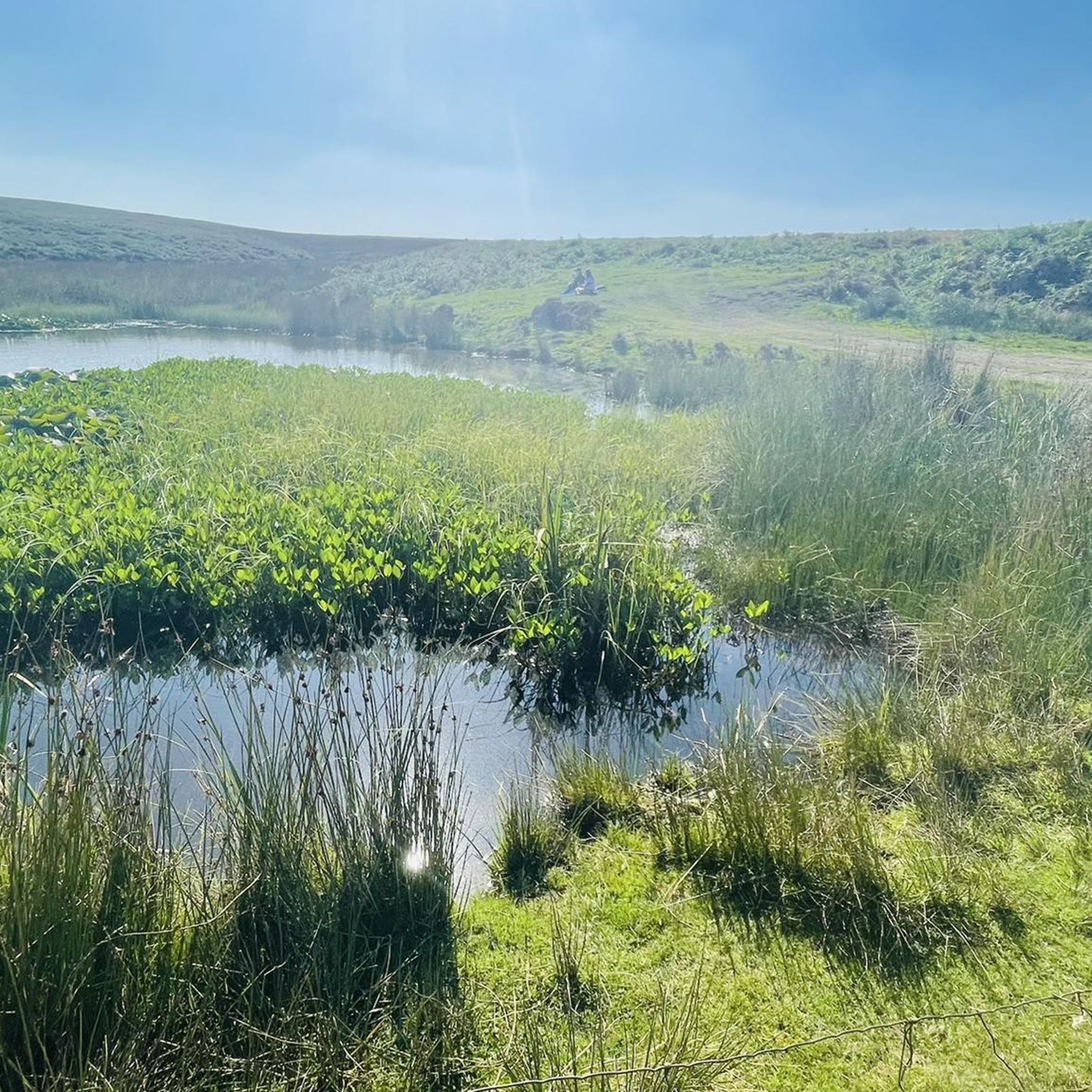
So beautiful place. Quiet and surrounded by fabulous scenery
0
0

Frequently Asked Questions
What are some of the most significant natural monuments to visit near Ludlow?
Ludlow is surrounded by several notable natural monuments. Key sites include Titterstone Clee Hill summit, known for its panoramic views and Iron Age hillfort remnants, and Downton Gorge, a National Nature Reserve where the River Teme cuts through a limestone ridge. Whitcliffe Common, overlooking Ludlow, is also geologically important with its Silurian-aged rocks and the Ludlow Bone Bed.
What kind of natural features can I expect to see around Ludlow?
The area around Ludlow offers diverse natural features. You'll find prominent hill summits like Titterstone Clee Hill, deep river gorges such as Downton Gorge, and the meandering River Teme. The landscape also includes ancient woodlands, open grasslands, and geological formations like those found at Whitcliffe Common, which reveal millions of years of Earth's history.
Are there any natural monuments with historical significance near Ludlow?
Yes, several natural monuments in the area also hold significant historical value. Titterstone Clee Hill summit features remnants of an ancient hillfort. Croft Ambrey Hillfort and Caynham Camp Iron Age Hillfort are well-preserved Iron Age sites where you can explore ancient earthworks. These locations offer a blend of natural beauty and archaeological interest.
Where can I find the best panoramic views of the area?
For breathtaking panoramic views, head to Titterstone Clee Hill summit, which offers unrivaled vistas across the Shropshire Hills. Whitcliffe Common, directly overlooking Ludlow, also provides glorious views across the town to the Clee Hills. The ancient hillforts like Croft Ambrey Hillfort and Caynham Camp Iron Age Hillfort also offer excellent vantage points of the Marches region.
Are there hiking opportunities near these natural monuments?
Absolutely. The natural monuments around Ludlow are excellent starting points for hikes. You can find various routes, from easy riverside strolls along the River Teme to more challenging ascents up hills like Titterstone Clee Hill. For more detailed hiking options, explore the Hiking around Ludlow guide, which includes routes like the "Bromfield & Downton Gorge loop" and walks through Mortimer Forest.
What are some family-friendly natural monuments or walks around Ludlow?
For families, Dinham Weir offers a picturesque and tranquil spot by the River Teme, perfect for a rest and enjoying the scenery. Whitcliffe Common has various walking paths suitable for different abilities, including those along the river. Many sections of the River Teme also offer easy, flat walks ideal for families.
Can I explore the River Teme and its surroundings?
Yes, the River Teme flows through Ludlow and is a central natural feature. You can enjoy picturesque walks along its banks, such as the Breadwalk, which offers tranquil natural surroundings directly adjacent to the town. Dinham Weir is a particularly scenic spot on the river. The river is also a haven for wildlife, including otters and kingfishers.
What about wildlife spotting near Ludlow's natural monuments?
The natural monuments and surrounding Shropshire Hills are rich in wildlife. Along the River Teme, you might spot otters, kingfishers, and swans. Titterstone Clee Hill is home to diverse wildlife, including peregrine falcons. The ancient woodlands of Downton Gorge also support a unique microclimate, fostering various ferns, bryophytes, lichens, and fungi.
What geological features make the Ludlow area unique?
The Ludlow area is renowned for its geological importance. Whitcliffe Common is a Site of Special Scientific Interest due to its anticline formation of Silurian-aged rocks and the significant Ludlow Bone Bed, which contains early fish remains. Downton Gorge showcases how the River Teme cuts through a limestone ridge, creating a unique ravine. The region's geology has even influenced scientific understanding worldwide, with the naming of the Ludlow epoch.
What is the best time of year to visit the natural monuments around Ludlow?
The natural monuments around Ludlow can be enjoyed year-round, but each season offers a different experience. Spring brings wildflowers and new growth, while summer provides longer daylight hours for exploration. Autumn showcases vibrant foliage, especially in wooded areas like Downton Gorge. Winter offers crisp views, though some paths might be muddy or icy. Always check local weather conditions before your visit.
Are there options for cycling near the natural monuments?
Yes, the Ludlow area, including the broader Shropshire Hills, offers excellent cycling opportunities. While some natural monuments might be on footpaths, you can find numerous routes nearby that cater to various cycling abilities. For detailed cycling routes, refer to the Cycling around Ludlow guide, which includes routes like the "Tugford & Burwarton Estate loop" and "Clun Castle & Hopton Castle loop."
How can I access these natural monuments, especially regarding parking or public transport?
Many natural monuments, such as Whitcliffe Common and those along the River Teme, are easily accessible from Ludlow town center on foot. For sites further afield like Titterstone Clee Hill, car access is generally available with parking areas nearby. Public transport options to some outlying areas may be limited, so checking local bus schedules or planning for car travel is advisable for more remote locations. Ludlow itself is well-connected by train.
Are there challenging hikes available for experienced walkers?
Yes, for experienced walkers seeking a challenge, the Ludlow area delivers. The ascent to Titterstone Clee Hill summit offers diverse terrain and a rewarding climb. Within the broader Shropshire Hills, you'll find numerous challenging routes. The Hiking around Ludlow guide features difficult routes such as the "Bromfield & Downton Gorge loop" and the "Mortimer Forest – High Vinnalls Summit loop."
Most popular routes around Ludlow
Most popular attractions around Ludlow

Get inspired with the komoot mobile app


Explore more
Extend your search for the best caves by checking out these guides of the top ones around Ludlow:
