Top 7 Natural Monuments around St. Mary Bourne
Best natural monuments around St. Mary Bourne are found within the Bourne Valley and the North Wessex Downs Area of Outstanding Natural Beauty. This region is characterized by its tranquil chalk streams, diverse wildlife, and scenic landscapes. The area features unique chalk and peat soils, supporting a variety of flora and fauna. Visitors can explore a range of natural features, from river meadows to ancient hillforts.
Best natural monuments around St. Mary Bourne
- The most popular natural monuments is Chilbolton…
Last updated: June 29, 2026
Ladle Hill Iron Age Hillfort
Highlight • Historical Site
Tip by

Watership Down Hill
Highlight • Natural Monument
Tip by
Sign up now to discover places like this
Get recommendations on the best single tracks, peaks, & plenty of other exciting outdoor places.
Sign up for free
Chilbolton Cow Common
Highlight • Natural
Tip by
Ladle Hill
Highlight (Segment) • Viewpoint
Tip by

Devil’s Waistcoat (Kenward Stone)
Highlight • Historical Site
Tip by

Sign up for free to discover even more natural monuments around St. Mary Bourne.
Sign up for free
Already have an account?
Start today with a free account
Your next adventure awaits.
Login or Signup
Tips from the Community

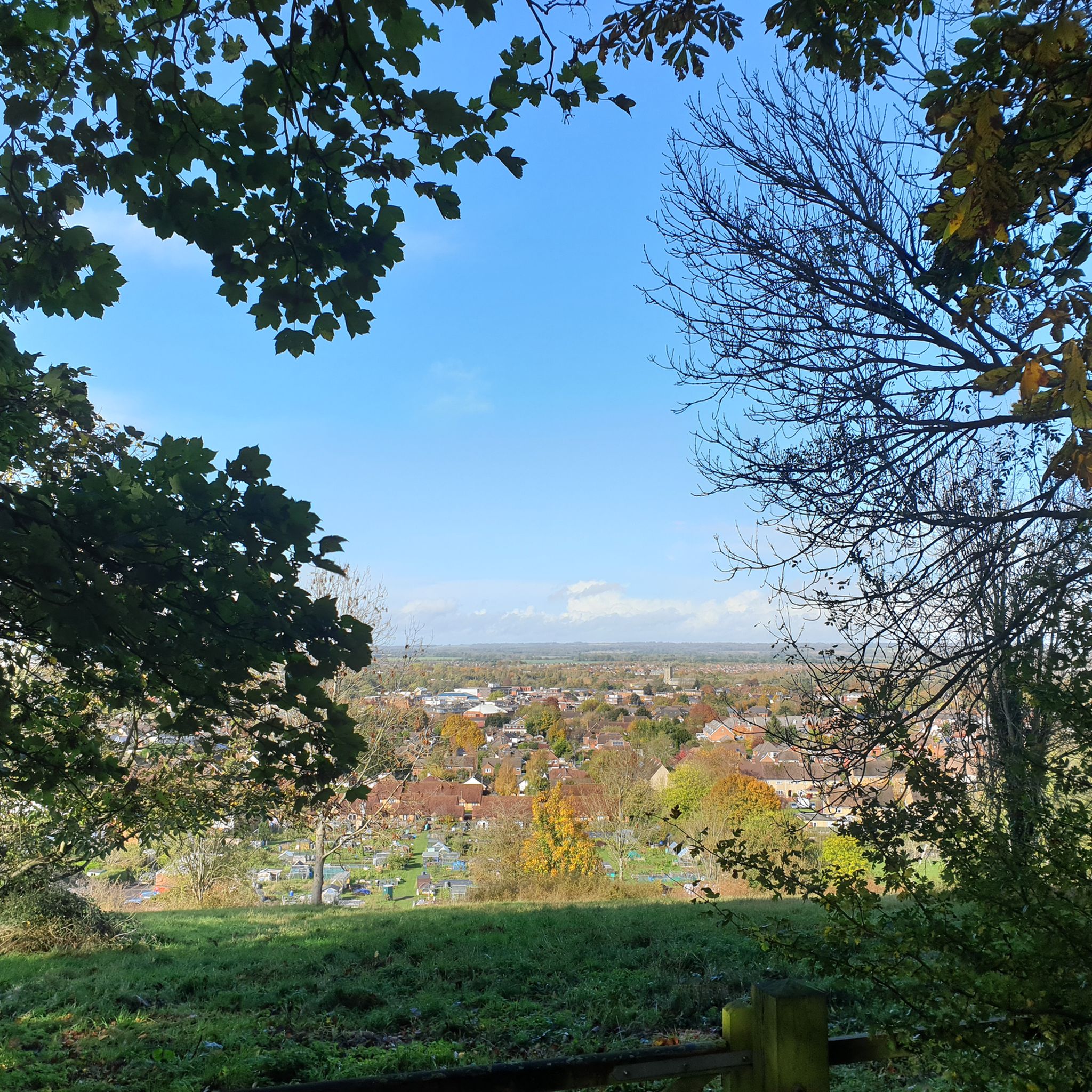
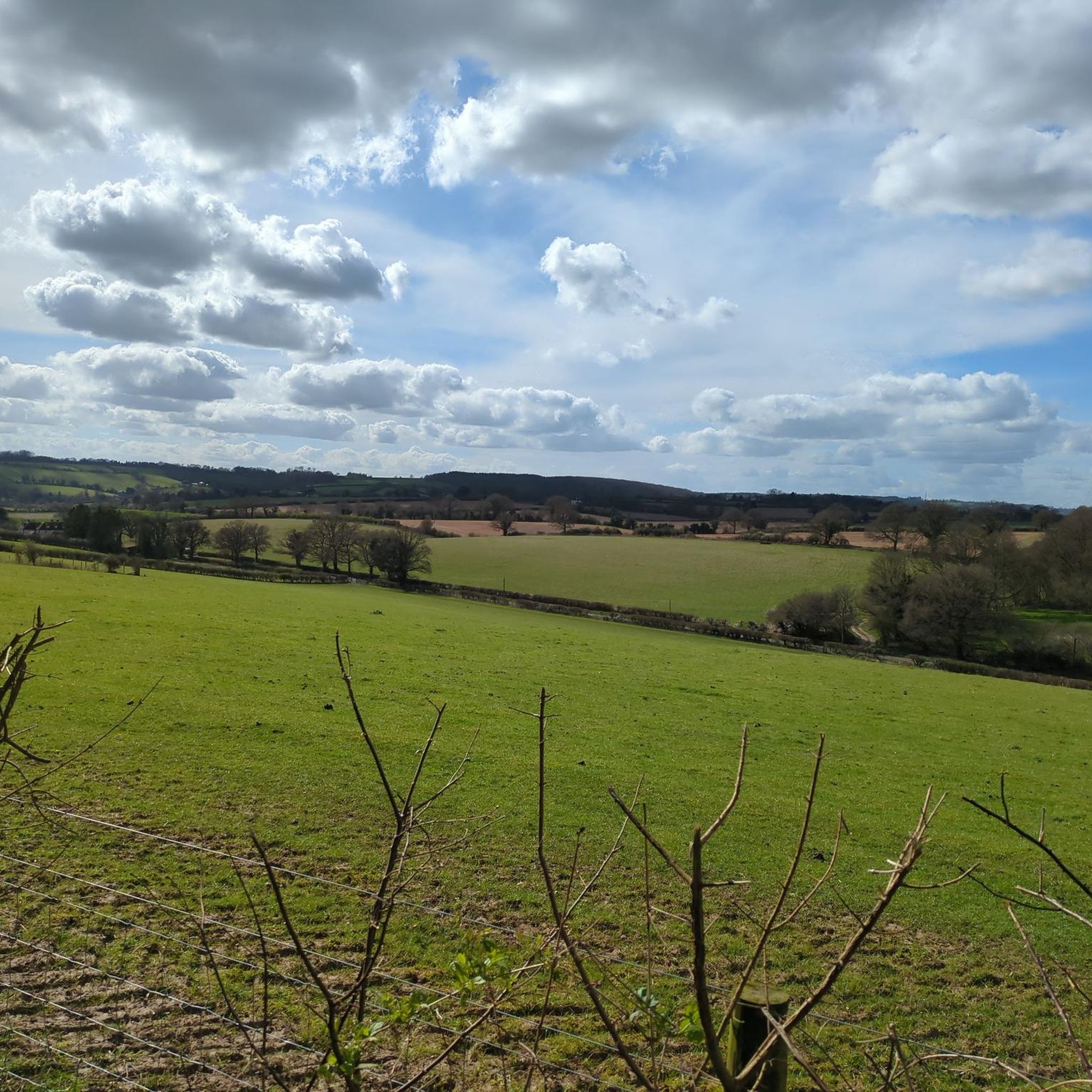
Think of Ladle Hill as the Iron Age’s greatest "Incomplete Project." Sitting right next to Watership Down, this hillfort is basically a 2,500-year-old construction site frozen in time. The ancient builders started digging their massive defensive ditches but just… stopped. Because it was never finished, you can clearly see the original "chalk heaps" and work pits, making it an archaeologist’s dream and a hiker's playground. It’s way quieter than its famous neighbors, offering 360-degree views and zero crowds. Perfect for a breezy picnic where you can contemplate why the Celts walked off the job!
0
0


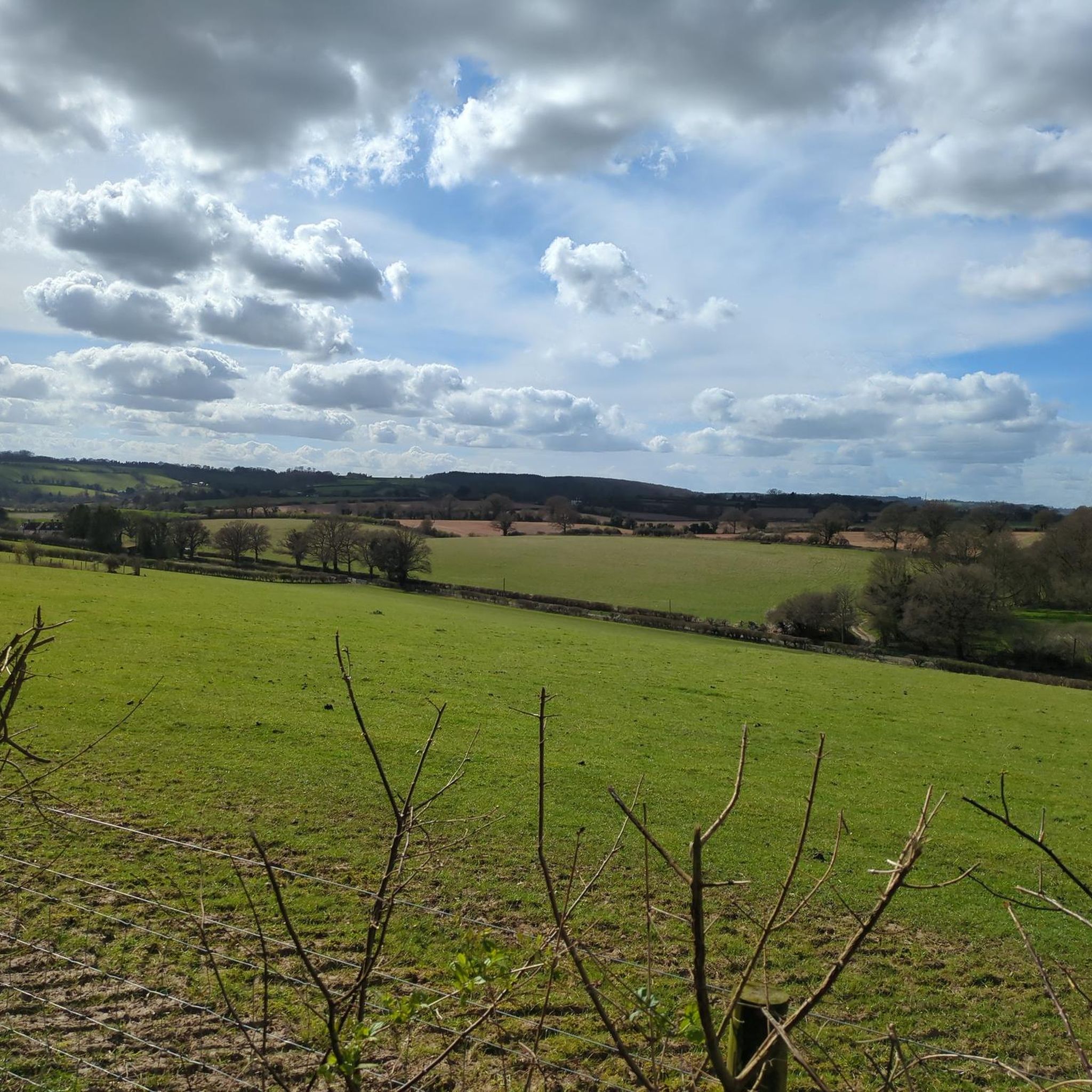
Dogs will love splashing around in the River Test that crosses the common on the Chilbolton side.
0
1
The hillfort on the top of the hill has never been excavated, but the land and ditch are sharply defined and well preserved. This Iron Age fort is roughly rectangular and enclosed seven acres within an embankment and ditch. There are two probable entrances to the east and west. The work seems to have been undertaken by several different labour forces, each working on a section of the defences, but for some reason the task was abandoned and the fort left unfinished. Great to walk along the unfinished ramparts, it's windy and flipping huge!!!
0
0
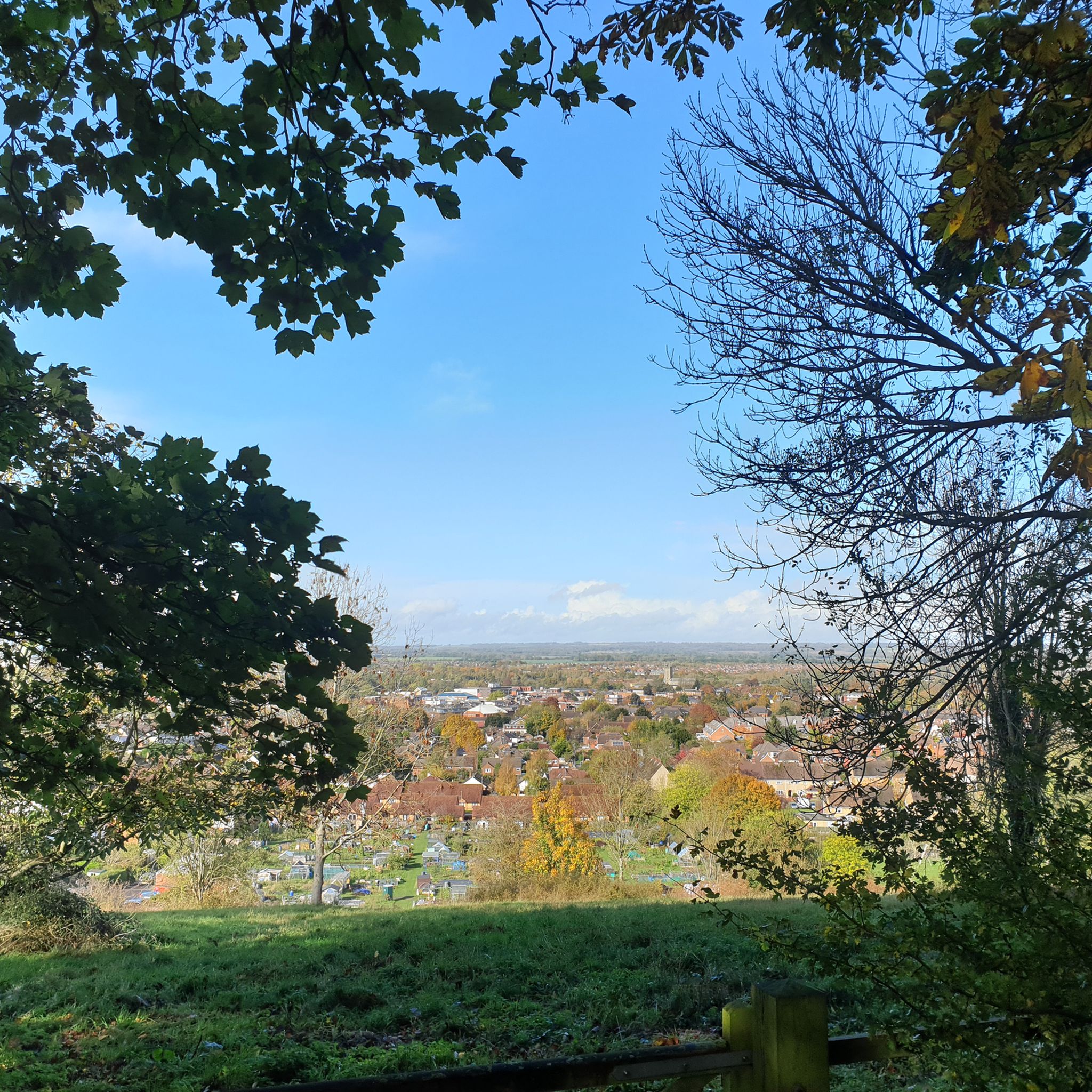
As a child the tale of Watership down haunted me, the movie traumatised me, to finally be able to visit where Richard Adams based it on was amazing. Such a beautiful area, I rewatched the film a day before coming. I'd not seen it since I was a child. Still a harrowing tale, but can see the genius and beauty of what was hidden in it.
0
0


This is a wonderful spot with a lovely display of seasonal wildflowers that bloom within the spring and summer months.
1
0

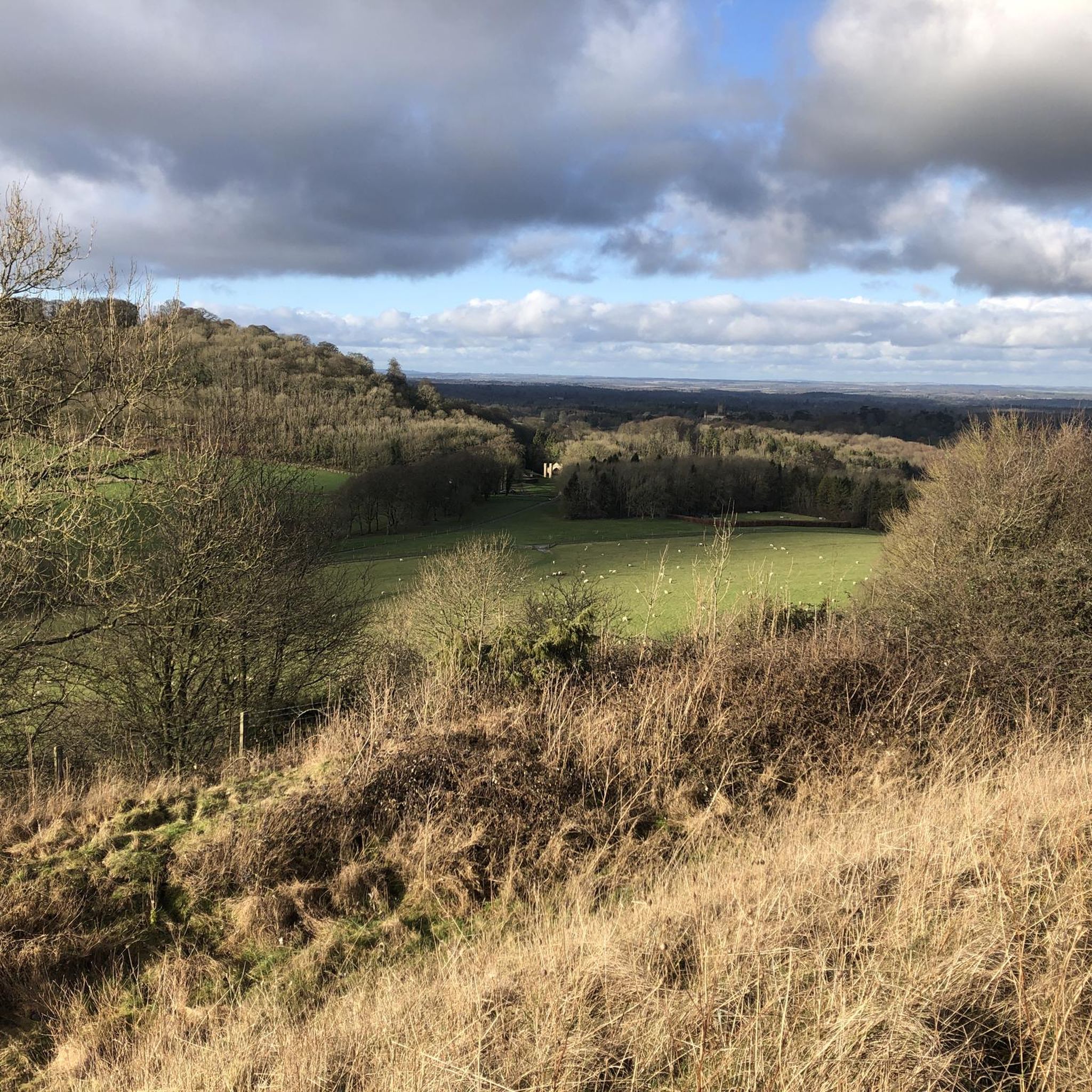
Step off the road and look in the bottom of the shallow depression. Here you will find this mysterious stone. Definitely worth a visit if only to learn about its history and folklore. Also the views from Chute Causeway are superb.
0
0
Frequently Asked Questions
What unique natural features can I explore around St. Mary Bourne?
St. Mary Bourne is characterized by its tranquil chalk streams, diverse wildlife, and scenic landscapes. You can explore the Bourne Rivulet and its traditional water meadows, which are home to varied wildlife. The area also features unique chalk and peat soils, particularly at Chilbolton Cow Common, supporting a wide array of flora.
Are there any natural monuments with historical significance in the area?
Yes, Ladle Hill Iron Age Hillfort is a significant natural monument with historical importance. It's a Scheduled Monument and a biological Site of Special Scientific Interest due to its rare calcareous grassland. The hillfort itself, though never fully excavated, features well-preserved ramparts and ditches, offering a glimpse into ancient history amidst stunning natural scenery.
Where can I find the best views of the Hampshire countryside near St. Mary Bourne?
For expansive vistas, consider visiting View from Plantation Hill, which offers wonderful views over the rolling Hampshire countryside. Another excellent spot is View from White Hill, providing beautiful views of Cannon Heath Down, the Gallops, and The Warren.
Are there family-friendly natural monuments to visit?
Absolutely. Chilbolton Cow Common is considered family-friendly, offering simple, pleasant walks where you can observe interesting flowers, including orchids, and various bird species. The Bourne Rivulet and its water meadows also provide serene walks suitable for families.
What kind of wildlife can I expect to see around St. Mary Bourne's natural monuments?
The area is rich in wildlife. Along the Bourne Rivulet and in the wooded areas south of the village lake, you can spot a variety of creatures. Chilbolton Cow Common is particularly known for birds like kingfishers, hawks, owls, buzzards, kestrels, egrets, and red kites. At White Hill, you might spot linnets, yellowhammers, skylarks, buzzards, and kestrels.
Are there hiking trails near these natural monuments?
Yes, there are numerous hiking opportunities. You can find several routes, such as the 'Hurstbourne Tarrant and Test Way Loop' or the 'Brenda Parker Way and St Mary Bourne Loop', that allow you to explore the natural beauty of the area. For more details on hiking trails, refer to the Hiking around St. Mary Bourne guide.
What cycling routes are available to explore the natural monuments?
St. Mary Bourne offers various cycling routes. For road cycling, options include the 'Hannington Viaduct – Watership Down Climb loop' or the 'Conholt Hill Climb loop'. If you prefer touring, consider the 'View of North Wessex Downs – View from Sandpits Down loop'. You can find more information in the Road Cycling Routes around St. Mary Bourne and Cycling around St. Mary Bourne guides.
What is Watership Down and what does it offer visitors?
Watership Down is known for its picturesque countryside and offers rewarding ascents through beautiful natural scenery. Upon reaching the top, visitors can explore the down itself and enjoy expansive, high-vantage views of the surrounding landscape.
What is the significance of <a href="https://www.komoot.com/highlight/2551564" target="_blank" rel="noopener">Chilbolton Cow Common</a>?
Chilbolton Cow Common is a Site of Special Scientific Interest (SSSI) due to its unique chalk and peat soils. Two divisions of the River Test flow through it, contributing to its rich biodiversity. It's particularly noted for supporting a variety of interesting flowers, including various species of orchids, making it an excellent spot for botanical exploration.
Can I bring my dog to the natural monuments in St. Mary Bourne?
Yes, many areas are dog-friendly. For instance, dogs will enjoy splashing around in the River Test that crosses Chilbolton Cow Common. Always ensure dogs are kept under control and follow local guidelines for nature reserves and protected areas.
What is the best time of year to visit the natural monuments for wildflowers?
The spring and summer months are ideal for experiencing the wildflowers. Ladle Hill Iron Age Hillfort, with its calcareous grassland, offers a lovely display of seasonal wildflowers during these times. Similarly, Chilbolton Cow Common is known for its interesting flowers, including orchids, which bloom in spring and summer.
What is the <a href="https://www.komoot.com/highlight/3167535" target="_blank" rel="noopener">Devil’s Waistcoat (Kenward Stone)</a>?
The Devil’s Waistcoat (Kenward Stone) is a mysterious stone located in a shallow depression near Chute Causeway. It's worth a visit to learn about its history and folklore, and the surrounding area also offers superb views.
Most popular routes around St. Mary Bourne
Most popular attractions around St. Mary Bourne

Get inspired with the komoot mobile app


Explore more
Extend your search for the best caves by checking out these guides of the top ones around St. Mary Bourne:
