Top 8 Natural Monuments around Mullyard
Best natural monuments around Mullyard include a diverse range of geological formations, ancient sites, and scenic landscapes. The region features significant megalithic structures, deep gorges, and impressive waterfalls. These natural attractions are often set within forests or mountainous terrain, showcasing the area's varied natural heritage. Mullyard's natural monuments provide opportunities to explore unique geological features and historical sites.
Best natural monuments around Mullyard
- The most popular natural monument is Giant's Grave & Giant's Cave, a historical and natural monument…
Last updated: June 29, 2026
Giant's Grave & Giant's Cave
Highlight • Historical Site
Translated by Google •
Tip by

Cavan Burren Park Megalithic Stones
Highlight • Historical Site
Tip by

Sign up now to discover places like this
Get recommendations on the best single tracks, peaks, & plenty of other exciting outdoor places.
Sign up for free
Marble Arch Caves
Highlight • Historical Site
Tip by

Cladagh Glen Waterfall
Highlight • Forest
Tip by

Cliff Edge of Cuilcagh Mountain
Highlight • Natural Monument
Tip by

Sign up for free to discover even more natural monuments around Mullyard.
Sign up for free
Already have an account?
Start today with a free account
Your next adventure awaits.
Login or Signup


Tips from the Community


Incredible Stone-Age park, with some technical trails. Massive mythological sacred stones worshipped over centuries, will follow you when adventuring into this unique geological and archaeological forest landscape.
0
0

Stunning limestone caves which you can explore on a guided tour. Well worth a visit. There are 150 steps down to the caves so if you are wearing cleats please be aware, or change into a pair of trainers before you descend down into the natural wonder. There is also a cafe on site. For further details please see https://marblearchcaves.co.uk/
0
0

Marble Arch caves are situated at the picturesque foothills of the Cuilcagh Mountain. They are the longest underground cave system in Northern Ireland (7.1 miles in total) and are said to be the most magnificent in Britain. The caves are regarded as a world-class natural attraction, they are situated in the Cuilcagh Lakelands which is the world's first UNESCO Global Geopark. The caves are only explorable by guided tours which run daily between 10am - 5pm. To secure a spot, visit https://marblearchcaves.co.uk/online-booking-guided-cave-tour/
2
0

Clodagh Glen has a steep sided gorge that is lined by ancient ash trees that cling to the steep sides. The water sculpted river valley has a spectacular arch over the river which formed when the cave roof collapsed. The reserve is known for its limestone gorge, mystical caves and beautiful waterfalls. In the springtime the valley floor is carpeted by bluebells, wood anemones and wild garlic and in the summer silver-washed fritillaries are found besides the path. With a keen eye you may also spot an elusive pint martin and red squirrels!
1
0
The Cuilcagh Mountain Park covers 6,000 acres on the north slopes of the Cuilcagh Mountain. The park was founded in 1998 and works to conserve the bogland and restore damaged peatland. At 665m the mountain is one of the highest points in Ireland. The Limestone rock was formed over 300 million years ago by ocean calcifying organisms when Ireland was covered by shallow tropical sea. With an interesting and varied flora and fauna alongside historic ancient ruins, there is plenty to explore in the park.
1
0


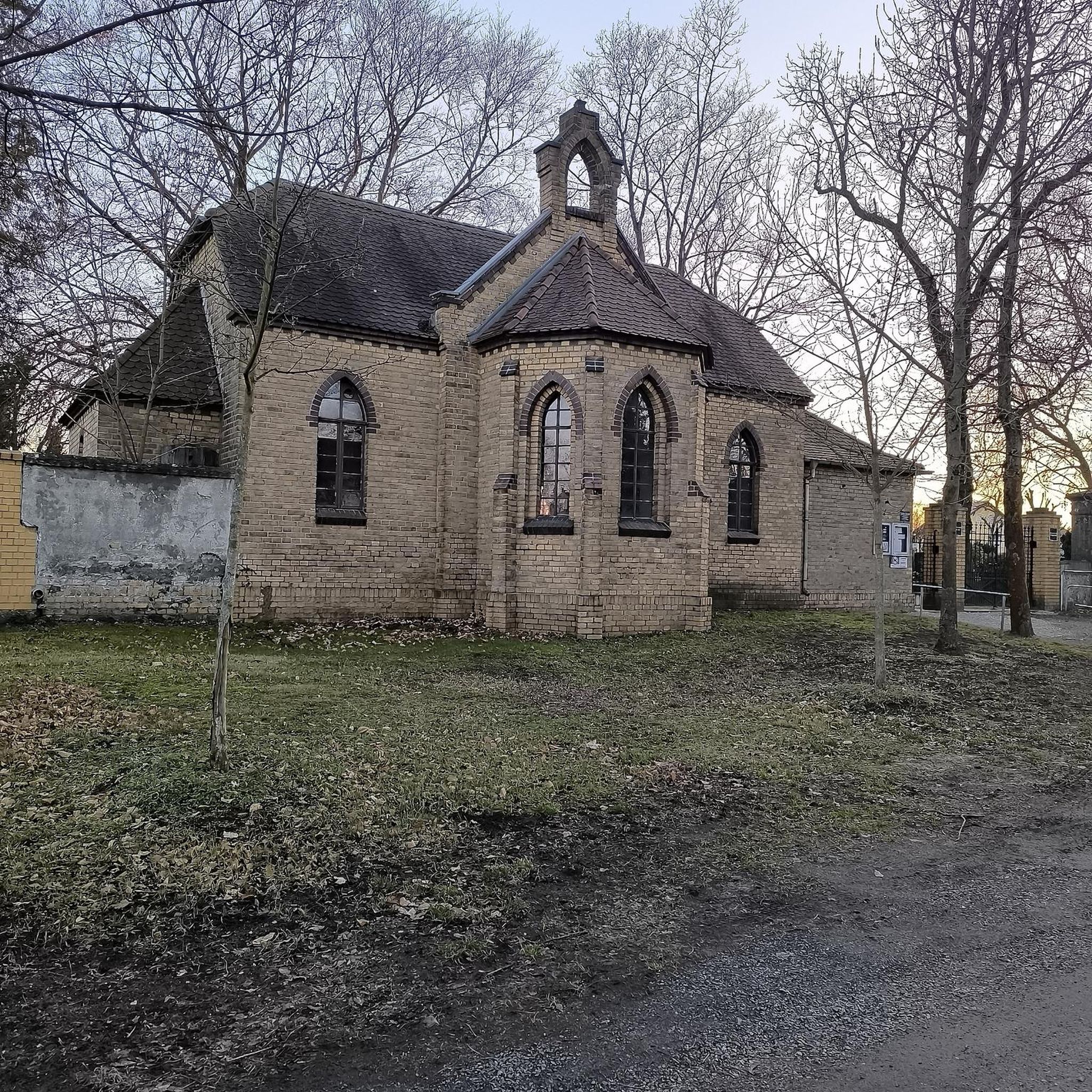
Many of Ireland’s megalithic monuments—portal tombs, court cairns, or wedge tombs such as this one—are known locally as “the giant’s grave.” But this one, on a hilltop in Co. Cavan’s Burren Forest Park, has a giant story to go along with its name. According to Harold Johnson, from the nearby town of Blacklion, the giant, attempting to impress a lady, failed in his final attempt to jump the nearby chasm, which is, of course, called “The Giant’s Leap.” Harold Johnson relates this story in some detail, while seated on the Giant’s Grave, in the video, below right. Mr. Johnson also was our guide, and provided the narration, for our feature on the Killinagh Cursing Stones, located on the opposite side of the town of Blacklion. (https://voicesfromthedawn.com/burren-giants-grave/)
4
0
Frequently Asked Questions
What are the most popular natural monuments around Mullyard?
The Mullyard area is home to several highly regarded natural monuments. Visitors particularly enjoy Giant's Grave & Giant's Cave, known for its megalithic tombs and Irish legends. Another favorite is Cavan Burren Park Megalithic Stones, an ancient park with significant mythological stones set within a unique geological and archaeological forest landscape.
Are there natural monuments with waterfalls in the Mullyard area?
Yes, the Mullyard area features impressive waterfalls. Cladagh Glen Waterfall is a notable natural monument located within a steep-sided gorge lined by ancient ash trees, known for its limestone gorge, mystical caves, and beautiful waterfalls. You can also find a tumbling waterfall feeding into Pollnagollum Cave and Waterfall.
What kind of geological features can I explore around Mullyard?
Mullyard offers a variety of geological features. You can explore ancient limestone formations at Cladagh Glen Waterfall, which features a limestone gorge and mystical caves. The Cliff Edge of Cuilcagh Mountain is composed of limestone rock formed over 300 million years ago from ancient sea creatures. Cavan Burren Park Megalithic Stones also presents a unique geological landscape.
Are there historical or archaeological sites among the natural monuments?
Absolutely. The Mullyard area is rich in historical and archaeological significance. Giant's Grave & Giant's Cave features megalithic tombs associated with Irish legends. Cavan Burren Park Megalithic Stones is an ancient park with massive mythological sacred stones. Additionally, the Cliff Edge of Cuilcagh Mountain area contains historic ruins dating back to the 19th century.
What outdoor activities can I do near these natural monuments?
The Mullyard region offers diverse outdoor activities. You can find numerous routes for gravel biking, running, and cycling. For example, there are gravel biking routes like the 'Aghanaglack Prehistoric Tomb – View of Lough Nabrickboy loop' and running trails such as the 'Cuilcagh Mountain Park running loop'. Cycling enthusiasts can explore routes like the 'Kingfisher Cycle Trail - Northern Loop'. You can find more details on these activities in the Mullyard guides for gravel biking, running, and cycling.
Are there hiking trails near the natural monuments in Mullyard?
Yes, many natural monuments in Mullyard are accessible via trails. Cavan Burren Park Megalithic Stones offers technical trails within its unique landscape. The Cliff Edge of Cuilcagh Mountain also has a network of trails for exploration. For specific running routes, including those around Cuilcagh Mountain Park, you can check the Running Trails around Mullyard guide.
What can I expect to see in terms of flora and fauna?
The natural monuments around Mullyard boast diverse flora and fauna. At Cladagh Glen Waterfall, the valley floor is carpeted with bluebells, wood anemones, and wild garlic in spring, and you might spot silver-washed fritillaries, pint martins, and red squirrels. The Cliff Edge of Cuilcagh Mountain also features varied flora and fauna within its bogland habitats.
Are there any viewpoints offering panoramic scenery?
Yes, the region offers stunning panoramic views. The Cliff Edge of Cuilcagh Mountain provides far-reaching views from one of Ireland's highest points. Additionally, the nearby Binevenagh Mountain, though not in Mullyard itself, offers magnificent views from its summit over Magilligan to Donegal, and the Manannán Mac Lir Statue viewpoint provides breathtaking views across the countryside and toward the channel.
What do visitors enjoy most about the natural monuments in Mullyard?
Visitors to Mullyard's natural monuments particularly enjoy the blend of natural beauty and historical intrigue. They appreciate the unique geological formations, the ancient megalithic sites, and the serene beauty of places like Cladagh Glen Waterfall with its mystical caves and seasonal flora. The rich legends associated with sites like Giant's Grave & Giant's Cave also add to the appeal.
Are there any caves to explore in the Mullyard area?
Yes, the Mullyard area is known for its caves. Cladagh Glen Waterfall is part of a nature reserve known for its mystical caves. You can also visit Pollnagollum Cave and Waterfall, which is part of a complex cave system fed by a tumbling waterfall.
What is the best time to visit the natural monuments around Mullyard?
The best time to visit depends on your interests. For vibrant flora, spring is ideal, as Cladagh Glen Waterfall's valley floor is carpeted with bluebells, wood anemones, and wild garlic. Autumn brings magical colors to the ancient ash woods. Generally, warmer, drier months are preferable for exploring trails and enjoying the views, but the natural beauty can be appreciated year-round.
Is the Cuilcagh Mountain area focused on conservation?
Yes, the Cliff Edge of Cuilcagh Mountain is part of the Cuilcagh Mountain Park, which spans 6,170 acres. Founded in 1998, the park actively works to conserve bogland habitats and restore damaged peatland, making it an important site for environmental preservation.
Most popular attractions around Mullyard

Get inspired with the komoot mobile app


Explore more
Extend your search for the best caves by checking out these guides of the top ones around Mullyard:
