Top 5 Natural Monuments around Tidmarsh
Best natural monuments around Tidmarsh encompass a variety of natural and historical sites, offering diverse landscapes for exploration. The area features significant natural landmarks, from ancient trees to scenic viewpoints overlooking river valleys. Visitors can discover restored natural areas and unique geological formations. These sites provide opportunities to experience the region's natural beauty and historical significance.
Best natural monuments around Tidmarsh
- The most popular natural monuments is Hartslock Nature Reserve, a viewpoint that offers views over the River Thames…
Last updated: June 29, 2026
Hartslock Nature Reserve
Highlight • Viewpoint
Tip by

Sedgehill Spring with Elephant Relief
Highlight • Monument
Tip by

Sign up now to discover places like this
Get recommendations on the best single tracks, peaks, & plenty of other exciting outdoor places.
Sign up for free
Bluebell Woods at Kingswood Common
Highlight (Segment) • Forest
Tip by
Aldworth Ancient Yew Tree
Highlight • Religious Site
The Yew tree in the churchyard is at least 1000 years old and though it has been struck by lightning and blown over in a storm it is still partly alive.
Tip by

View of the Thames Valley from Lough Down
Highlight • Natural Monument
Tip by

Start today with a free account
Your next adventure awaits.
Login or Signup

Tips from the Community

Historical landmark. The Yew tree in the churchyard is at least 1000 years old and though it has been struck by lightning and blown over in a storm it is still partly alive.
0
0

A forest experience "extraordinaire"! In spring and summer months, the amount of bluebells here is slightly shocking, and of course, you get the proud beech trees all around you. A beautiful forest, whichever season you come here. Between Rotherfield Peppard and Stoke Row, there are a number of different little forests and plantations that make up the larger Kingswood Common - enjoy! You are in for a treat!
1
0
This is a natural spring on the side of the Shiplake Hill here. This structure features a stone carving of an elephant. It was built by the Knollys family, who bought the Blount's Court estate in 1841. Why an elephant? - I've not been able to find out, apparently, it's a bit of a mystery!
1
0


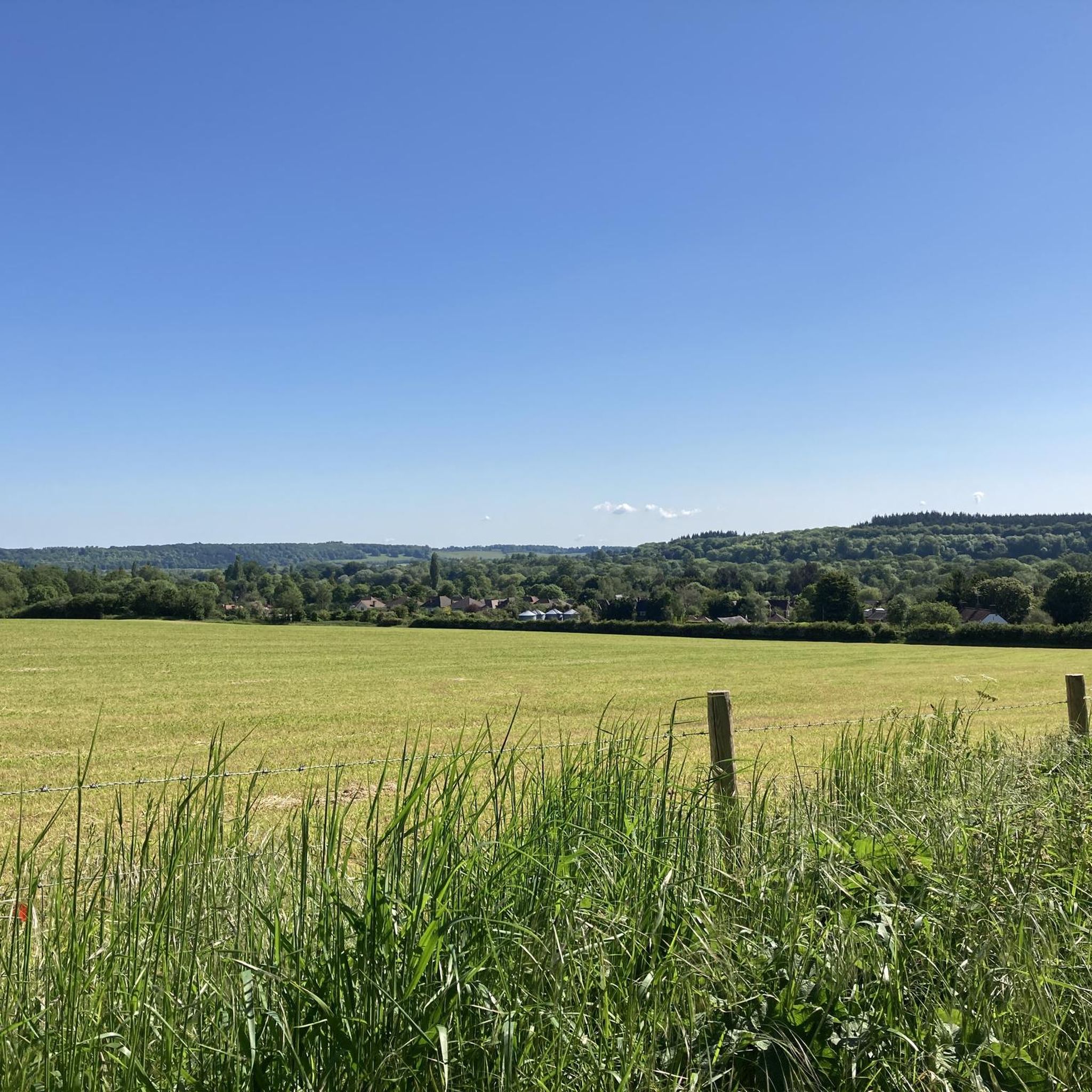
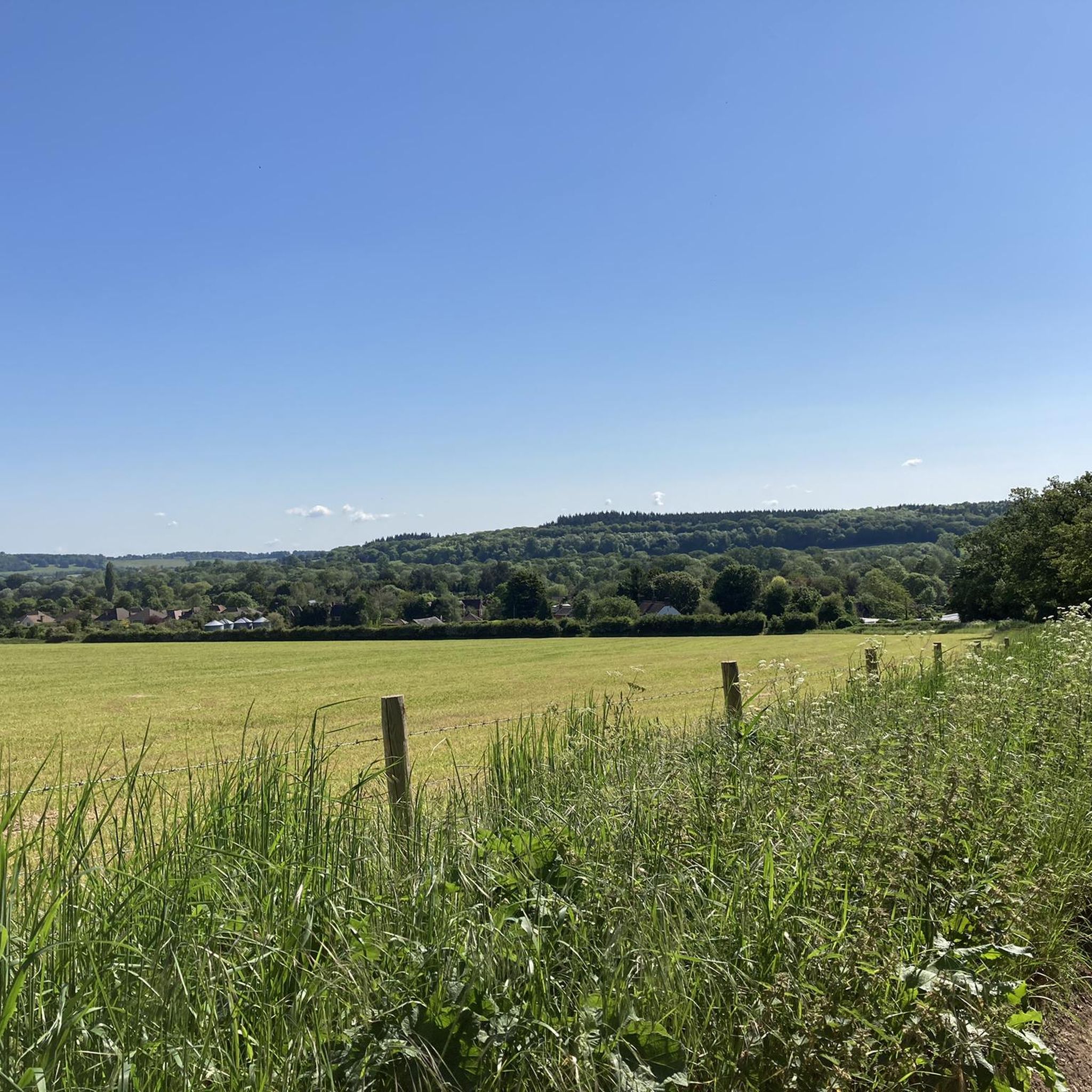
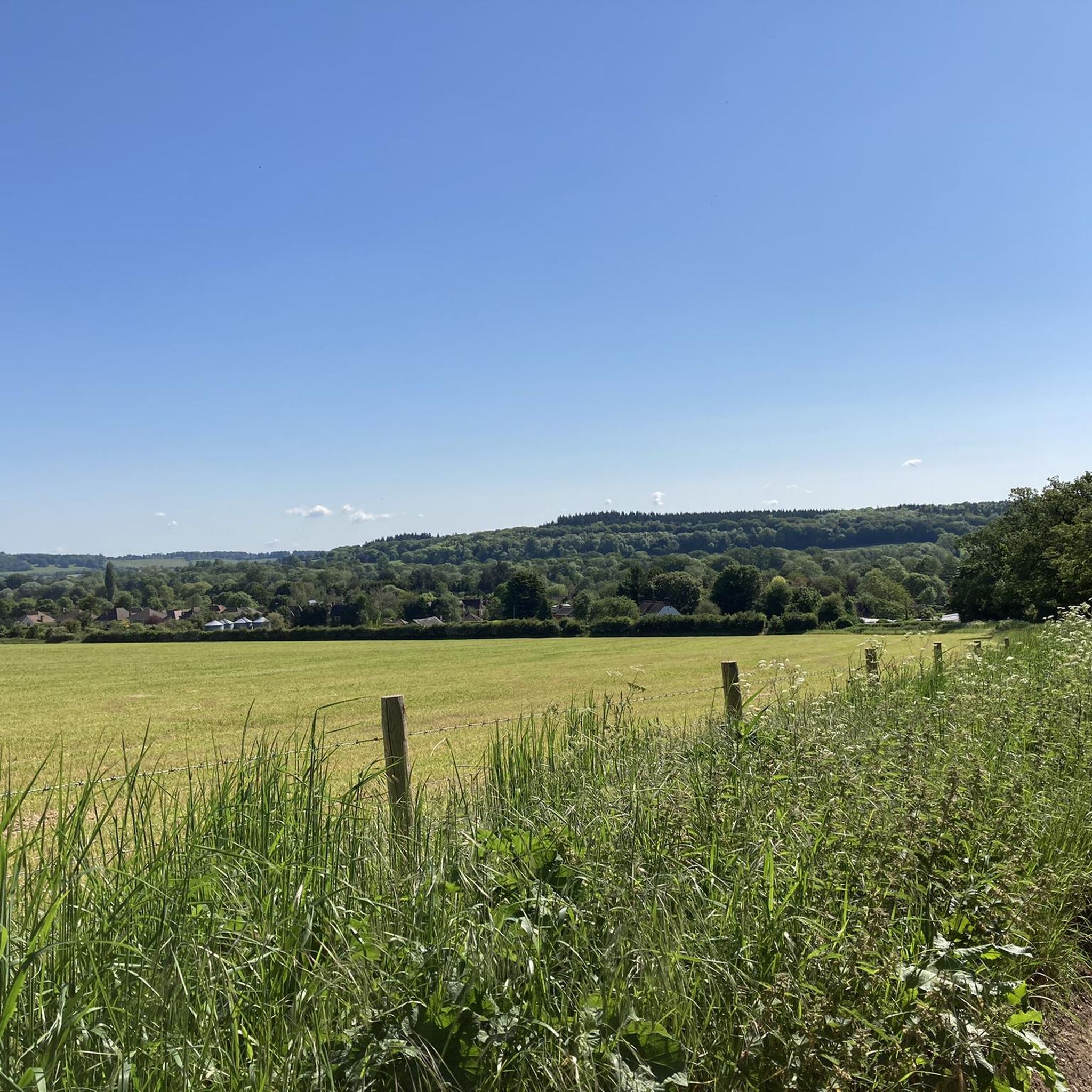
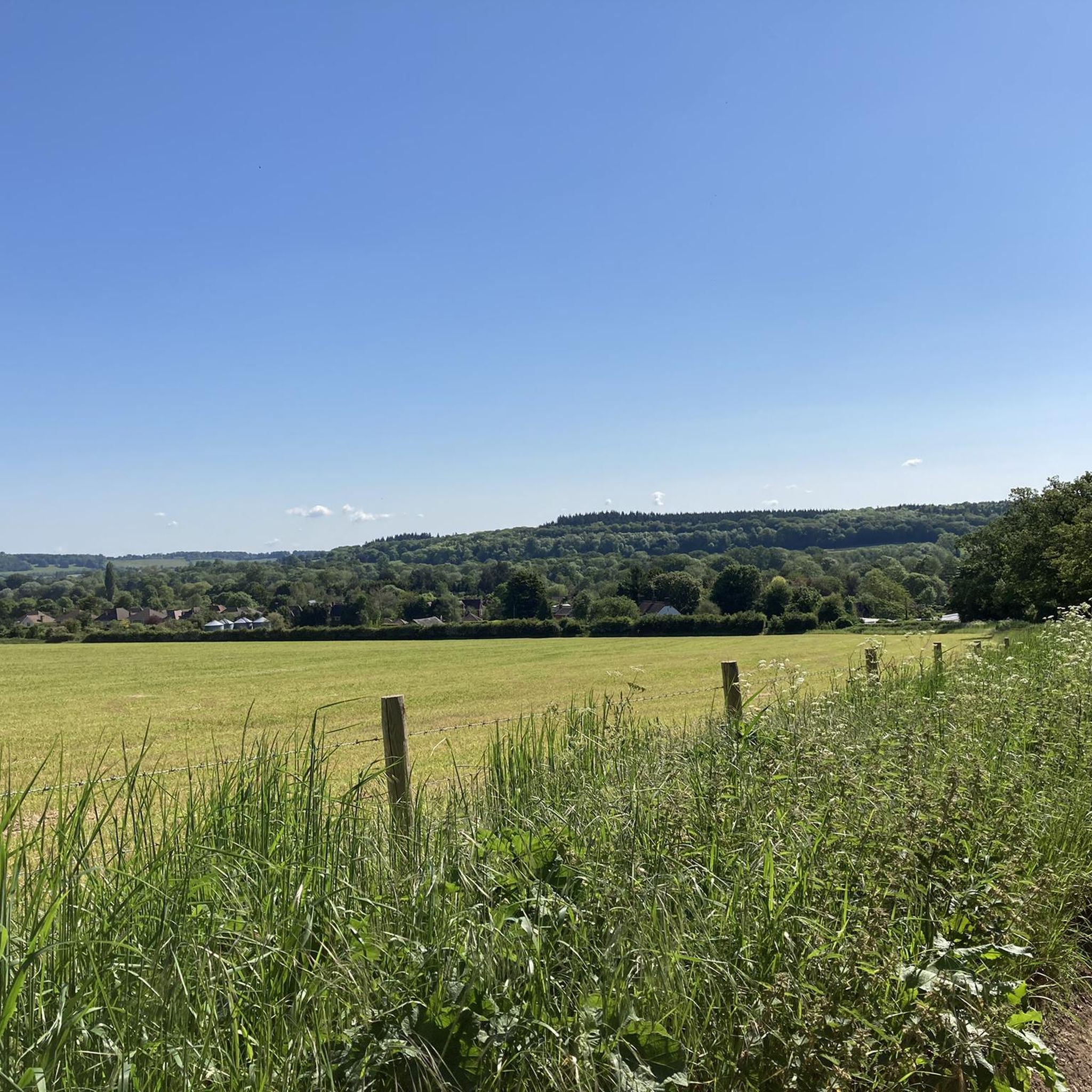
Steep down, with well trodden paths over grass. Greet views of the Thames Valley over Streatley and Goring - probably even better after sunrise!
0
0

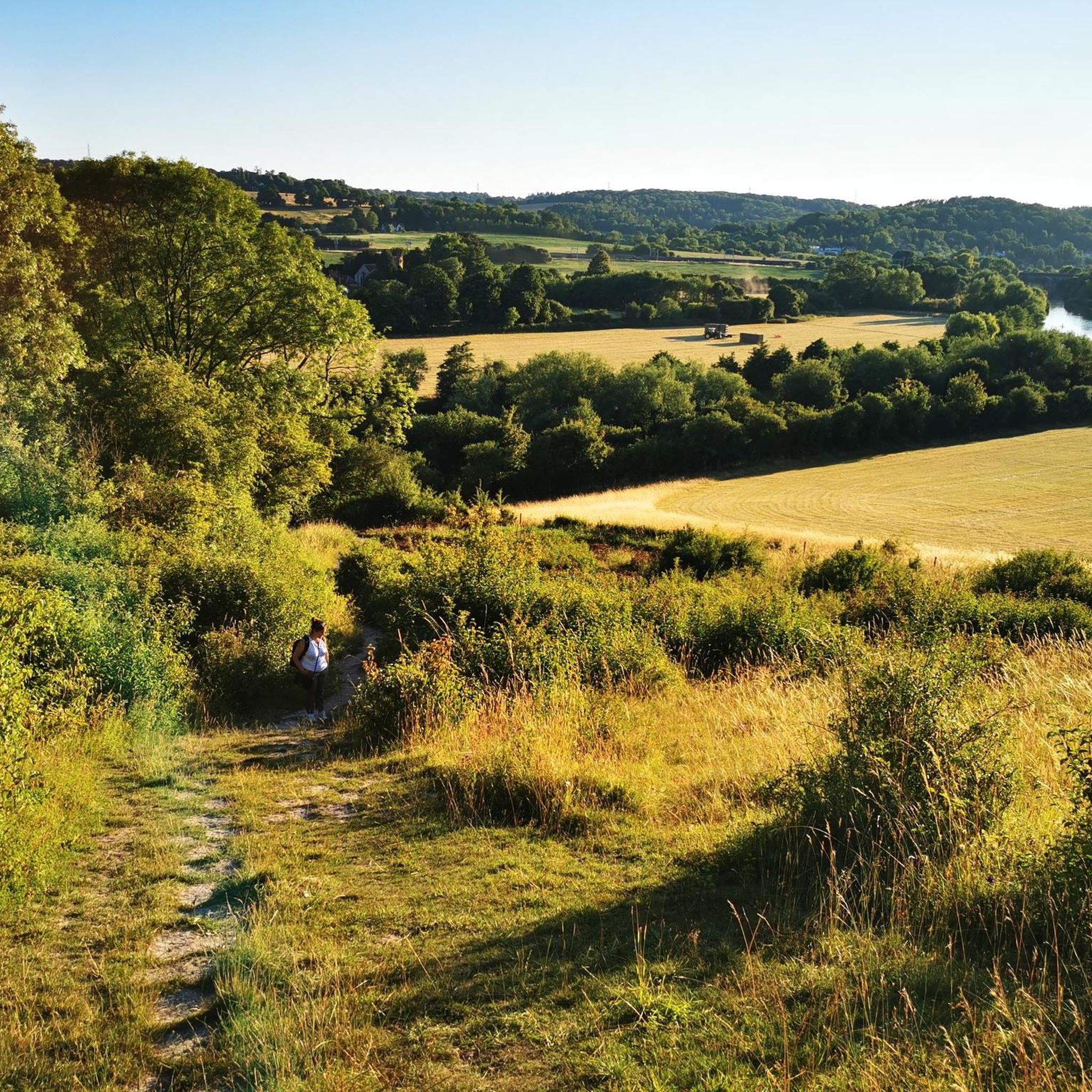
Hartslock Nature Reserve is a beautiful, south facing chalk downland hill, which affords breathtaking views over the River Thames and Goring Gap. The grassland, which is surrounded by ancient hedgerows and woodland, is home to myriad species of plants and animals, some of which are extremely rare. As such, it has been designated a Site of Special Scientific Interest.
3
0
Frequently Asked Questions
What kind of natural monuments can I explore around Tidmarsh?
The Tidmarsh area offers a diverse range of natural monuments, from significant ecological restoration sites to ancient trees and scenic viewpoints. You can discover places like the Hartslock Nature Reserve, known for its chalk downland and views over the River Thames, or the historic Aldworth Ancient Yew Tree, which is over 1000 years old.
Are there any natural monuments suitable for families with children?
Yes, several natural monuments around Tidmarsh are family-friendly. For instance, the Bluebell Woods at Kingswood Common offers a beautiful forest experience, especially in spring and summer when the bluebells are in bloom, providing a lovely setting for a family walk.
Where can I find the best viewpoints of the landscape near Tidmarsh?
For breathtaking views, consider visiting Hartslock Nature Reserve, which provides spectacular vistas over the River Thames and Goring Gap. Another excellent spot is the View of the Thames Valley from Lough Down, offering great panoramic views over Streatley and Goring.
What unique historical or man-made natural monuments are there?
A truly unique spot is the Sedgehill Spring with Elephant Relief. This natural spring on Shiplake Hill features a mysterious stone carving of an elephant, a historical curiosity built by the Knollys family in the 19th century.
What kind of wildlife can I expect to see in the natural areas around Tidmarsh?
The Tidmarsh area, particularly the Tidmarsh Wildlife Sanctuary, is a haven for wildlife due to extensive ecological restoration. You might spot river herring and muskrat in Beaver Dam Brook. Birdwatchers can look for common species like red-shouldered hawks and northern harriers, as well as rarer visitors such as king rails, blue grosbeaks, and Caspian terns. Migrating ducks are also visible in fall and spring, and muskrats and dragonflies in summer.
Are there opportunities for hiking or walking near these natural monuments?
Absolutely. The Tidmarsh Wildlife Sanctuary itself offers approximately 4.5 miles of trails, including the Ridge Trail with overlook views and the Volunteers' Trail along restored wetlands. For more structured routes, you can explore various Running Trails around Tidmarsh, which often pass through natural areas and offer different difficulty levels.
Can I go cycling near the natural monuments in Tidmarsh?
Yes, the region provides excellent cycling opportunities. You can find numerous routes for different cycling styles. For road cycling, check out the Road Cycling Routes around Tidmarsh, or if you prefer off-road adventures, there are several Gravel biking around Tidmarsh options that take you through scenic natural landscapes.
What makes the Tidmarsh Wildlife Sanctuary ecologically significant?
The Tidmarsh Wildlife Sanctuary is renowned as the largest freshwater ecological restoration ever completed in the Northeast United States. Once a cranberry farm, it underwent a massive transformation involving the removal of nine dams and the restoration of wetlands and Beaver Dam Brook. This effort has reconnected the ecosystem to its natural state, attracting a wide variety of species and serving as a living laboratory for climate change resilience.
What is the best time of year to visit the natural monuments around Tidmarsh?
The best time to visit depends on your interests. Spring offers vibrant displays of bluebells in places like Kingswood Common and the return of migrating birds. Summer is ideal for observing muskrats and dragonflies, and enjoying the full greenery. Fall brings beautiful foliage, and migrating ducks can be seen. The trails at Tidmarsh Wildlife Sanctuary are open daily from dawn to dusk year-round, offering different experiences with each season.
Are there any specific trails within the Tidmarsh Wildlife Sanctuary that are recommended?
The Tidmarsh Wildlife Sanctuary offers several trails. The Ridge Trail provides spectacular views from an overlook. The Farm Road Ramble offers excellent views of the wetlands and crosses Beaver Dam Brook. For a closer look at the wetland restoration, the Madar Loop is a good choice, and the Volunteers' Trail takes you along the newly restored wetlands and stream to the farthest reaches of the sanctuary.
Is there an entrance fee for the Tidmarsh Wildlife Sanctuary?
No, admission to the Tidmarsh Wildlife Sanctuary is free. It is open daily from dawn to dusk, allowing visitors to explore its diverse habitats and restored natural beauty without charge.
Most popular attractions around Tidmarsh

Get inspired with the komoot mobile app


Explore more
Extend your search for the best caves by checking out these guides of the top ones around Tidmarsh:
