Top 11 Natural Monuments around Potsgrove
Best natural monuments around Potsgrove are found within a landscape shaped by ancient geological processes, including the Woburn Sands Formation and glacial till. The village's elevated position offers views of the surrounding countryside. Proximity to the Bedfordshire Greensand Ridge and King's Wood National Nature Reserve provides diverse natural features. These areas offer opportunities to explore woodlands, historical sites, and unique geological formations.
Best natural monuments around Potsgrove
- The most popular natural monuments is Five Knolls Barrow Cemetery, a historical…
Last updated: June 29, 2026
Five Knolls Barrow Cemetery
Highlight • Historical Site
Tip by

Sundon Hills
Highlight • Natural Monument
Tip by

Sign up now to discover places like this
Get recommendations on the best single tracks, peaks, & plenty of other exciting outdoor places.
Sign up for free
Medieval Rabbit Warrens, Chilterns National Landscape
Highlight • Historical Site
Tip by
Soulbury Boot
Highlight • Natural Monument
Tip by

Cooper's Hill War Memorial
Highlight • Monument
The reserve features rare and endangered open heath, patches of gorse and broom and …
Tip by

Sign up for free to discover even more natural monuments around Potsgrove.
Sign up for free
Already have an account?
Start today with a free account
Your next adventure awaits.
Login or Signup

Tips from the Community

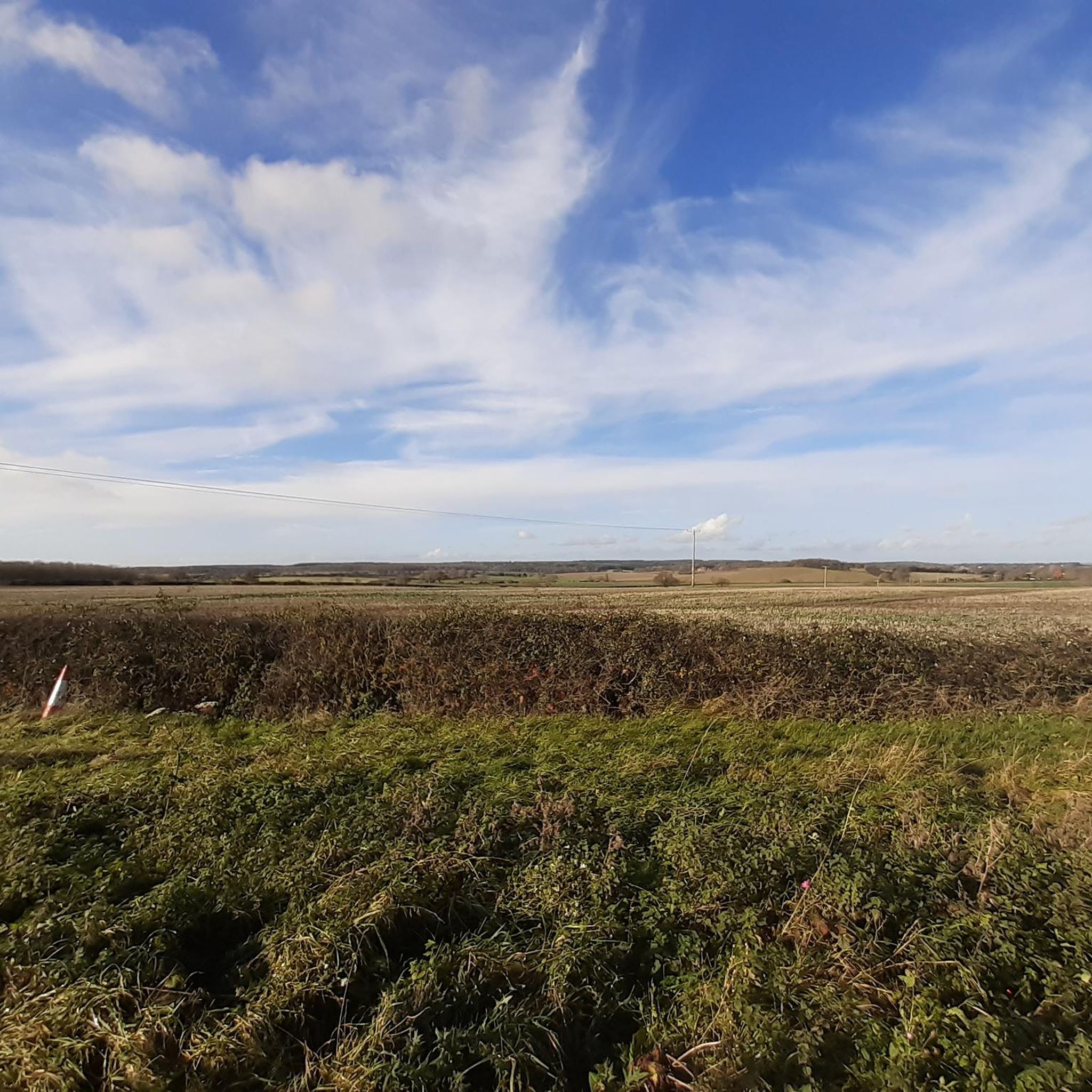
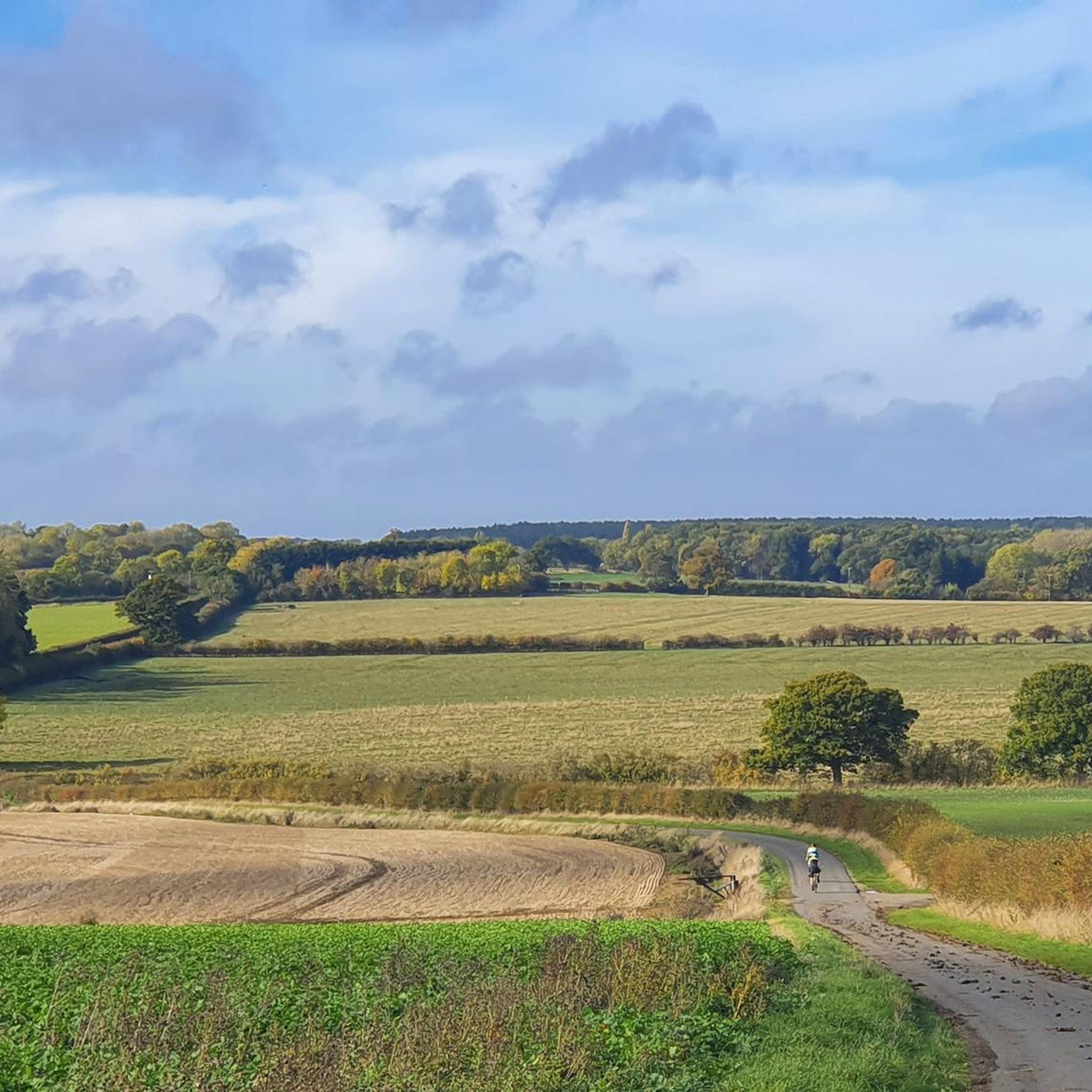
Cooper's Hill is a biological Site of Special Scientific Interest located near Ampthill in Central Bedfordshire. The reserve features rare and endangered open heath, patches of gorse and broom and isolated trees, and pockets of pretty woodland. It's a wonderful place for a stroll or sit-down on a sunny afternoon.
3
0


Easy to miss it, have been cycling past for years. Needed komoot to point it out
0
0

This rock is a glacial erratic. It travelled all the way from Derbyshire in a glacier, at the end of the Ice Age. Oliver Cromwell used it as a podium during an attack on the local church during the English Civil War. Locals say it's the petrified foot of the devil that someone cut it off with a sword. They call it the Solbury Boot. It sits right in the middle of the road.
0
0

At Dunstable Downs there is a group of seven round barrows, consisting of two bowl barrows, three bell barrows, and two pond barrows. It is thought that they were initially used as burial grounds for Kings or Chiefs, although excavations of two of the bell barrows in August 1850 revealed no treasure to support this. Excavation history When the northern-most barrow was excavated in 1928 by Sir Mortimer Wheeler, a crouched female skeleton with a late Neolithic knife at her shoulder was found. This was later put on display at Luton Museum and Art Gallery. Other excavations throughout the 1920s revealed over 90 skeletons from various periods. For instance, in Saxon times about 30 bodies were buried there with their hands apparently still tied behind their backs. Gallows were set up on the northernmost barrow in medieval times and some of the people hanged there were also buried there. Witch lore has also been connected with the barrows, as in the trial of Elizabeth Pratt of Dunstable in 1667. She was arrested whilst meeting with three other women, plotting to bewitch the children of Thomas Heyward.
2
0

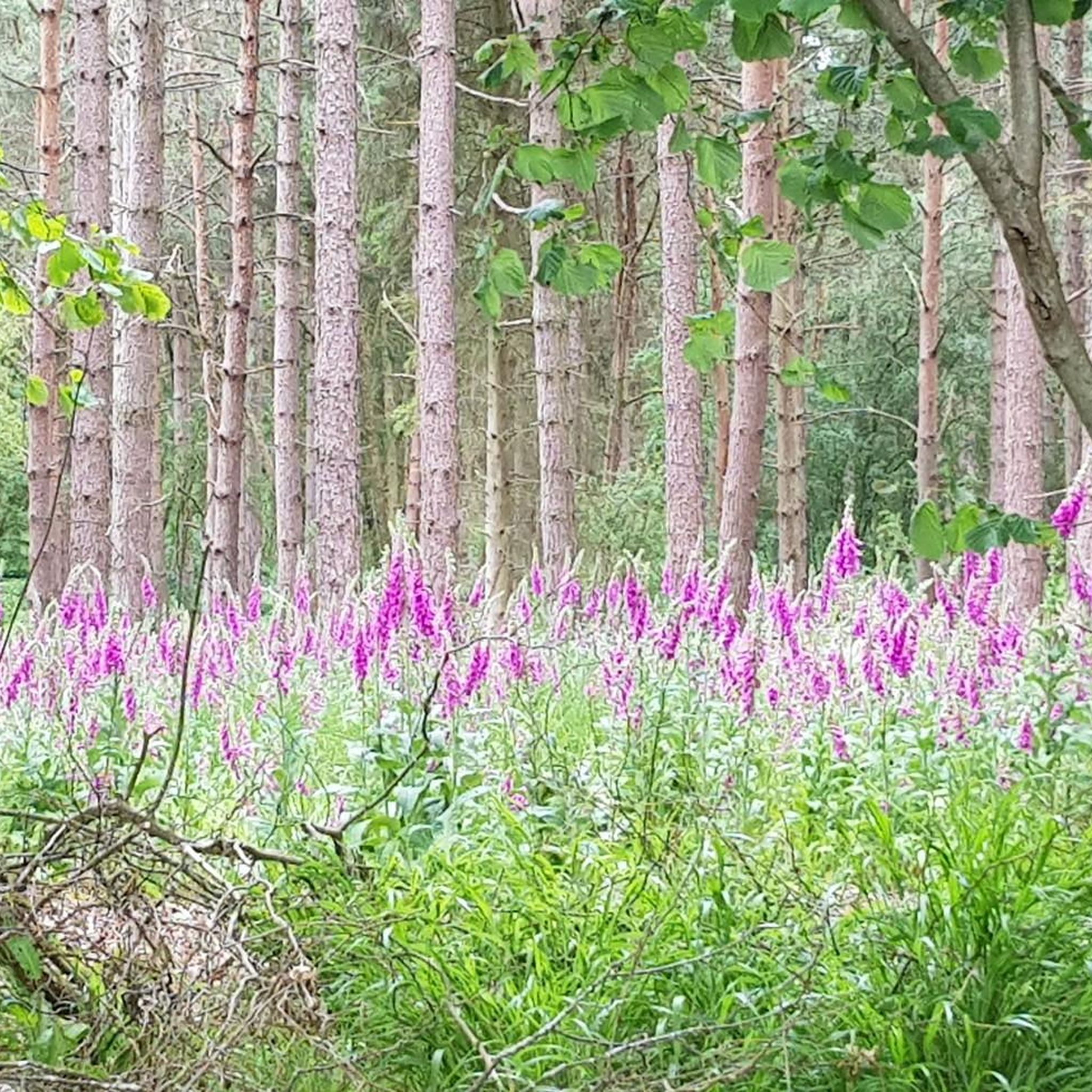
The Smithcombe, Sharpenhoe and Sundon Hills cover 86 hectares in Bedfordshire. With thick forests, gentle slopes and wildflowers, the area is a lovely place to cycle, hike and enjoy a picnic. The hills make up part of the Chilterns Area of Outstanding Natural Beauty and are considered a Site of Special Scientific Interest. Here, you will find plenty of interesting plants and wildlife. As the hills are made mostly of unimproved chalk grassland, there are lots of rare species. Look out for rabbits too!
1
0

The Five Knolls are prehistoric burial mounds or barrows. There are two pond barrows, which are circular flat areas surrounded by raised banks. The mounds are believed to be from the later Neolithic and early Bronze Age period, around 4,000 years ago. Excavations have found the remains of a middle-aged woman buried with a polished flint knife, as well as Bronze Age cremated remains in an urn. It is also believed that during the 5th and 6th centuries gallows were placed at this spot for Saxon invaders as a warning to others. https://www.nationaltrust.org.uk/dunstable-downs-and-whipsnade-estate/trails/walk-in-the-steps-of-history-giants.
2
0
Frequently Asked Questions
What makes the natural monuments around Potsgrove unique?
The natural monuments in the Potsgrove area are shaped by ancient geological processes, including the Woburn Sands Formation and glacial deposits. You'll find a blend of historical sites with natural elements, such as prehistoric burial mounds and medieval land formations, alongside protected natural areas like the Bedfordshire Greensand Ridge and King's Wood National Nature Reserve, offering diverse woodlands and unique ecosystems.
Are there any popular natural monuments to visit near Potsgrove?
Yes, several natural monuments are highly appreciated by visitors. One popular spot is Five Knolls Barrow Cemetery, a historical site featuring prehistoric burial mounds. Another is Sundon Hills, known for its unimproved chalk grassland and rare species within the Chilterns Area of Outstanding Natural Beauty.
Are there family-friendly natural monuments around Potsgrove?
Absolutely. Sundon Hills is considered family-friendly, offering thick forests, gentle slopes, and wildflowers, perfect for a picnic or a stroll. Cooper's Hill War Memorial, located within a biological Site of Special Scientific Interest, also provides a lovely setting for families to enjoy open heath and woodland.
What kind of historical natural monuments can I explore?
Potsgrove offers several natural monuments with significant historical context. The Five Knolls Barrow Cemetery features prehistoric burial mounds dating back 4,000 years. You can also visit the Medieval Rabbit Warrens, Chilterns National Landscape, which are mounds reflecting historical land use for rabbit farming after the Norman Conquest. Additionally, the Soulbury Boot is a glacial erratic with local legends and historical ties to the English Civil War.
Are there opportunities for hiking or walking near Potsgrove's natural monuments?
Yes, the region offers various walking opportunities. King's Wood National Nature Reserve, near Potsgrove, features several types of woodland and good examples of wood banks, ideal for nature walks. While cycling is not permitted in King's Wood, dogs are welcome on a lead. For more structured routes, you can find numerous cycling and MTB trails in the wider area. Explore options like those in the Road Cycling Routes around Potsgrove or MTB Trails around Potsgrove guides.
Can I bring my dog to the natural monuments around Potsgrove?
Yes, dogs are generally welcome in many natural areas around Potsgrove. For instance, King's Wood National Nature Reserve permits dogs on a lead. Always check specific site regulations before your visit, especially for nature reserves or protected areas, to ensure a pleasant experience for everyone.
What kind of wildlife can I expect to see?
The natural areas around Potsgrove, particularly sites like Sundon Hills and King's Wood, are rich in biodiversity. Sundon Hills, with its unimproved chalk grassland, is home to rare plant species and rabbits. King's Wood features diverse woodland ecosystems, supporting various wildflowers, mosses, liverworts, and associated wildlife. Cooper's Hill War Memorial, a biological Site of Special Scientific Interest, also hosts rare and endangered open heath species.
What is the best time of year to visit the natural monuments in Potsgrove?
The best time to visit depends on your interests. Spring and summer are ideal for enjoying wildflowers and lush greenery, especially in areas like Sundon Hills and King's Wood. Autumn offers beautiful foliage. The elevated position of Potsgrove and nearby viewpoints can provide scenic views year-round, though winter visits might require appropriate gear for colder weather.
Are there any accessible natural monuments for visitors with mobility considerations?
The Soulbury Boot, a glacial erratic, is noted as wheelchair accessible, as it sits directly in the middle of a road. For other natural areas, accessibility can vary, with some paths being unpaved or having uneven terrain. It's advisable to check specific trail conditions if mobility is a concern.
How long should I plan for a visit to a natural monument in Potsgrove?
Visit durations vary depending on the site. For historical sites like Five Knolls Barrow Cemetery or the Medieval Rabbit Warrens, a visit might range from 30 minutes to an hour to explore the features. Larger areas like Sundon Hills or King's Wood could easily fill a few hours with walking and enjoying the scenery.
Where can I find parking when visiting natural monuments near Potsgrove?
Parking availability varies by location. For popular sites like Sundon Hills or King's Wood, designated parking areas are often available. For smaller or more remote sites, roadside parking might be an option. It's recommended to check local signage or specific site information before your visit.
What are the geological features that shaped the Potsgrove landscape?
Potsgrove's landscape is primarily shaped by the **Woburn Sands Formation**, a claystone deposited between 99 and 121 million years ago during the Cretaceous Period. The topsoil consists of **glacial till** from the Ice Ages, and glaciofluvial deposits of sand and gravel are also present in some areas. These ancient geological processes contribute to the unique character of the local environment.
Most popular attractions around Potsgrove

Get inspired with the komoot mobile app


Explore more
Extend your search for the best caves by checking out these guides of the top ones around Potsgrove:
