Top 9 Natural Monuments around Pulloxhill
Best natural monuments around Pulloxhill offer diverse landscapes within the broader Central Bedfordshire area. The region features ancient woodlands, chalk grasslands, and nature reserves, providing varied terrain for exploration. This area is characterized by its ecological, geological, and scenic features. It is a notable destination for outdoor activities, including walking and wildlife observation.
Best natural monuments around Pulloxhill
- The most popular natural monuments is Deacon Hill summit, a natural monument and viewpoint. From its 172m peak, it offers extensive…
Last updated: August 9, 2026
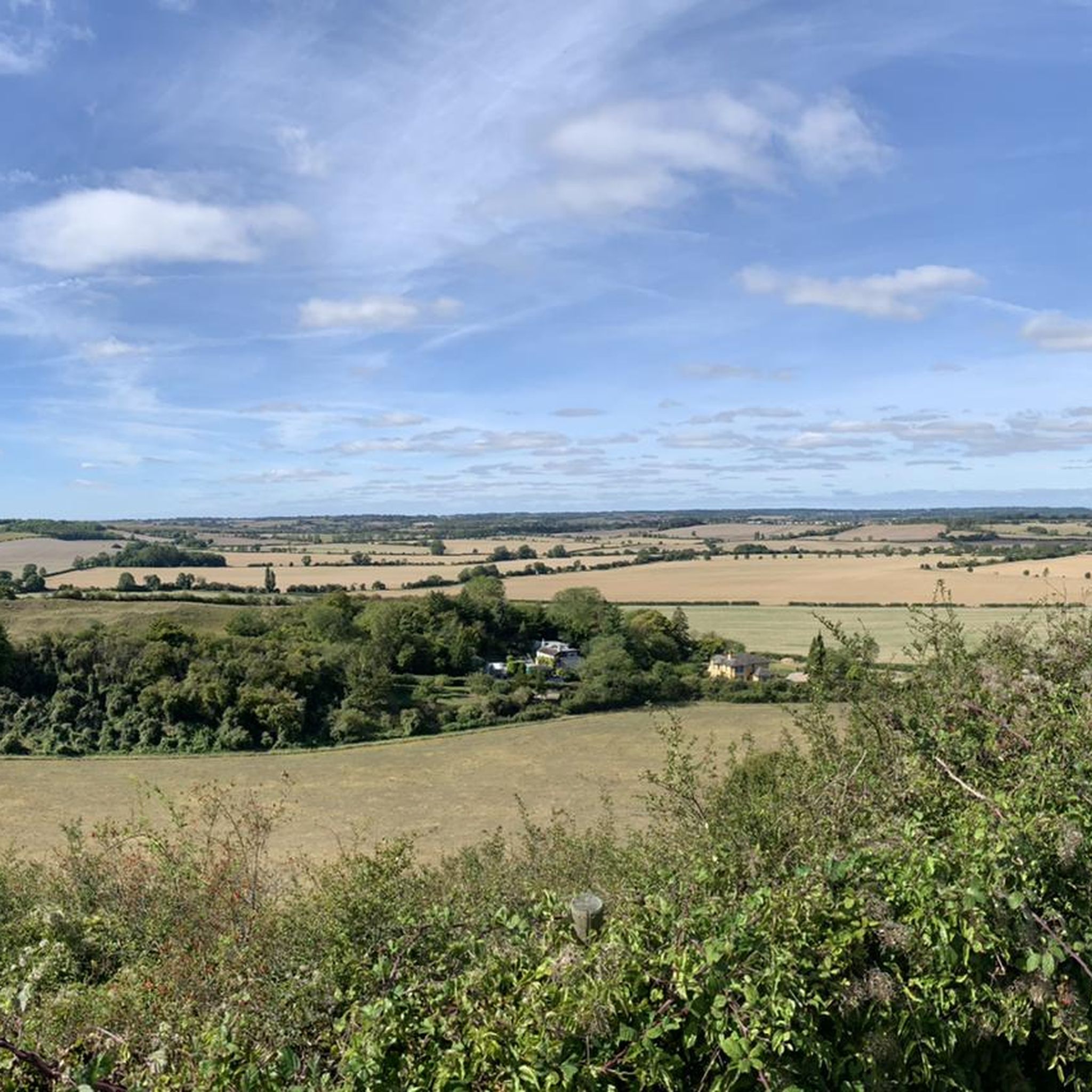
Sharpenhoe Clappers
Highlight (Segment) • Viewpoint
On the way, you will encounter a memorial by W A Robertson, who gave …
Tip by

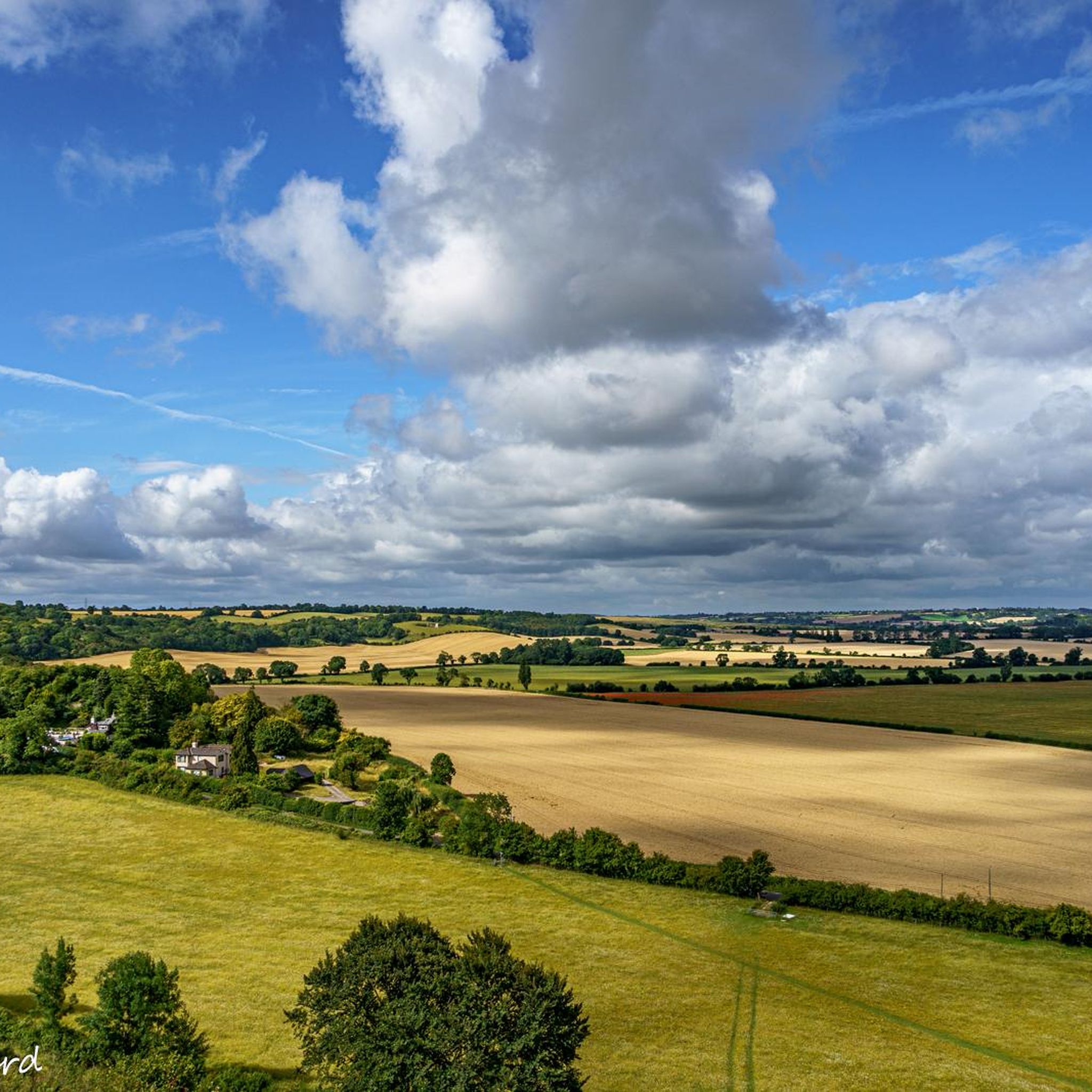
Sundon Hills
Highlight • Natural Monument
Tip by

Sign up now to discover places like this
Get recommendations on the best single tracks, peaks, & plenty of other exciting outdoor places.
Sign up for free
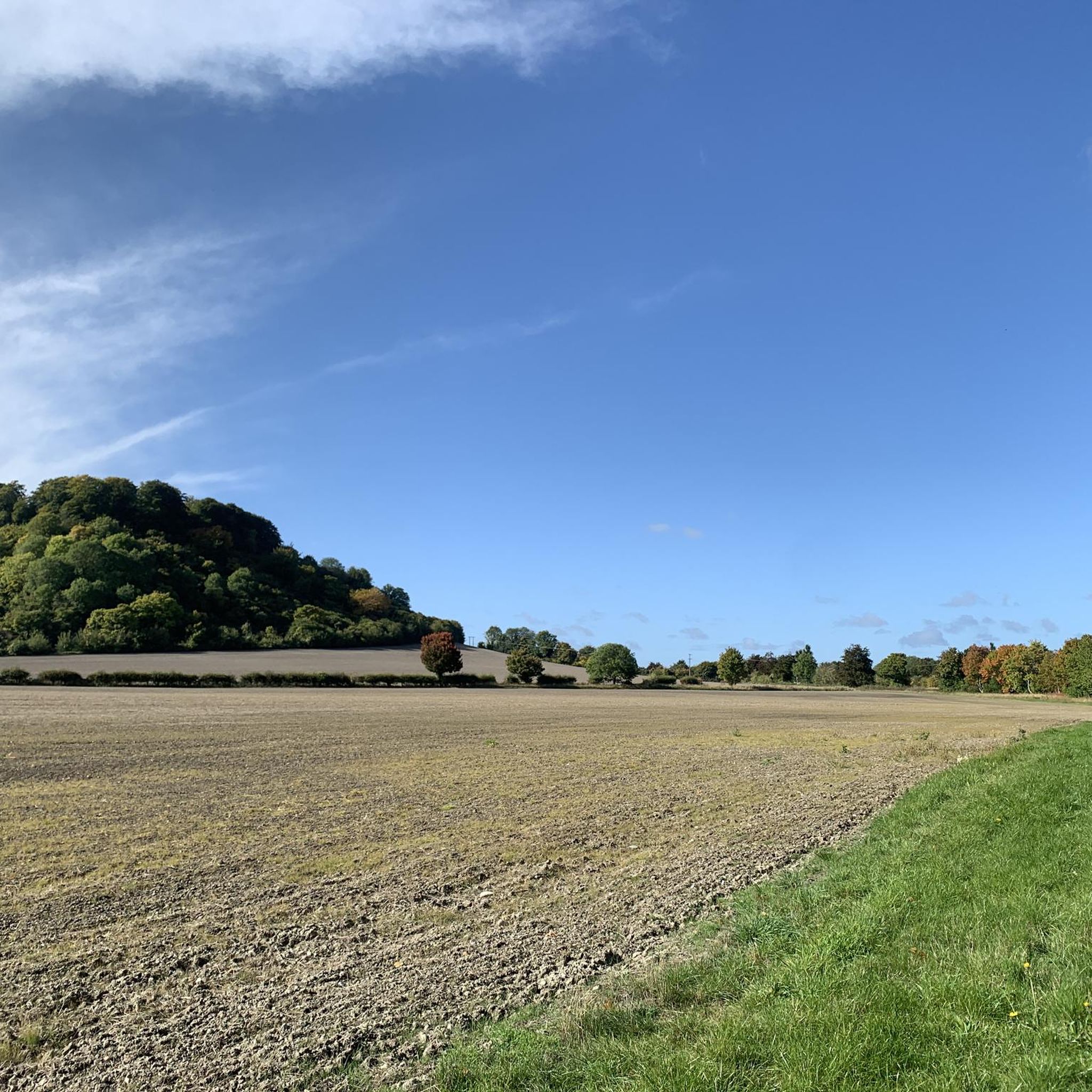
Deacon Hill summit
Highlight • Natural Monument
Tip by
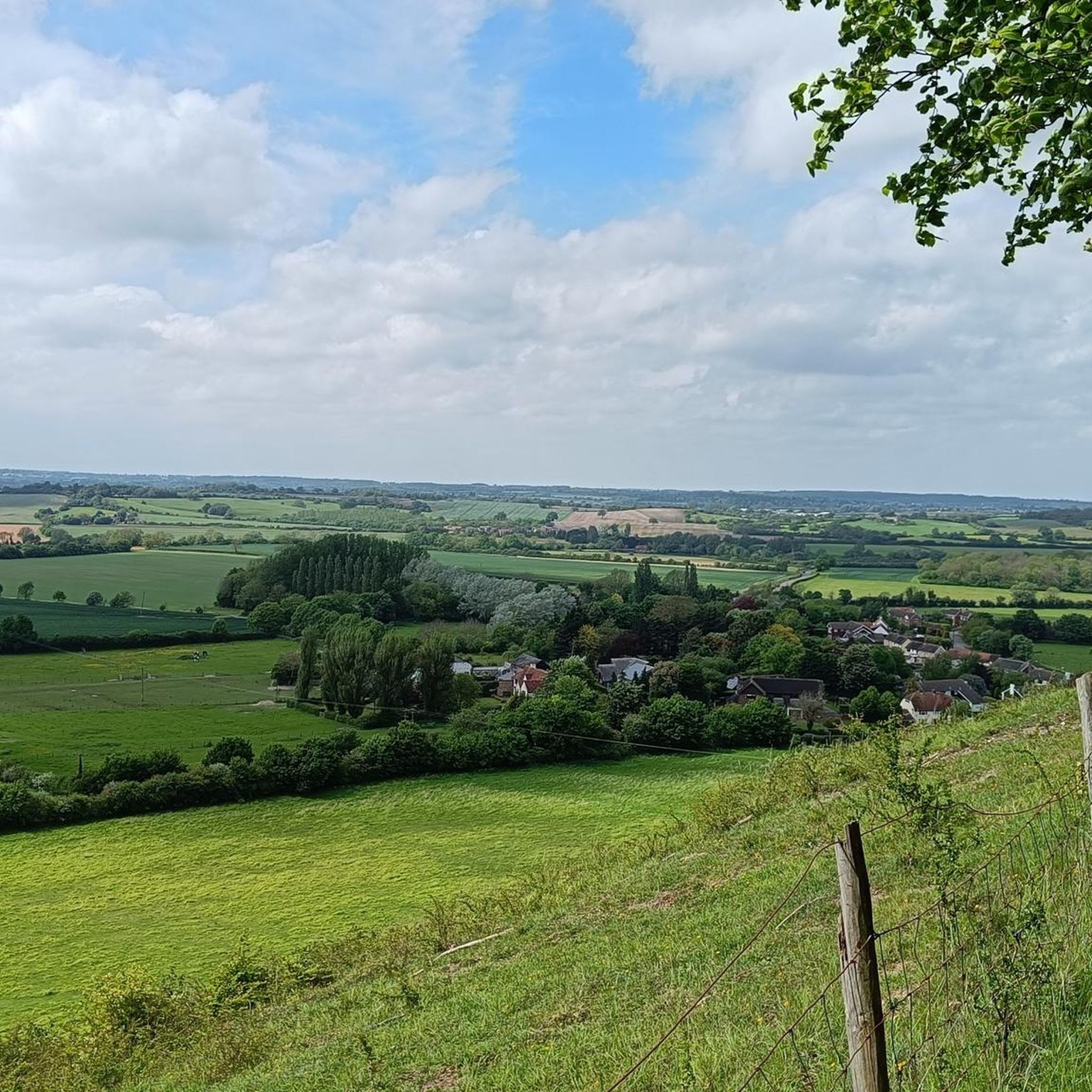
Barton Hills National Nature Reserve
Highlight (Segment) • Viewpoint
Tip by
Cooper's Hill War Memorial
Highlight • Monument
The reserve features rare and endangered open heath, patches of gorse and broom and …
Tip by

Sign up for free to discover even more natural monuments around Pulloxhill.
Sign up for free
Already have an account?
Start today with a free account
Your next adventure awaits.
Login or Signup
Tips from the Community

Nice hills and views of the surroundings from them. In winter, the trail likes to be muddy.
1
0

The Clappers is a fascinating clump of trees on top of what was an Iron Age fort (!) The ascent is easy, but hikers should note that the descent (down a perilously steep set of makeshift wooden stairs) is challenging in the wet.
0
0

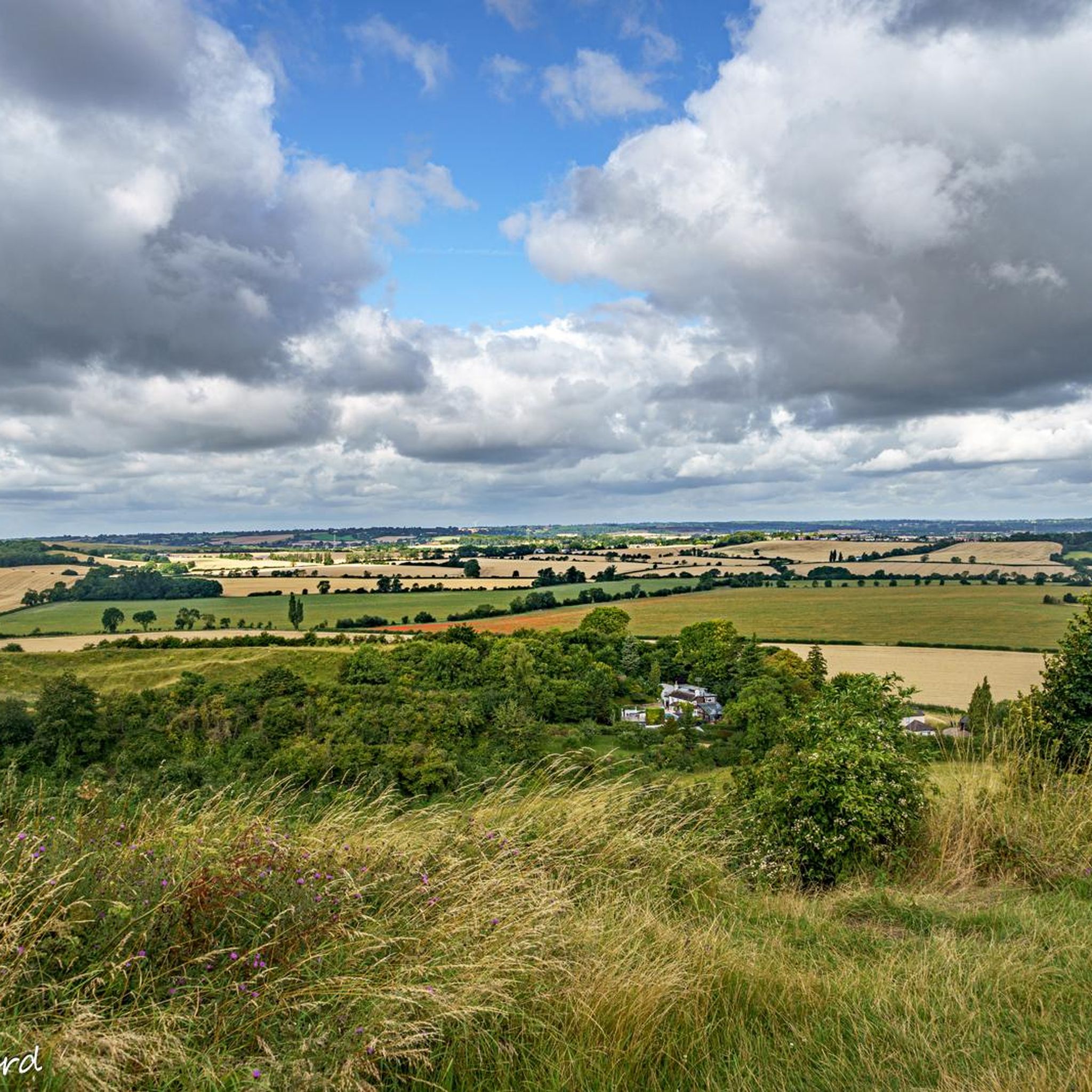
Deacon Hill (172m), from which there are stunning views in essentially any direction (as long as you don't stare at your boots) is a Site of Special Scientific Interest (the summit area is rich in plant species, and there are birds here such as buzzards and numerous species of butterflies, too). There is a bench to sit on as well. The hill is a gorgeous place to be and marvel at the beauty of the world.
2
0
This nature reserve is a really stunning part of the world! Beautiful far-reaching views of the countryside from up here, fantastic green, grassy chalk hills, and also gorgeous spots along Barton Spring within the wood. Beech woodland, wild flowers, weasels and hares here and there. What more could you possibly want?
1
0
A fantastic forest walk with amazing views from above over the Chilterns, particularly towards the north. On the way, you will encounter a memorial by W A Robertson, who gave this area to the National Trust in memory of his brothers who died in the Great War. A great and enjoyable steep set of wooden stairs by the end of this stretch, too, as you rejoin the Chiltern Way.
1
0

Cooper's Hill is a biological Site of Special Scientific Interest located near Ampthill in Central Bedfordshire. The reserve features rare and endangered open heath, patches of gorse and broom and isolated trees, and pockets of pretty woodland. It's a wonderful place for a stroll or sit-down on a sunny afternoon.
3
0


Frequently Asked Questions
What are some of the most scenic natural monuments to visit near Pulloxhill?
For breathtaking views, consider visiting Deacon Hill summit, which offers extensive vistas from its 172m peak. Another excellent choice is Sharpenhoe Clappers, providing amazing views over the Chilterns, especially to the north, along with a fantastic forest walk.
Are there any natural monuments near Pulloxhill that are good for families?
Yes, Sundon Hills is a family-friendly natural monument featuring thick forests, gentle slopes, and wildflowers, perfect for a leisurely outing. Additionally, Wardown Park in Luton, though not a natural monument, is a Grade II listed park with a boating lake and fountain, offering a great family day out.
What kind of wildlife can I expect to see at the natural monuments around Pulloxhill?
The natural monuments and reserves in the area are rich in biodiversity. At Deacon Hill summit, you might spot buzzards and numerous species of butterflies. Bromham Lake Nature Reserve is a crucial site for wetland birds and Great Crested Newts, while Cowslip Meadow is home to badgers, foxes, Muntjac deer, and skylarks. Barton Hills National Nature Reserve is known for its numerous butterflies and mammals.
Are there hiking trails associated with these natural monuments?
Absolutely. Many natural monuments are integrated into hiking routes. For example, you can find routes like 'The Icknield Way – Deacon Hill summit loop' or 'View of Barton Hills – Sharpenhoe Clappers Forest loop'. You can explore more hiking options on the Hiking around Pulloxhill guide.
What are some historical natural sites or landmarks near Pulloxhill?
The area boasts several sites with historical significance. Sharpenhoe Clappers is noted for its Iron Age fort site. Mowsbury Hillfort is an Iron Age univallate hillfort with a medieval moated site, offering fantastic views. Clapham Parkwood is an ancient woodland with earthworks potentially dating from the Iron Age, first mentioned in records from the 1270s.
What are some challenging natural monuments or climbs in the area?
For a challenging experience, Hex Hill is a local legend known for its steep and straight ascent, rewarding climbers with great views from the top. The Icknield Way Trail – Pegsdon Hills also features a climb over Telegraph Hill.
Are there any nature reserves or protected areas worth visiting?
Yes, the region has several important nature reserves. Bromham Lake Nature Reserve, a former limestone quarry, is now a crucial site for wetland birds. Browns Wood is a county wildlife site and local nature reserve, featuring an 18th-century planted wood. Fenlake Meadows are the largest and best-preserved flood plain grazing meadows in Bedfordshire, offering a circular walk. Barton Hills and Knocking Hoe are also National Nature Reserves.
What outdoor activities, besides hiking, can I do near these natural monuments?
Beyond hiking, the area offers opportunities for running and cycling. You can find various running trails, such as 'The Icknield Way – Icknield Way Woodland Trail loop', on the Running Trails around Pulloxhill guide. For cyclists, routes like 'Deacon Hill Summit – Icknield Way Woodland Trail loop' are available on the Cycling around Pulloxhill guide.
What is the best time of year to visit the natural monuments around Pulloxhill?
Spring and summer are particularly rewarding for visiting the natural monuments. During these seasons, you can enjoy vibrant wildflowers, including rare species like the Pasque flower at Barton Hills, and observe numerous butterflies. The meadows at Mowsbury Hillfort are also full of wildflowers and butterflies in summer.
Are there any natural monuments or sites that are good for stargazing?
Browns Wood, an 18th-century planted wood and local nature reserve, features a large glade in the millennium wood that is noted as a great spot for stargazing.
What are some unique geological features or landscapes in the area?
The region is characterized by diverse landscapes. Barton Hills National Nature Reserve is known for its lowland chalk grassland and beech woodland. Knocking Hoe National Nature Reserve features a prominent strip lynchett field system and chalk grassland. Sundon Hills also features unimproved chalk grassland, home to many rare plant species.
Where can I find more information about the conservation efforts in Central Bedfordshire?
For more information on local conservation and natural sites, you can refer to resources from the local authorities. The Bedford Borough Council provides details on nature reserves at bedford.gov.uk, and the government website offers insights into Bedfordshire's National Nature Reserves at www.gov.uk.
Most popular attractions around Pulloxhill

Get inspired with the komoot mobile app


Explore more
Extend your search for the best caves by checking out these guides of the top ones around Pulloxhill:
