Top 14 Natural Monuments around Welcombe
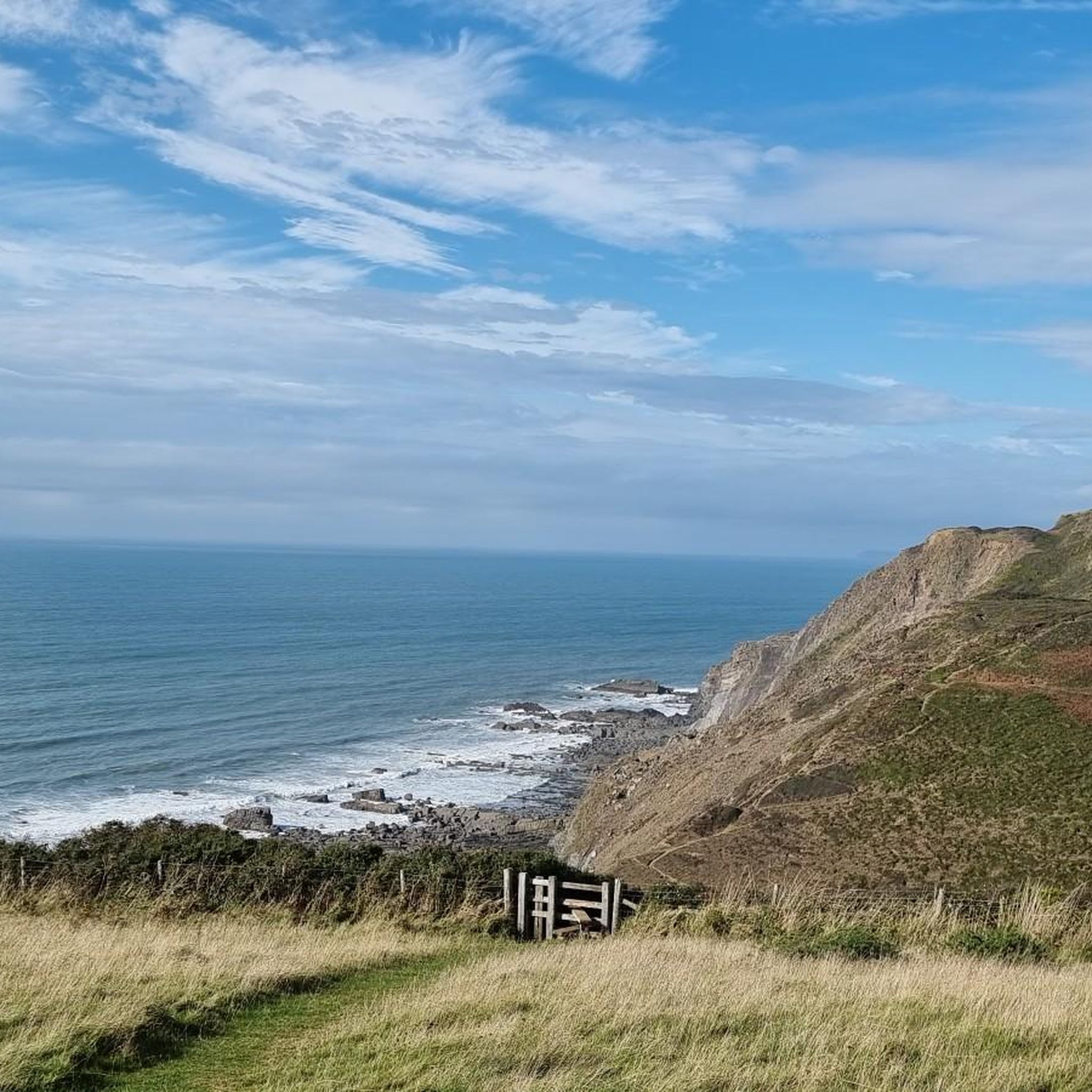
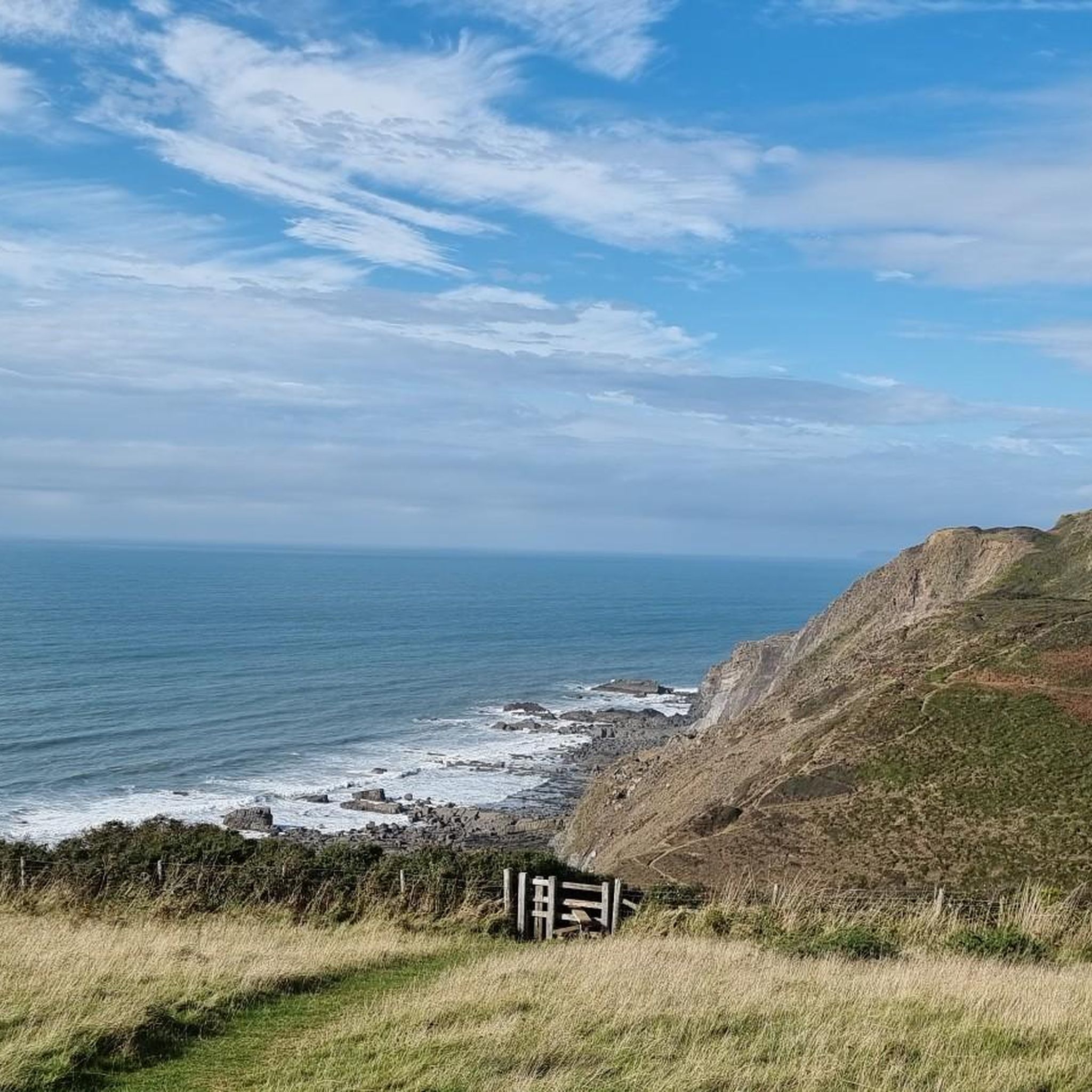
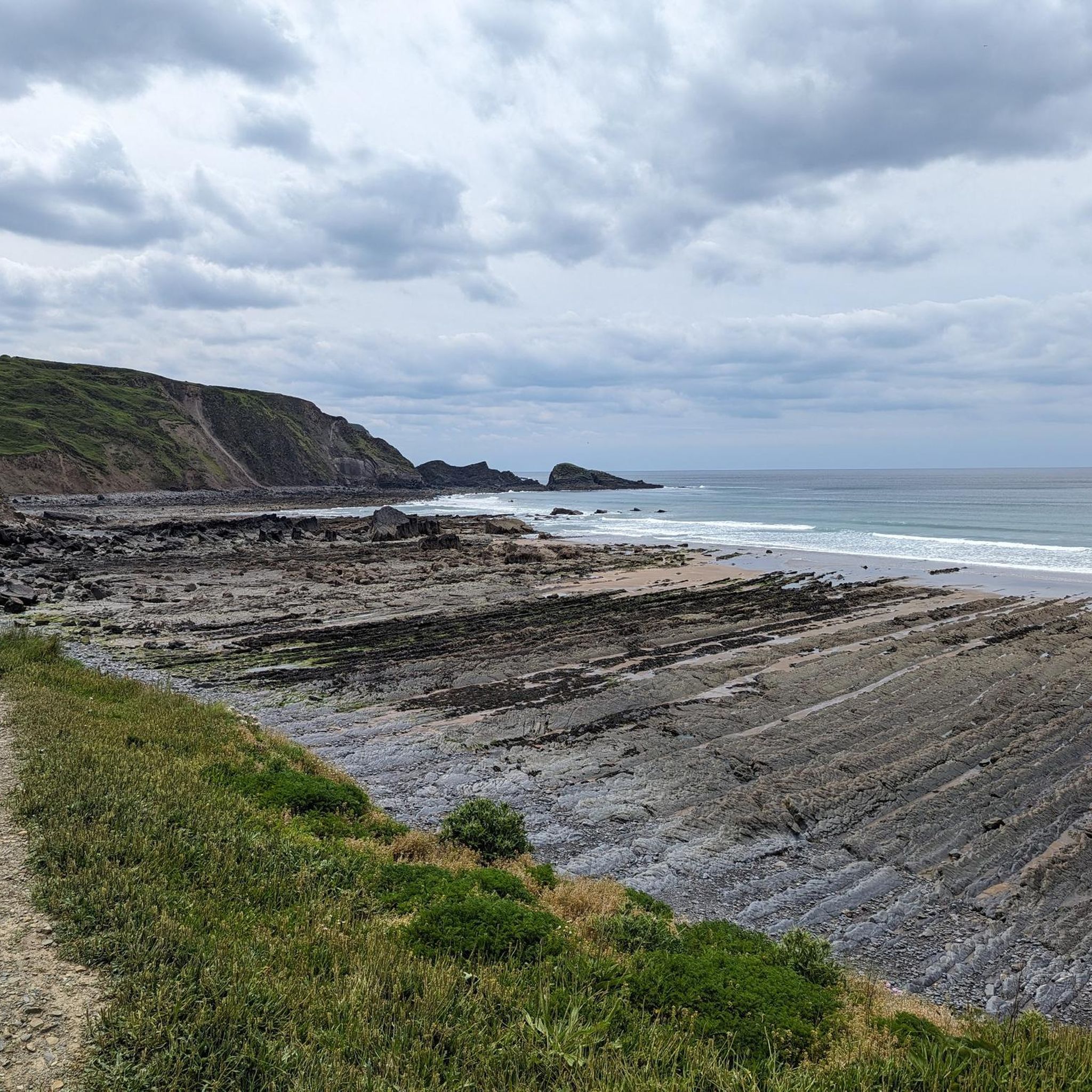
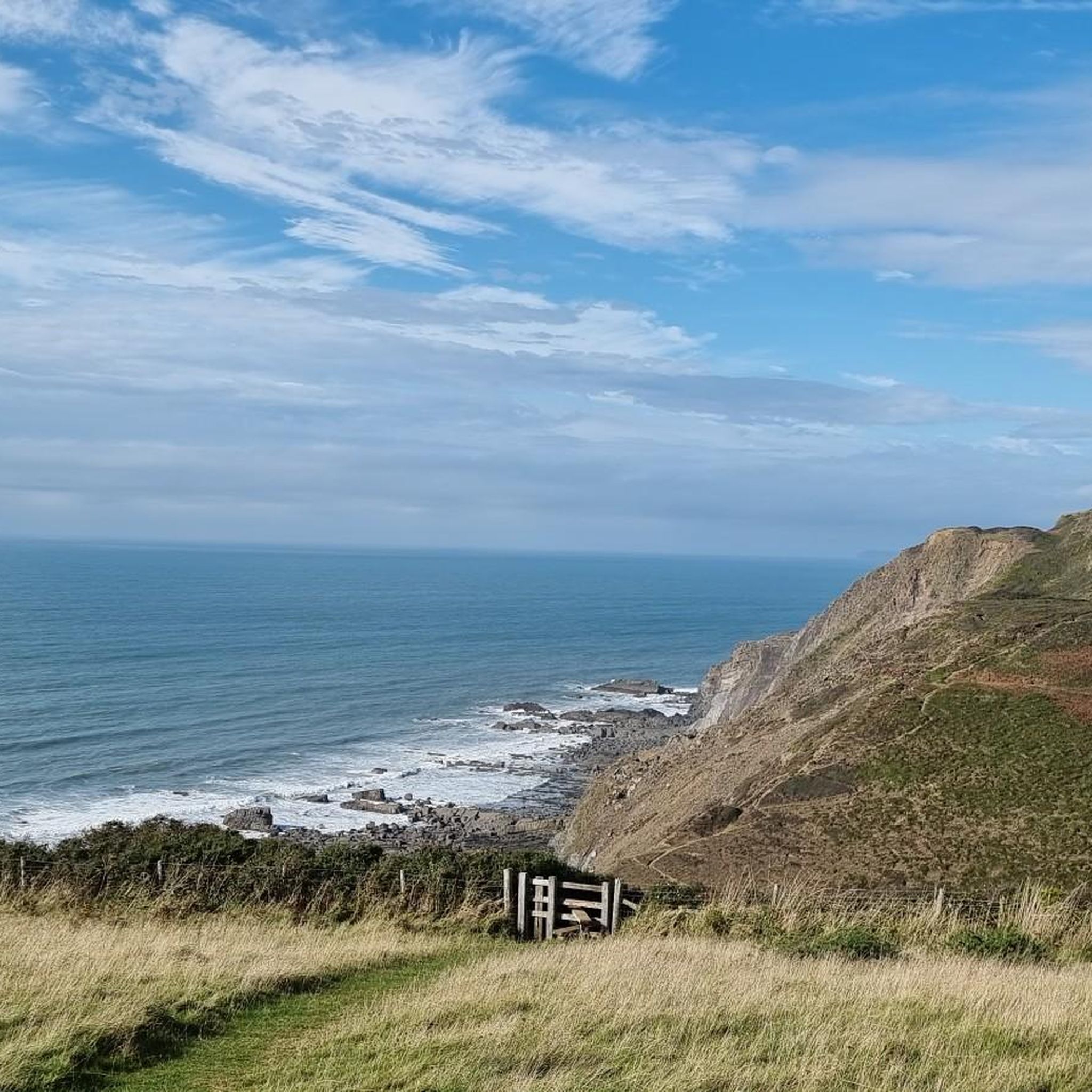
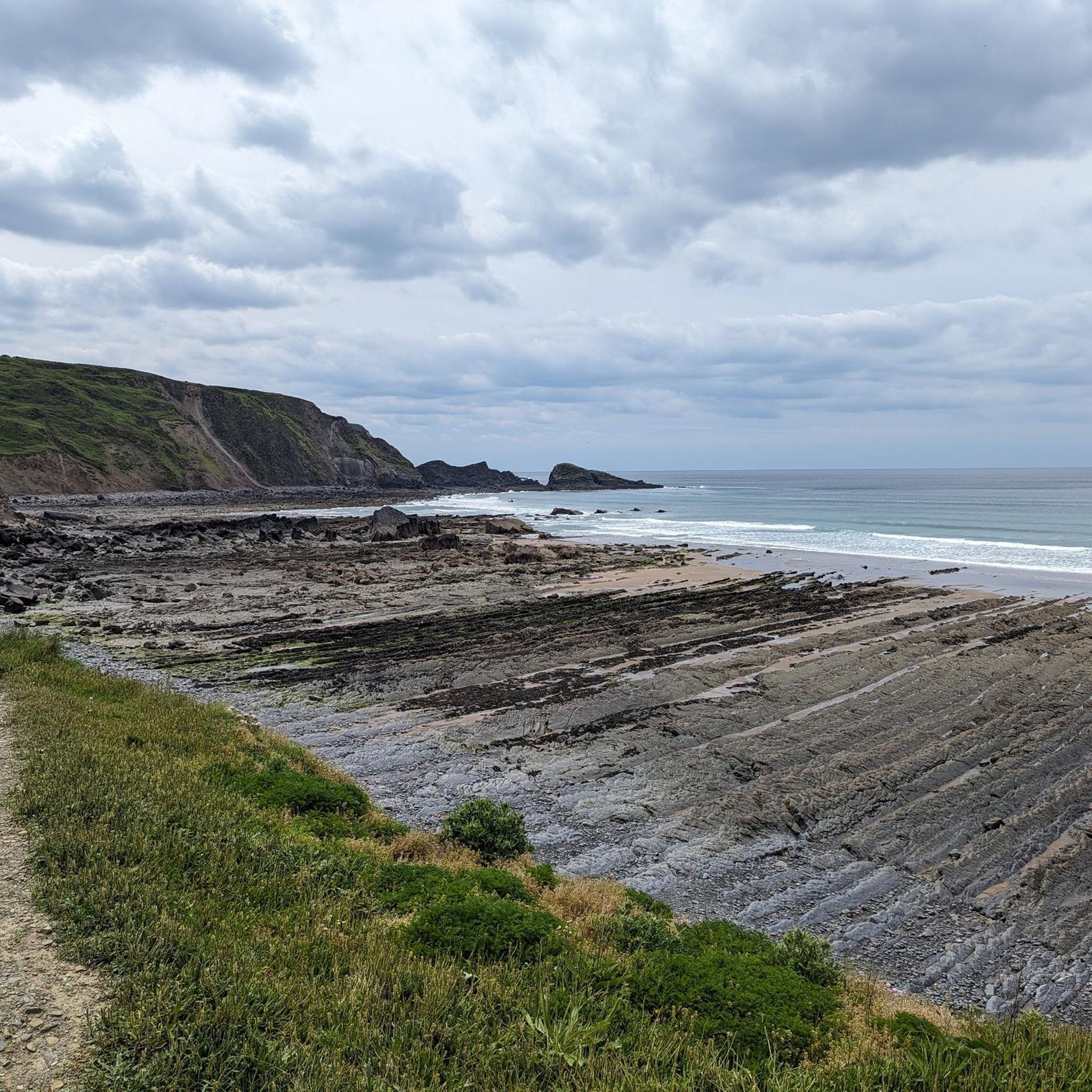
Best natural monuments around Welcombe are found along the North Devon coast, characterized by unique geological features and diverse landscapes. The area features impressive cliffs composed of ancient sandstone and mudstone, showcasing geological folding from the Variscan Orogeny. Coastal formations, including arch stacks and waterfalls, define the rugged shoreline. Remote beaches and valleys provide habitats for various wildlife and offer opportunities for exploration.
Best natural monuments around Welcombe
- The most popular natural monuments is Duckpool Beach, a beach that…
Last updated: October 3, 2026
Spekes Mill Mouth Waterfall
Highlight • Beach
Tip by

Blackchurch Rock, Mouthmill Beach
Highlight • Natural Monument
Tip by
Sign up now to discover places like this
Get recommendations on the best single tracks, peaks, & plenty of other exciting outdoor places.
Duckpool Beach
Highlight • Beach
Tip by
Hawker's Hut
Highlight • Viewpoint
Reverend Robert Steven Hawker was the vicar at Morwenstow Church from 1834. …
Tip by

Windbury Hillfort
Highlight • Viewpoint
Tip by

Sign up for free to discover even more natural monuments around Welcombe.
Already have an account?
Start today with a free account
Your next adventure awaits.
Tips from the Community

Southwest Coast Path, Hartlandquey to Morganporth. Many ascents and descents. The weather was also challenging.
0
0

Speke's Mill Mouth waterfall is a popular stopping point, with narrow access to the plunge pool for a dip in the summer. The falls become more impressive following wetter weather.
1
0

The southern side of the beach looks a little risky due to the landslide but the beach is sandy with little submerged rocks
2
0
If you want a better effect go when its been raining for a couple of days.
2
0
If your watch your step in the woods the area is full of grouse
2
0
Small beach away from the crowds a free car park and just below Morwenstow (GCHQ)
2
0

Pack your swim gear. You can swim in the pool at the base of the waterfall!
1
0
Frequently Asked Questions
What unique geological features can I explore around Welcombe?
The North Devon coast around Welcombe is rich in geological wonders. At Welcombe Mouth, you can observe impressive cliffs composed of Upper Carboniferous period sandstone and mudstone, showcasing superb examples of geological folding from the Variscan Orogeny. Further south, Blackchurch Rock, Mouthmill Beach features a magnificent arch stack formed from Hartland Quay Shale, which even contains goniatite fossils, offering a glimpse into ancient marine life.
Where can I see a dramatic waterfall in the Welcombe area?
You can visit Spekes Mill Mouth Waterfall, which plunges 157 feet (48 meters) in three steps from the cliff edge to a rocky beach. It's set within an area of rugged valleys and high cliffs, making for a captivating sight.
What kind of wildlife can I expect to see in the natural monuments around Welcombe?
The Marsland Valley Nature Reserve, a Site of Special Scientific Interest (SSSI), offers diverse habitats including woodlands, heathlands, and maritime grasslands. This area is home to various birds and mammals, such as the elusive dormouse. In summer, the reserve is vibrant with birdsong and a profusion of wildflowers, attracting numerous moths, butterflies, and dragonflies.
Are there easy walks suitable for all abilities near Welcombe's natural monuments?
Yes, there are several easy hiking routes in the area. For example, you can find easy loops around Hawker's Hut from Morwenstow, or a shorter loop around Speke's Mill Mouth Waterfall from Welcombe Mouth. You can explore more options on the Easy hikes around Welcombe guide.
What outdoor activities are available near Welcombe's natural monuments?
Beyond exploring the natural monuments themselves, the area offers a range of outdoor activities. You can find numerous running trails, including challenging coastal paths like the Sandymouth Beach loop from Welcombe Mouth, or moderate routes around Hawker's Hut. Mountain biking is also popular, with moderate trails such as the Brownsham Wood loop from Clovelly. For more details, check out the Running Trails around Welcombe and MTB Trails around Welcombe guides.
Are the natural monuments around Welcombe family-friendly?
Many of the natural monuments offer family-friendly experiences, especially for older children who enjoy exploration. Welcombe Mouth beach, with its rock pools and caves, can be a great spot for families. However, some coastal paths can be rugged, so it's advisable to check specific trail difficulties. Accessibility for pushchairs might be limited on certain sections due to the natural terrain.
Can I bring my dog to the natural monuments in Welcombe?
Generally, dogs are welcome on many of the coastal paths and beaches in the Welcombe area, including Duckpool Beach. However, it's always best to keep dogs on a lead, especially near cliffs, livestock, or in nature reserves like Marsland Valley, to protect wildlife and ensure safety. Specific rules may apply to certain areas or during peak seasons, so always look for local signage.
When is the best time to visit the natural monuments around Welcombe?
The natural monuments around Welcombe can be enjoyed year-round, but each season offers a different experience. Spring and summer bring warmer weather, wildflowers, and active wildlife, making it ideal for hiking and exploring. Autumn offers dramatic coastal scenery and fewer crowds, while winter provides a wilder, more rugged beauty, though paths can be muddy and weather unpredictable. Always check local weather forecasts before your visit.
Where can I find parking for these natural monuments?
Parking is available at several key locations. For Welcombe Mouth, there is a car park, though it can be remote. For Blackchurch Rock, Mouthmill Beach, parking is typically available near Mouthmill. Duckpool Beach also offers a free car park. Always check for specific parking fees or restrictions, especially for National Trust sites.
Are there any historical sites among the natural monuments?
Yes, several natural monuments in the area have historical significance. Blackchurch Rock, Mouthmill Beach, for instance, has historical ties to smuggling activities, with remains of an old limekiln nearby. Additionally, Hawker's Hut, though a man-made structure, is built into the natural landscape and is famous for its association with Reverend Robert Stephen Hawker. You can also visit Windbury Hillfort, an Iron Age site offering commanding views.
Are there cafes or pubs near the natural monuments in Welcombe?
While some natural monuments are quite remote, you can find amenities in the nearby village of Welcombe and surrounding areas. There are pubs like The Old Smithy Inn in Welcombe, which often offer food. It's always a good idea to check opening times and plan refreshments, especially if you're embarking on a longer walk, as options directly at the natural monument sites are limited.
Most popular attractions around Welcombe

Get inspired with the komoot mobile app


Explore more
Extend your search for the best caves by checking out these guides of the top ones around Welcombe:
