Top 4 Natural Monuments around Lyford
Best natural monuments around Lyford include a diverse range of historical and geological features. The area encompasses significant natural attractions, from ancient woodlands and deep gorges to serene pond trails and historical sites. These locations offer insights into the region's geological past and cultural heritage. Visitors can explore a variety of landscapes, including prominent viewpoints and unique rock formations.
Best natural monuments around Lyford
- The most popular natural monuments is Lord Wantage Monument, a man-made monument and viewpoint situated…
Last updated: June 30, 2026
Lord Wantage Monument
Highlight • Historical Site
Tip by

The Blowingstone
Highlight • Natural Monument
If you …
Tip by

Sign up now to discover places like this
Get recommendations on the best single tracks, peaks, & plenty of other exciting outdoor places.
Sign up for free
Segsbury Camp Iron Age Hill Fort
Highlight • Historical Site
Tip by
Devil's Quoits Stone Circle
Highlight • Natural Monument
Tip by

Observation Hides on the Boardwalk
Highlight • Structure
Tip by

Start today with a free account
Your next adventure awaits.
Login or Signup
Tips from the Community

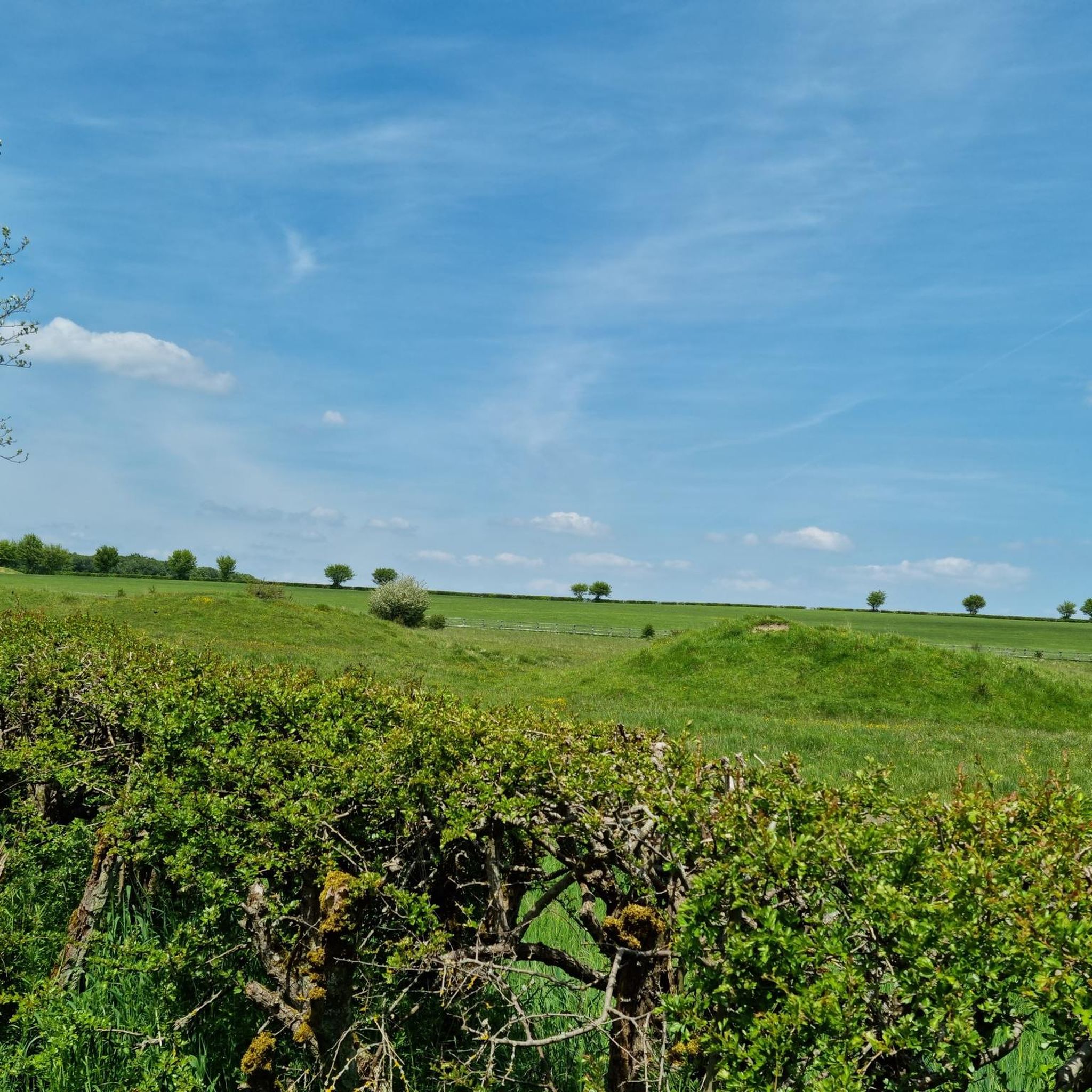
On the wooden path, supporting you during the floods, you can find two observation points (small huts), in one there are binoculars.
1
0

A memorial obelisk to Robert Loyd-Lindsay, Lord Wantage. Robert Lloyd-Lindsay, 1st Baron Wantage, was a soldier, politician and philanthropist. He co-founded the British National Society for Aid to the Sick and Wounded in War, which later became the British Red Cross. He died in 1901. Lady Wantage erected a monument to Lord Wantage in 1903. The monument stands on a Bronze Age round barrow adjacent to the Ridgeway at Betterton Down near Lockinge, Oxfordshire. https://historicengland.org.uk/images-books/photos/item/BAR03/01/428
0
0

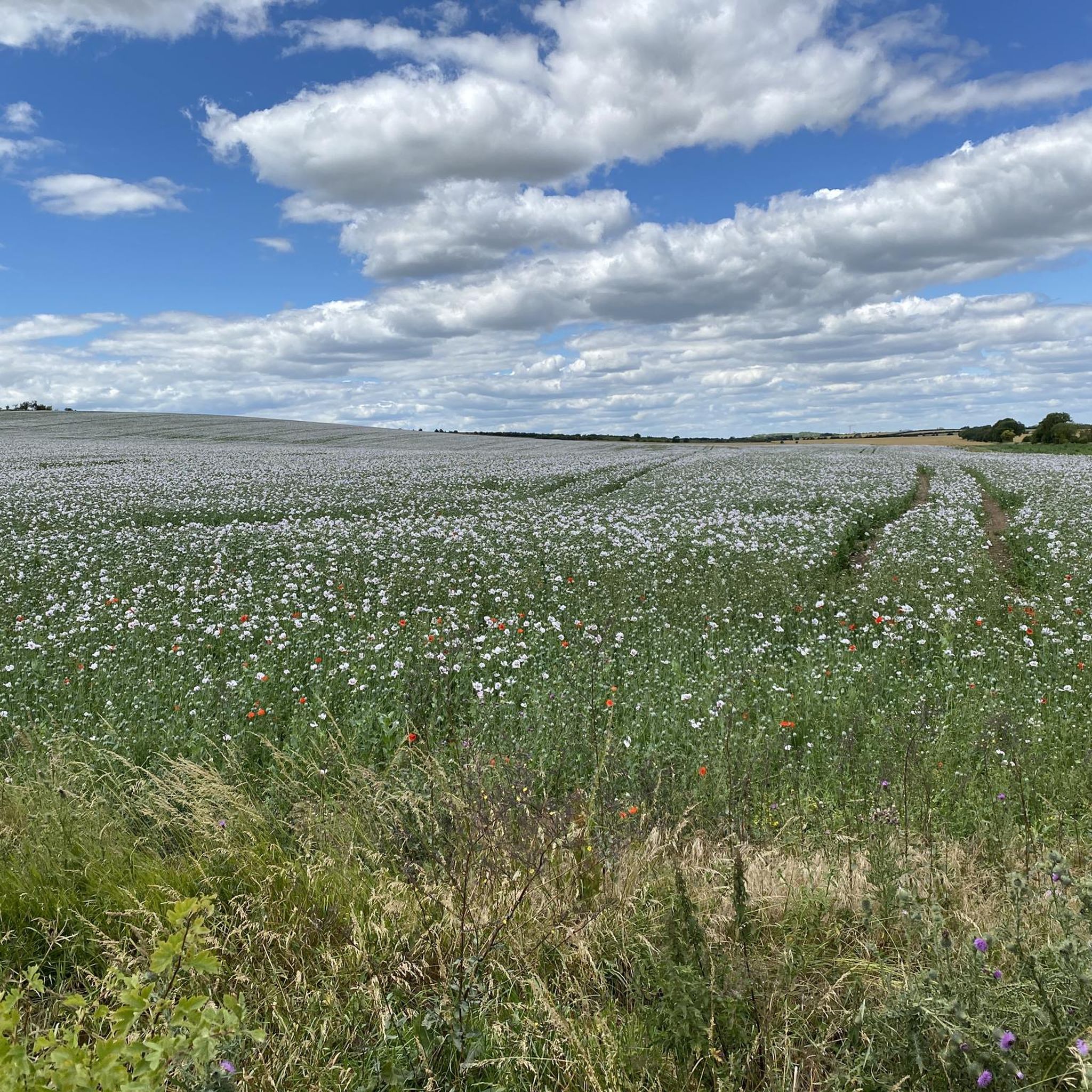
Neolithic stone circle from around 2900-2600BC - a remarkable site to visit.
6
0
Neolithic stone circle from around 2900-2600BC - a remarkable site to visit. You can learn more here: https://www.youtube.com/watch?v=npAxEvruu9M
5
0
The Devil's Quoits is a reconstructed stone circle henge, originally dating from the late Neolithic period, probably around 2900-2600BC. The large site with a 115m diameter earth bank, internal 2m deep ditch and 75m diameter stone circle is likely to have been of great significance and will have been visible from the Ridgeway, Britain's oldest road. The stone circle consisted of 28 conglomerate stones, with one additional stone standing slightly offset to the south. It is a truly remarkable site; transporting you back to a time where people travelled along the Windrush Valley from its headwaters to its confluence with the Thames at Devil's Quoits and further downstream to the Big Rings at Dorchester on the Thames. Many hundreds of people would have gathered within the site, observing from the banks and participating in rituals in the centre.
3
0

The Blowingstone is a perforated rock in a humble garden at the foot of Blowingstone Hill, part of the Wessex Down escarpment that hosts the Ridgeway National Trail. If you blow through one of the stone's many holes in the right way, it makes a loud booming sound. Legend says that it's how King Alfred The Great summoned his troops from atop the White Horse Hill for the Battle of Ashdown.
3
0

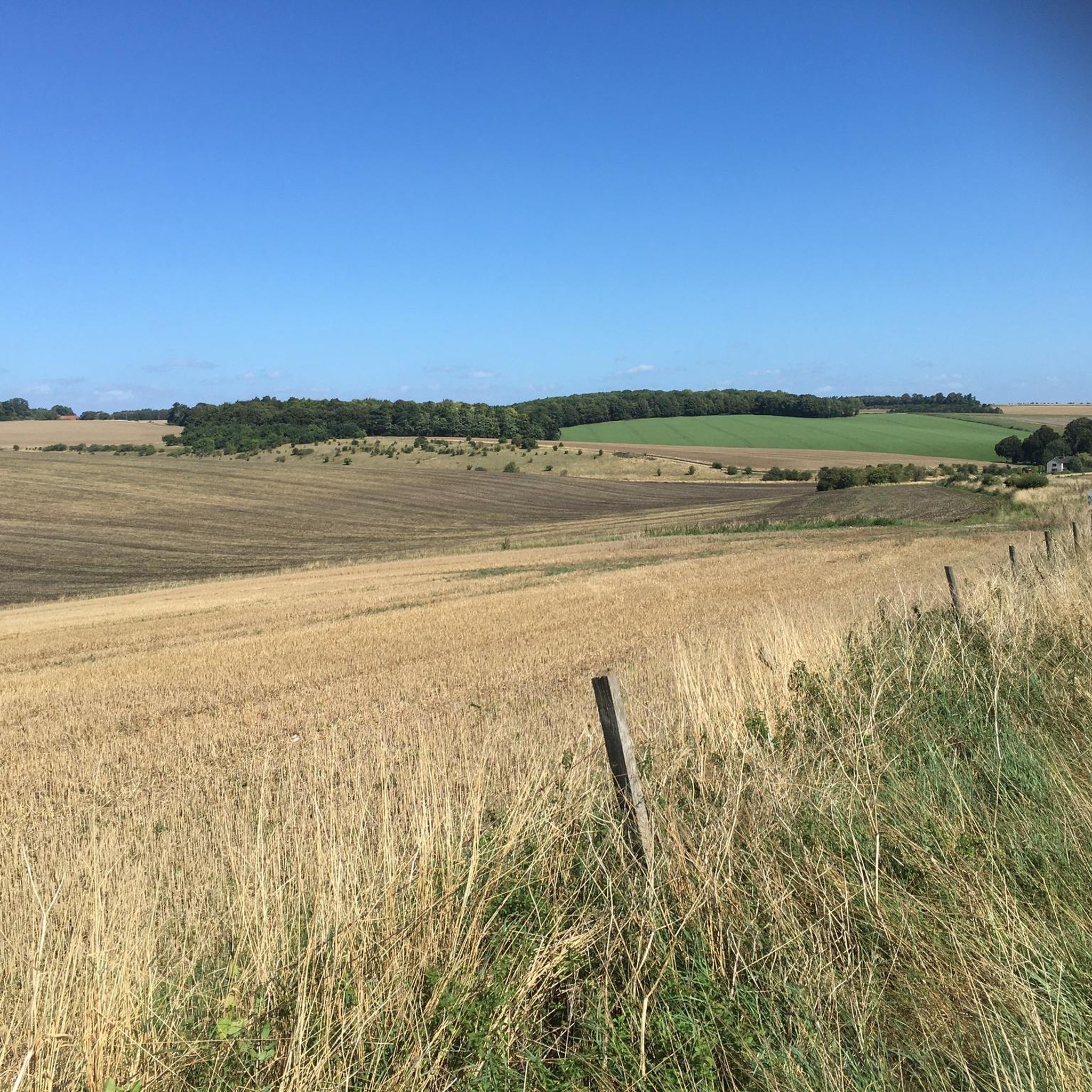
Segsbury Camp is an Iron Age hill fort in the Vale of White Horse. You can explore extensive and well-preserved ramparts and gateways in the fort. Historians believe this site was occupied between the sixth and the second centuries BC and was used as a communal centre for many activities.
3
0
The monument to Robert Loyd Lindsay, Lord Wantage, is situated high on the Ridgeway and affords stunning views of the vale. Lord Wantage was a distinguished soldier and one of the first to be awarded the Victoria Cross in the Crimean War.
2
0
Frequently Asked Questions
What kind of natural monuments can I expect to see around Lyford?
The Lyford area is rich in historical and geological natural monuments. You'll find ancient sites like the Segsbury Camp Iron Age Hill Fort and the reconstructed Devil's Quoits Stone Circle. There are also unique geological features such as The Blowingstone, and impressive viewpoints like the Lord Wantage Monument.
Are there any family-friendly natural monuments in the Lyford area?
Yes, several natural monuments around Lyford are suitable for families. The Blowingstone, with its unique sound-making rock and local legend, is a fun stop. The Devil's Quoits Stone Circle offers an engaging historical experience for all ages. Additionally, the Observation Hides on the Boardwalk provide a chance for wildlife spotting, which can be exciting for children.
What historical natural monuments can I visit near Lyford?
Lyford is particularly rich in historical natural monuments. You can explore the extensive ramparts of the Segsbury Camp Iron Age Hill Fort, which dates back to between the sixth and second centuries BC. The Devil's Quoits Stone Circle is a remarkable reconstructed Neolithic henge from around 2900-2600 BC. The Lord Wantage Monument, while more recent, commemorates a distinguished soldier and stands on a Bronze Age round barrow.
Are there good walking or hiking opportunities near these natural monuments?
Absolutely. The natural monuments around Lyford are often situated along or near excellent walking routes. For easy hikes, you can explore trails like the 'Yew Tree Avenue loop' or 'Three Corner Clump – Buckland Warren loop'. For more options, check out the full guide on Easy hikes around Lyford.
Can I go cycling or mountain biking near the natural monuments?
Yes, the area around Lyford offers various cycling and mountain biking routes. You can find moderate MTB trails such as the 'View of Ridgeway Reservoir loop from Wantage' which passes near the Lord Wantage Monument. For more cycling options, refer to the guides on MTB Trails around Lyford and Cycling around Lyford.
What unique geological features can be found in the Lyford area?
One of the most unique geological features is The Blowingstone, a perforated rock that produces a loud booming sound when blown correctly. The area's history also includes ancient earthworks and formations, such as the Bronze Age round barrow beneath the Lord Wantage Monument and the extensive ramparts of the Segsbury Camp Iron Age Hill Fort.
Are there any viewpoints among the natural monuments?
Yes, the Lord Wantage Monument is situated high on the Ridgeway and offers stunning views of the surrounding vale. The Segsbury Camp Iron Age Hill Fort also provides elevated perspectives of the landscape.
What do visitors enjoy most about the natural monuments around Lyford?
Visitors frequently appreciate the blend of history and natural beauty. The panoramic views from the Lord Wantage Monument are a highlight, as is the opportunity to step back in time at sites like Segsbury Camp Iron Age Hill Fort and the Devil's Quoits Stone Circle. The unique experience of The Blowingstone also leaves a lasting impression.
Are there opportunities for wildlife observation near Lyford's natural monuments?
Yes, the Observation Hides on the Boardwalk are specifically designed for wildlife viewing. Equipped with binoculars, these hides provide a chance to spot local fauna, particularly in wetland areas.
How long should I plan for a visit to the natural monuments?
The duration of your visit depends on which monuments you choose to see and what activities you plan. For individual sites like The Blowingstone or the Lord Wantage Monument, a quick stop might be 30 minutes to an hour. Exploring larger sites like Segsbury Camp Iron Age Hill Fort or the Devil's Quoits Stone Circle, especially if combined with a walk, could take 1-2 hours each. A full day could be spent visiting multiple locations and enjoying nearby trails.
Are the natural monuments around Lyford dog-friendly?
Many outdoor natural monuments and associated walking trails in the Lyford area are generally dog-friendly, especially those on public footpaths or open access land like the Ridgeway. However, it's always best to check specific site regulations, especially for historical sites or nature reserves, and keep dogs on a lead where livestock or wildlife are present.
Most popular attractions around Lyford

Get inspired with the komoot mobile app


Explore more
Extend your search for the best caves by checking out these guides of the top ones around Lyford:
