Top 6 Natural Monuments around Swalcliffe
Best natural monuments around Swalcliffe include a picturesque rural landscape within the wider Oxfordshire countryside. The village is situated in a valley, with the River Swere contributing to its natural beauty. Its proximity to the Cotswolds, an Area of Outstanding Natural Beauty, offers access to distinctive limestone landscapes and ancient woodlands. The area provides several popular walking trails for exploring its natural features.
Best natural monuments around Swalcliffe
- The most popular natural monuments is The King Stone, a man-made…
Last updated: June 30, 2026
The King Stone
Highlight • Monument
Tip by

The Rollright Stones Stone Circle
Highlight • Historical Site
Tip by

Sign up now to discover places like this
Get recommendations on the best single tracks, peaks, & plenty of other exciting outdoor places.
Sign up for free
Battle of Edgehill Site
Highlight • Historical Site
Tip by
The Whispering Knights
Highlight • Historical Site
Tip by
Wroxton Obelisk
Highlight • Monument
Tip by

Sign up for free to discover even more natural monuments around Swalcliffe.
Sign up for free
Already have an account?
Start today with a free account
Your next adventure awaits.
Login or Signup

Tips from the Community

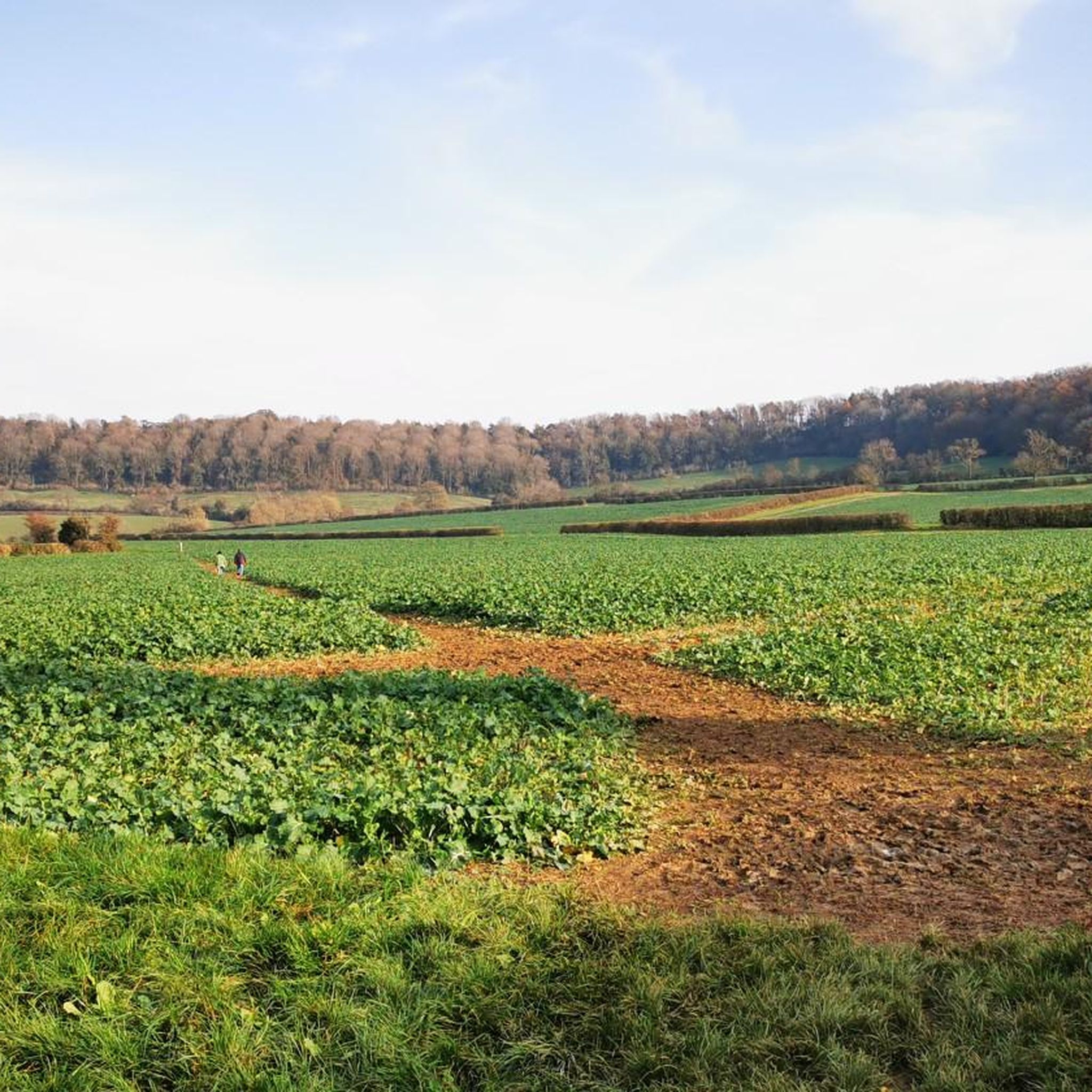
Fabulous walk allowing you to see the stone monuments erected 3,800 years BC. Special attention when you park by the road as there are thief’s that break your car window and take your belongings. This couple that arrive 10 minutes before us had their passports stolen! We opted to park in Salford and do the walk starting there. Safe parking there and plenty of spaces.
1
0

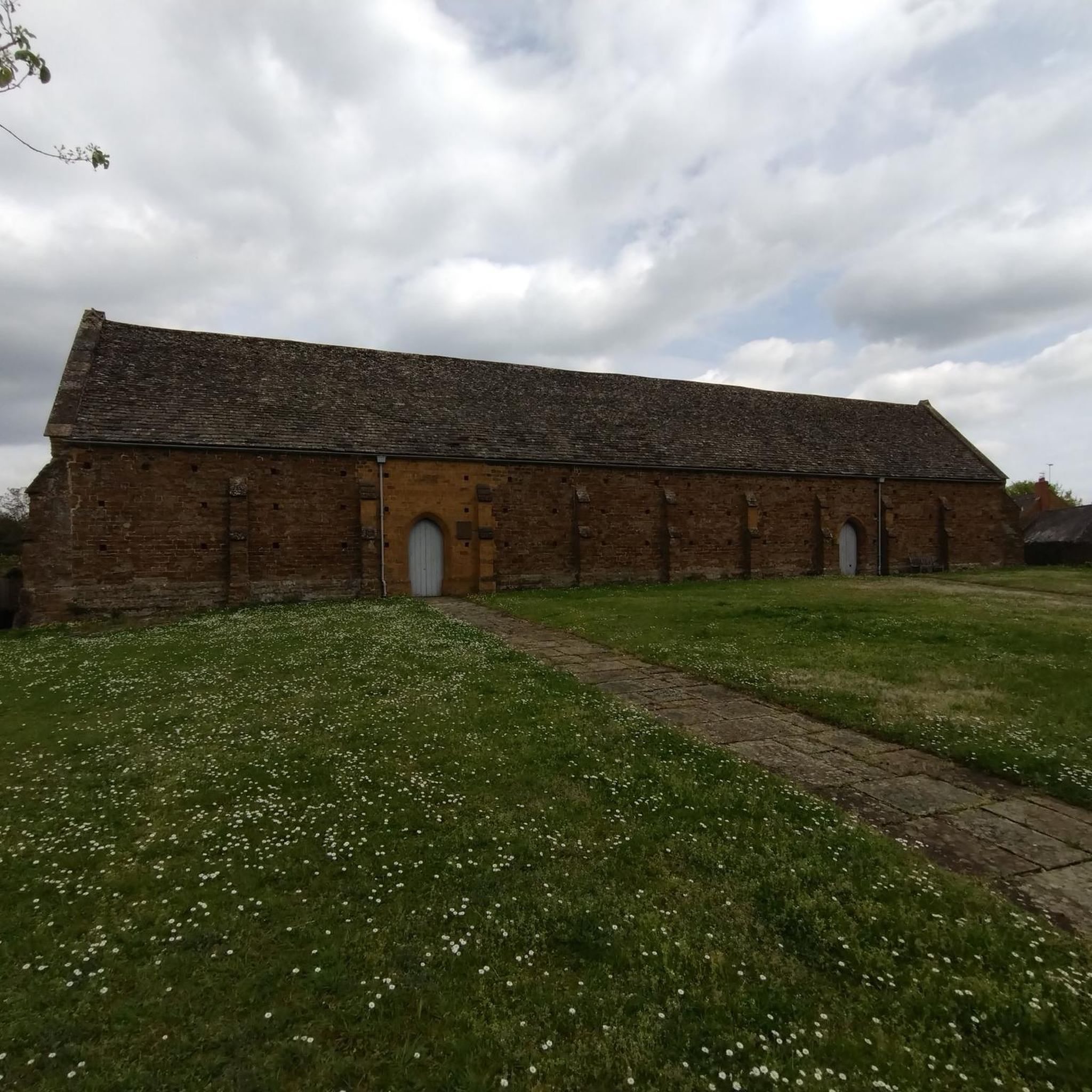
This is the location of the Battle of Edgehill, a pitched battle of the First English Civil War occurring on Sunday 23rd October 1642. A detailed information board stands here describing how the event unfolded, offering a fascinating window into the area's past.
1
0
The King Stone is a standing stone in the Cotswolds, England, which dates back to the Bronze Age. It is believed to have been a marker for ancient trade routes or a ceremonial site.
1
0
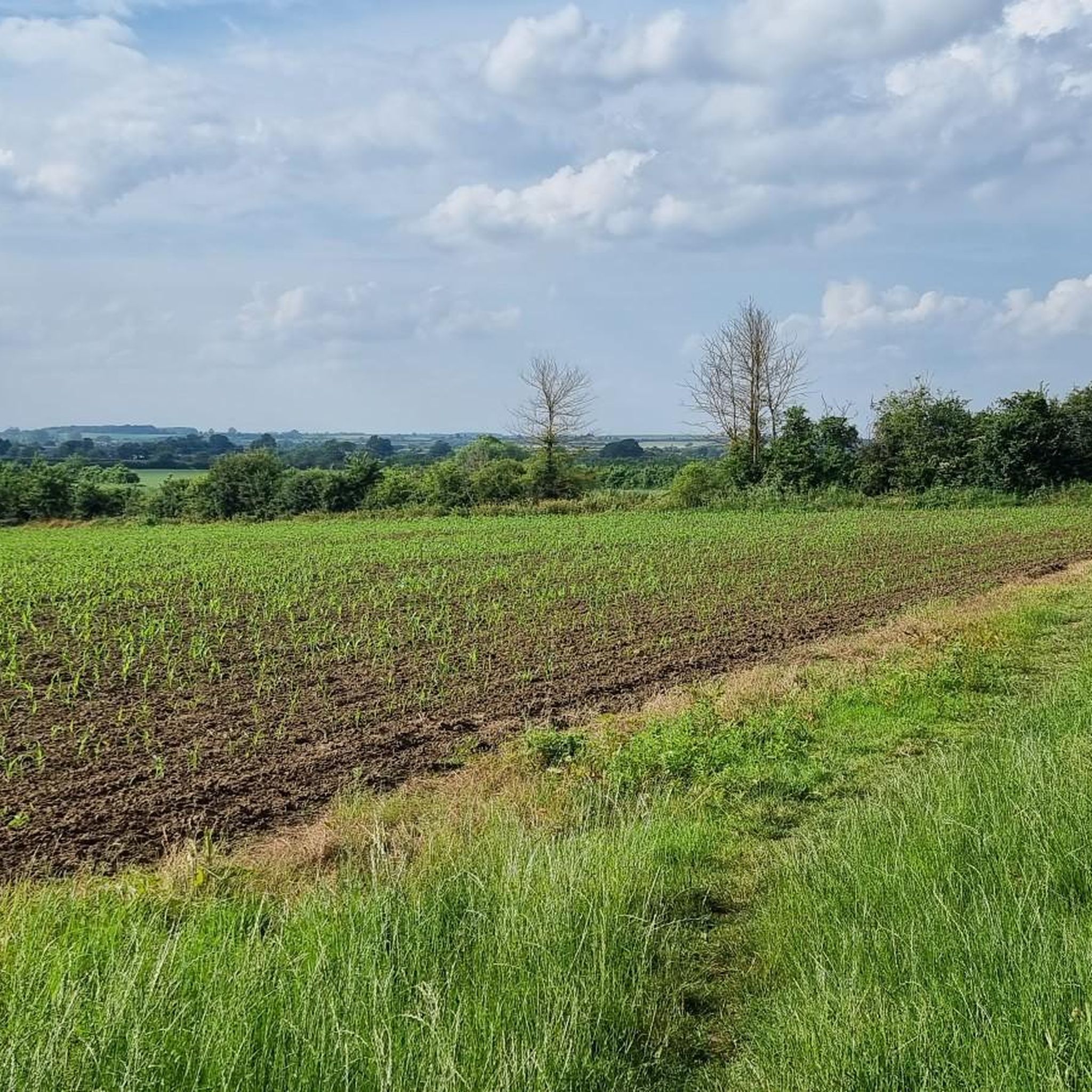
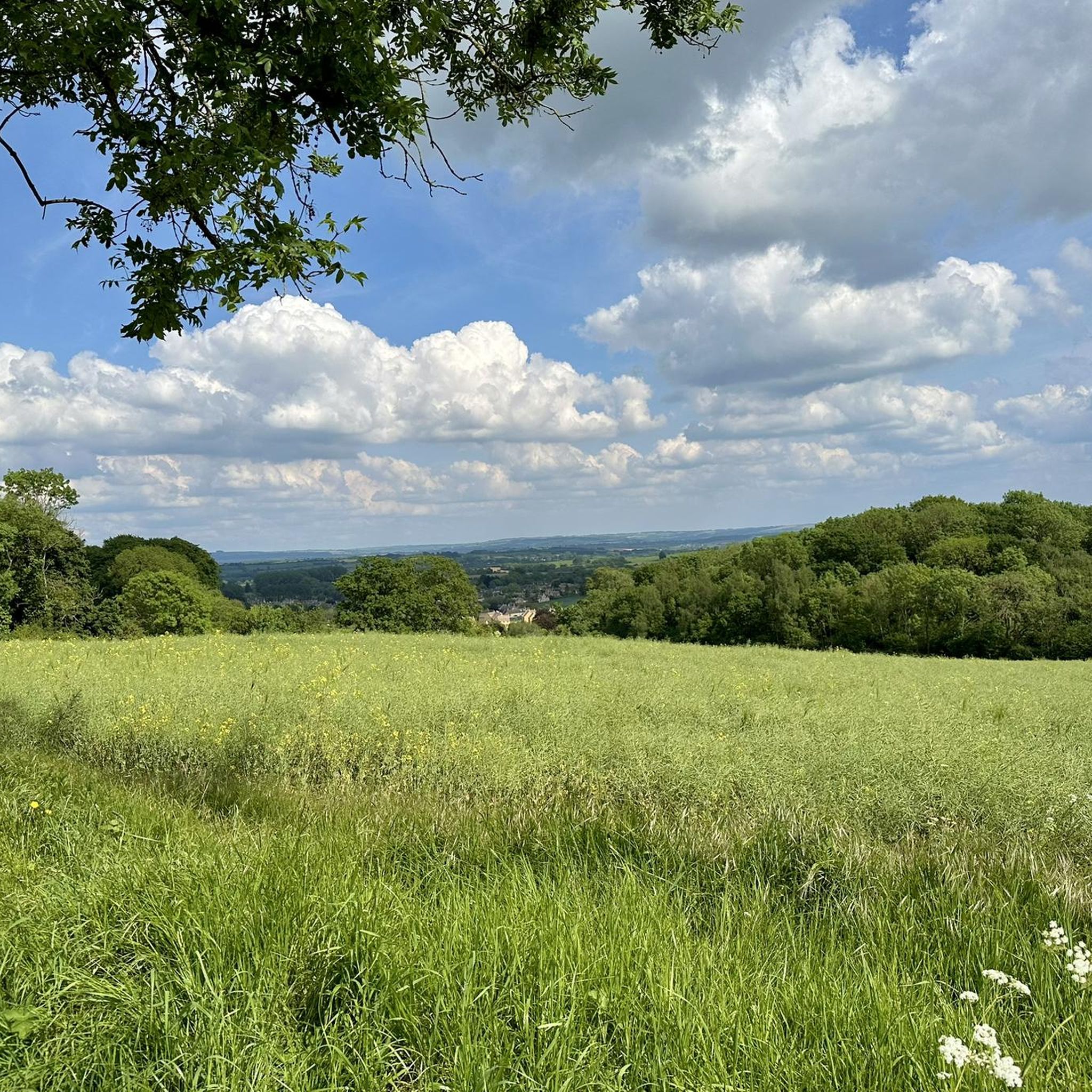
Enjoy fantastic views as you run through the countryside toward Wroxton Obelisk. In the spring and summer months, you will be delighted by a gorgeous display of blooming flowers that create a very picturesque setting.
0
1
Read up on the fascinating history attached to the Whispering Knights stones, the third of the Rollright Stones collection in Oxfordshire.
1
0

The Battle of Edgehill (or Edge Hill) was a pitched battle of the First English Civil War. It was fought near Edge Hill and Kineton in southern Warwickshire on Sunday, 23 October 1642. All attempts at constitutional compromise between King Charles and Parliament broke down early in 1642. Both the King and Parliament raised large armies to gain their way by force of arms. In October, at his temporary base near Shrewsbury, the King decided to march to London in order to force a decisive confrontation with Parliament's main army, commanded by the Earl of Essex. Late on 22 October, both armies unexpectedly found the enemy to be close by. The next day, the Royalist army descended from Edge Hill to force battle. After the Parliamentarian artillery opened a cannonade, the Royalists attacked. Both armies consisted mostly of inexperienced and sometimes ill-equipped troops. Many men from both sides fled or fell out to loot enemy baggage, and neither army was able to gain a decisive advantage.
1
0


Remember to always keep a pace when going up a big hill
0
0
Frequently Asked Questions
What are the most popular natural monuments around Swalcliffe?
The most popular natural monuments in the area include The King Stone, an ancient standing stone from the Bronze Age, and The Rollright Stones Stone Circle, a ceremonial site erected around 2,500 BC. Visitors also highly appreciate King's Men Stone Circle, another impressive historic landmark with around 77 limestones.
What kind of natural features can I expect to see around Swalcliffe?
Swalcliffe is nestled in a picturesque rural landscape within the wider Oxfordshire countryside. You can explore the beauty of the River Swere valley, which runs through the village, and enjoy rolling hills and diverse countryside. The area's proximity to the Cotswolds, an Area of Outstanding Natural Beauty, also means access to distinctive limestone landscapes and ancient woodlands.
Are there ancient stone circles near Swalcliffe?
Yes, Swalcliffe is renowned for its ancient stone circles. Besides The Rollright Stones Stone Circle and King's Men Stone Circle, you can also visit The Whispering Knights, a dolmen built in the early Neolithic period, which is part of the Rollright Stones collection.
What historical significance do the natural monuments around Swalcliffe have?
Many natural monuments in the area hold significant historical value. The King Stone dates back to the Bronze Age, possibly serving as a marker or ceremonial site. The Rollright Stones Stone Circle and King's Men Stone Circle are ceremonial sites from the Neolithic and Bronze ages. Additionally, the Battle of Edgehill Site marks a pivotal location from the First English Civil War in 1642.
Are there family-friendly natural monuments to visit near Swalcliffe?
Yes, several natural monuments around Swalcliffe are considered family-friendly. The King Stone, The Rollright Stones Stone Circle, Battle of Edgehill Site, The Whispering Knights, and King's Men Stone Circle are all suitable for family visits, offering a blend of history and outdoor exploration.
What outdoor activities can I do near these natural monuments?
The area around Swalcliffe offers various outdoor activities, particularly hiking and road cycling. You can find numerous routes, such as the easy "Rapeseed Field – Church of St Mary, Broughton loop" or the moderate "Hook Norton Viaduct Ruins – Swerford Castle loop." For more options, explore the hiking routes around Swalcliffe or the road cycling routes around Swalcliffe.
Are there hiking trails near the natural monuments around Swalcliffe?
Absolutely. Swalcliffe is known for its scenic walks and footpaths, utilizing roads, bridleways, and trails. You can find easy hikes like the "Wroxton Obelisk – Wroxton Abbey Dovecote Tower loop" or explore more moderate options. For a comprehensive list of trails, check out the hiking guide for Swalcliffe.
What is the terrain like for walks around Swalcliffe?
The terrain around Swalcliffe for walks typically features rolling hills and varied countryside. Trails often utilize existing roads, bridleways, and footpaths, offering a mix of surfaces. The area is characterized by its unspoiled rural setting, providing tranquil routes for enjoying local flora and fauna.
Are there viewpoints around Swalcliffe's natural monuments?
Yes, several natural monuments offer excellent viewpoints. The Rollright Stones Stone Circle is noted for its great views, making it a nice spot for a picnic. The Battle of Edgehill Site also provides a viewpoint, offering a historical perspective of the landscape.
What is the best time to visit Swalcliffe for walking and exploring natural monuments?
The best time to visit Swalcliffe for walking and exploring its natural monuments is generally during the spring, summer, and early autumn months when the weather is milder and the countryside is in full bloom. However, the tranquility and unique atmosphere of the stone circles can be appreciated year-round, with each season offering a different perspective of the landscape.
Where can I find more information about local walks in Swalcliffe?
For detailed information on local walks within the parish boundary of Swalcliffe, including routes like the "Roman Road" walk, you can visit the Swalcliffe Parish Council website. They provide resources on walks that allow you to experience the local natural environment. You can find more details at swalcliffe-pc.gov.uk.
Most popular attractions around Swalcliffe

Get inspired with the komoot mobile app


Explore more
Extend your search for the best caves by checking out these guides of the top ones around Swalcliffe:
