Top 7 Natural Monuments around Brailes
Natural monuments around Brailes offer a diverse landscape in the Warwickshire countryside, featuring significant natural landmarks and historical sites. The region is characterized by its rolling hills and ancient earthworks, providing opportunities for exploration. These features contribute to the area's scenic beauty and offer insights into its geological and historical past. Brailes provides a setting for experiencing the natural and cultural heritage of the Cotswolds.
Best natural monuments around Brailes
- The most popular natural monuments is The King Stone, a man-made monument and natural monument believed to have been a marker for ancient trade routes or a ceremonial site. This standing stone dates back to the Bronze Age, likely erected around 1,500 BC.
- Another must-see spot is The Rollright Stones Stone Circle, a historical site and natural monument. This ceremonial stone circle, erected around 2,500 BC, consists of seventy-odd stones of heavily weathered local oolitic limestone.
- Visitors also love King's Men Stone Circle, an impressive historic landmark consisting of around 77 limestones erected in the Neolithic and Bronze ages. It offers a chance to explore ancient history and serves as a notable viewpoint.
- Brailes is known for its ancient stone circles, historical battle sites, and elevated viewpoints. The area offers a variety of natural monuments to see and explore, blending natural beauty with significant historical context.
- The natural monuments around Brailes are appreciated by the komoot community, with 127 upvotes and 57 photos shared across the highlights.
Last updated: November 13, 2026
The King Stone
Highlight • Monument
Tip by

The Rollright Stones Stone Circle
Highlight • Historical Site
The number of stones has changed over the years. Legends refer to stones having been taken away (to make bridges and the like), and it is likely that this created most of the gaps now visible. The stones are famously uncountable, but originally may have numbered about 105 standing shoulder to shoulder.
Tip by

Sign up now to discover places like this
Get recommendations on the best single tracks, peaks, & plenty of other exciting outdoor places.
Battle of Edgehill Site
Highlight • Historical Site
All attempts at constitutional compromise between King Charles and Parliament broke down early in 1642. Both the King and Parliament raised large armies to gain their way by force of arms. In October, at his temporary base near Shrewsbury, the King decided to march to London in order to force a decisive confrontation with Parliament's main army, commanded by the Earl of Essex.
Late on 22 October, both armies unexpectedly found the enemy to be close by. The next day, the Royalist army descended from Edge Hill to force battle. After the Parliamentarian artillery opened a cannonade, the Royalists attacked. Both armies consisted mostly of inexperienced and sometimes ill-equipped troops. Many men from both sides fled or fell out to loot enemy baggage, and neither army was able to gain a decisive advantage.
Tip by
The Whispering Knights
Highlight • Historical Site
Tip by
Wroxton Obelisk
Highlight • Monument
Tip by

Sign up for free to discover even more natural monuments around Brailes.
Already have an account?
Start today with a free account
Your next adventure awaits.
Tips from the Community

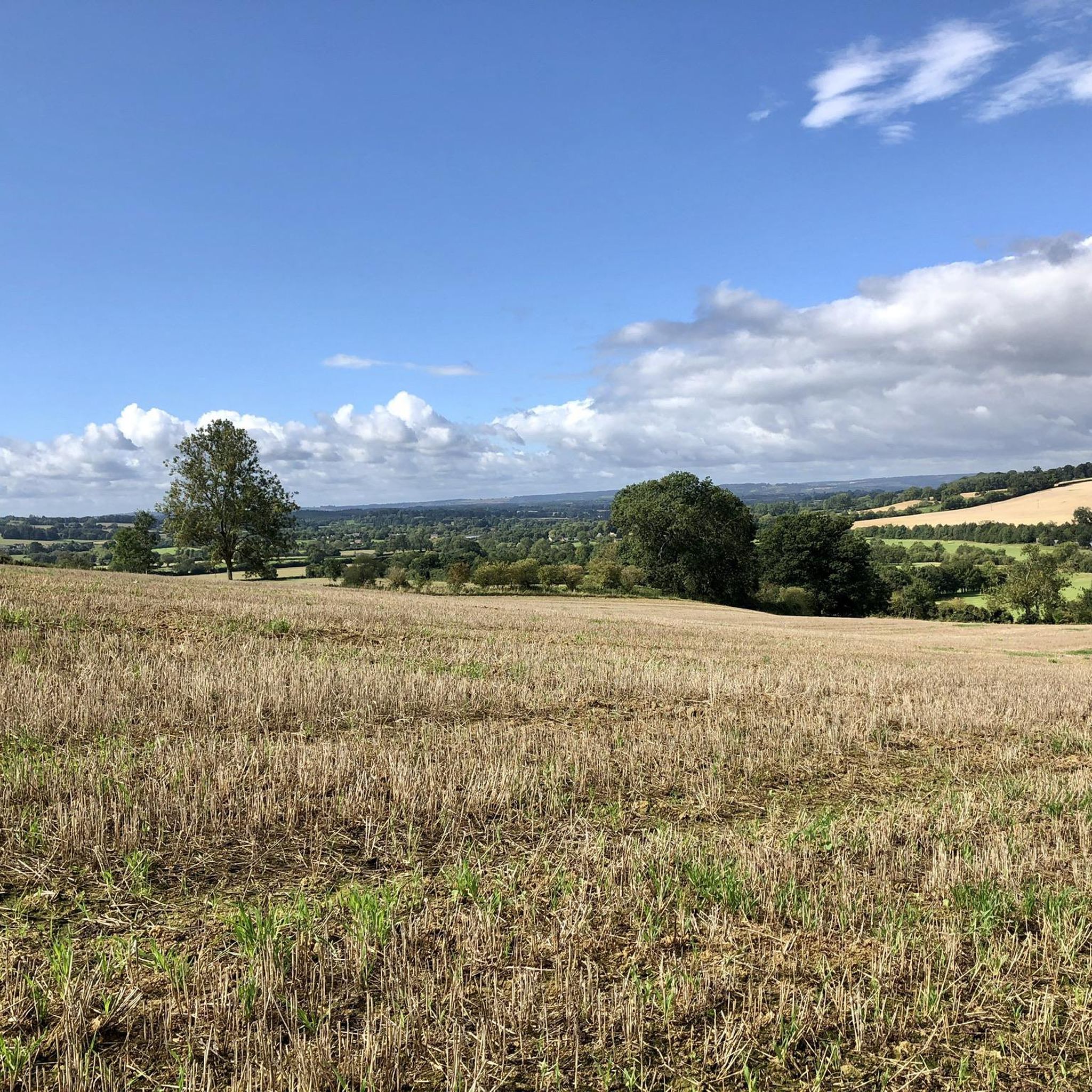
Fabulous walk allowing you to see the stone monuments erected 3,800 years BC. Special attention when you park by the road as there are thief’s that break your car window and take your belongings. This couple that arrive 10 minutes before us had their passports stolen! We opted to park in Salford and do the walk starting there. Safe parking there and plenty of spaces.
1
0

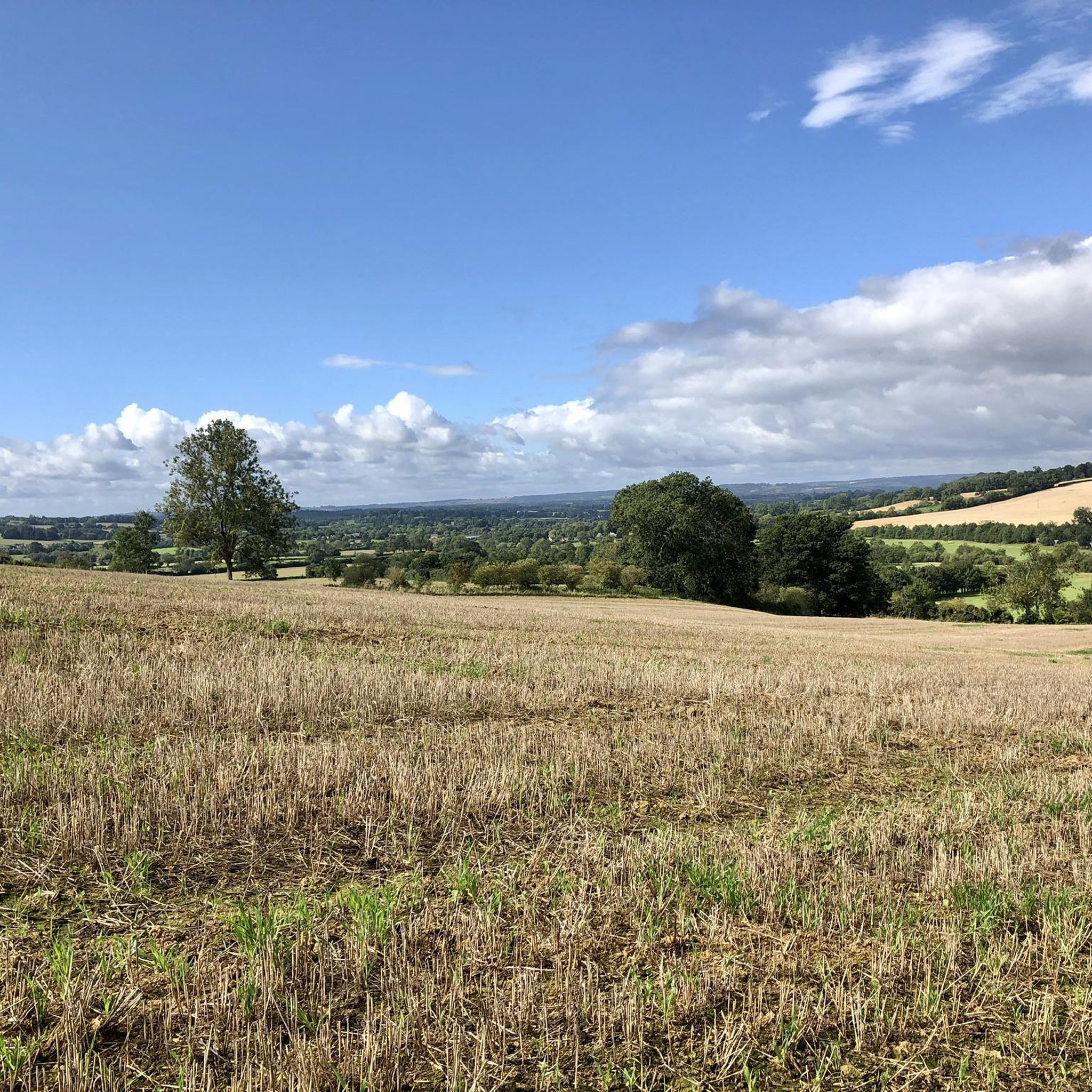
This is the location of the Battle of Edgehill, a pitched battle of the First English Civil War occurring on Sunday 23rd October 1642. A detailed information board stands here describing how the event unfolded, offering a fascinating window into the area's past.
1
0
The King Stone is a standing stone in the Cotswolds, England, which dates back to the Bronze Age. It is believed to have been a marker for ancient trade routes or a ceremonial site.
2
1
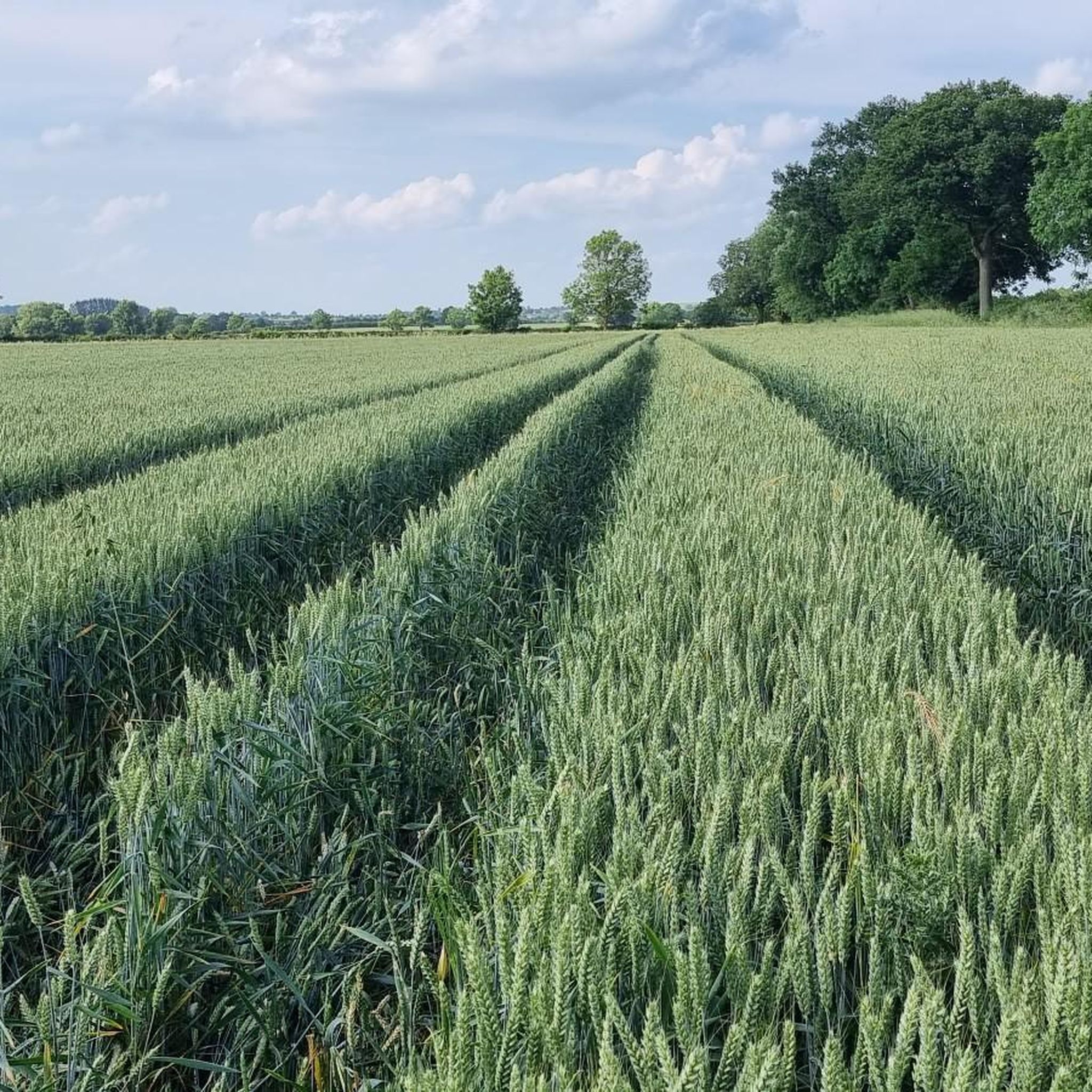
Enjoy fantastic views as you run through the countryside toward Wroxton Obelisk. In the spring and summer months, you will be delighted by a gorgeous display of blooming flowers that create a very picturesque setting.
0
1
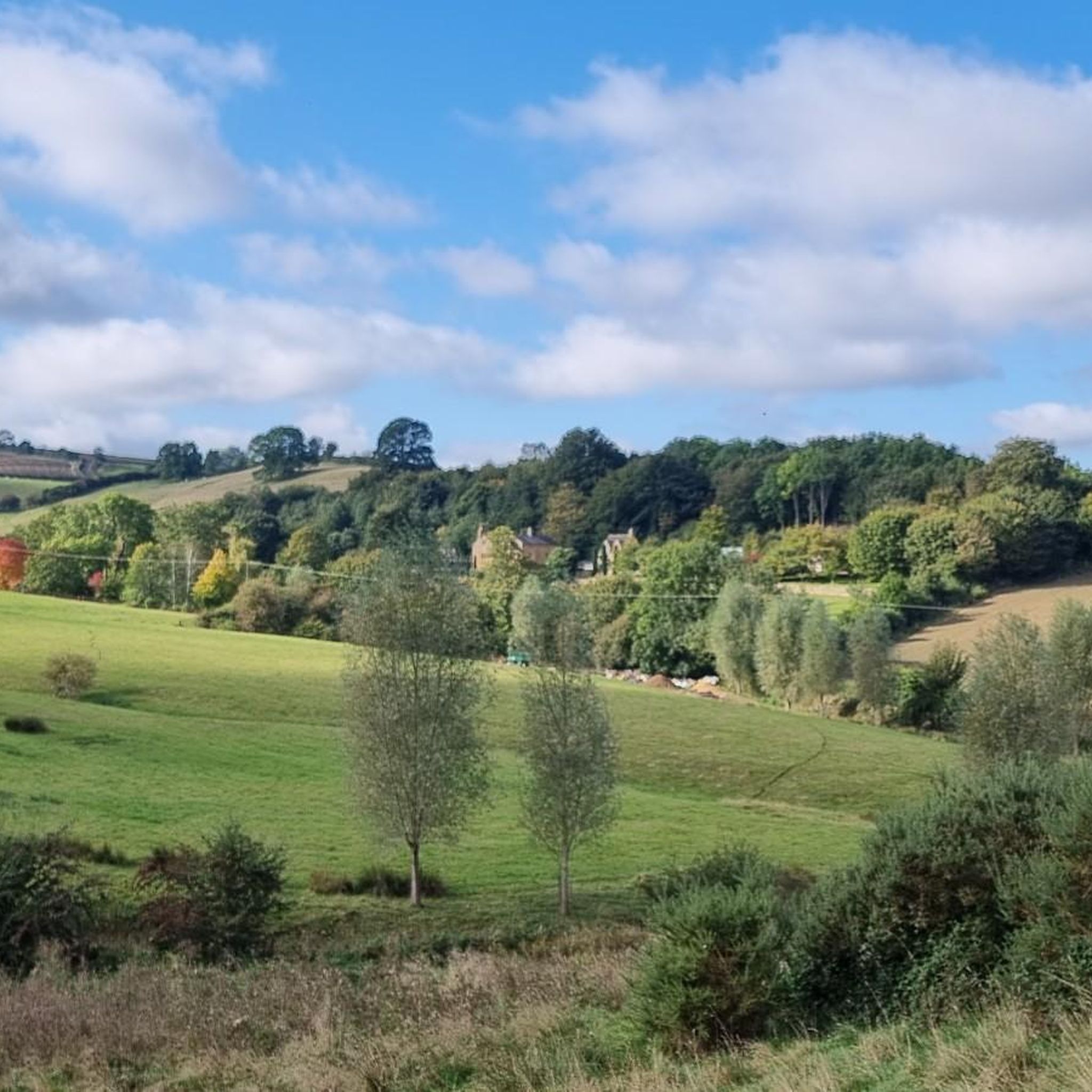
Read up on the fascinating history attached to the Whispering Knights stones, the third of the Rollright Stones collection in Oxfordshire.
1
0

The Battle of Edgehill (or Edge Hill) was a pitched battle of the First English Civil War. It was fought near Edge Hill and Kineton in southern Warwickshire on Sunday, 23 October 1642. All attempts at constitutional compromise between King Charles and Parliament broke down early in 1642. Both the King and Parliament raised large armies to gain their way by force of arms. In October, at his temporary base near Shrewsbury, the King decided to march to London in order to force a decisive confrontation with Parliament's main army, commanded by the Earl of Essex. Late on 22 October, both armies unexpectedly found the enemy to be close by. The next day, the Royalist army descended from Edge Hill to force battle. After the Parliamentarian artillery opened a cannonade, the Royalists attacked. Both armies consisted mostly of inexperienced and sometimes ill-equipped troops. Many men from both sides fled or fell out to loot enemy baggage, and neither army was able to gain a decisive advantage.
1
0


Remember to always keep a pace when going up a big hill
0
0
Frequently Asked Questions
What are the most significant natural features to explore around Brailes?
Beyond the ancient stone circles, the Brailes area offers several prominent natural features. Brailes Hill, the second-highest point in Warwickshire, provides expansive views across the Cotswold countryside, ideal for walks. Castle Hill, an ancient earthwork, offers a blend of natural elevation and historical significance with fine views. Gillett's Hill features open scrubland and diverse flora, offering a chance to experience local ecology as part of a longer walk.
Are there family-friendly natural monuments around Brailes?
Yes, several natural monuments are suitable for families. The King Stone, The Rollright Stones Stone Circle, King's Men Stone Circle, and The Whispering Knights are all categorized as family-friendly. The Battle of Edgehill Site also welcomes families and offers an educational experience with its historical information.
What kind of historical natural monuments can I visit in the area?
The region is rich in historical natural monuments. You can explore The King Stone, a Bronze Age standing stone, and the Neolithic Rollright Stones Stone Circle. Nearby, The Whispering Knights, a Neolithic burial chamber, and King's Men Stone Circle also offer insights into ancient history. Additionally, the Battle of Edgehill Site provides a historical viewpoint related to the English Civil War.
Are there hiking trails near the natural monuments around Brailes?
Yes, the area offers various hiking opportunities. You can find easy hikes around Brailes, including a 6.1-mile loop from Lower Brailes that provides panoramic views from Brailes Hill. For more options, explore the Easy hikes around Brailes guide, which features routes like the 'Battle of Edgehill Site – Tysoe Village loop' and 'Hiking loop from Brailes'.
What is the best time of year to visit the natural monuments in Brailes?
The natural monuments around Brailes are enjoyable year-round, but spring and autumn offer particularly pleasant conditions for walking. Spring brings blooming wildflowers and fresh greenery, while autumn showcases vibrant foliage. Clear days in any season will provide the best expansive views from elevated points like Brailes Hill and the various stone circles.
Are the natural monuments around Brailes dog-friendly?
Many of the natural monuments and surrounding trails in Brailes are dog-friendly, especially for walks in the countryside. When visiting sites like the stone circles, it's generally expected to keep dogs on a lead and clean up after them. Always check local signage for specific rules at each location.
What are the difficulty levels of walks around Brailes' natural monuments?
Walks around Brailes vary in difficulty. Many routes, such as those around the stone circles, are generally easy and suitable for most visitors. However, ascents to viewpoints like Brailes Hill can involve moderate climbs. For specific route details, including distance and difficulty, you can refer to guides like Easy hikes around Brailes.
Are there public transport options to reach the natural monuments near Brailes?
Public transport to the more rural natural monuments can be limited. Brailes village itself has some bus services, but reaching specific sites like the stone circles or hilltops often requires a car or a longer walk from the nearest bus stop. Planning your route in advance and checking local bus schedules is advisable. For detailed local transport information, you might consult resources like the Brailes village guide.
Where can I find parking when visiting natural monuments in Brailes?
Parking availability varies by location. For popular sites like the Rollright Stones, there is often dedicated parking nearby. For other natural features or trailheads, you may find roadside parking or small car parks in nearby villages. Always park responsibly and be mindful of local residents and agricultural access.
What other outdoor activities can I do near the natural monuments in Brailes?
Besides hiking, the Brailes area is excellent for cycling. You can find various cycling routes, from easy to difficult, exploring the Warwickshire countryside. Check out the Cycling around Brailes guide for touring bicycle routes or the Road Cycling Routes around Brailes guide for road biking options.
Are there any unique geological features among Brailes' natural monuments?
While not strictly geological monuments, the stone circles like The Rollright Stones are composed of heavily weathered local oolitic limestone, which gives them a distinctive appearance. The natural hills, such as Brailes Hill and Castle Hill, are prominent topographical features that define the local landscape and offer geological interest through their formation and composition.
Can I find pubs or cafes near the natural monuments in Brailes?
Brailes village and other nearby settlements offer amenities such as pubs and cafes where you can refresh yourself after exploring the natural monuments. It's a good idea to check opening times, especially if visiting during off-peak seasons or weekdays.
Most popular routes around Brailes
Most popular attractions around Brailes

Get inspired with the komoot mobile app


Explore more
Extend your search for the best caves by checking out these guides of the top ones around Brailes:
