Top 4 Natural Monuments around Appleton-With-Eaton
Natural monuments around Appleton-With-Eaton, a village in Oxfordshire, England, offer a blend of natural beauty and historical significance. The area features ancient woodland ecosystems and sites of ecological importance. Visitors can explore diverse habitats and discover unique natural heritage sites. This region provides opportunities to experience significant natural and historical landmarks.
Best natural monuments around Appleton-With-Eaton
- The most popular natural monuments is J. R. R. Tolkien Memorial Bench and Trees, a natural monument and historical site. This location commemorates…
Last updated: May 2, 2026
J. R. R. Tolkien Memorial Bench and Trees
Highlight • Natural Monument
Tip by

Jarn's Mound and Wild Garden
Highlight • Natural Monument
Tip by
Sign up now to discover places like this
Get recommendations on the best single tracks, peaks, & plenty of other exciting outdoor places.
Sign up for free
Rhododendron in Bagley Woods
Highlight • Natural Monument
Tip by

Devil's Quoits Stone Circle
Highlight • Natural Monument
Tip by
Observation Hides on the Boardwalk
Highlight • Structure
Tip by

Start today with a free account
Your next adventure awaits.
Login or Signup

Tips from the Community

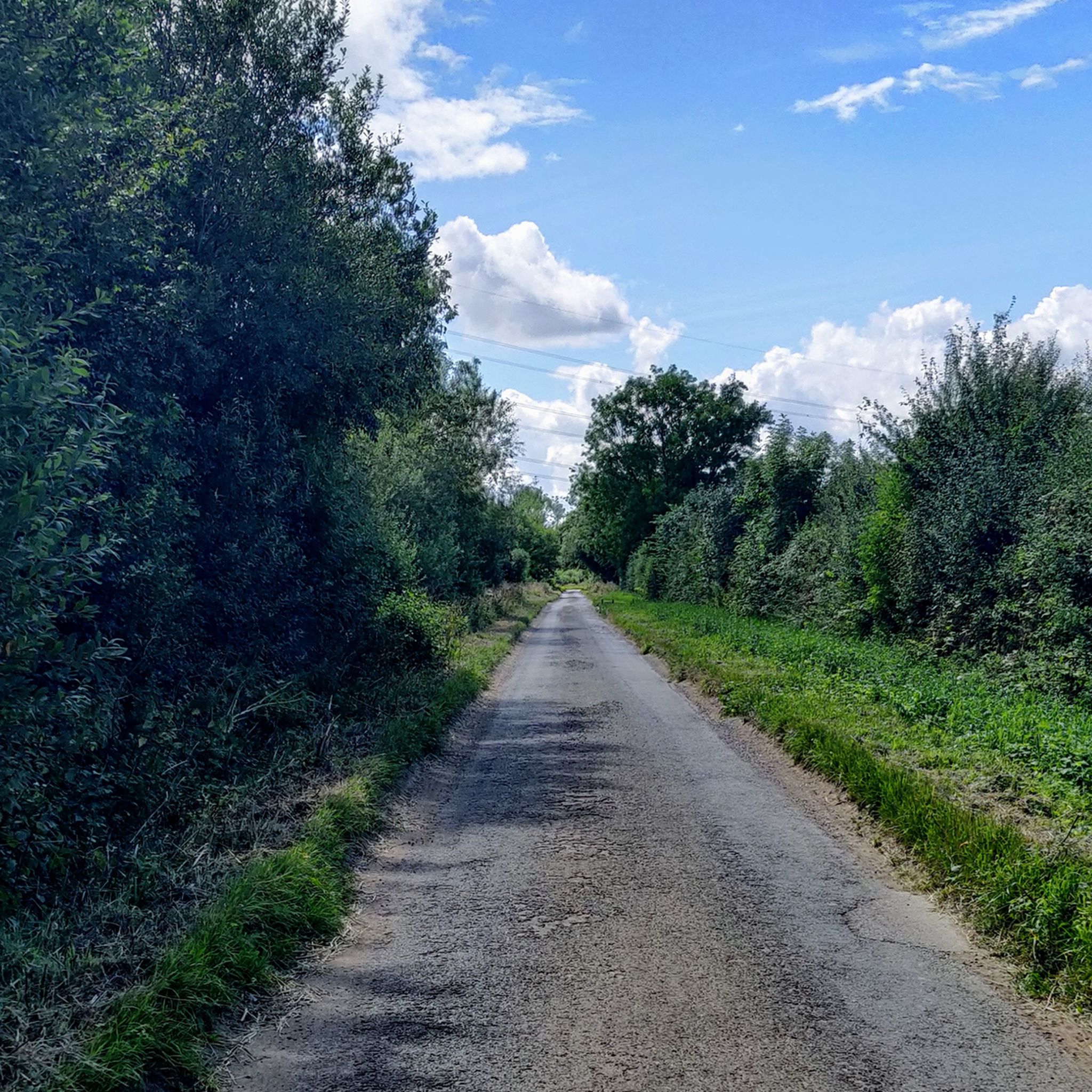
On the wooden path, supporting you during the floods, you can find two observation points (small huts), in one there are binoculars.
1
0

In 2012, Lisa Kuppler (Frankfurter Allgemeine Sonntagszeitung) paid tribute to the writer J.R.R. TOLKIEN (1892 to 1973), who invented a fictional world called Middle Earth inhabited by 'hobbits', with the words: "It is this complex creation of an entire world that makes 'The Lord of the Rings' the original text of the fantasy genre." Two decades earlier - on the occasion of his 100th birthday - a bench and two trees were dedicated to him here, in Oxford's university park. Tolkien's most popular work to date includes the volumes: "The Fellowship of the Ring" (Volume 1); "The Two Towers" (Volume 2); "The Return of the King" (Volume 3). Many people may not have read his books, but they know the film version of this great myth.
0
0

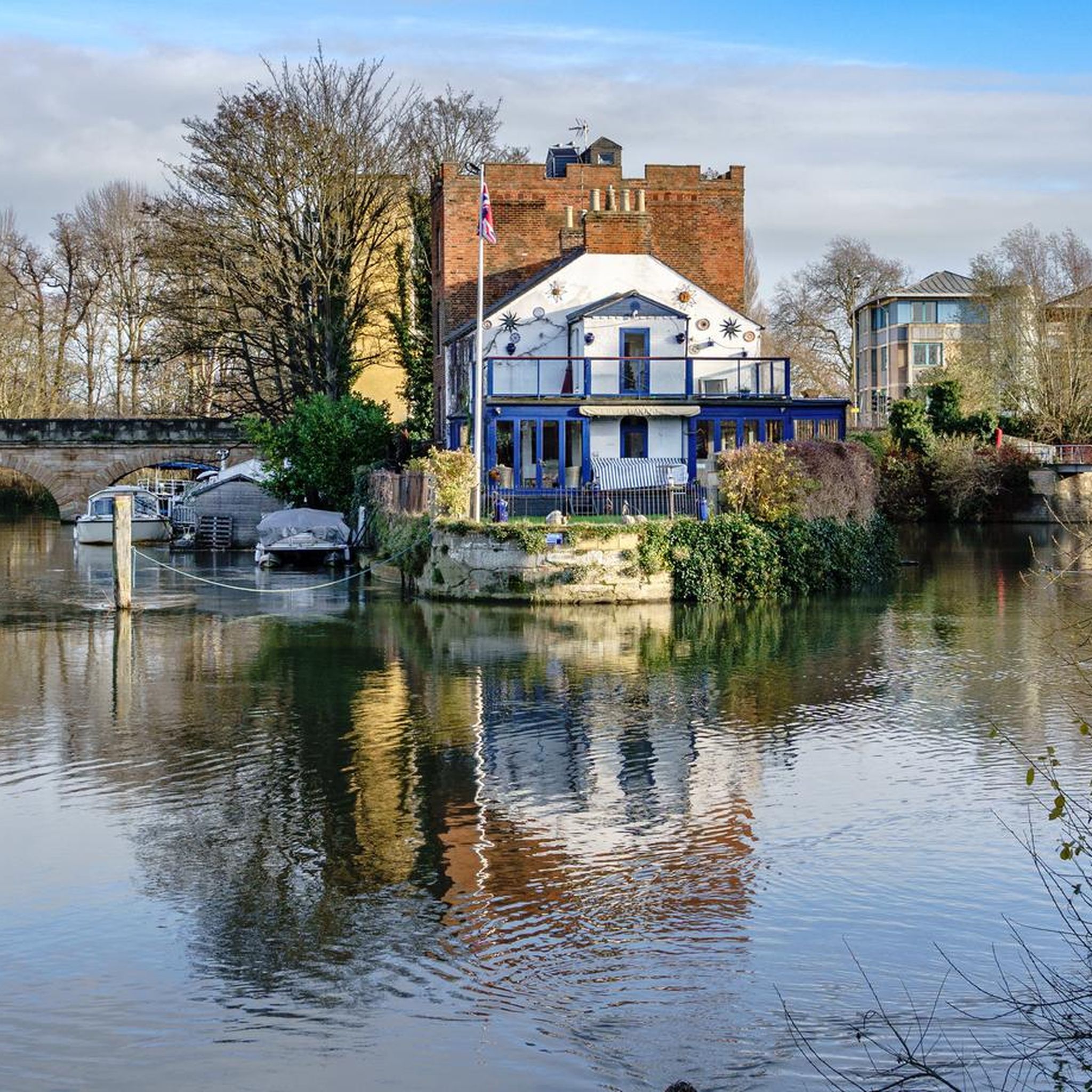
In 1992, to commemorate the centenary of Tolkien’s birth, the Tolkien Society and the Mythopoeic Society organised held a special collection for the installation of a memorial bench and planting of two trees in University Parks. The trees represent Laurelin (a false acacia) and Telperion (a silver maple) from The Silmarillion.
6
0
Neolithic stone circle from around 2900-2600BC - a remarkable site to visit.
6
0
Neolithic stone circle from around 2900-2600BC - a remarkable site to visit. You can learn more here: https://www.youtube.com/watch?v=npAxEvruu9M
5
0
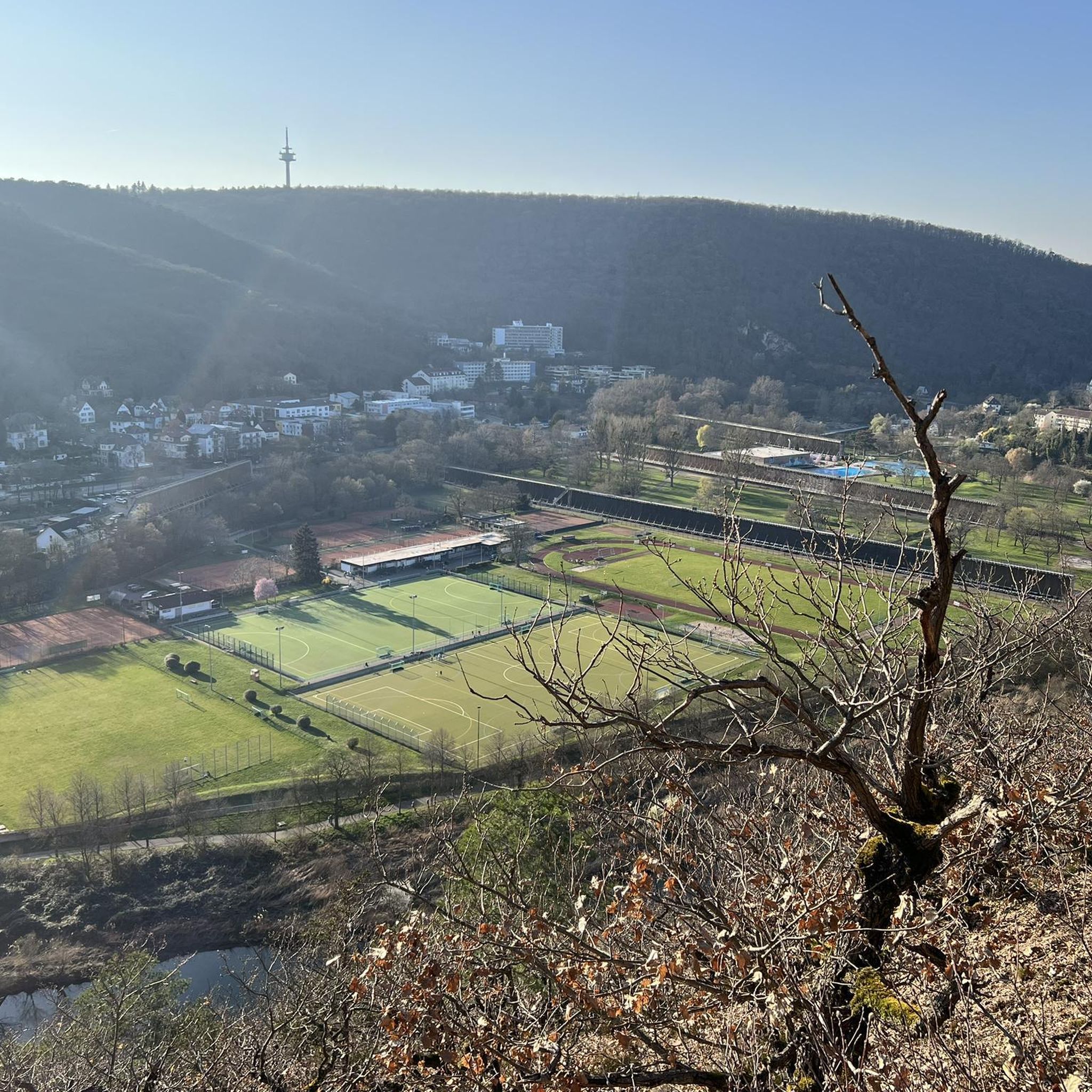
Jarn's Mound and Wild Garden was constructed by British archaeologist Sir Arthur Evans (1851-1941) who is best known for his excavation and reconstruction of the Bronze Age palace of Knossos on Crete. He lived on Boars Hill from 1894 until his death and was passionate about protecting the area and maintaining its beauty for others to enjoy. He constructed an artificial mound which is 15 metres high to bring out the magnificent views over to the city of Oxford in one direction, and the Vale of the White Horse in the other.
4
0
The Devil's Quoits is a reconstructed stone circle henge, originally dating from the late Neolithic period, probably around 2900-2600BC. The large site with a 115m diameter earth bank, internal 2m deep ditch and 75m diameter stone circle is likely to have been of great significance and will have been visible from the Ridgeway, Britain's oldest road. The stone circle consisted of 28 conglomerate stones, with one additional stone standing slightly offset to the south. It is a truly remarkable site; transporting you back to a time where people travelled along the Windrush Valley from its headwaters to its confluence with the Thames at Devil's Quoits and further downstream to the Big Rings at Dorchester on the Thames. Many hundreds of people would have gathered within the site, observing from the banks and participating in rituals in the centre.
3
0

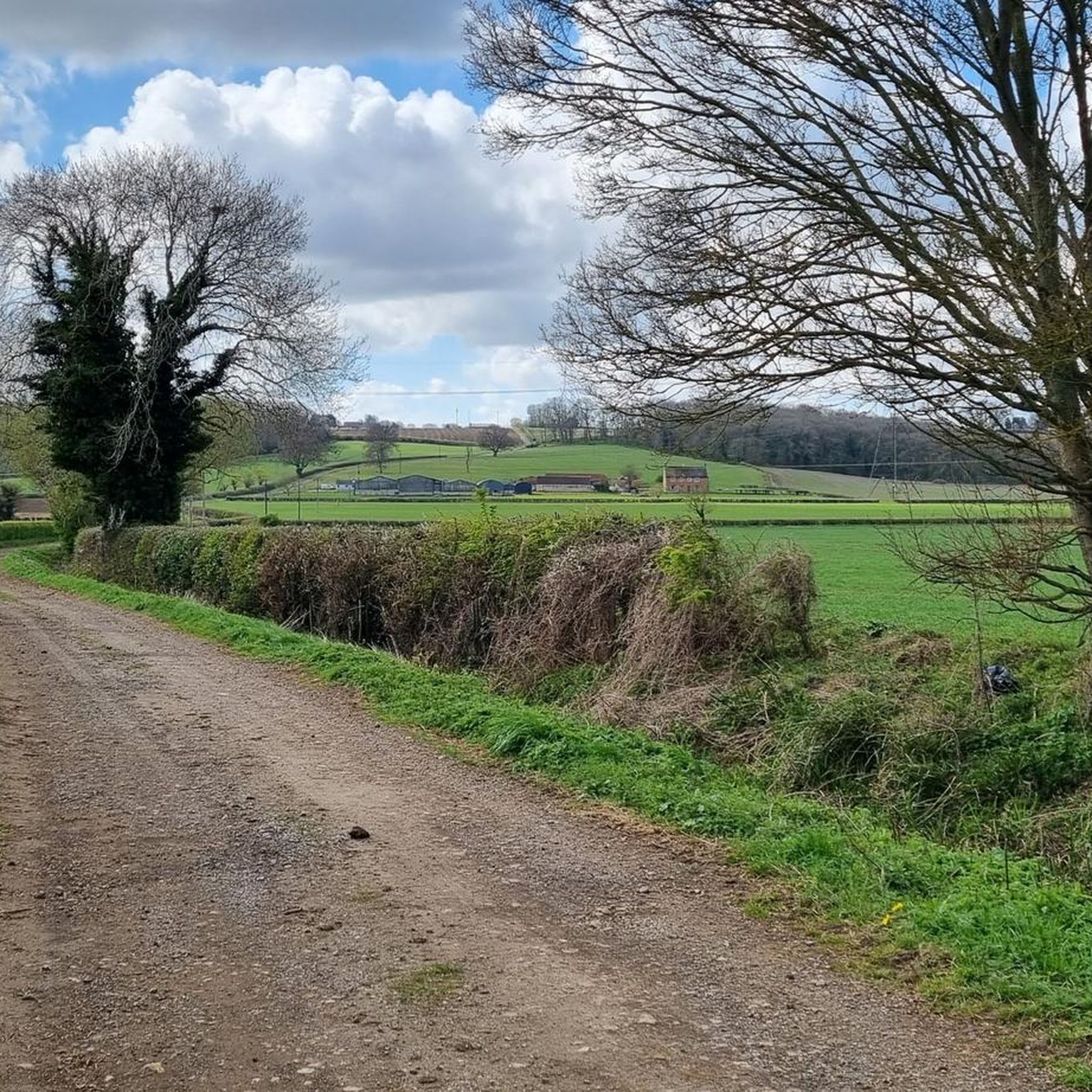
This beautiful Blossom tree can be found in the middle of Bagley Woods, an excellent stop off on your walk or ride.
1
0
Frequently Asked Questions
What kind of natural features can I expect to see around Appleton-With-Eaton?
The area is rich in diverse natural features. You can explore ancient woodland ecosystems like Appleton Common, which is a Site of Special Scientific Interest (SSSI) known for its ash and oak trees, rare mezereon shrub, and rich ground flora including bluebells and primroses. Other highlights include the forest setting of Rhododendron in Bagley Woods and the scenic views from Jarn's Mound and Wild Garden.
Are there historical natural monuments in the area?
Yes, several natural monuments in the region also hold historical significance. You can visit the J. R. R. Tolkien Memorial Bench and Trees, which commemorates the author's birth with a bench and two trees representing Laurelin and Telperion. The Jarn's Mound and Wild Garden was constructed by archaeologist Sir Arthur Evans. Additionally, the Devil's Quoits Stone Circle is a reconstructed Neolithic henge dating back to around 2900-2600 BC.
Where can I go for wildlife spotting near Appleton-With-Eaton?
Appleton Common is an excellent spot for wildlife. Its ancient woodland habitat supports a variety of insects, including the white admiral butterfly, as well as diverse lower plants like mosses, liverworts, lichens, and fungi. You can also find Observation Hides on the Boardwalk, which offer opportunities for birdwatching and observing other local fauna.
Are there family-friendly natural monuments to visit?
Many natural monuments in the area are suitable for families. The J. R. R. Tolkien Memorial Bench and Trees offers a peaceful spot for reflection. Rhododendron in Bagley Woods provides a lovely forest setting, and the Devil's Quoits Stone Circle is an intriguing historical site. The Observation Hides on the Boardwalk are also family-friendly, offering binoculars for wildlife viewing.
What makes Appleton Common special?
Appleton Common, particularly Appleton Lower Common, is special because it's an ancient woodland, continuously wooded since at least 1600 AD, and designated as a Site of Special Scientific Interest (SSSI). It features a canopy of ash and oak, rare species like the mezereon shrub, and a rich ground flora including early purple orchid, bluebell, and primrose. It's a significant natural heritage site showcasing centuries of natural development.
Are there walking trails near these natural monuments?
Yes, there are numerous walking opportunities. Appleton Lower Common has two public footpaths for exploration. For more extensive hiking, you can find various routes in the region, including easy loops like 'Holt Copse – Appleton Lower Common loop from Hitchcopse Pit'. You can explore more options on the Hiking around Appleton-With-Eaton guide.
Where can I find scenic viewpoints in the area?
For panoramic views, head to Jarn's Mound and Wild Garden. This 15-meter high artificial mound offers magnificent vistas over Oxford and the Vale of the White Horse. The Observation Hides on the Boardwalk also provide good vantage points for observing the surrounding natural landscape.
What is the best season to visit the natural monuments around Appleton-With-Eaton?
The best season depends on what you wish to experience. Spring is ideal for seeing woodland flowers like bluebells and primroses in places like Appleton Common. Summer offers pleasant weather for walks and wildlife spotting. Autumn brings beautiful foliage colours, while winter can provide a peaceful, crisp atmosphere for exploring the ancient woodlands.
What other outdoor activities can I do near these natural monuments?
Beyond hiking, the Appleton-With-Eaton area offers opportunities for cycling and mountain biking. You can find various routes, from easy to moderate, that allow you to explore the countryside. For detailed routes, refer to the Cycling around Appleton-With-Eaton guide and the MTB Trails around Appleton-With-Eaton guide.
Is Appleton Common accessible to visitors?
Yes, Appleton Lower Common is accessible to visitors via two public footpaths. These paths allow you to explore the ancient woodland and experience its unique flora and fauna. For more information about Appleton Common, you can visit the parish council's website: appleton-eaton-pc.gov.uk.
Can I bring my dog to the trails around Appleton-With-Eaton's natural monuments?
Many public footpaths and trails in the area, including those through Appleton Common and Bagley Woods, are generally dog-friendly. However, it's always recommended to keep dogs on a lead, especially in areas with wildlife or livestock, and to follow any local signage regarding dog access.
Most popular routes around Appleton-With-Eaton
Most popular attractions around Appleton-With-Eaton

Get inspired with the komoot mobile app


Explore more
Extend your search for the best caves by checking out these guides of the top ones around Appleton-With-Eaton:
