Top 5 Natural Monuments around Great Tew
Best natural monuments around Great Tew are found within the Cotswolds, an Area of Outstanding Natural Beauty characterized by undulating parkland and scenic vistas. The village is situated on a limestone ridge overlooking the Worton Valley, offering tranquil English countryside. The area is notable for its ancient megalithic sites that blend historical significance with their natural surroundings. These sites provide a tangible link to prehistoric societies within a natural setting.
Best natural monuments around Great Tew
- The most popular natural…
Last updated: June 30, 2026
The King Stone
Highlight • Monument
Tip by

The Rollright Stones Stone Circle
Highlight • Historical Site
Tip by

Sign up now to discover places like this
Get recommendations on the best single tracks, peaks, & plenty of other exciting outdoor places.
Sign up for free
The Whispering Knights
Highlight • Historical Site
Tip by
Blenheim Park Lake and The Pump House Waterfall
Highlight • Waterfall
Tip by

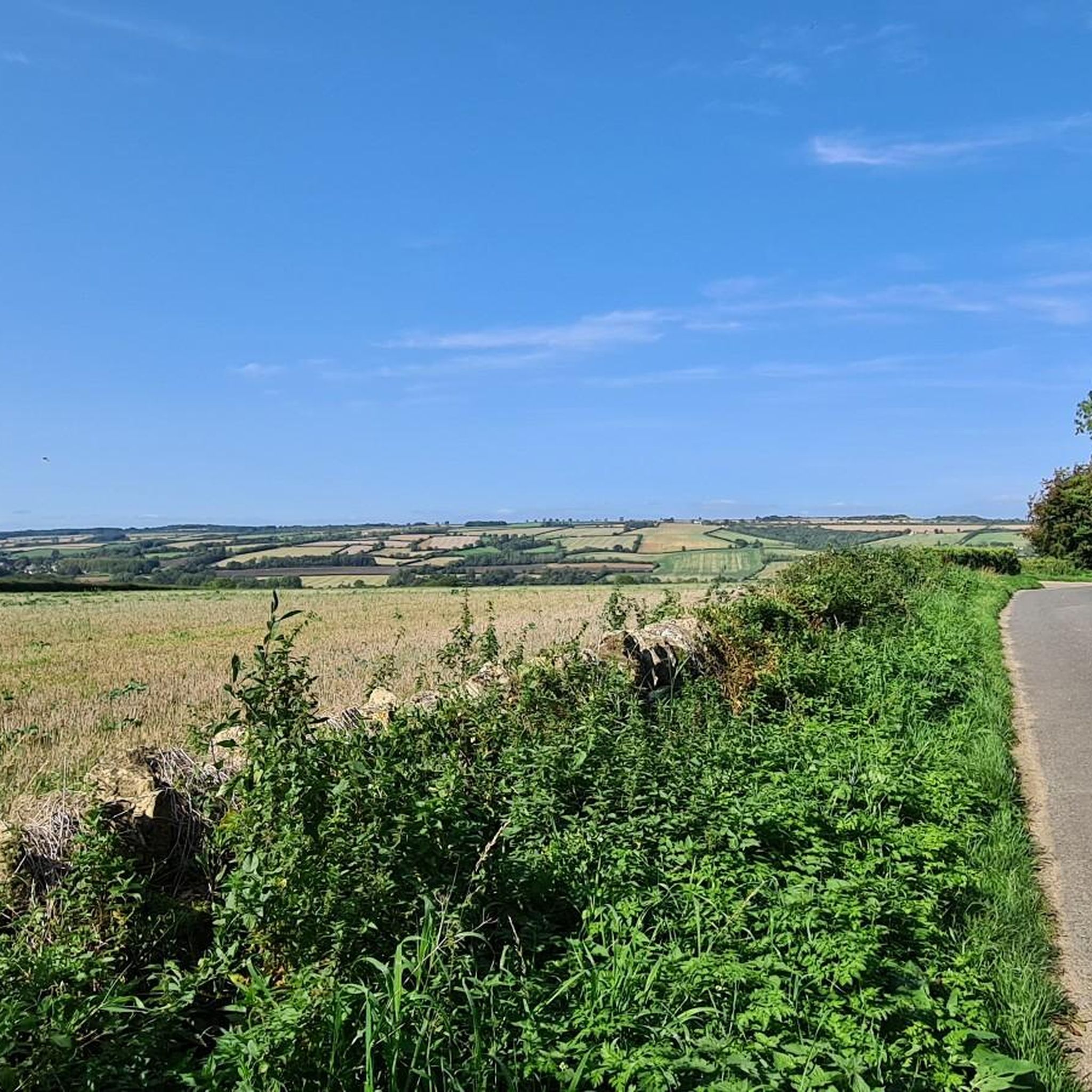
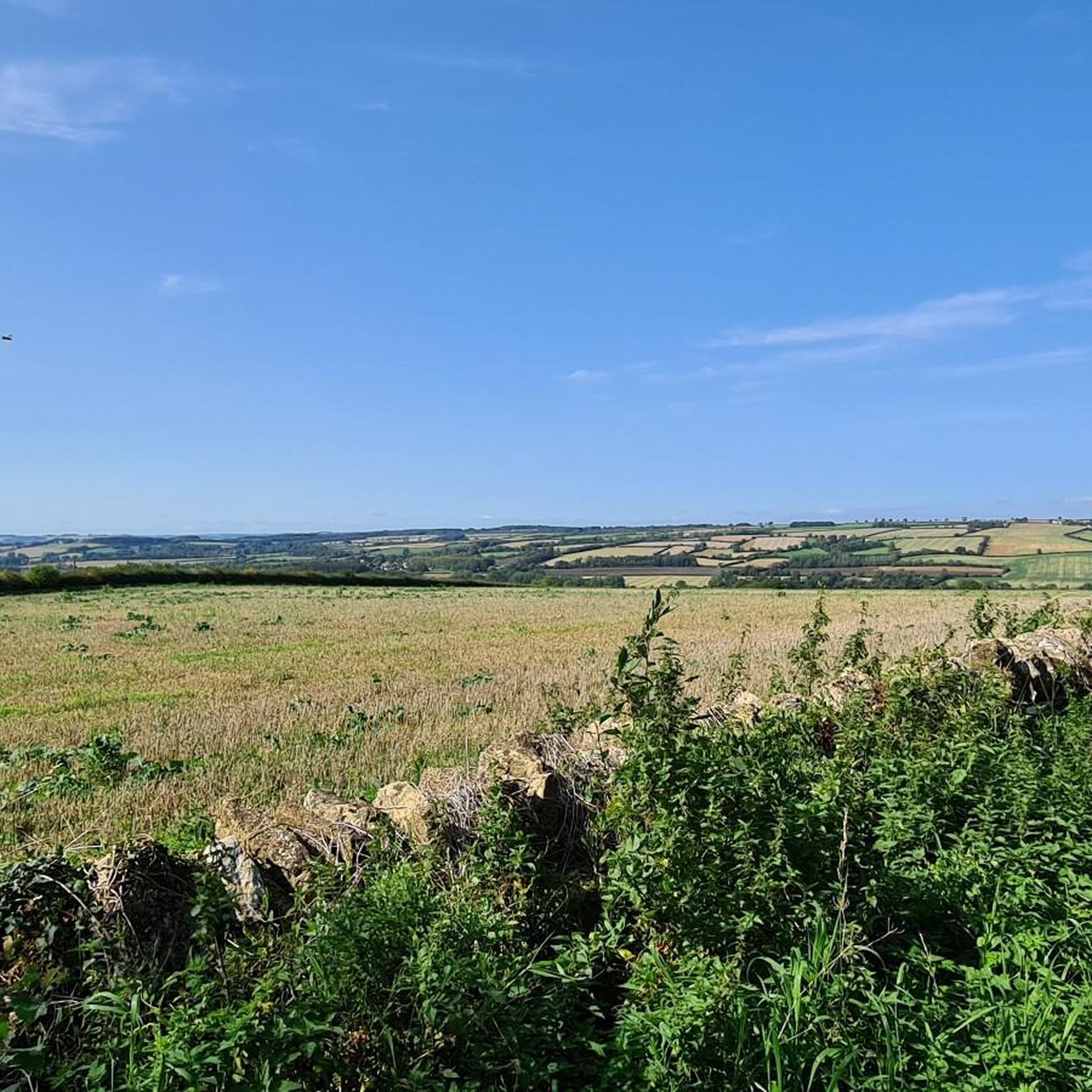
View of the Cotswolds Hills
Highlight • Natural Monument
Tip by

Sign up for free to discover even more natural monuments around Great Tew.
Sign up for free
Already have an account?
Start today with a free account
Your next adventure awaits.
Login or Signup


Tips from the Community


Fabulous walk allowing you to see the stone monuments erected 3,800 years BC. Special attention when you park by the road as there are thief’s that break your car window and take your belongings. This couple that arrive 10 minutes before us had their passports stolen! We opted to park in Salford and do the walk starting there. Safe parking there and plenty of spaces.
1
0

The King Stone is a standing stone in the Cotswolds, England, which dates back to the Bronze Age. It is believed to have been a marker for ancient trade routes or a ceremonial site.
1
0
Read up on the fascinating history attached to the Whispering Knights stones, the third of the Rollright Stones collection in Oxfordshire.
1
0

Indeed great views over the Cotswolds hills. Worth a quick stop.
0
0

Remember to always keep a pace when going up a big hill
0
0

554 acres (224 ha) of glorious parkland await at Blenheim Park, which occupies most of Blenheim Palaces' grounds. The park is a designated Site of Special Scientific Interest due to the habitats it supports. Whilst you have to pay to enter the palace and formal gardens, the park's many footpaths are free to enter. You can take a stroll by the lake, explore the woodland areas, or find a tranquil spot for a picnic.
0
0

The King Stone was erected in early to middle Bronze Age, probably around 1,500 BC. Rather than relating directly to the much older Neolithic Stone Circle, the King Stone was likely erected as a permanent memorial to the Bronze Age round cairn 17m across with a central chamber, which lies immediately to the north-east set exactly on the top the ridge.
1
0
Frequently Asked Questions
What types of natural monuments can I explore around Great Tew?
The area around Great Tew is primarily known for its ancient megalithic sites, which blend historical significance with natural surroundings. These include stone circles, standing stones, and dolmens. Beyond these, you'll find natural landscapes characteristic of the Cotswolds, such as undulating parkland and scenic vistas.
What is the significance of The Rollright Stones complex?
The Rollright Stones complex is a collection of three distinct Neolithic and Bronze Age megalithic monuments: The Rollright Stones Stone Circle, The King Stone, and The Whispering Knights. They offer a tangible link to prehistoric societies, inviting contemplation of ancient rituals and beliefs against the backdrop of the rolling Cotswold landscape. Their profound historical and archaeological importance, coupled with atmospheric legends, makes them a unique site.
Are there family-friendly natural monuments around Great Tew?
Yes, several natural monuments are suitable for families. The entire Rollright Stones complex, including The Rollright Stones Stone Circle, The King Stone, and The Whispering Knights, is considered family-friendly. Additionally, Blenheim Park Lake and The Pump House Waterfall offers extensive parkland for families to explore.
What is the best time of year to visit the natural monuments?
The natural monuments around Great Tew can be visited year-round. Spring and summer offer pleasant weather for exploring the outdoor sites and enjoying the lush Cotswold scenery. Autumn brings beautiful foliage, while winter can provide a stark, atmospheric experience, especially at the ancient stone sites. Always check local weather conditions before your visit.
Can I bring my dog to the natural monuments?
Many outdoor natural monuments, especially those in rural settings like the Rollright Stones, are generally dog-friendly, provided dogs are kept on a lead and owners clean up after them. For specific sites like Blenheim Park, it's advisable to check their official visitor guidelines regarding dogs, as rules can vary within managed estates.
What outdoor activities can I do near these natural monuments?
The area around Great Tew offers various outdoor activities. You can find numerous hiking trails, including easy loops like the 'Great Tew & Little Tew loop'. There are also running routes and road cycling routes that allow you to explore the scenic countryside and reach many of the natural monuments.
Are there any viewpoints among the natural monuments?
Yes, The Rollright Stones Stone Circle is noted as a viewpoint, offering great views of the surrounding landscape. The general area around Great Tew, situated on a limestone ridge overlooking the Worton Valley, also provides tranquil English countryside vistas.
Where can I find parking when visiting the natural monuments?
Parking availability varies by site. For the Rollright Stones, there is typically roadside parking available. When visiting Blenheim Park Lake and The Pump House Waterfall, dedicated parking facilities are usually available within the Blenheim Palace estate. Always look for designated parking areas and be mindful of local regulations.
Are there cafes or pubs near the natural monuments for refreshments?
While the natural monuments themselves are often in rural settings, the village of Great Tew and nearby towns offer options for refreshments. You can find pubs and cafes in Great Tew itself, and more extensive choices in larger nearby settlements. It's a good idea to plan your route to include a stop for food and drink.
What is Blenheim Park Lake and The Pump House Waterfall?
Blenheim Park Lake and The Pump House Waterfall is a significant natural feature within the 554 acres of parkland at Blenheim Palace. This area is a designated Site of Special Scientific Interest due to its rich habitats. While the palace and formal gardens require an entry fee, many of the park's footpaths are free to access, allowing visitors to stroll by the lake and explore woodland areas.
What is the King Stone?
The King Stone is a Bronze Age standing stone, part of the wider Rollright Stones complex. Erected around 1,500 BC, it is believed to have served as a marker for ancient trade routes or a ceremonial site, possibly related to a nearby Bronze Age round cairn. It stands as a permanent memorial with historical significance.
What are the Whispering Knights?
The Whispering Knights are a dolmen, or portal tomb, forming another part of the Rollright Stones complex. Built in the early Neolithic period around 3,800 BC, it consists of four upright stones and a large fallen capstone, making it one of Britain's earliest funerary monuments.
Most popular routes around Great Tew
Most popular attractions around Great Tew

Get inspired with the komoot mobile app


Explore more
Extend your search for the best caves by checking out these guides of the top ones around Great Tew:
