Top 18 Natural Monuments around Carrowreagh Mountain
Best natural monuments around Carrowreagh Mountain showcase the region's rugged upland terrain and diverse natural features. The area's landscape has been shaped by ancient geological processes, including glacial activity, creating distinct ridges, peaks, and valleys. Visitors can experience the serene beauty of Irish uplands, characterized by heathland, blanket bog, and mountain streams. These environments support a range of flora and fauna, offering opportunities for ecological interest and appreciation of geological forces.
Best natural monuments around Carrowreagh Mountain
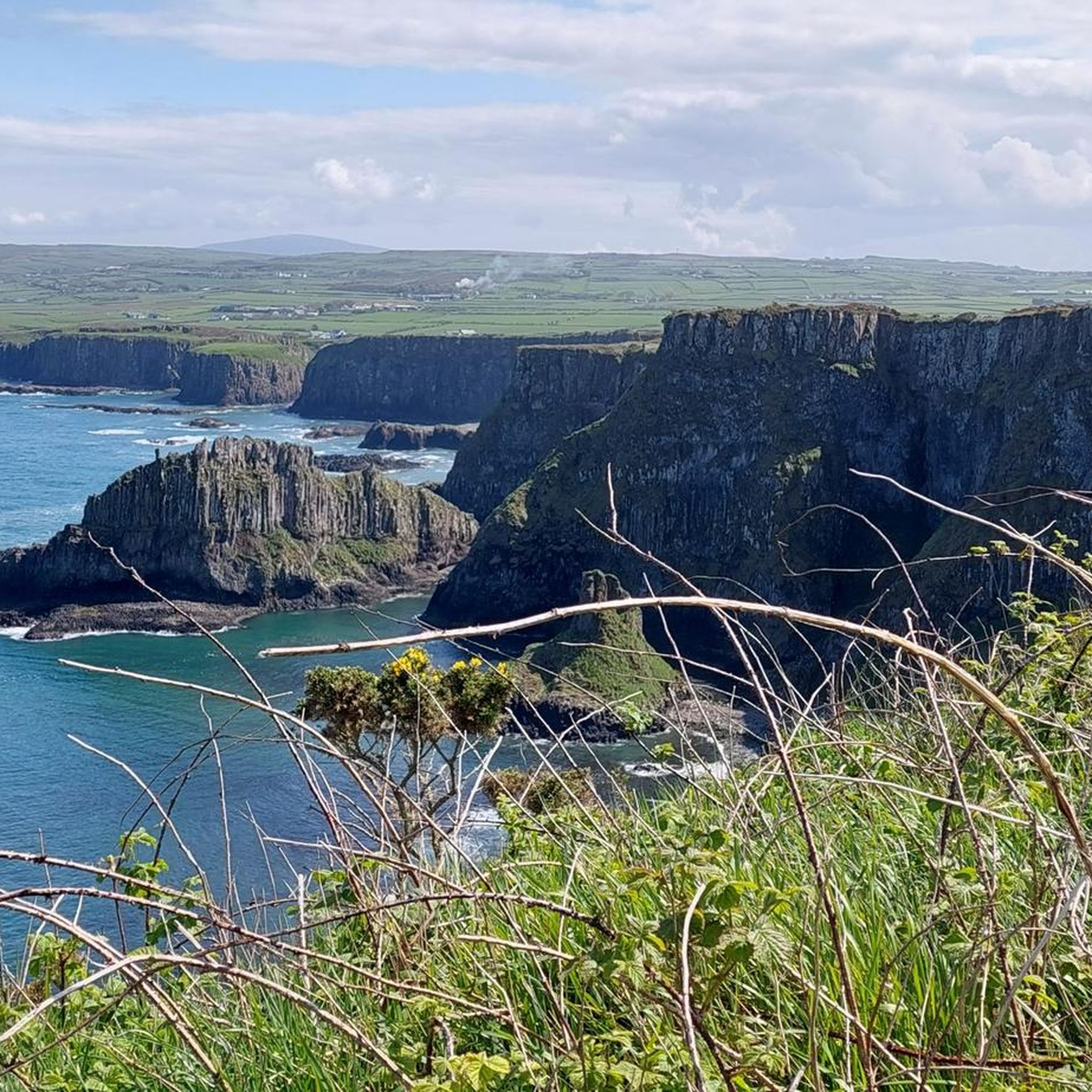
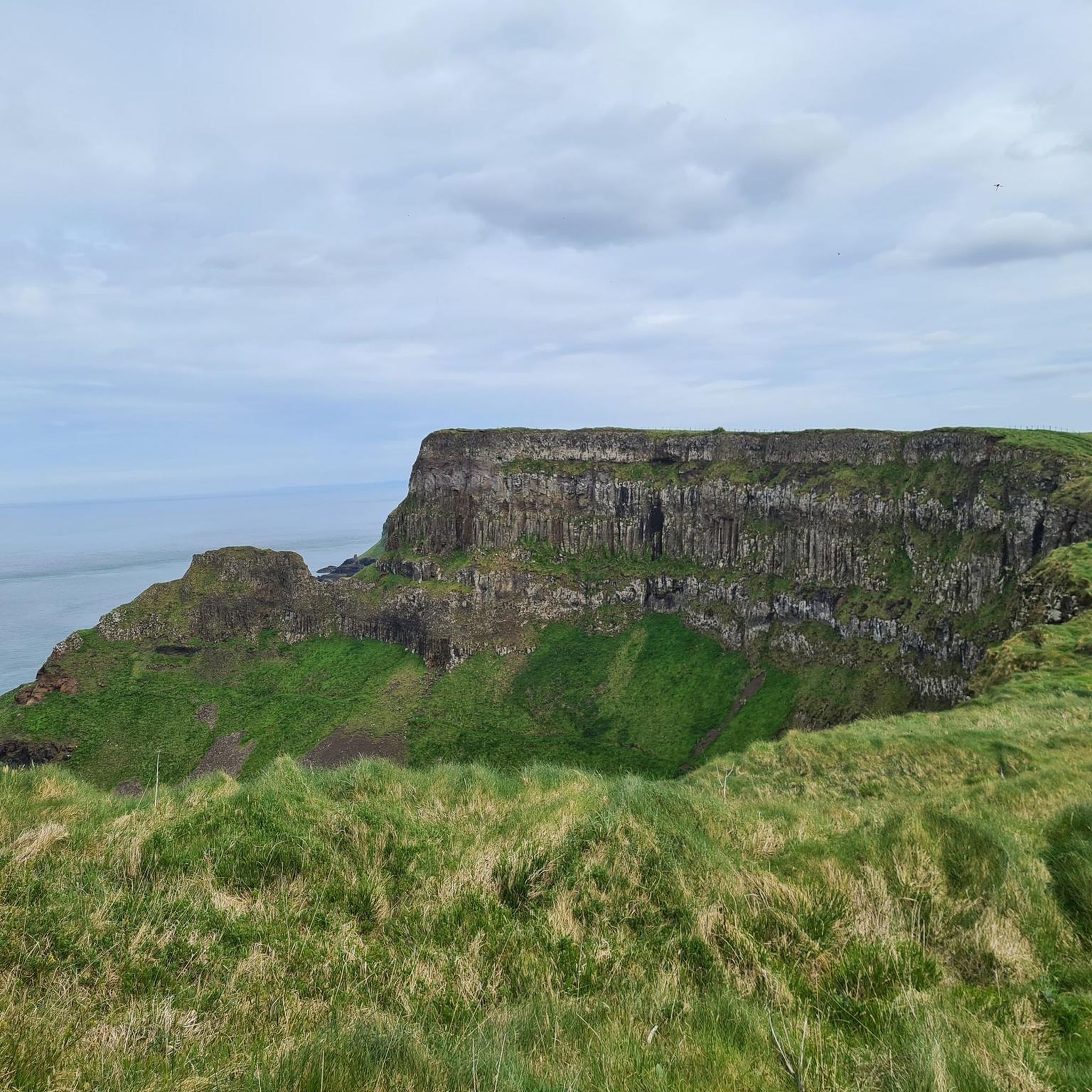
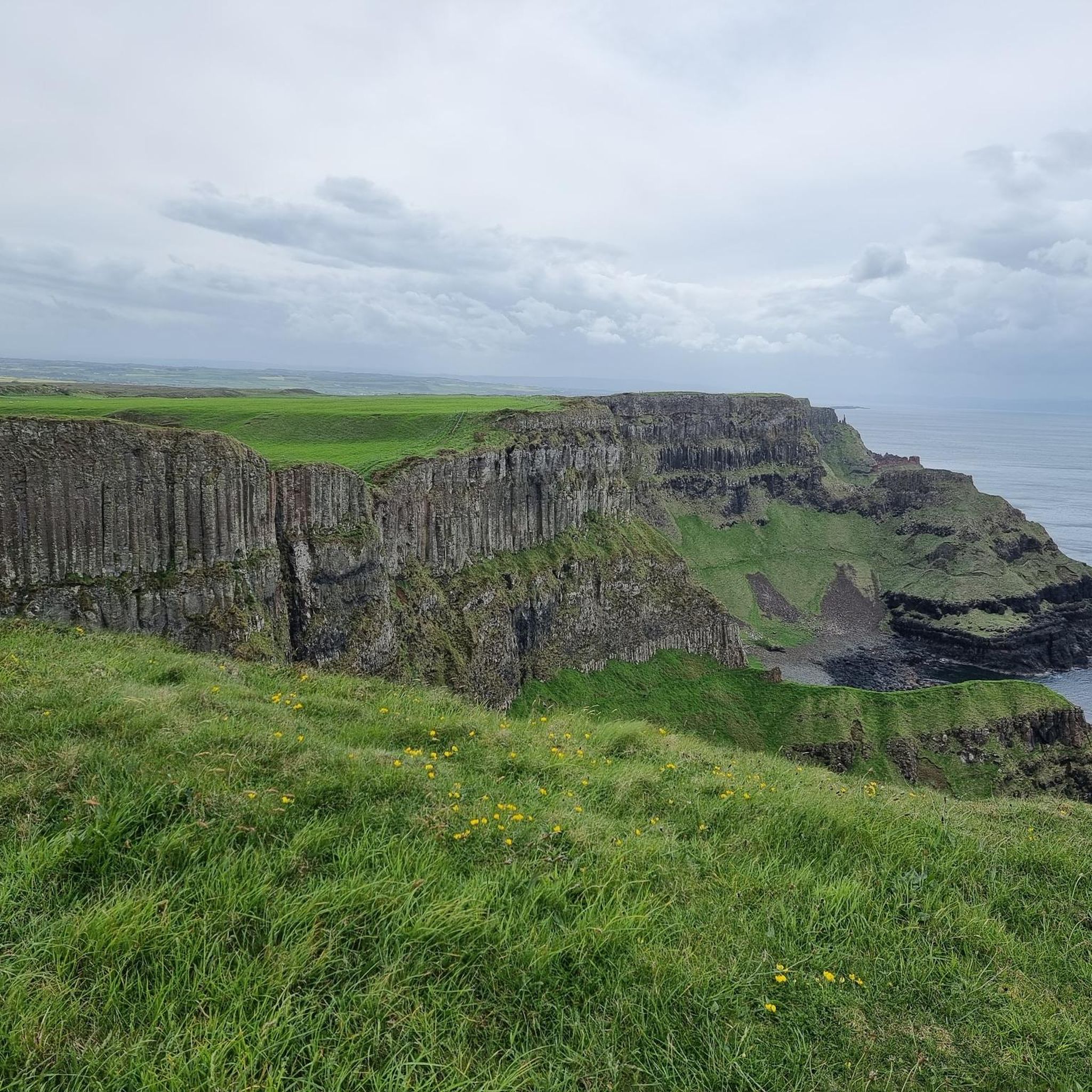
- The most popular natural monuments is Giant's Causeway, a natural monument that features approximately 40,000 interlocking basalt columns. This formation is the result of an ancient volcanic fissure eruption and is a UNESCO World Heritage Site.
- Another must-see spot is The Organ — Giant's Causeway, a natural monument with a basalt cliff formation resembling huge church organ pipes. This impressive spectacle is located a short distance from the main Giant's Causeway site.
- Visitors also love Fionn Mac Cumhaill's Shoe, a unique rock formation shaped by the sea. This landmark provides an interesting point of interest within the Giant's Causeway area.
- Carrowreagh Mountain is known for its unique geological formations, diverse habitats, and scenic viewpoints. The area offers a variety of natural monuments, from basalt columns to sea-carved rock shapes, providing insights into the region's natural history.
- The natural monuments around Carrowreagh Mountain are appreciated by the komoot community, with more than 475 photos and over 460 upvotes shared by visitors.
Last updated: October 30, 2026
Giant's Causeway
Highlight • Natural Monument
Tip by

The Amphitheatre (Port Reostan)
Highlight • Viewpoint
Tip by

Sign up now to discover places like this
Get recommendations on the best single tracks, peaks, & plenty of other exciting outdoor places.
Fionn Mac Cumhaill's Shoe
Highlight • Natural Monument
Of course you should have a little imagination to discover certain forms of life in these formations, but it's fun.
Translated by Google •
Tip by

Dunluce Castle Ruins
Highlight • Natural Monument
Tip by
The Camel Rock Formation
Highlight • Natural
Translated by Google •
Tip by

Sign up for free to discover even more natural monuments around Carrowreagh Mountain.
Already have an account?
Start today with a free account
Your next adventure awaits.
Tips from the Community


The amphitheater in Northern Ireland is an impressive archaeological site, fascinating for its historical significance and impressive architecture. The complex offers insight into ancient culture and is a fascinating place for history buffs. The atmosphere is tranquil and invites reflection on the past. The amphitheater is an important monument that reflects Northern Ireland's rich history.
2
0
Dunluce Castle in Northern Ireland is an impressive ruin perched on a cliff above the sea. Its dramatic location and rugged rocky landscape lend the castle a special atmosphere. The remains tell a rich history and offer fascinating insights into medieval defensive architecture. The views of the sea and the surrounding nature make a visit an unforgettable experience. Dunluce Castle is a place that combines both history and nature in a striking way.
2
0

De Burgh's castle was primarily a military fortress, notable for its robust defensive features typical of Norman architecture. The design included impressive walls and strategic positioning to take advantage of the natural defensive advantages of the clifftop location.
2
0

Luckily there is a sign to point the right direction and give a hint of the outline of the camel, otherwise it would be a bit hard to spot this rock formation.
3
0


If you look closely, you can see the rock in the shape of a camel
3
0

A very impressive castle, part of which has collapsed into the sea along with the cliff. The visit can easily be combined with a visit to the Giant's Causeway.
3
0
Frequently Asked Questions
What are some of the most impressive natural monuments to visit around Carrowreagh Mountain?
The region around Carrowreagh Mountain is renowned for its unique geological formations. Among the most impressive is the Giant's Causeway, a UNESCO World Heritage Site featuring approximately 40,000 interlocking basalt columns. Nearby, you can also marvel at The Organ — Giant's Causeway, a basalt cliff formation resembling huge church organ pipes, and Fionn Mac Cumhaill's Shoe, a unique sea-carved rock formation.
What kind of natural features can I expect to see around Carrowreagh Mountain?
Carrowreagh Mountain offers a landscape shaped by ancient geological processes, including glacial activity, resulting in distinct ridges, peaks, and valleys. You'll find diverse habitats such as heathland and blanket bog at higher elevations, along with freshwater bog pools and mountain streams. The area is characterized by its rugged upland terrain and scenic vistas, providing a true sense of Ireland's elemental beauty.
Are there hiking trails near the natural monuments around Carrowreagh Mountain?
Yes, there are several hiking opportunities. For instance, you can explore trails like the 'Giant's Causeway via The Ampitheatre' or the 'Dunseverick to Giant's Causeway' route. These trails offer varying difficulties, from easy to moderate, allowing you to experience the natural beauty up close. You can find more details on these and other hiking routes in the Hiking around Carrowreagh Mountain guide.
Are there family-friendly natural monuments or activities around Carrowreagh Mountain?
Many of the natural monuments in the area are suitable for families. The Giant's Causeway and Fionn Mac Cumhaill's Shoe are both categorized as family-friendly, offering fascinating sights that can spark imagination. The varied terrain also provides opportunities for easy walks and exploration, making it an engaging experience for all ages.
What is the geological significance of the natural monuments in the Carrowreagh Mountain area?
The natural monuments around Carrowreagh Mountain are primarily a result of ancient volcanic activity and subsequent glacial sculpting. The Giant's Causeway, for example, was formed by an ancient volcanic fissure eruption that created its distinctive basalt columns. The broader landscape shows evidence of glacial action, which carved out the region's ridges, peaks, and valleys, contributing to its unique geological diversity.
When is the best time to visit the natural monuments around Carrowreagh Mountain?
The best time to visit often depends on your preference for weather and crowd levels. Spring and autumn generally offer milder temperatures and fewer crowds, making them ideal for hiking and exploring. Summer provides longer daylight hours but can be busier. While specific weather patterns vary, the rugged beauty of the region can be appreciated year-round, though some trails might be more challenging in winter conditions.
What kind of wildlife can I observe around Carrowreagh Mountain's natural monuments?
The diverse habitats of Carrowreagh Mountain, including heathland, blanket bog, and mountain streams, support a range of resilient wildlife. You might spot Irish Hares in the upland grassland environments. Birds of prey like Peregrine Falcons and Ravens are known to inhabit mountainous regions, often nesting on cliffs. The area's ecological diversity makes it an interesting spot for nature enthusiasts.
Are there any historical sites alongside the natural monuments?
Yes, the region offers a blend of natural and historical wonders. A notable historical site is the Dunluce Castle Ruins, a medieval castle perched dramatically on a basalt outcropping. While not a natural monument itself, its location and history are deeply intertwined with the area's geology, offering a fascinating glimpse into both natural and human heritage.
What do visitors particularly enjoy about the natural monuments around Carrowreagh Mountain?
Visitors frequently express awe at the unique geological formations, such as the basalt columns of the Giant's Causeway and the impressive cliff formations like The Organ. Many appreciate the opportunity to immerse themselves in the serene and rugged beauty of the Irish uplands, away from more crowded areas, and enjoy the expansive scenic views offered by sites like The Amphitheatre (Port Reostan).
Can I go road cycling or running near these natural monuments?
Absolutely! The area around Carrowreagh Mountain offers excellent opportunities for both road cycling and running. You can find various routes, such as the 'View of Torr Head – The Old Bushmills Distillery loop' for road cycling, or the 'Causeway Coast Way' for running. These routes allow you to explore the stunning coastal and mountain scenery. More information can be found in the Road Cycling Routes around Carrowreagh Mountain and Running Trails around Carrowreagh Mountain guides.
Are there any lesser-known natural gems worth exploring near Carrowreagh Mountain?
While the Giant's Causeway is world-famous, exploring areas like The Amphitheatre (Port Reostan) offers equally dramatic and picturesque rock formations that might feel a bit more secluded. The entire coastline is dotted with unique sea-carved shapes and viewpoints, providing opportunities to discover your own hidden gems away from the main crowds.
Most popular attractions around Carrowreagh Mountain

Get inspired with the komoot mobile app


Explore more
Extend your search for the best caves by checking out these guides of the top ones around Carrowreagh Mountain:
