Top 14 Natural Monuments around Ballyness
Best natural monuments around Ballyness include the Ballyness Bay Special Area of Conservation, a significant coastal and marine complex in County Donegal, Ireland. This area features extensive sand flats, diverse sand dune systems, and a rich ecosystem supporting over 40 species of birds and various plant life. It is recognized for its geological makeup of pelites, limestone, and quartzite, often covered by windblown sand and peat. The region offers opportunities for birdwatching, wildlife spotting, and scenic walks along the Wild…
Last updated: June 30, 2026
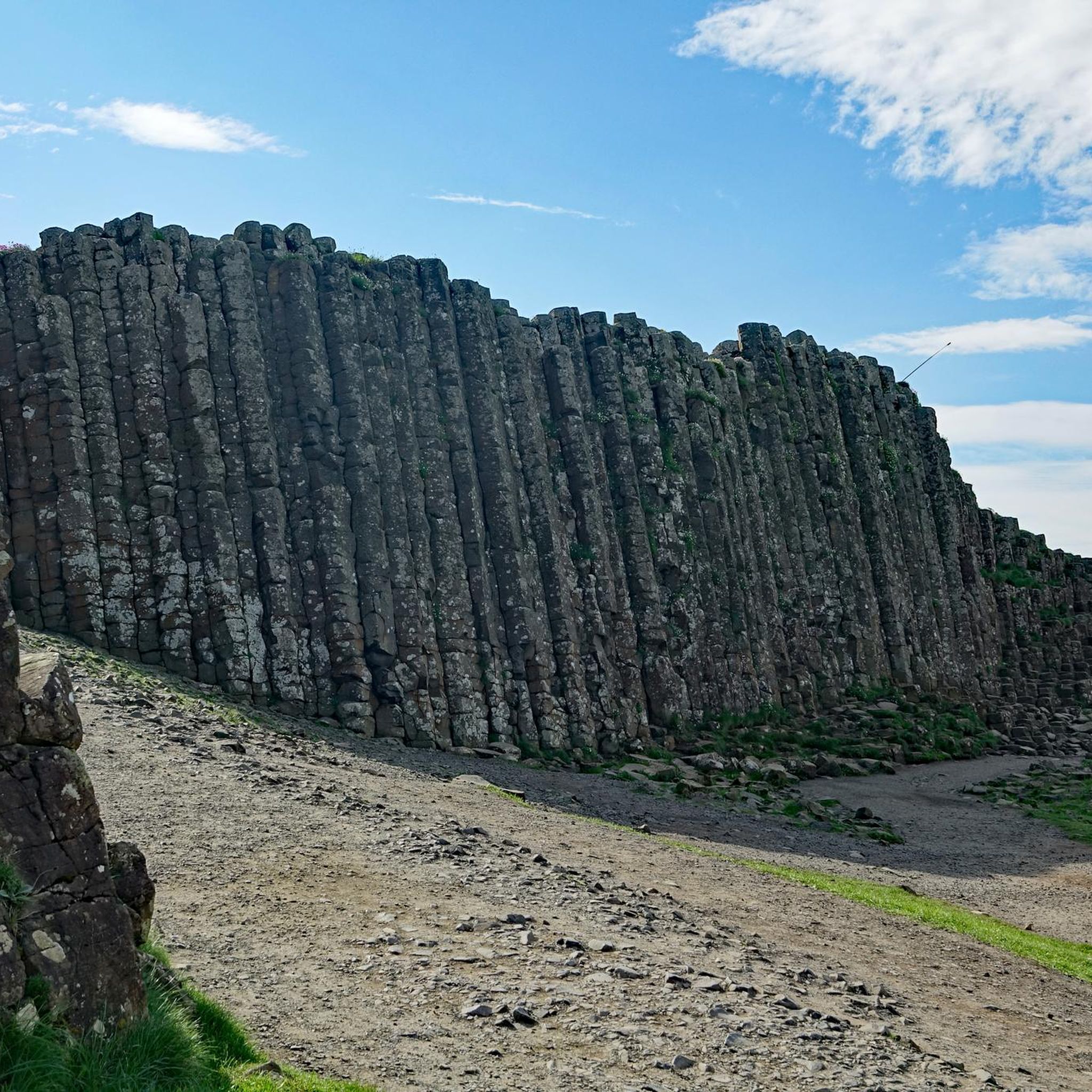
Giant's Causeway
Highlight • Natural Monument
Tip by

Giant’s Gate
Highlight • Viewpoint
Tip by

Sign up now to discover places like this
Get recommendations on the best single tracks, peaks, & plenty of other exciting outdoor places.
Sign up for free
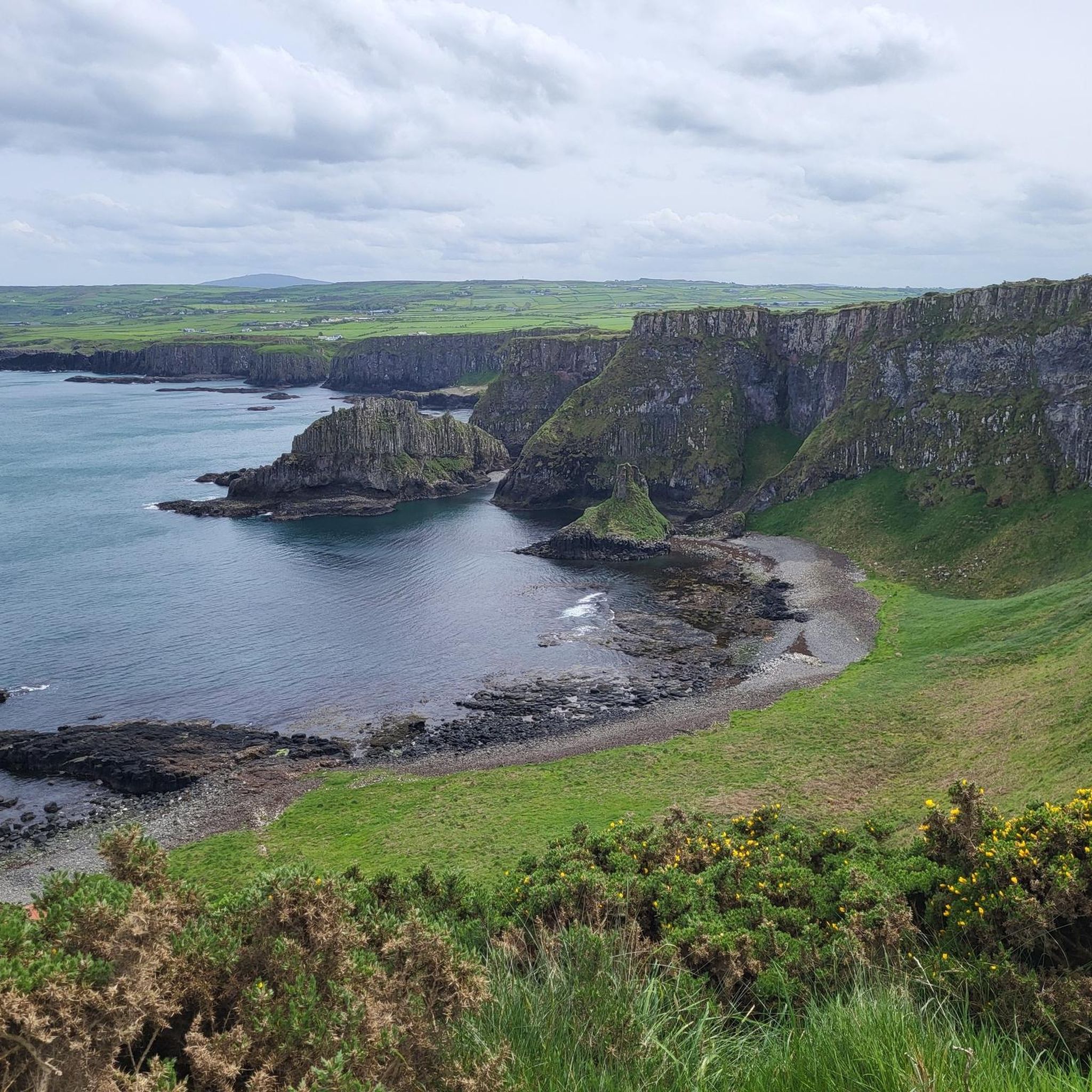
The Amphitheatre (Port Reostan)
Highlight • Viewpoint
Tip by

Giant's Causeway and Causeway Coast Clifftop Walk
Highlight (Segment) • Trail
Translated by Google •
Tip by

Fionn Mac Cumhaill's Shoe
Highlight • Natural Monument
Of course you should have a little imagination to discover certain forms of life in these formations, but it's fun.
Translated by Google •
Tip by
Sign up for free to discover even more natural monuments around Ballyness.
Sign up for free
Already have an account?
Start today with a free account
Your next adventure awaits.
Login or Signup
Tips from the Community

Fantastically beautiful view, landscape a bit rough but the people really warm-hearted ♥️ definitely want to go again 😊☀️
0
0

A dream in good weather
0
0

The amphitheater in Northern Ireland is an impressive archaeological site, fascinating for its historical significance and impressive architecture. The complex offers insight into ancient culture and is a fascinating place for history buffs. The atmosphere is tranquil and invites reflection on the past. The amphitheater is an important monument that reflects Northern Ireland's rich history.
2
0


Another great view opens up here and this path leads to the organ pipes. Weatherproof clothing is recommended, as the weather can change from time to time. The footpath is not paved, but is flat and easy to walk.
1
1


The raw elemental beauty of the Causeway Coastal Route captures the thrill of adventure in Northern Ireland. Maybe it's the sheer vastness and beauty of the landscape. Perhaps it is the mythical stories formed and inspired by the dramatic coastline.
10
0
Frequently Asked Questions
What are some of the most popular natural monuments to visit around Ballyness?
Visitors frequently enjoy the iconic Giant's Causeway, renowned for its approximately 40,000 interlocking basalt columns. Another highly rated spot is Dunluce Castle Ruins, which offers a dramatic blend of historical ruins set against a powerful natural clifftop backdrop. The unique basalt cliff formation known as The Organ — Giant's Causeway is also a popular attraction, showcasing nature's intricate geological artistry.
Are there any natural monuments around Ballyness that are particularly good for families?
Yes, the Giant's Causeway is considered family-friendly, offering an engaging geological wonder for all ages. Additionally, the nearby Fionn Mac Cumhaill's Shoe rock formation provides a fun, imaginative stop for families exploring the area.
What kind of unique geological features can I expect to see in the Ballyness area?
The region is famous for its basalt formations, particularly at the Giant's Causeway, where you can observe approximately 40,000 interlocking basalt columns formed by ancient volcanic activity. The Organ, a basalt cliff resembling huge church organ pipes, is another impressive geological spectacle. The underlying geology of Ballyness Bay itself consists mainly of pelites, with smaller areas of limestone and quartzite, often covered by windblown sand and peat.
What outdoor activities can I do near these natural monuments?
You can find various outdoor activities near the natural monuments. For hiking, there are options ranging from easy to difficult, including routes like the Causeway Coast Way. Cycling is also popular, with routes such as the Causeway Coast Cycle Route. You can explore more detailed routes and guides for easy hikes, general hiking, and cycling around Ballyness.
Are there specific hiking trails near Dunluce Castle?
Yes, you can find hiking trails near Dunluce Castle Ruins. For example, the Causeway Coast Way includes a section from Portballintrae to Dunluce Castle, which is an easy hike. Other routes like the 'View of Dunluce Castle – Dunluce Castle Ruins loop from Bushmills' offer moderate difficulty. More hiking options are available in the hiking guide for Ballyness.
What kind of wildlife can be observed at Ballyness Bay Special Area of Conservation?
The Ballyness Bay Special Area of Conservation is a haven for wildlife. It supports over 40 different species of wader, wildfowl, seabird, and birds of prey. Uncommon diving birds like the Great Northern Diver and Red-throated Diver are winter visitors, and common seals are frequently seen on sandbars at low tide. Otters can also be spotted in the area.
When is the best time to visit Ballyness Bay for nature enthusiasts?
For birdwatching, Ballyness Bay is excellent year-round, particularly during autumn and spring migration. If you're interested in botanical features, the rich variety of herbs and wildflowers in the fixed dunes, such as the Pyramidal Orchid, is best appreciated from June to August.
What makes Dunluce Castle Ruins a natural monument, given it's a historical site?
Dunluce Castle Ruins is considered a natural monument due to its dramatic location on the edge of a basalt outcropping, surrounded by extremely steep drops. This powerful interaction between human history and the rugged natural landscape, including the 'Mermaids Cave' underneath the castle, makes its setting a significant natural feature in its own right.
Are there any viewpoints along the Causeway Coast that offer spectacular natural scenery?
Yes, The Amphitheatre (Port Reostan) is one of the most magnificent sites along the Causeway Coast, offering dramatic and picturesque rock formations that resemble an amphitheatre. It provides wonderful views from high above, making the climb worthwhile.
What do visitors particularly enjoy about the natural monuments around Ballyness?
Visitors frequently praise the unique geological displays, especially the fascinating basalt columns of the Giant's Causeway. The dramatic clifftop setting and historical blend of Dunluce Castle Ruins also receive high acclaim for their atmosphere and views. Many appreciate the opportunity for scenic walks and the overall natural beauty and tranquility of the area.
What kind of plant life can be found in the sand dunes of Ballyness Bay?
The sand dune systems at Ballyness Bay, particularly the fixed dunes and dune hollows, are rich in various plants. You can find species such as the Pyramidal Orchid, Lady's Bedstraw, Harebell, Sand Pansy, and Wild Carrot, contributing to a diverse botanical interest, especially from June to August.
Most popular attractions around Ballyness

Get inspired with the komoot mobile app


Explore more
Extend your search for the best caves by checking out these guides of the top ones around Ballyness:
