Top 9 Natural Monuments around Cannington
Best natural monuments around Cannington are found within the Canning River Regional Park, a significant natural attraction in the Perth metropolitan area. This extensive park stretches approximately 6 kilometers along the Canning River, featuring diverse ecosystems such as salt marshes, billabongs, and woodlands. It offers opportunities for activities like walking, cycling, and canoeing. The park serves as an accessible urban retreat for nature exploration and wildlife observation.
Best natural monuments around Cannington
- The most popular natural monuments is Bicknoller Post…
Last updated: October 3, 2026
Wills Neck Summit
Highlight • Natural Monument
Tip by

Bicknoller Post
Highlight • Natural Monument
Tip by

Sign up now to discover places like this
Get recommendations on the best single tracks, peaks, & plenty of other exciting outdoor places.
Kilve Beach Fossil Beds
Highlight • Beach
Tip by

Quantock Common Climb: Over Stowey to Crowcombe
Highlight • Forest
Tip by

Fyne Court
Highlight • Cafe
Tip by
Sign up for free to discover even more natural monuments around Cannington.
Already have an account?
Start today with a free account
Your next adventure awaits.
Tips from the Community

Bring coins to pay for parking! If not the cafe can provide parking for card payment
0
0

Located in the Quantock Hills and owned by the national trust, car pack and cafe.
0
0

Fyne Court is a National Trust-owned nature reserve and visitor centre in Broomfield, Somerset, England. It was formerly an estate and large English country house, belonging to the Crosse family.
1
0
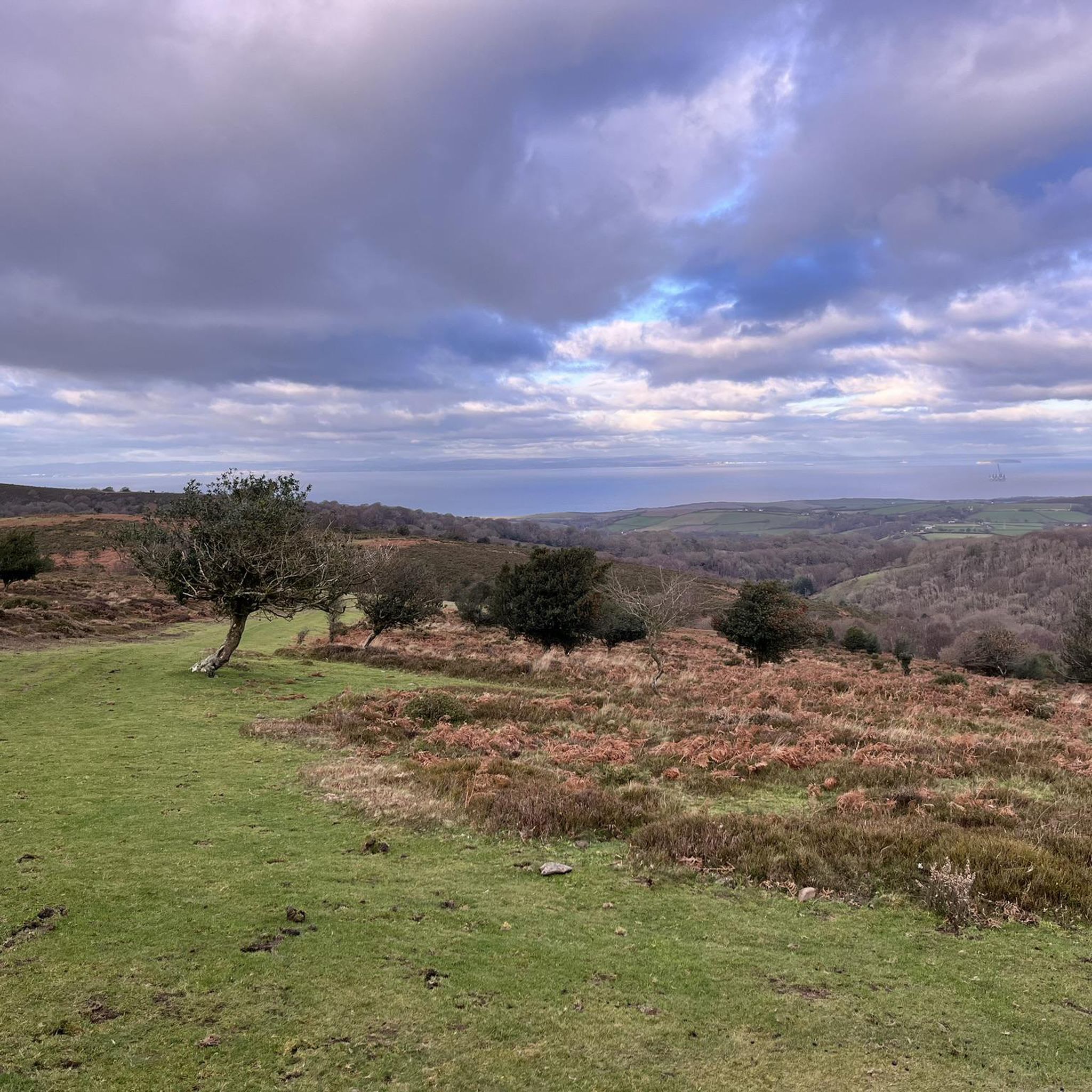
Wills neck is the highest summit in the Quantocks hills & one of the highest points in Somerset.
1
1
The beach of Kilve lies about halfway between Minehead and Bridgwater in the heart of the Quantocks. The shoreline is mostly rocky with plenty of rockpools to explore towards low tide. One of the best features of Kilve beach is the large grassy area behind the beach which is ideal for picnics.
1
0

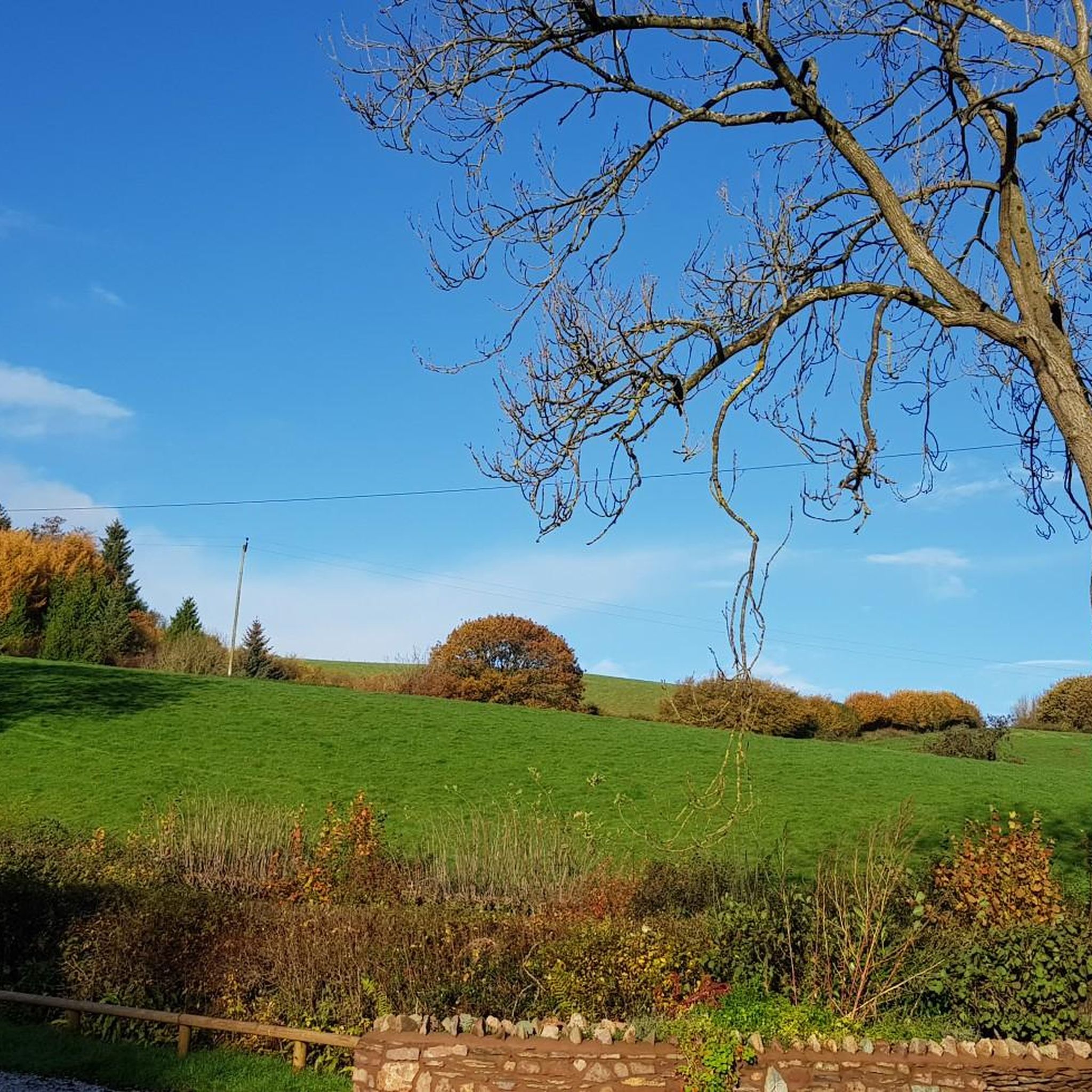
Owned and managed by the National Trust, Fyne Court is a sprawling country estate with stunning grounds and buildings. The large manor house which once stood here burnt down in the late 1800s. The remaining buildings are still exceptional in their own right and include a folly. With extensive grounds, a wild garden, a nature reserve and fantastic woodlands, the estate is well worth exploring. You can find a visitor centre here and lots of information about the estate's history. Admission is free but there is a charge for car parking if you're not a National Trust member. There's a cafe here too, serving snacks, lunch and cream teas.
0
0

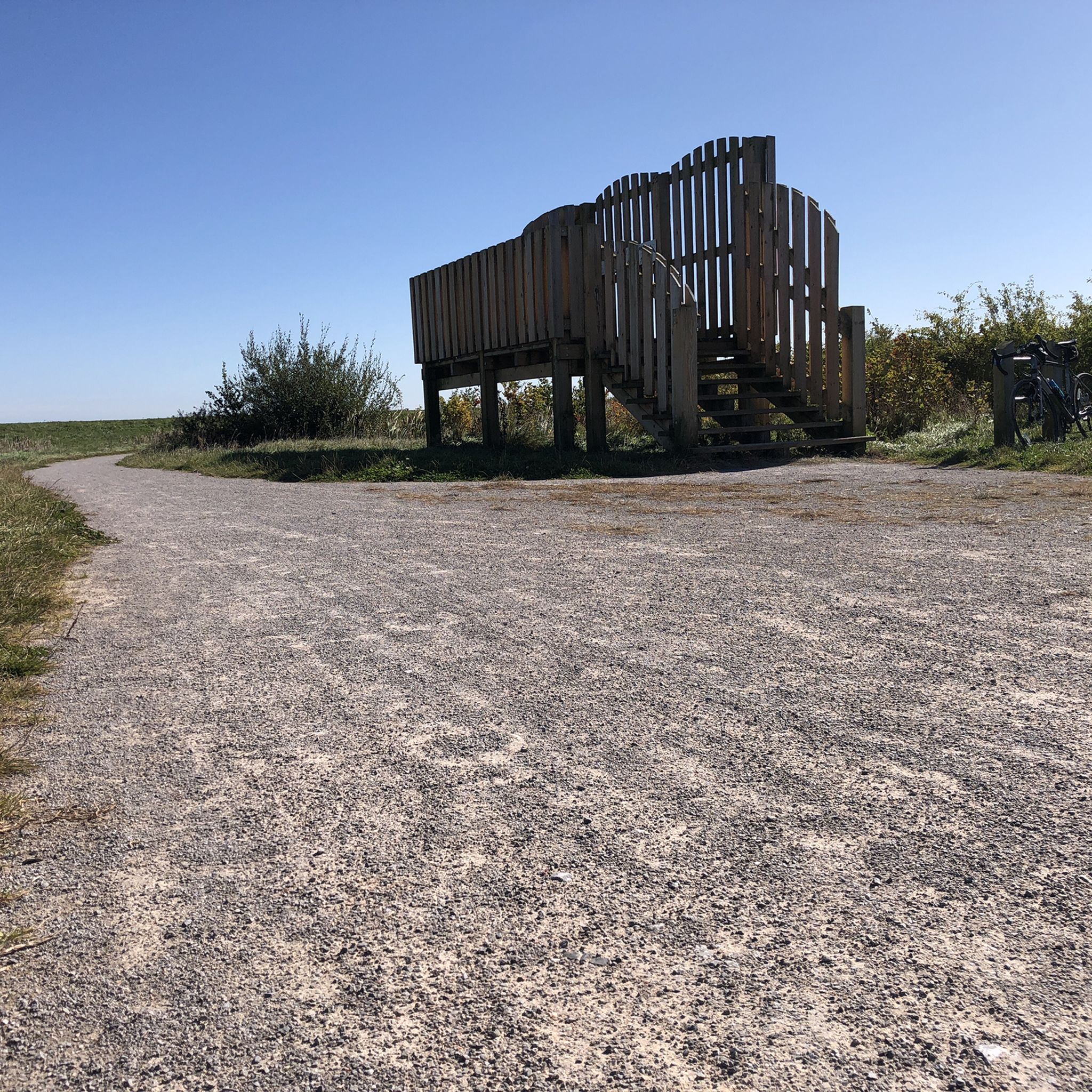
Bicknoller Post offers the runner a perfect resting spot high up in the Quantocks where you can enjoy uninterrupted views across the Bristol Channel and toward South Wales.
1
0

Kilve beach is made up of wave cut platforms of oil-bearing shale and lias which contains numerous fossils. If you take a walk on the exposed bedrock, you're very likely to see ammonites.
3
0
Frequently Asked Questions
What are the main natural monuments to explore around Cannington?
The primary natural monument in Cannington is the Canning River Regional Park. This extensive park stretches along the Canning River and features diverse ecosystems, including salt marshes, billabongs, and woodlands. It offers a tranquil urban retreat for nature exploration and wildlife observation.
Are there family-friendly activities within Canning River Regional Park?
Yes, Canning River Regional Park is very family-friendly. It offers numerous walking and cycling trails suitable for all ages, including the Butterflies, Birds and Bridges Loop, which is wheelchair-friendly. There are also picnic areas, and the opportunity for canoeing and kayaking on the Canning River, making it ideal for a family day out.
What kind of wildlife can I expect to see in Canning River Regional Park?
Canning River Regional Park is rich in biodiversity. You can observe a variety of birdlife, with 97 recorded bird species, especially along trails like the Butterflies, Birds and Bridges Loop. The park's diverse flora, including eucalypts, sheoaks, paperbarks, and sedgelands, provides habitat for various other wildlife.
Are there walking or cycling trails in Canning River Regional Park?
Absolutely. The park boasts extensive walking and cycling trails, such as the Butterflies, Birds and Bridges Loop, Woodloes Walk Trail, and Banksia Hill Loop. These trails allow visitors to explore the park's varied ecosystems and observe its natural beauty.
Is Canning River Regional Park accessible for people with disabilities?
Yes, the Butterflies, Birds and Bridges Loop within Canning River Regional Park is specifically mentioned as being wheelchair-friendly, making it accessible for visitors with mobility needs to enjoy the park's natural environment.
What historical features can be found within Canning River Regional Park?
The park blends natural beauty with historical elements. A notable historical structure is the Kent Street Weir, built in 1927 to prevent saltwater from moving upstream. Today, it's a popular recreational spot with facilities and picnic areas.
What activities can I do on the Canning River?
The Canning River itself is a major feature of the park, offering opportunities for canoeing, kayaking, and fishing. Its landscape features diverse ecosystems, including salt marshes and billabongs, making it a scenic spot for water-based activities.
Are there cafes or picnic spots available in Canning River Regional Park?
Yes, the Kent Street Weir area within the park is a popular recreational spot that includes a cafe and picnic areas, providing convenient options for refreshments and meals during your visit.
What is the best time of year to visit Canning River Regional Park?
While the park is enjoyable year-round, the cooler months (autumn and spring) are often ideal for walking and cycling to avoid the peak summer heat. These seasons also offer pleasant conditions for wildlife spotting and enjoying the lush landscapes.
Can I bring my dog to Canning River Regional Park?
Many regional parks in Perth have specific rules regarding dogs, often requiring them to be on a leash. It's best to check the official guidelines for Canning River Regional Park before your visit to ensure compliance and a pleasant experience for everyone. You can find more information on the park's features and regulations on its Wikipedia page.
What are some unique natural features within Canning River Regional Park?
Beyond the river itself, the park features unique ecosystems like salt marshes and billabongs. The Wilson Wetlands, a lagoon area within the park, is another distinct natural feature where visitors can walk or cycle around and experience a different wetland environment.
What outdoor activities can I do near these natural monuments?
While the natural monuments are primarily within Canning River Regional Park, the wider Cannington area and Perth metropolitan region offer various outdoor activities. You can find options for running trails, MTB trails, and easy hikes, providing diverse ways to explore the outdoors.
Most popular routes around Cannington
Most popular attractions around Cannington

Get inspired with the komoot mobile app


Explore more
Extend your search for the best caves by checking out these guides of the top ones around Cannington:
