Top 13 Natural Monuments around Island Carragh North
Best natural monuments around Island Carragh North include a range of geological formations and coastal features. This area in County Antrim, Northern Ireland, is characterized by its rugged coastline and unique natural structures. Visitors can explore 13 distinct natural monuments that showcase the region's ancient volcanic history and dramatic landscapes. These sites offer insights into geological processes and local folklore.
Best natural monuments around Island Carragh North
- The most popular natural monuments is Giant's Causeway, a natural_monument consisting of…
Last updated: July 13, 2026
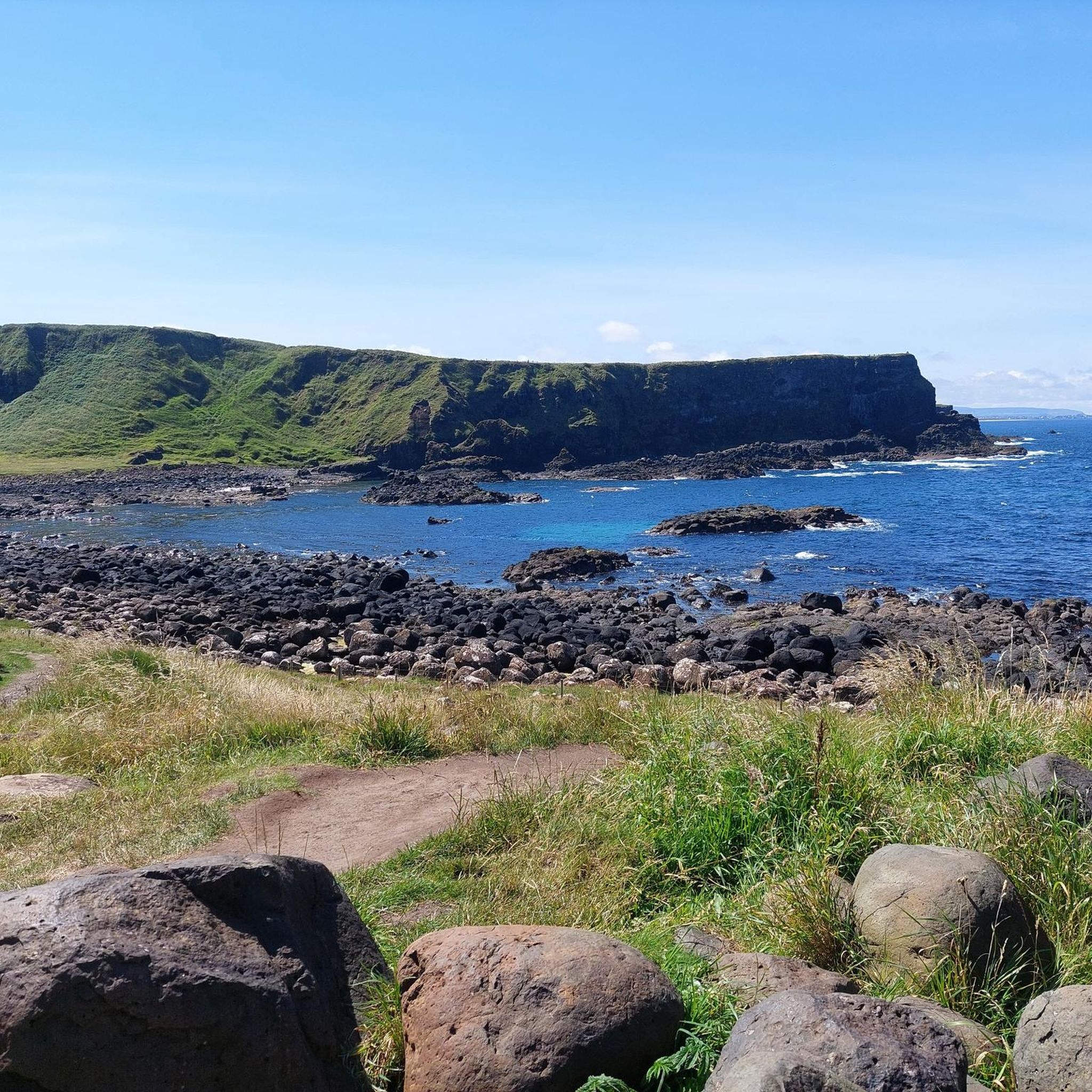
Giant's Causeway
Highlight • Natural Monument
Tip by

The Organ — Giant's Causeway
Highlight • Natural Monument
Tip by

Sign up now to discover places like this
Get recommendations on the best single tracks, peaks, & plenty of other exciting outdoor places.
Sign up for free
Giant’s Gate
Highlight • Viewpoint
Tip by

The Amphitheatre (Port Reostan)
Highlight • Viewpoint
Tip by

Giant's Causeway and Causeway Coast Clifftop Walk
Highlight (Segment) • Trail
Translated by Google •
Tip by

Sign up for free to discover even more natural monuments around Island Carragh North.
Sign up for free
Already have an account?
Start today with a free account
Your next adventure awaits.
Login or Signup
Tips from the Community

Fantastically beautiful view, landscape a bit rough but the people really warm-hearted ♥️ definitely want to go again 😊☀️
0
0

A dream in good weather
0
0

The amphitheater in Northern Ireland is an impressive archaeological site, fascinating for its historical significance and impressive architecture. The complex offers insight into ancient culture and is a fascinating place for history buffs. The atmosphere is tranquil and invites reflection on the past. The amphitheater is an important monument that reflects Northern Ireland's rich history.
2
0


Another great view opens up here and this path leads to the organ pipes. Weatherproof clothing is recommended, as the weather can change from time to time. The footpath is not paved, but is flat and easy to walk.
1
1
The path to the organ pipes is easily manageable with a 2-hour stay. Good footwear is recommended. There are no benches, just a few stones to rest on. Up here you have a great view of the British mainland and the bay. Weatherproof clothing is necessary as there can always be changes in the weather.
3
1

The largest instrument there is is probably the organ. In smaller churches it can be as big as a piano and in larger ones as big as a two-story house. An organ is a large instrument operated by keys that produces its sounds through large pipes. This is why it is sometimes called a pipe organ. But this organ was created by nature, it's a shame it can't make any sounds, the sound would be supernatural.
8
1
Frequently Asked Questions
What are the most popular natural monuments around Island Carragh North?
The most popular natural monument is the Giant's Causeway, a UNESCO World Heritage Site famous for its approximately 40,000 interlocking basalt columns. Other highly-rated spots include The Organ — Giant's Causeway, a basalt cliff formation resembling huge church organ pipes, and the dramatic Dunluce Castle Ruins, perched on a basalt outcropping.
What unique geological features can I expect to see at the Giant's Causeway?
The Giant's Causeway is renowned for its unique geological formations, primarily the approximately 40,000 interlocking basalt columns. These columns, many hexagonal, are the result of an ancient volcanic fissure eruption. You can also find distinct features like Fionn Mac Cumhaill's Shoe and The Organ, a series of towering columns resembling organ pipes.
Are there any historical sites among the natural monuments?
Yes, the Dunluce Castle Ruins are a significant historical site located on a basalt outcropping. This medieval castle offers impressive views and a glimpse into the region's past, with evidence of settlement from the first millennium.
Is the Giant's Causeway suitable for families with children?
Yes, the Giant's Causeway is considered family-friendly. Children often enjoy exploring the basalt columns and hearing the local legend of Finn McCool. Features like Fionn Mac Cumhaill's Shoe add to the fun. There are also various walking trails suitable for different ages and a visitor center with interactive exhibits.
What outdoor activities can I do near these natural monuments?
The area around Island Carragh North offers a variety of outdoor activities. You can find numerous running trails, including sections of the Causeway Coast Way, and cycling routes like the Causeway Coast Cycle Route. For hikers, there are easy trails such as the Portballintrae & Runkerry Beach loop. You can explore more options in the running trails, cycling, and easy hikes guides for the region.
What is the best time to visit the natural monuments along the Causeway Coast?
The Causeway Coast, including the Giant's Causeway, is beautiful year-round. However, for the most pleasant weather for walking and exploring, late spring (May-June) and early autumn (September-October) are often recommended. These periods typically offer milder temperatures and fewer crowds than the peak summer months.
Are there good viewpoints to appreciate the natural beauty of the area?
Absolutely. The entire coastline is dramatic, offering many stunning viewpoints. Beyond the main Giant's Causeway site, The Amphitheatre (Port Reostan) is known for its magnificent and picturesque rock formations. The clifftop paths around the Causeway also provide breathtaking panoramic views of the rugged coastline.
What should I wear when visiting the natural monuments?
Given the coastal location and often unpredictable Northern Irish weather, it's advisable to wear layers. Waterproof and windproof outerwear is recommended, even on sunny days, as conditions can change quickly. Comfortable walking shoes with good grip are essential for navigating the basalt columns and coastal paths.
Is there parking available at the Giant's Causeway and other natural monuments?
Yes, parking is available at the Giant's Causeway visitor center. For other natural monuments like Dunluce Castle Ruins, there are also designated parking areas nearby. It's always a good idea to check specific monument websites for the most current parking information and any potential fees.
Can I bring my dog to the natural monuments?
Dogs are generally welcome on the outdoor paths and trails around the Giant's Causeway and other coastal areas, provided they are kept on a lead. However, specific rules may apply to indoor visitor centers or certain protected areas, so it's best to check individual site regulations beforehand.
How long should I plan for a visit to the Giant's Causeway?
To fully experience the Giant's Causeway, including exploring the basalt columns, walking to features like The Organ and Fionn Mac Cumhaill's Shoe, and visiting the visitor center, plan for at least 2-3 hours. If you wish to undertake longer clifftop walks, you might extend your visit to half a day.
What kind of wildlife can be seen around the natural monuments?
The rugged coastline and surrounding areas are home to diverse wildlife. You might spot various seabirds, including fulmars, kittiwakes, and guillemots, nesting on the cliffs. The rock pools can reveal marine life, and if you're lucky, you might even see seals in the waters below. The area's unique flora also adds to its natural appeal.
Are there cafes or places to eat near the natural monuments?
Yes, there are facilities near the major natural monuments. The Giant's Causeway has a visitor center with a cafe. Additionally, nearby towns like Bushmills and Portballintrae offer a selection of cafes, restaurants, and pubs where you can find refreshments and meals.
Most popular attractions around Island Carragh North

Get inspired with the komoot mobile app


Explore more
Extend your search for the best caves by checking out these guides of the top ones around Island Carragh North:
