Top 6 Natural Monuments around North Mullaghacall
Best natural monuments around North Mullaghacall include a diverse range of geological formations and scenic viewpoints. The region, part of Northern Ireland's varied landscape, features coastal basalt outcroppings, expansive beaches, and protected nature reserves. These natural features offer opportunities to observe unique geology and diverse ecosystems. The area provides a setting for exploring the natural heritage of the North Coast.
Best natural monuments around North Mullaghacall
- The most popular natural monuments is Dunluce Castle Ruins, a natural monument and…
Last updated: October 3, 2026
Dunluce Castle Ruins
Highlight • Natural Monument
Tip by

Magheracross Viewpoint
Highlight • Trail
Translated by Google •
Tip by

Sign up now to discover places like this
Get recommendations on the best single tracks, peaks, & plenty of other exciting outdoor places.
Portrush National Nature Reserve
Highlight • Viewpoint
The area has been …
Tip by

Mountsandel Fort
Highlight • Natural Monument
Tip by

Portstewart Strand from St. Patrick's Well
Highlight • Beach
The viewpoint is from St. Patrick’s Well, a small spring long associated with local tradition.
Tip by

Sign up for free to discover even more natural monuments around North Mullaghacall.
Already have an account?
Start today with a free account
Your next adventure awaits.


Tips from the Community

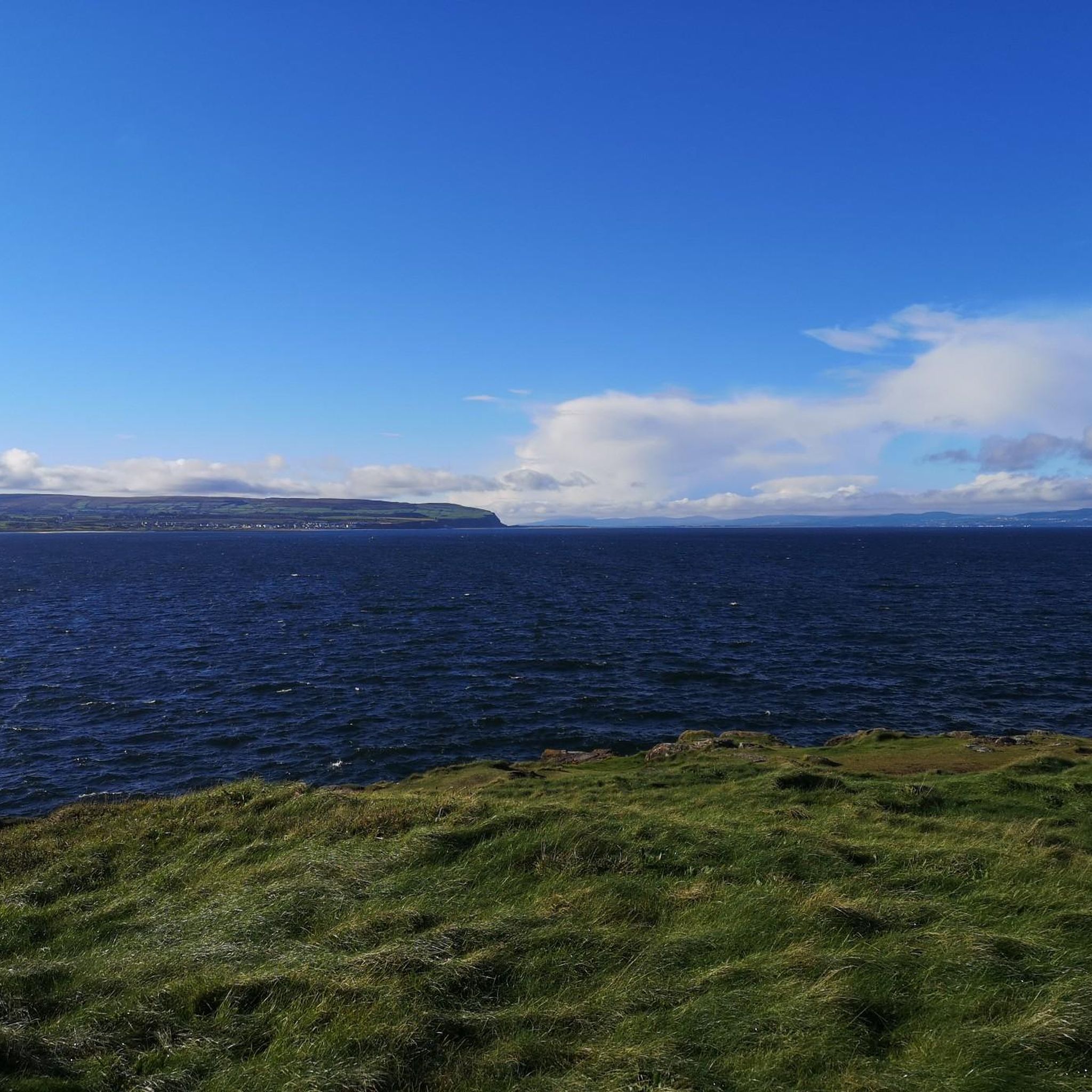
Beautiful view of the cliffs and Dunluce Castle.
0
0

Impressive views down into the valley and a beautiful view of Dunluce Castle,
2
0

Portstewart Strand is a sweeping two-mile beach at the edge of town and forms a fitting finale (or start!) to the Causeway Coast Way. The viewpoint is from St. Patrick’s Well, a small spring long associated with local tradition.
1
0

Dunluce Castle in Northern Ireland is an impressive ruin perched on a cliff above the sea. Its dramatic location and rugged rocky landscape lend the castle a special atmosphere. The remains tell a rich history and offer fascinating insights into medieval defensive architecture. The views of the sea and the surrounding nature make a visit an unforgettable experience. Dunluce Castle is a place that combines both history and nature in a striking way.
2
0

De Burgh's castle was primarily a military fortress, notable for its robust defensive features typical of Norman architecture. The design included impressive walls and strategic positioning to take advantage of the natural defensive advantages of the clifftop location.
2
0
Mountsandel Fort is a prehistoric fort dating to the Mesolithic period that was reused in the Irish Middle Ages (10th to 11th centuries). Located in Coleraine, County Derry, the fort consists of a huge grassy mound hollowed out in the middle, overlooking the River Bann. A must-see for lovers of mysterious monuments!
1
0

Great ice cream cart with coffee specialties and a large selection of toppings
1
1

The Whiterocks Cliff Path is a beautiful trail that ascends from the beach to view the cliffs. Its continuation is the Dunluce Road, which offers views of the same cliffs and the surrounding landscape, connecting with Dunluce Castle. Both sections feature beautiful white limestone cliffs (formed during the time of the dinosaurs) on the lower section and black volcanic rocks (formed when the dinosaurs became extinct) on the upper section.
1
0
Frequently Asked Questions
What are some of the most popular natural monuments to visit around North Mullaghacall?
Visitors frequently enjoy the dramatic coastal setting of Dunluce Castle Ruins, which sits on a basalt outcropping. Another favorite is Magheracross Viewpoint, offering impressive vistas of Dunluce Castle and the coastline. The Portrush National Nature Reserve is also highly regarded for its historic fossils found in exposed rock on the seashore.
What kind of natural features can I expect to see in the North Mullaghacall area and wider region?
The region boasts a diverse range of natural features. You'll find dramatic coastal basalt outcroppings, expansive beaches like Portstewart Strand, and protected nature reserves. Further afield, the Glens of Antrim offer tranquil woodlands and waterfalls, the Mourne Mountains present majestic peaks and lakes, and Lough Neagh is Ireland's largest lake, rich in wildlife.
Are there family-friendly natural monuments around North Mullaghacall?
Yes, several natural monuments are suitable for families. Magheracross Viewpoint and Portrush National Nature Reserve are both categorized as family-friendly. Portstewart Strand is also a great option for families, offering a sweeping beach for walks and exploration.
What outdoor activities can I do near these natural monuments?
The area around North Mullaghacall offers various outdoor activities. You can explore numerous hiking trails, including easy loops like 'Barmouth and Portstewart Strand loop'. There are also road cycling routes, such as the 'Dunluce Castle Ruins – Magheracross Viewpoint loop from Portstewart', and running trails like the 'West Strand Promenade – View of Portrush Harbour loop'. For more details on routes, you can check the hiking guide, road cycling guide, and running guide for the area.
When is the best time to visit the natural monuments around North Mullaghacall?
The natural monuments can be enjoyed year-round, but the best time to visit is generally during the spring (April-May) and summer (June-August) months when the weather is milder and days are longer, making outdoor exploration more comfortable. Autumn also offers beautiful scenery with changing foliage. Always check local weather forecasts before your visit.
Are there any unique geological features to explore in the area?
Absolutely. The dramatic basalt outcropping upon which Dunluce Castle Ruins stands is a prime example of the region's geology. The Portrush National Nature Reserve is significant for its exposed rock formations containing historic fossils. Further afield, the Glens of Antrim showcase landscapes sculpted by ancient geological forces, and the Mourne Mountains feature distinctive granite tors.
Where can I find impressive views of the North Coast?
For breathtaking coastal views, head to Magheracross Viewpoint, which offers panoramic sights of Dunluce Castle, Whitestone Beach, and Portrush. Another excellent spot is the View of the North Coast from Binevenagh AONB, providing expansive vistas over the Irish coastline.
Are there any hidden natural gems worth discovering in the wider region?
Beyond the well-known sites, Drumnaph Nature Reserve, located near the Sperrin Mountains, is a significant remnant of ancient Irish landscape with woodlands, wetlands, and diverse wildlife. Island Hill in Strangford Lough also offers a peaceful retreat with panoramic views and abundant birdlife, otters, and seals.
What do visitors enjoy most about the natural monuments in this region?
Visitors particularly appreciate the dramatic coastal scenery, the historical significance intertwined with natural formations, and the opportunities for peaceful contemplation. Many enjoy the impressive views, the unique geological features like the basalt cliffs, and the chance to spot diverse wildlife. The 'Mermaids Cave' underneath Dunluce Castle is often highlighted for its special ambience.
Can I bring my dog on trails near these natural monuments?
While specific dog policies vary by location, many outdoor areas and trails in Northern Ireland are dog-friendly, especially if dogs are kept on a lead. For example, Portstewart Strand is generally welcoming to dogs. It's always best to check specific signage at each natural monument or reserve for their current dog policies to ensure a pleasant visit for everyone.
Are there any wheelchair accessible natural monuments or viewpoints?
While many natural monuments involve uneven terrain, some viewpoints and sections of coastal paths may offer better accessibility. For instance, viewpoints like Magheracross Viewpoint often have paved access. However, for specific accessibility details, it's recommended to check directly with the site management or local tourism information before your visit, as conditions can vary.
What should I wear when exploring the natural monuments around North Mullaghacall?
Given the coastal and often exposed nature of the region, it's advisable to wear layers to adapt to changing weather conditions. Waterproof and windproof outer layers are recommended, along with sturdy, comfortable walking shoes or hiking boots. Even on sunny days, a light jacket can be useful, and sun protection is always a good idea.
Are there places to eat or stay near these natural monuments?
Yes, the nearby towns of Portstewart and Portrush offer a range of amenities including cafes, pubs, and accommodation options. These towns serve as excellent bases for exploring the natural monuments and the wider North Coast area, providing convenient access to dining and lodging after a day of exploration.
Most popular routes around North Mullaghacall
Most popular attractions around North Mullaghacall

Get inspired with the komoot mobile app


Explore more
Extend your search for the best caves by checking out these guides of the top ones around North Mullaghacall:
