Top 5 Natural Monuments around Island Effrick South
Best natural monuments around Island Effrick South are situated within County Londonderry, Northern Ireland, a region known for its diverse natural beauty and historical significance. This small townland is part of an area featuring coastal landscapes, geological formations, and ancient sites. The broader vicinity offers a range of natural monuments, from dramatic cliffside ruins to scenic viewpoints and protected nature reserves. These locations provide insights into the region's natural history and cultural heritage.
Best natural monuments around Island Effrick South
…Last updated: July 13, 2026
Dunluce Castle Ruins
Highlight • Natural Monument
Tip by

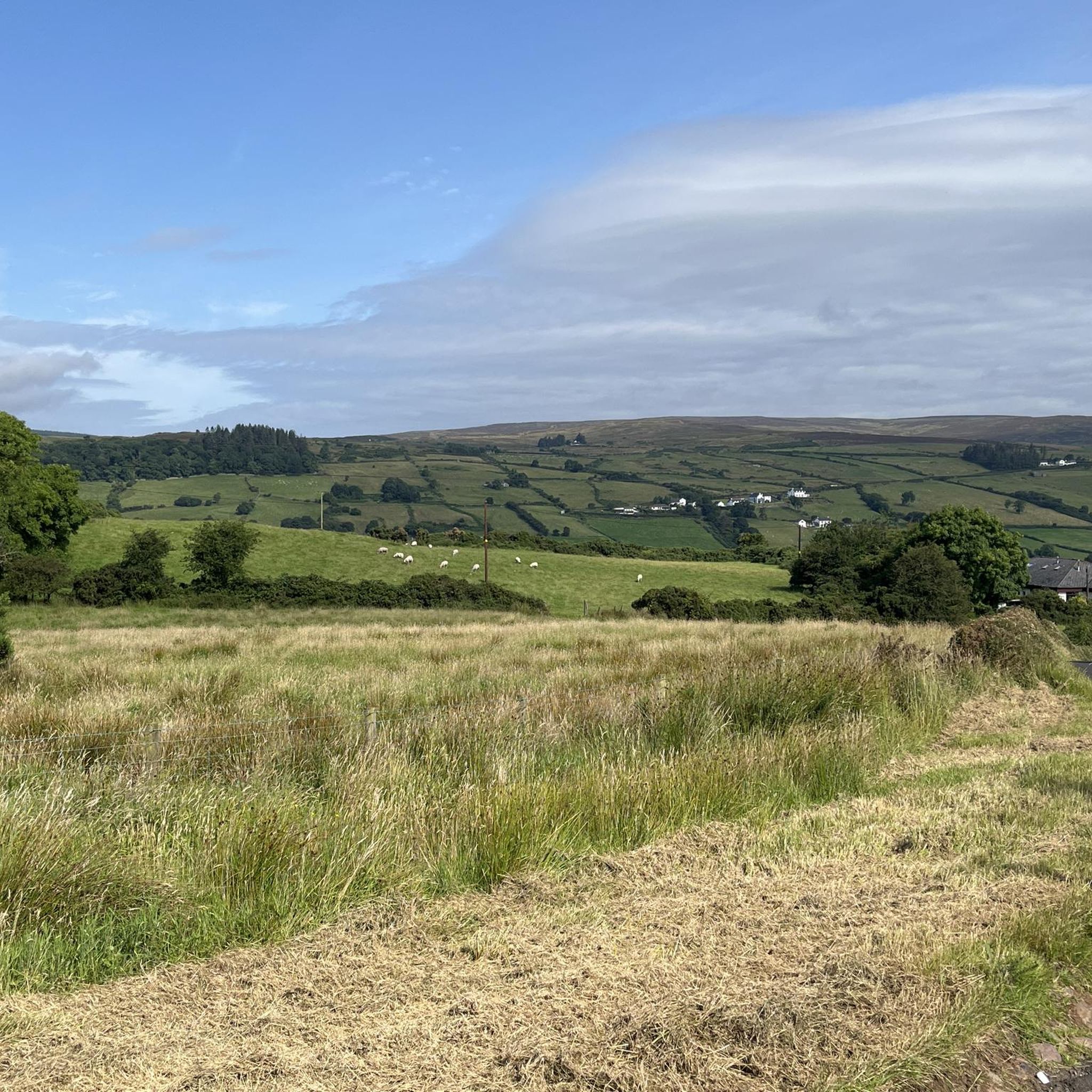
Magheracross Viewpoint
Highlight • Trail
Translated by Google •
Tip by

Sign up now to discover places like this
Get recommendations on the best single tracks, peaks, & plenty of other exciting outdoor places.
Sign up for free
Portrush National Nature Reserve
Highlight • Viewpoint
The area has been …
Tip by

Mountsandel Fort
Highlight • Natural Monument
Tip by

Portstewart Strand from St. Patrick's Well
Highlight • Beach
The viewpoint is from St. Patrick’s Well, a small spring long associated with local tradition.
Tip by

Start today with a free account
Your next adventure awaits.
Login or Signup
Tips from the Community

Beautiful view of the cliffs and Dunluce Castle.
0
0

Impressive views down into the valley and a beautiful view of Dunluce Castle,
2
0

Portstewart Strand is a sweeping two-mile beach at the edge of town and forms a fitting finale (or start!) to the Causeway Coast Way. The viewpoint is from St. Patrick’s Well, a small spring long associated with local tradition.
1
0

Dunluce Castle in Northern Ireland is an impressive ruin perched on a cliff above the sea. Its dramatic location and rugged rocky landscape lend the castle a special atmosphere. The remains tell a rich history and offer fascinating insights into medieval defensive architecture. The views of the sea and the surrounding nature make a visit an unforgettable experience. Dunluce Castle is a place that combines both history and nature in a striking way.
2
0

De Burgh's castle was primarily a military fortress, notable for its robust defensive features typical of Norman architecture. The design included impressive walls and strategic positioning to take advantage of the natural defensive advantages of the clifftop location.
2
0
Mountsandel Fort is a prehistoric fort dating to the Mesolithic period that was reused in the Irish Middle Ages (10th to 11th centuries). Located in Coleraine, County Derry, the fort consists of a huge grassy mound hollowed out in the middle, overlooking the River Bann. A must-see for lovers of mysterious monuments!
1
0

Great ice cream cart with coffee specialties and a large selection of toppings
1
1

The Whiterocks Cliff Path is a beautiful trail that ascends from the beach to view the cliffs. Its continuation is the Dunluce Road, which offers views of the same cliffs and the surrounding landscape, connecting with Dunluce Castle. Both sections feature beautiful white limestone cliffs (formed during the time of the dinosaurs) on the lower section and black volcanic rocks (formed when the dinosaurs became extinct) on the upper section.
1
0
Frequently Asked Questions
What types of natural monuments can I explore around Island Effrick South?
The area around Island Effrick South, within County Londonderry and the broader Northern Ireland region, offers a diverse range of natural monuments. You can explore dramatic coastal landscapes, historical sites integrated with natural settings, and unique geological formations. Highlights include the iconic Dunluce Castle Ruins perched on a basalt outcropping, the scenic Magheracross Viewpoint with its impressive vistas, and the Portrush National Nature Reserve, known for its fossils.
Are there family-friendly natural monuments to visit near Island Effrick South?
Yes, several natural monuments in the vicinity are suitable for families. Magheracross Viewpoint offers accessible views, and Portrush National Nature Reserve is a protected area where children can discover fossils along the seashore. Additionally, Portstewart Strand from St. Patrick's Well provides a beautiful beach setting for family outings.
What geological features are prominent in the natural monuments around Island Effrick South?
The region is rich in geological interest. At Dunluce Castle Ruins, you'll find the castle dramatically situated on a basalt outcropping. The Whiterocks Cliff Path, visible from Magheracross Viewpoint, showcases striking white limestone cliffs and black volcanic rocks. The Portrush National Nature Reserve is particularly notable for its exposed rock formations containing visible fossils, offering a glimpse into ancient marine life.
What historical significance do these natural monuments hold?
Many natural monuments in the area are intertwined with history. Dunluce Castle Ruins is a medieval castle with evidence of settlement from the first millennium, offering a dramatic historical backdrop. The Portrush National Nature Reserve is recognized for its historic importance due to the fossils found within its rocks. Beyond the immediate guide, the broader Northern Ireland region is known for prehistoric monuments like passage tombs and dolmens, which are significant historical and archaeological landmarks.
Are there hiking opportunities near the natural monuments around Island Effrick South?
Yes, there are several hiking opportunities. For easy walks, you can explore routes like the 'View of the River Bann – Mountsandel Fort loop' or the 'Somerset Forest loop'. These trails offer a chance to experience the natural beauty of the area. You can find more details on these and other easy hikes in the Easy hikes around Island Effrick South guide.
What outdoor activities, besides hiking, can I do near these natural monuments?
The area offers various outdoor activities. Cyclists can enjoy several road cycling routes, including the 'Causeway Coast Cycle Route' and loops that pass by Dunluce Castle. Runners can find dedicated running trails, such as the 'Mountsandel Fort – View of the River Bann loop'. For more information on cycling, check the Road Cycling Routes around Island Effrick South guide, and for running, see the Running Trails around Island Effrick South guide.
What do visitors enjoy most about the natural monuments in this region?
Visitors frequently praise the dramatic coastal scenery and the historical depth of the sites. The breathtaking views from Magheracross Viewpoint, overlooking Dunluce Castle and the coastline, are particularly popular. The unique experience of exploring Dunluce Castle Ruins, with its parts collapsed into the sea and the atmospheric 'Mermaids Cave' underneath, is also a highlight for many.
Is there public transport available to reach the natural monuments?
While specific public transport routes directly to every natural monument can vary, the broader County Londonderry and County Antrim regions are served by bus networks. It's advisable to check local Translink bus schedules for routes connecting to towns near the natural monuments, such as Portrush or Coleraine, and plan your journey accordingly.
Are there any less crowded natural monuments or hidden gems to explore?
While popular sites like Dunluce Castle attract many visitors, exploring the coastal paths around areas like Portrush National Nature Reserve or taking a walk along Portstewart Strand during off-peak hours can offer a more tranquil experience. The 'Mermaids Cave' beneath Dunluce Castle, accessible without entering the main castle, is also a unique and often less crowded spot to enjoy the special ambience.
What is the best time of year to visit the natural monuments around Island Effrick South?
The natural monuments can be enjoyed year-round, but the best time to visit is generally during the spring (April-May) and autumn (September-October) when the weather is milder and the crowds are smaller. Summer (June-August) offers longer daylight hours and warmer temperatures, ideal for coastal walks, but can be busier. Winter visits are possible, but be prepared for colder, wetter, and potentially windier conditions, especially along the coast.
Can I find cafes or other amenities near these natural monuments?
Yes, the natural monuments are generally located near towns or popular tourist areas that offer amenities. For instance, Portrush and Portstewart, close to the Portrush National Nature Reserve and Portstewart Strand, have various cafes, restaurants, and shops. Dunluce Castle also has visitor facilities nearby.
Are the natural monuments around Island Effrick South accessible for all visitors?
Accessibility varies by site. Viewpoints like Magheracross Viewpoint often have paved access and viewing platforms. However, sites like Dunluce Castle Ruins, due to their historical nature and dramatic cliffside location, may have uneven terrain, steps, or limited accessibility in certain areas. It's recommended to check specific accessibility information for each site if you have particular requirements.
Most popular attractions around Island Effrick South

Get inspired with the komoot mobile app


Explore more
Extend your search for the best caves by checking out these guides of the top ones around Island Effrick South:
