Top 18 Natural Monuments around Braunton
Best natural monuments around Braunton include a diverse range of geological and ecological sites. This North Devon parish features significant sand dune systems, dramatic headlands, and ancient agricultural landscapes. These areas are recognized for their ecological importance, geological interest, and historical connections. The region offers opportunities to explore unique habitats and coastal formations.
Best natural monuments around Braunton
- The most popular natural monuments is Baggy Point, a viewpoint and natural monument that is an exceptional headland separating Croyde Bay…
Last updated: October 3, 2026
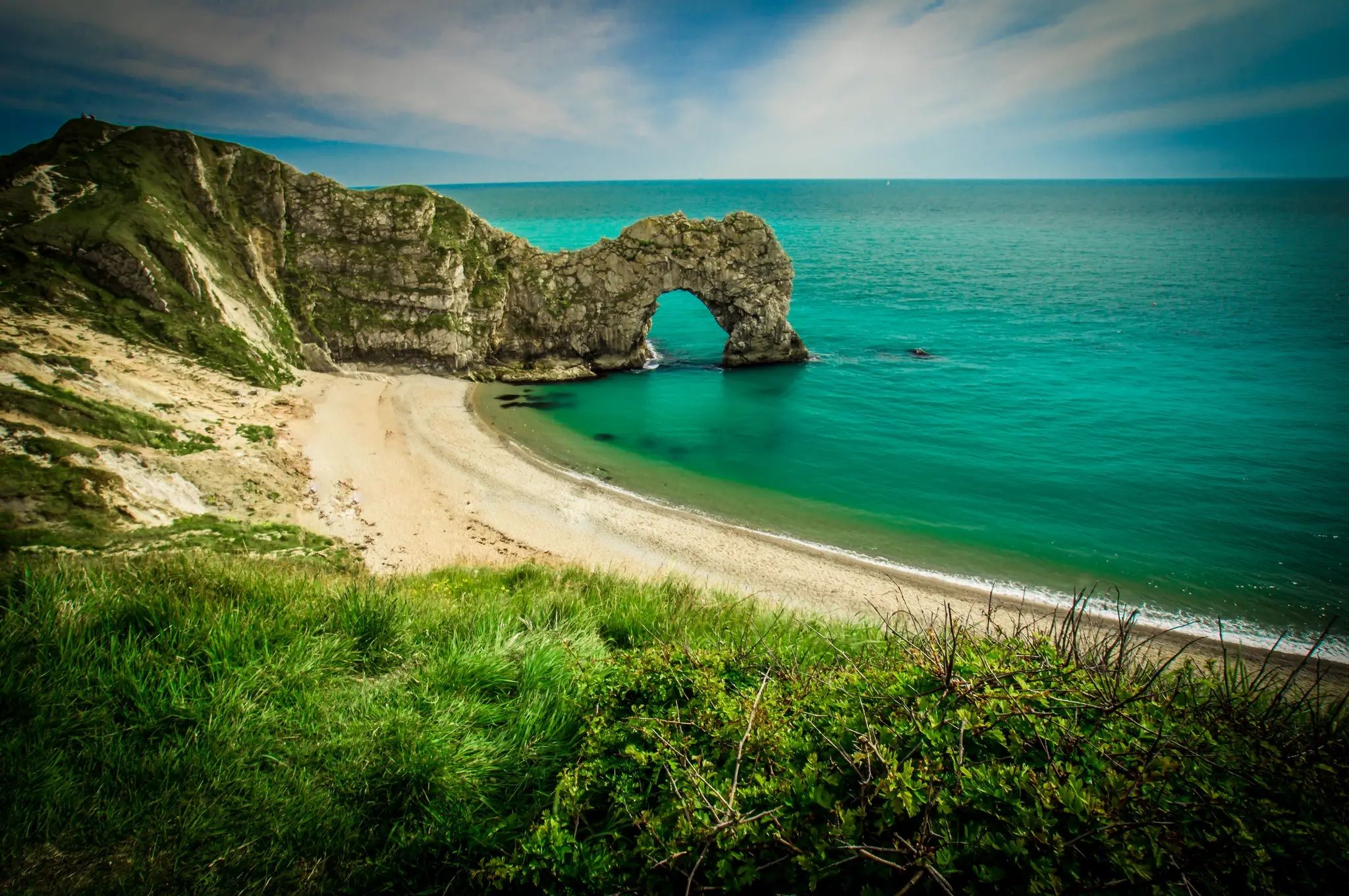
Baggy Point
Highlight • Viewpoint
Tip by

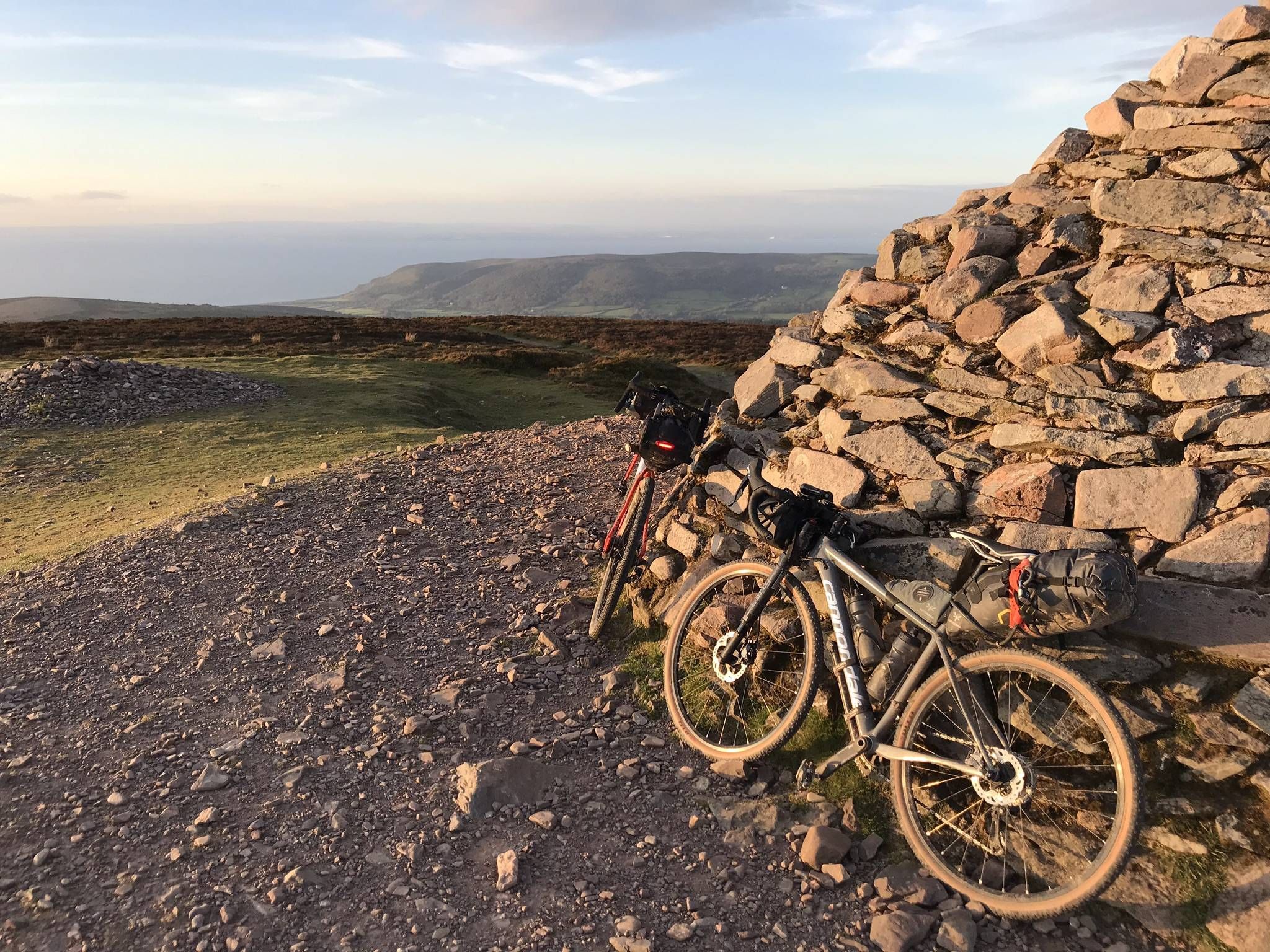
Little Hangman
Highlight • Natural Monument
Tip by

Sign up now to discover places like this
Get recommendations on the best single tracks, peaks, & plenty of other exciting outdoor places.
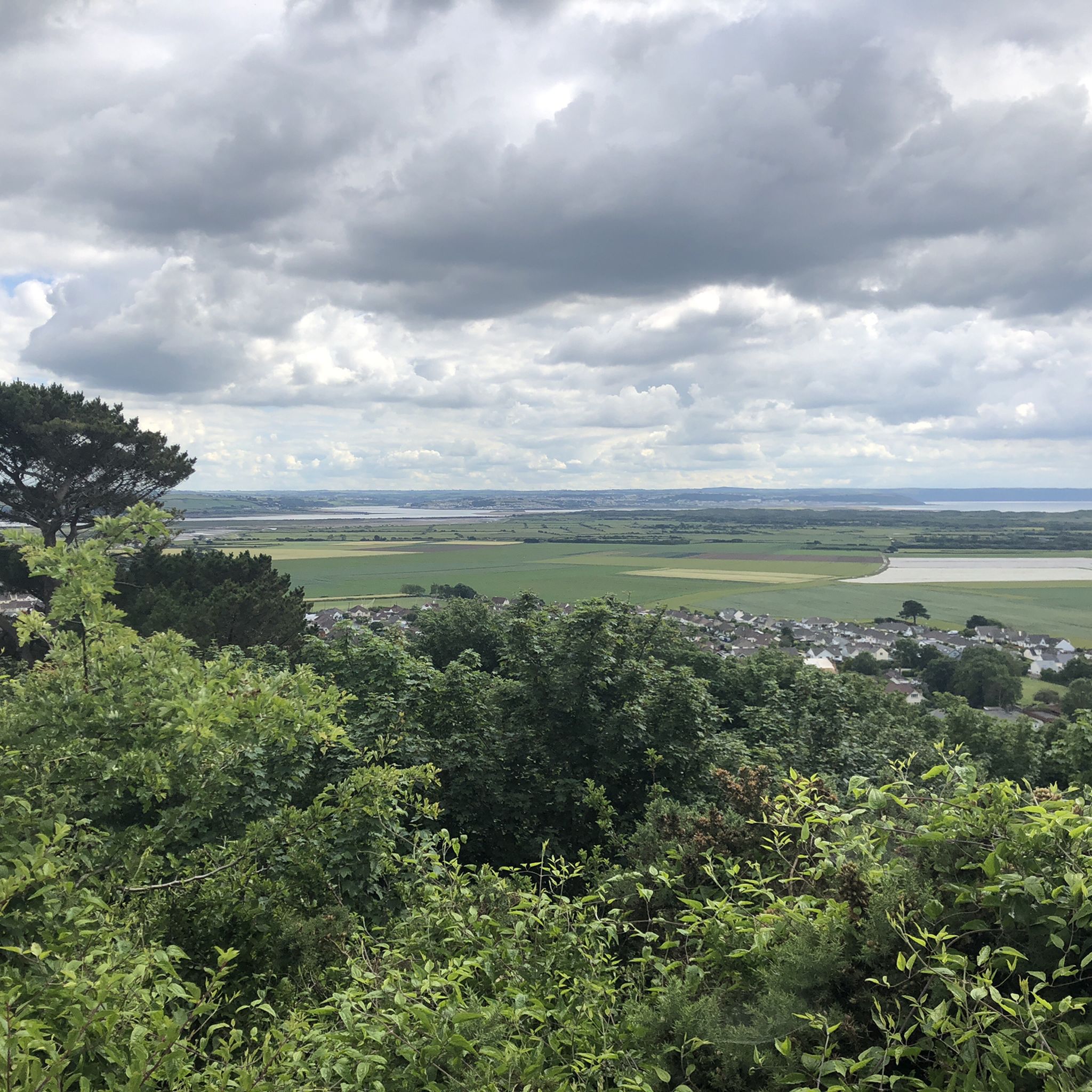
River Torridge
Highlight • River
Tip by

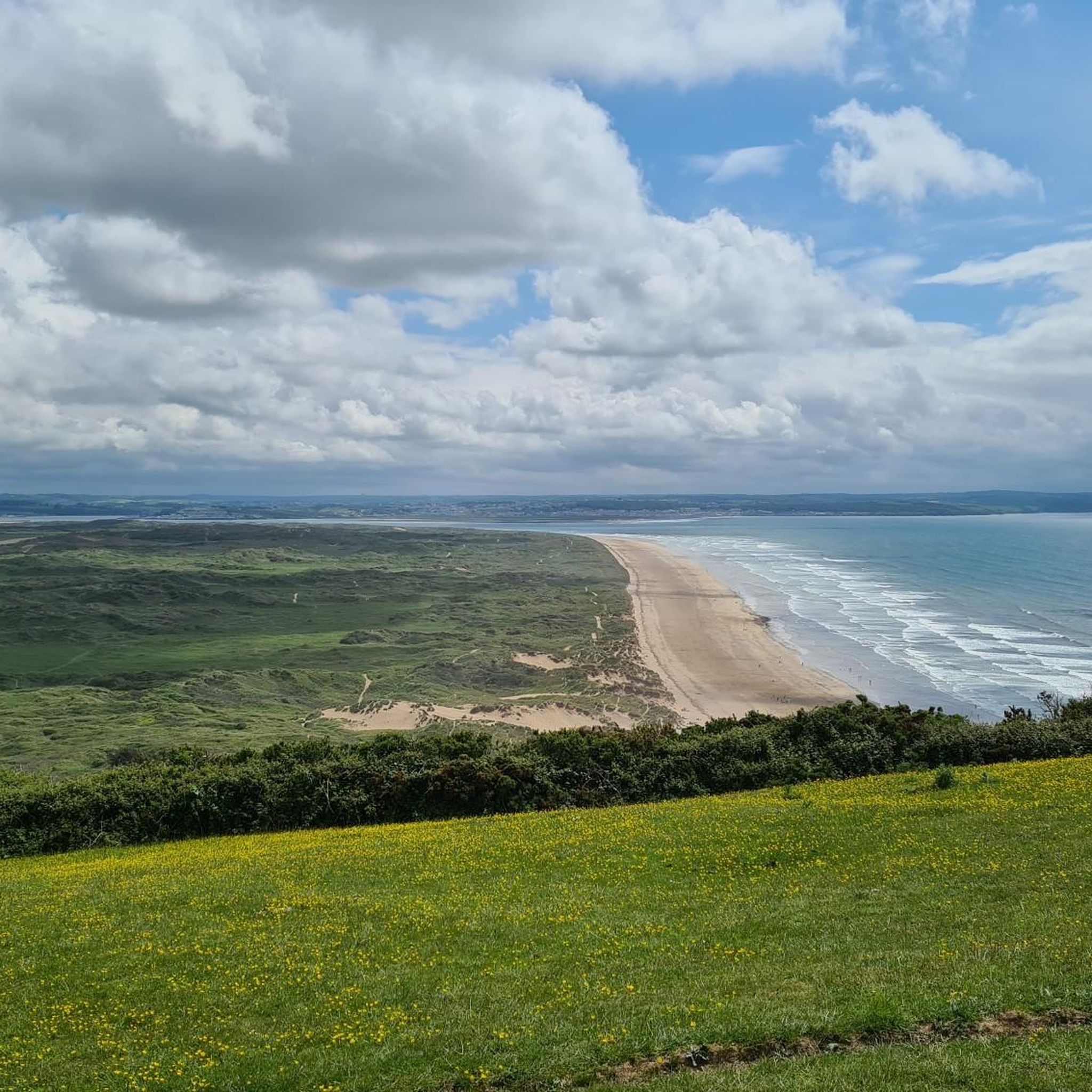
Morte Point
Highlight • Natural Monument
If seals aren't enough, there …
Tip by

Torrs Cliffs
Highlight • Natural Monument
Tip by
Sign up for free to discover even more natural monuments around Braunton.
Already have an account?



Tips from the Community


Amazing views stretching out across the Severn estuary, with great views of the Welsh coast on a clear day.
2
1


The totem pole, also known as the Coastguard Pole, on Baggy Point once played an important role in training coastguards. It was designed to mimic the mast on a ship, and coastguards would practice firing rope at the mast, and then rigging up a breeches buoy.
3
0

Little Hangman is one of the main cliffs in Combe Martin, and from this point, you will enjoy a privileged view of the coastline.
1
0
Little Hangman is one of the main prominent landmarks in the area, along with its 'big brother' The Great Hangman. One way to explain its name is likely the local legend that tells of a sheep rustler. This rustler once took a ram tied with a rope, when suddenly, the ram escaped, falling off a cliff and taking the rustler with it. As they fell, the rope snagged onto a rock, and the next morning, it is said that a sailor passed by and saw the man hanging from the rope.
3
0

The Torrs, sometimes known as The Seven Hills, tower over Ilfracombe. These stunning cliffs offer sweeping coastal views. It is easy to see why they have been such a popular place to visit since the 19th century. As you walk through Torrs Park, you will meander along a zig-zag path which was dug by the Victorians.
3
0
This is a brilliant place for seal watching. Keep a look out for their heads bobbing in the sea or lying up on the rocks. If seals aren't enough, there are some fantastic views south towards Baggy Point across Woolacombe Bay. It is called Morte Point as it is such a dangerous area for shipping. So many ships have been wrecked here that its name means 'Death Point'.
2
0
Frequently Asked Questions
What unique natural features can I explore around Braunton?
Braunton offers a diverse range of natural features. You can explore the extensive sand dune system of Braunton Burrows, a UNESCO Biosphere Reserve, known for its unique flora and fauna. The dramatic headland of Baggy Point provides stunning coastal views and geological interest, while Morte Point is renowned for seal watching. Additionally, the historic Braunton Great Field showcases a rare medieval open strip field system.
Are there family-friendly natural monuments in the Braunton area?
Yes, several natural monuments around Braunton are great for families. Baggy Point offers an easy access path suitable for all ages to enjoy the rugged headland and views. Saunton Sands, adjacent to Braunton Burrows, is a vast sandy beach perfect for walking and relaxing. The River Torridge also provides pleasant spots for family outings.
Where can I go for wildlife spotting near Braunton's natural monuments?
For excellent wildlife spotting, head to Braunton Burrows, which is home to over 400 species of flowering plants, 33 butterfly species, and various birds, including wintering waterfowl. Morte Point is a prime location for observing seals, often seen bobbing in the sea or resting on the rocks. Baggy Point also offers opportunities to spot seabirds like guillemots and razorbills.
What historical connections do the natural monuments around Braunton have?
The natural monuments in Braunton are rich in history. Braunton Burrows and Saunton Sands were extensively used as training grounds for American forces preparing for the D-Day landings during World War II, with remnants still visible. Baggy Point also served as a WWII training ground and shows evidence of Mesolithic human occupation. The Braunton Great Field is a living historical monument, being one of England's last surviving medieval open strip field systems dating back to the 1200s.
What kind of walking routes can I find near these natural monuments?
You'll find a variety of walking routes. The South West Coast Path runs along Baggy Point and through Braunton Burrows, offering stunning coastal and dune walks. For more options, you can explore the hiking guide for Braunton, which includes routes like the 'Braunton Burrows & Crow Point loop' (easy) and 'Velator Quay – Crow Point loop' (moderate).
Are there any challenging natural monuments for experienced hikers?
Yes, for those seeking a challenge, Little Hangman offers a more demanding hike with rewarding views. It's one of the main prominent landmarks in the area, known for its steep ascent and dramatic coastal scenery. Morte Point also features challenging sections along its coastal paths.
What is the best time of year to visit Braunton's natural monuments?
The best time to visit largely depends on your interests. Spring and summer are ideal for enjoying the diverse flora and fauna of Braunton Burrows and the beaches. Autumn offers dramatic coastal views and fewer crowds, though weather can be more unpredictable. Winter can be beautiful for crisp walks, especially for birdwatching, but some paths might be muddy.
Can I find cafes or refreshments near the natural monuments?
While specific cafes might not be directly *on* every natural monument site, areas like Saunton Sands and Croyde Bay (near Baggy Point) have facilities. Braunton village itself offers various cafes and eateries, which are a short drive or walk from many of the natural attractions.
Are the natural monuments around Braunton accessible for wheelchairs?
While much of the rugged coastline and dune systems can be challenging, Baggy Point offers an easy access path that allows people of various abilities to enjoy the headland and its views. Saunton Sands beach also has some accessible sections, though the sand itself can be difficult for standard wheelchairs.
What other outdoor activities can I do near these natural monuments?
Beyond hiking, the area around Braunton offers excellent opportunities for road cycling and gravel biking. You can find various routes in the road cycling guide and the gravel biking guide for Braunton. Saunton Sands is particularly popular for surfing, especially for beginners and intermediate surfers. Rock climbing is also a popular activity at Baggy Point and Torrs Cliffs.
What makes the Braunton Great Field a unique natural monument?
The Braunton Great Field is unique because it is one of only two or three surviving medieval open strip field systems in England, dating back to the 1200s. It offers a rare glimpse into ancient agricultural practices, with visible 'landsherds' (small mounds separating strips) and 'Bond Stones' marking historical ownership divisions. Its open views across the field towards Braunton Burrows are also distinctive due to the lack of hedgebanks.
What are the views like from <a href="https://www.komoot.com/highlight/5268624" target="_blank" rel="noopener">Torrs Cliffs</a>?
Torrs Cliffs, also known as The Seven Hills, tower over Ilfracombe and offer sweeping coastal views across the Severn estuary. On a clear day, you can enjoy fantastic vistas of the Welsh coast. The zig-zag path, dug by Victorians, makes for a scenic walk to these viewpoints.
Most popular routes around Braunton
Most popular attractions around Braunton

Get inspired with the komoot mobile app


Explore more
Extend your search for the best caves by checking out these guides of the top ones around Braunton:
