Top 18 Natural Monuments around Fofannyreagh
Best natural monuments around Fofannyreagh are located in a rural area of County Down, Northern Ireland, bordering the Mourne Mountains. This region is part of the Mourne Gullion Strangford Geopark and is recognized as an Area of Outstanding Natural Beauty. The landscape features open mountain terrain, rugged peaks, and sweeping valleys.
Best natural monuments around Fofannyreagh
- The most popular natural monument is Summit of Slieve Donard, a natural monument that is Northern Ireland’s highest peak. The 19-mile Mourne Wall joins a stone tower and burial cairns on its summit.
- Another must-see spot is The Mourne Wall, a man-made monument built from natural granite stone. This 19-mile (31 km) structure traverses 15 summits of the Mourne Mountains.
- Visitors also love Hare's Gap, a mountain pass in the Mournes. It is known for its rugged stile and dramatic views, serving as a natural gateway into the high Mournes.
- Fofannyreagh is known for its mountains, valleys, and granite walls. The area offers a variety of natural monuments to see and explore, including peaks like Hen Mountain and Cock Mountain.
- The natural monuments around Fofannyreagh are appreciated by the komoot community. There are 39 upvotes and 23 photos showcasing the area's appeal.
Last updated: November 13, 2026
Slieve Commedagh Summit
Highlight • Summit
Tip by

Slieve Binnian summit
Highlight • Summit
Fantastic views down to silent valley reservoir and south towards Carlingford.
As with any hill walking - be prepared for a change in weather and have good footwear. Enjoy
Tip by

Sign up now to discover places like this
Get recommendations on the best single tracks, peaks, & plenty of other exciting outdoor places.
Hare's Gap
Highlight • Trail
Tip by

Silent Valley Reservoir
Highlight • Viewpoint
Situated in the Mourne Mountains AONB near Kilkeel, Silent Valley Reservoir not only supplies most of the water for County Down and Belfast, but it is also a beautiful spot to visit.
Nestled in the heart of the Mournes between Slieve Binnian and Slieve Muck, Silent Valley lives up to its name as one of the most peaceful and tranquil spots in County Down.
Tip by

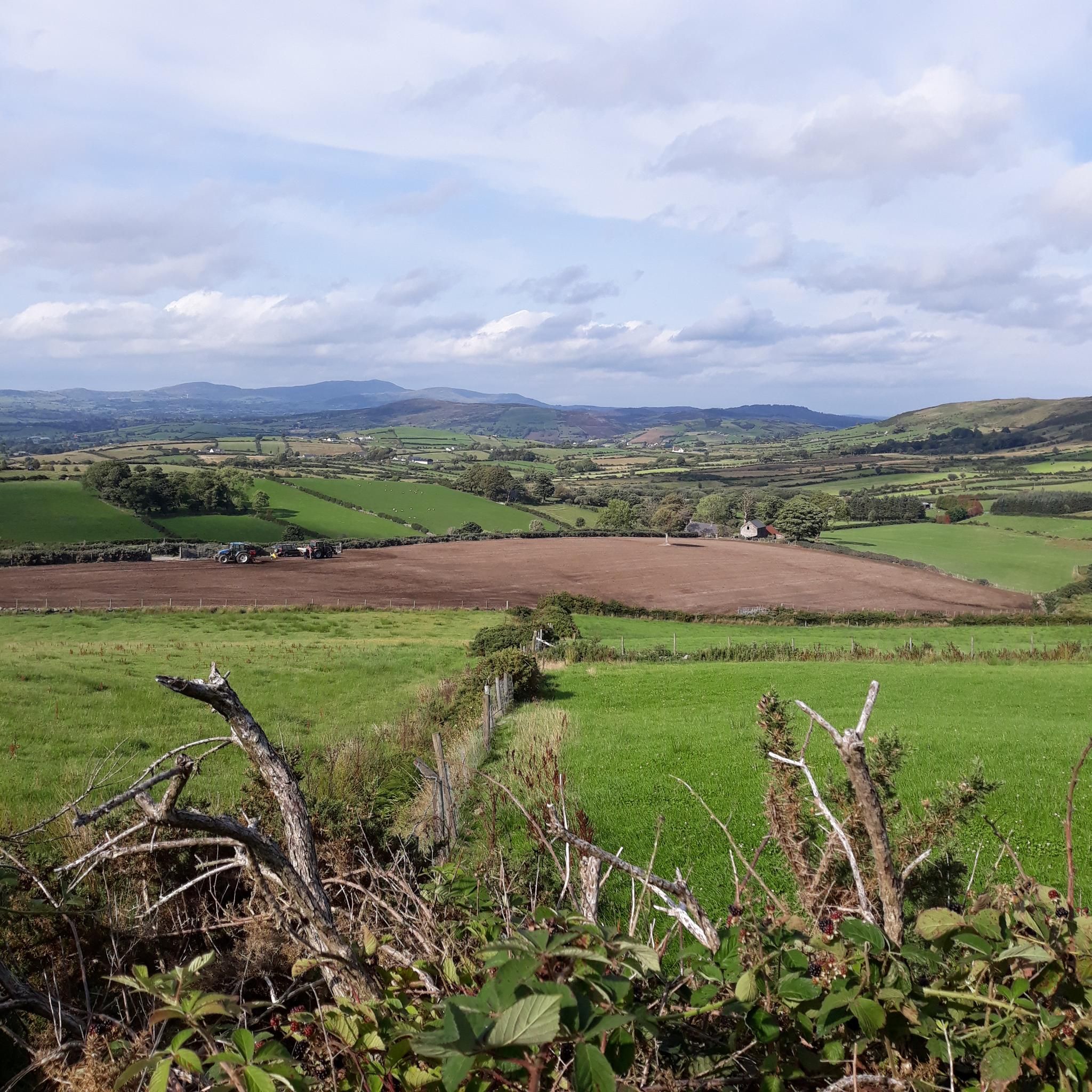
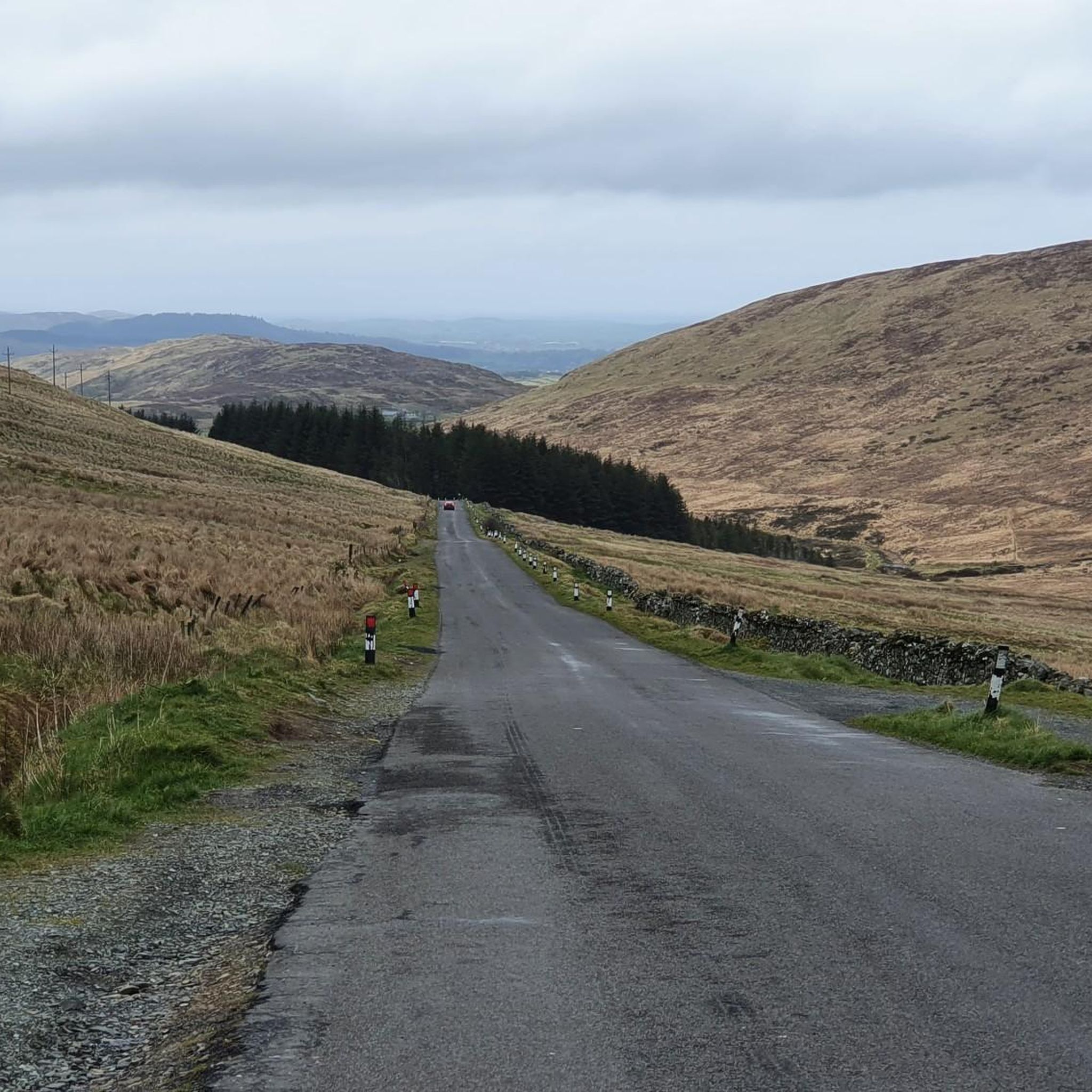
View of the Mourne Mountains
Highlight • Natural Monument
Translated by Google •
Tip by

Sign up for free to discover even more natural monuments around Fofannyreagh.
Already have an account?
Start today with a free account
Your next adventure awaits.
Tips from the Community

Slieve Binnian is absolute magic. Standing as the third-highest peak in Northern Ireland (747 meters), it easily claims the title for the most dramatic silhouette in the Mournes, thanks to the massive, weathered granite towers—called tors—that guard its summit. https://www.expresstollpass.com
0
0

Hare's Gap is a dramatic mountain pass nestled in the heart of the Mourne Mountains. This striking pass, situated between Slieve Bearnagh and Slievenaglogh, offers hikers a blend of natural beauty and historical intrigue. From this vantage point, hikers are treated to panoramic views of the surrounding peaks and valleys. The pass itself is historically significant, having once served as a route for smuggling goods across the mountains, adding a layer of intrigue to the hike. Hare's Gap is a popular starting point for various hikes, including ascents of Slieve Bearnagh and Slieve Meelmore.
2
0
Starting from Carrick Little Car Park, the hiking path to Slieve Binnian offers a rewarding journey through the heart of the Mourne Mountains. This moderate to challenging loop, approximately 11.2 km in length, follows the Mourne Wall, a historic dry-stone structure built in the early 1900s, guiding hikers toward the summit of Slieve Binnian (747 m). The ascent is steady, with a mix of rocky terrain and scenic views. As you approach the summit, the path becomes more rugged, leading to the iconic South and North Tors. From the summit, panoramic vistas unfold, offering breathtaking views of the Silent Valley and the surrounding peaks.
1
0
Hare’s Gap is one of the most iconic passes in the Mourne Mountains, marked by its rugged stile and dramatic views that open up across the range. Once a historic smuggling route, it remains a natural gateway into the high Mournes, with steep paths and striking rock formations framing the way. From here, the landscape unfolds in every direction, making it a perfect spot to pause, take in the scenery, and appreciate the wild beauty of these mountains.
4
0
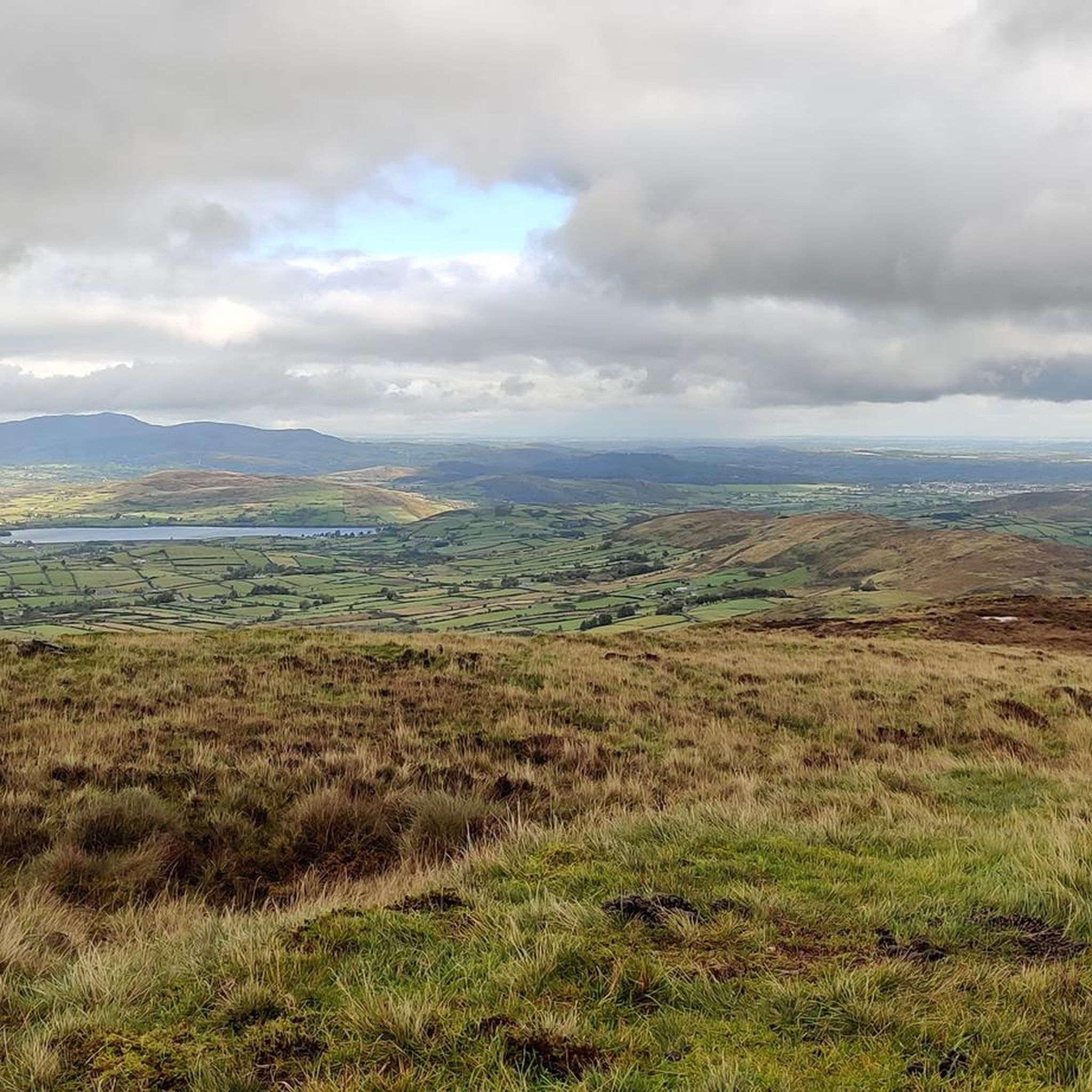
Slieve Commedagh, at 767 meters, is the second-highest peak in the Mourne Mountains and a rewarding climb for any hiker. Its summit offers sweeping views across the Mournes and out to the Irish Sea, a reminder of how close these mountains sit to the coast. The ascent is steep and demanding, often over pathless ground, but never overly technical in good weather. You can climb it on its own or link it with nearby peaks such as Slieve Donard, making for a truly memorable day in the heart of the Mournes.
3
0
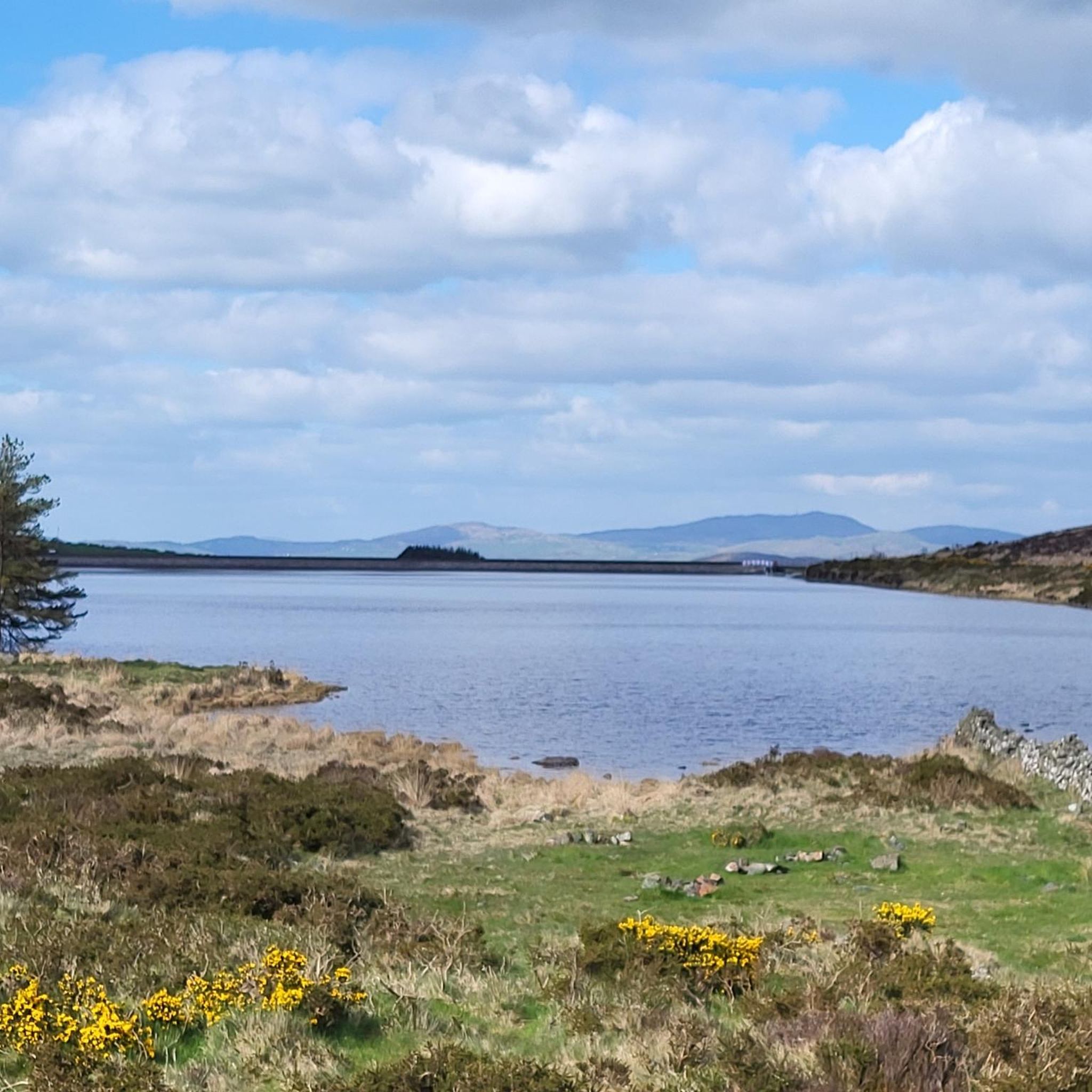
Silent Valley Reservoir, nestled in the Mourne Mountains, is a peaceful retreat surrounded by sweeping granite peaks and heathered slopes. Built in the early 20th century to supply water to Belfast and much of County Down, the reservoir combines striking engineering with natural beauty. Visitors can stroll along well-kept paths, admire the Victorian-style dam and impressive Mourne Wall, or simply enjoy the quiet atmosphere by the lakeshore.
4
1

The well-maintained trails take you through impressive scenery, surrounded by the striking peaks of the Mournes. The view of the Mourne Wall, which stretches for 35 kilometers and connects 15 peaks, is particularly impressive. However, some sections can become slippery in wet weather, so caution is advised. A highlight is a visit to Ben Crom Reservoir, which can be reached via an extension of the route. Note that there is a fee to enter the park.
1
1

Frequently Asked Questions
What natural monuments can I explore near Fofannyreagh?
Fofannyreagh is ideally situated at the edge of the Mourne Mountains, offering access to numerous natural wonders. You can explore Northern Ireland's highest peak, Summit of Slieve Donard, known for its panoramic views. Other notable sites include the dramatic mountain pass of Hare's Gap, the peaceful Silent Valley Reservoir, and the rugged Slieve Bearnagh with its distinctive rocky tors. The area also features mountains like Hen Mountain and Cock Mountain, which are directly adjacent to Fofannyreagh.
What makes the Mourne Mountains a significant natural area?
The Mourne Mountains, bordering Fofannyreagh, are an Area of Outstanding Natural Beauty and part of the Mourne Gullion Strangford Geopark. This vast granite mountain range boasts 15 spectacular peaks, including Slieve Donard, and is characterized by rugged landscapes, sweeping valleys, and ancient stone walls. Its dramatic scenery is said to have inspired C.S. Lewis's Narnia chronicles, offering a truly magical and enchanting experience for visitors.
Are there challenging hikes among the natural monuments?
Yes, the region offers several challenging hikes. Ascending the Summit of Slieve Donard, Northern Ireland's highest peak, is a demanding but rewarding experience. The route often incorporates sections of The Mourne Wall, a 19-mile structure traversing 15 summits. Slieve Bearnagh also presents a challenging climb, especially the final ascent to its rocky tors, requiring some scrambling.
What are some easier walks or family-friendly options around Fofannyreagh's natural monuments?
For easier walks, the Silent Valley Reservoir offers well-kept paths suitable for a leisurely stroll amidst stunning scenery. Hare's Gap, while a gateway to the high Mournes, has sections that are considered family-friendly. Additionally, there are several easy hiking routes nearby, such as the walk to Hen Mountain or Slieve Muck from Moyad Road. You can find more options in the Easy hikes around Fofannyreagh guide.
What unique geological features can be found in the area?
The Mourne Mountains are renowned for their granite formations. Hen Mountain, for instance, is famous for its impressive rocky tors, which are popular with rock climbers. Slieve Bearnagh also features two giant rocky tors that give it its name, 'Gapped Mountain'. The entire region is part of the Mourne Gullion Strangford Geopark, highlighting its significant geological heritage.
What is the Mourne Wall and why is it significant?
The Mourne Wall is a remarkable man-made monument built from natural granite stone. This 19-mile (31 km) structure traverses 15 summits of the Mourne Mountains. It took almost 20 years to build and was constructed to prevent livestock from contaminating the Silent Valley Reservoir. Today, it's a prominent landmark and forms the basis of the challenging 'Mourne Wall Challenge' for hikers.
What outdoor activities can I do near these natural monuments?
Beyond hiking, the area around Fofannyreagh offers a variety of outdoor activities. You can explore numerous cycling routes, including those around Castlewellan Lake or towards Kilbroney Caravan Park, as detailed in the Cycling around Fofannyreagh guide. Mountain biking enthusiasts can find trails like the Mourne Hills loop from Hilltown, which you can discover in the MTB Trails around Fofannyreagh guide.
What do visitors enjoy most about the natural monuments in this region?
Visitors frequently praise the breathtaking scenery and the sense of wild beauty. The panoramic views from peaks like Slieve Donard and Hen Mountain are highly appreciated. Many are captivated by the dramatic landscapes, the unique geological features like rocky tors, and the historical significance of landmarks such as The Mourne Wall. The peaceful atmosphere of places like Silent Valley Reservoir also receives high acclaim.
Are there any historical or cultural points of interest related to the natural monuments?
Yes, the region has a rich history intertwined with its natural landscape. Hare's Gap, for instance, was historically a smugglers' hotspot, with contraband often carried through from the coast. The Mourne Wall itself is a testament to early 20th-century engineering and a significant historical landmark. The Summit of Slieve Donard also features the remains of two ancient burial cairns, adding a layer of archaeological interest.
What is the best time of year to visit the natural monuments around Fofannyreagh?
The Mourne Mountains offer beauty year-round, but the best time to visit for hiking and exploring the natural monuments is generally during the spring (April-May) and autumn (September-October) months. During these periods, the weather is often milder, and the landscapes are vibrant with spring blooms or rich autumn colors. Summer (June-August) is also popular, though it can be busier. Winter visits are possible for experienced hikers, but require appropriate gear due to potentially harsh weather conditions.
Where can I find more information about the Mourne Mountains and the surrounding area?
For more detailed information about the Mourne Mountains and the wider region, you can visit the official Mourne Gullion Strangford Geopark website. Specifically, you might find useful resources like this guide to the Mourne Mountains: Discover the Mourne Mountains. For specific details on Hen, Cock, and Pigeon Rock Mountains, refer to: Hen, Cock and Pigeon Rock.
Most popular attractions around Fofannyreagh

Get inspired with the komoot mobile app


Explore more
Extend your search for the best caves by checking out these guides of the top ones around Fofannyreagh:
