Top 16 Natural Monuments around Drumbonniff
Best natural monuments around Drumbonniff include a variety of significant natural and man-made features in the surrounding regions, particularly within the Mourne Mountains. This area offers diverse landscapes, from high peaks to mountain passes and reservoirs. Visitors can explore a range of natural attractions that showcase the geological and scenic characteristics of the region. The landscape provides opportunities for outdoor activities centered around these natural points of interest.
Best natural monuments around Drumbonniff
- The most popular natural monuments is Summit…
Last updated: June 30, 2026
Slieve Commedagh Summit
Highlight • Summit
Tip by

Slieve Bearnagh
Highlight • Viewpoint
Tip by

Sign up now to discover places like this
Get recommendations on the best single tracks, peaks, & plenty of other exciting outdoor places.
Sign up for free
Slieve Binnian summit
Highlight • Summit
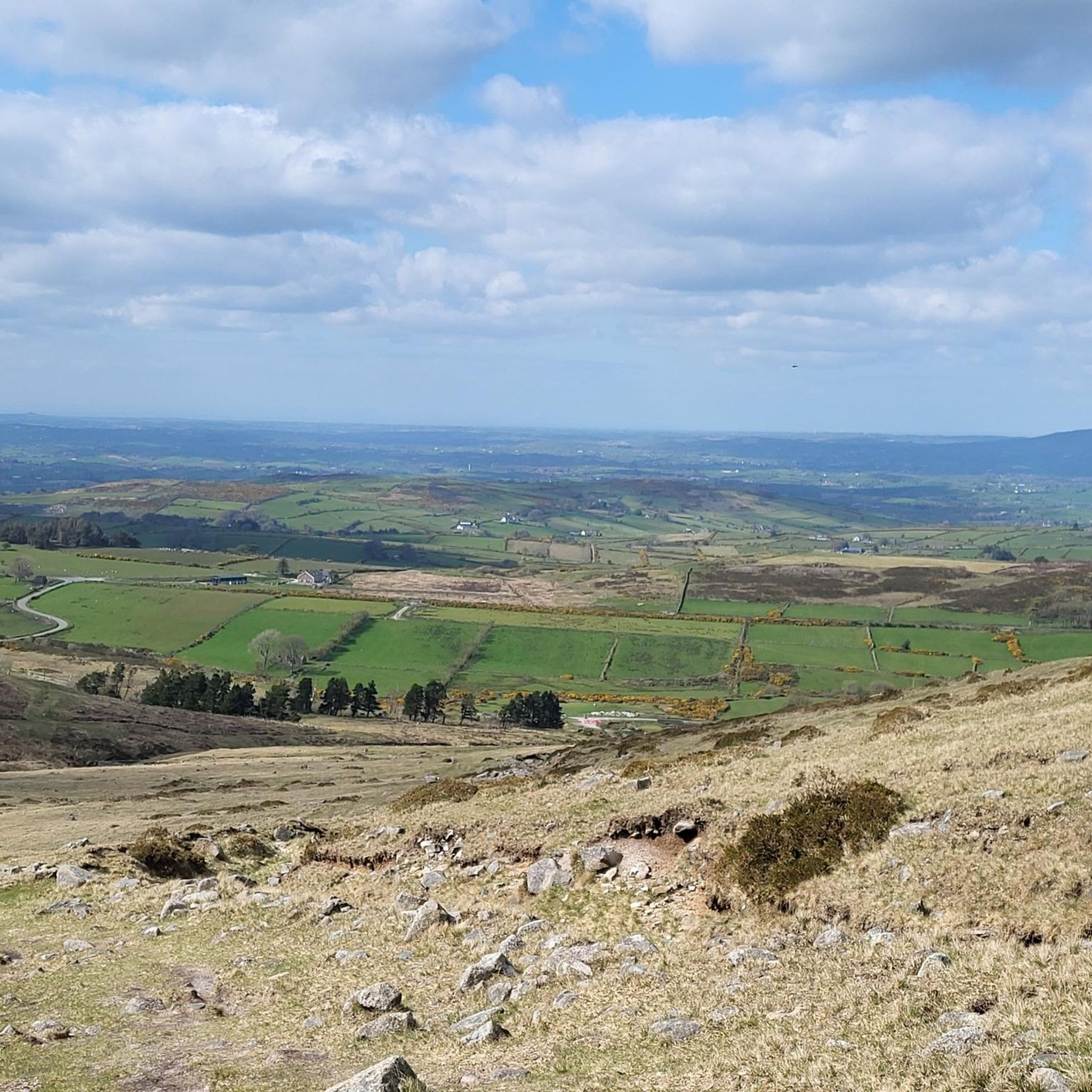
Fantastic views down to silent valley reservoir and south towards Carlingford.
As with any hill walking - be prepared for a change in weather and have good footwear. Enjoy
Tip by

Summit of Slieve Donard
Highlight • Natural Monument
Tip by

Hare's Gap
Highlight • Trail
Tip by

Sign up for free to discover even more natural monuments around Drumbonniff.
Sign up for free
Already have an account?
Start today with a free account
Your next adventure awaits.
Login or Signup

Tips from the Community

Slieve Binnian is absolute magic. Standing as the third-highest peak in Northern Ireland (747 meters), it easily claims the title for the most dramatic silhouette in the Mournes, thanks to the massive, weathered granite towers—called tors—that guard its summit. https://www.expresstollpass.com
0
0

Hare's Gap is a dramatic mountain pass nestled in the heart of the Mourne Mountains. This striking pass, situated between Slieve Bearnagh and Slievenaglogh, offers hikers a blend of natural beauty and historical intrigue. From this vantage point, hikers are treated to panoramic views of the surrounding peaks and valleys. The pass itself is historically significant, having once served as a route for smuggling goods across the mountains, adding a layer of intrigue to the hike. Hare's Gap is a popular starting point for various hikes, including ascents of Slieve Bearnagh and Slieve Meelmore.
2
0
Hare’s Gap is one of the most iconic passes in the Mourne Mountains, marked by its rugged stile and dramatic views that open up across the range. Once a historic smuggling route, it remains a natural gateway into the high Mournes, with steep paths and striking rock formations framing the way. From here, the landscape unfolds in every direction, making it a perfect spot to pause, take in the scenery, and appreciate the wild beauty of these mountains.
4
0
Slieve Commedagh, at 767 meters, is the second-highest peak in the Mourne Mountains and a rewarding climb for any hiker. Its summit offers sweeping views across the Mournes and out to the Irish Sea, a reminder of how close these mountains sit to the coast. The ascent is steep and demanding, often over pathless ground, but never overly technical in good weather. You can climb it on its own or link it with nearby peaks such as Slieve Donard, making for a truly memorable day in the heart of the Mournes.
3
0

I was lucky to see them at their best today, beautiful 😍
0
0

Congratulations, you've made it up the mighty Slieve Donard. Being the highest of the Mourne Mountain peaks, this is an incredible achievement. Take a well-earned rest and enjoy the phenomenal views across the stunning Mournes and out to the Irish Sea.
1
0
Hare's Gap is the most beautiful and dramatic mountain pass in the whole of the Mournes mountain range. It was once a smugglers hotspot, with people often carrying contraband, such as soaps and spices, through here from the coast along the Brandy Pad.
2
0
Frequently Asked Questions
What are some of the most popular natural monuments to visit around Drumbonniff?
Some of the most popular natural monuments in the wider region include the Summit of Slieve Donard, Northern Ireland's highest peak, offering expansive views. Another significant site is The Mourne Wall, a remarkable man-made structure traversing the Mourne Mountains. Visitors also frequently explore Hare's Gap, a dramatic mountain pass known for its rugged beauty.
Are there any family-friendly natural monuments near Drumbonniff?
Yes, Hare's Gap is considered family-friendly, offering dramatic views and a sense of adventure. Additionally, the Silent Valley Reservoir provides a peaceful retreat with well-kept paths suitable for families to stroll and enjoy the scenery.
What kind of natural features can I expect to see around Drumbonniff?
The region around Drumbonniff is rich in diverse natural features. You can expect to see towering mountain summits like Slieve Bearnagh, dramatic mountain passes such as Hare's Gap, and serene lakes like the Silent Valley Reservoir. The landscape also features extensive coniferous woodlands, as seen in Drumkeeragh Forest, and prominent geological formations like Binevenagh.
What outdoor activities can I do near these natural monuments?
The natural monuments around Drumbonniff are excellent starting points for various outdoor activities. You can find numerous hiking trails, including challenging routes to mountain summits and moderate paths through valleys. Cycling is also popular, with options for both touring and road cycling. For detailed routes and guides, explore the hiking and cycling guides around Drumbonniff.
Are there specific hiking trails that lead to or past these natural monuments?
Yes, many hiking trails incorporate these natural monuments. For instance, the Mourne Wall itself forms a significant hiking challenge, passing over 15 peaks. Trails often lead to summits like Slieve Donard and Slieve Bearnagh. You can find routes like 'Ott Track to Doan Mountain' or 'Slieve Loughshannagh, Meelbeg and Meelmore loop' in the hiking guide for Drumbonniff.
What cultural or historic sites are integrated with the natural landscape?
The region features several sites where human history intertwines with nature. The most prominent is The Mourne Wall, a 31 km dry-stone wall built to enclose the Silent Valley catchment area. On Binevenagh, you'll find the **Manannán Mac Lir Statue**, dedicated to the Celtic god of the sea, which offers breathtaking views and adds a cultural dimension to the natural grandeur.
What do visitors enjoy most about the natural monuments around Drumbonniff?
Visitors consistently praise the stunning panoramic views from the mountain summits, such as those from Slieve Donard and Slieve Croob. The dramatic geological features, the tranquility of places like Silent Valley Reservoir, and the unique experience of traversing historical structures like The Mourne Wall are also highly valued. The overall wild beauty and opportunities for challenging hikes are frequently highlighted.
Are there any natural monuments with particularly expansive views?
Absolutely. The Summit of Slieve Donard offers views across County Down, the Isle of Man, Anglesey, and even the West Coast of Scotland on a clear day. Slieve Croob Summit provides expansive views across County Down and towards the Mourne Mountains. Binevenagh also boasts spectacular panoramic views over Magilligan and towards Donegal.
What is the best time to visit the natural monuments around Drumbonniff?
The best time to visit is generally during the spring, summer, and early autumn months (April to October) when the weather is milder and days are longer, making hiking and outdoor exploration more enjoyable. Clear days are ideal for experiencing the panoramic views from the summits. Winter visits are possible but require appropriate gear due to potentially harsh weather conditions.
Are there any hidden gems or less-known natural monuments worth exploring?
While not exactly 'hidden,' places like Drumkeeragh Forest offer a serene experience with its coniferous woodlands and elevated perspectives of the diverse Northern Irish landscape, often less crowded than the major peaks. Crocknasmug Summit in County Donegal, marked by a distinctive cairn, also provides a rewarding experience for those seeking a less-traveled mountain peak.
What should I wear when visiting the natural monuments?
Given the mountainous and often exposed nature of these sites, it's essential to wear appropriate outdoor clothing. This includes sturdy hiking boots, layers of clothing to adapt to changing weather conditions, waterproof and windproof outer layers, and sun protection. Even on seemingly clear days, weather in the mountains can change rapidly.
Are there any natural monuments that are particularly challenging to reach?
Yes, many of the mountain summits, such as Slieve Donard and Slieve Bearnagh, involve challenging climbs with steep paths and rocky terrain, sometimes requiring scrambling. Traversing the entire Mourne Wall is also a significant undertaking, covering over 15 peaks and substantial elevation gain.
Most popular attractions around Drumbonniff

Get inspired with the komoot mobile app


Explore more
Extend your search for the best caves by checking out these guides of the top ones around Drumbonniff:
