Top 9 Natural Monuments around Aughadanove
Best natural monuments around Aughadanove are primarily archaeological sites, offering insight into prehistoric human activity. While Aughadanove itself is noted for potential ancient man-made structures like long mounds, the broader region of County Armagh and Slieve Gullion features significant natural and ancient monuments. This area encompasses diverse landscapes, from extinct volcanoes to high-altitude lakes and historical sites. Explorers can discover a range of natural and historical features within a short distance.
Best natural monuments around Aughadanove
- The most popular natural…
Last updated: June 30, 2026
Slieve Gullion Summit
Highlight • Volcano
Translated by Google •
Tip by

North Cairn of Slieve Gullion and Calliagh Beara's Lough
Highlight • Summit
Translated by Google •
Tip by
Sign up now to discover places like this
Get recommendations on the best single tracks, peaks, & plenty of other exciting outdoor places.
Sign up for free
Druids' Circle, Ravensdale Forest
Highlight • Historical Site
Tip by

The Witch Sculpture
Highlight • Forest
Tip by

Calliagh Beara Lough
Highlight • Lake
Tip by
Sign up for free to discover even more natural monuments around Aughadanove.
Sign up for free
Already have an account?
Start today with a free account
Your next adventure awaits.
Login or Signup


Tips from the Community

Druid’s Circle, Clermont Estate: this small oval stone circle above the Flurry River, marked as both “Standing Stone” and “Druids Circle” on old maps, was likely uncovered in 1840 by Lord Clermont. Though some believe it’s prehistoric, others argue it may be 19th-century landscaping. Its irregular layout and re-set stones cast doubt on its authenticity. Still, it’s a scenic and mysterious woodland stop.
1
0

In the middle of the forest, you suddenly find yourself standing in front of a bizarre stone creature - the "witch". She looks as if she has just risen from the mossy ground, with a mischievous smile and deep, expressive wrinkles on her face. This artfully designed stone is one of those unexpected encounters that transform the forest into a small adventure land. When you explore this magical place surrounded by old trees and whispering leaves, it almost seems as if the witch is greeting you with a wink. Here you can linger for a moment, enjoy the silence and let your imagination run wild - who knows what stories this forest still has to tell?
1
0
Hidden in Ravensdale Forest, off the main paths, you come across a mystical stone circle that raises questions: Was it the Druids who held their mysterious rituals here, or was it the eccentric 19th century landowner who wanted to immortalize himself with this project? Nobody knows for sure, and that makes this place all the more fascinating. The eight stones, arranged in an oval, seem like silent witnesses to a time long gone. On the maps, the circle is referred to as both the 'Standing Stone' and the 'Druids Circle', and you immediately sense that this place exudes a special aura. The stone circle is just a short climb from the Flurry River, in the middle of the old Lord Clermont Estate. Up here, in the shade of the trees, it feels like you have entered another world. The stones, covered in moss, invite you to pause and enjoy the tranquility of the forest.
2
0
As soon as you cross the gentle ridge of Slieve Gullion, the North Cairn stretches out before you - a slightly smaller hill than its southern neighbour, but no less impressive. The stones that gather here seem like silent sentinels, witnesses of the distant Bronze Age. Two ancient stone boxes were once found here during excavations, which lay hidden in the depths of history. The North Cairn, with its diameter of around 18 metres, invites you to pause for a moment and enjoy the peace. But it is not just the Cairn that is fascinating. Right next to it lies "Calliagh Beara's Lough", a quiet mountain lake that, according to legend, is the home of the witch Beara. On a clear day, the sky is reflected in the calm waters and you can almost feel the ancient magic of this place coming to life. The road here may be rocky, but the landscape rewards with sweeping views and a touch of mysticism that makes Slieve Gullion something special.
1
0

This stone circle, marked on the OSI map as ‘Standing Stone' & on the Historic map as 'Druids Circle', is located 100m east, uphill from the Flurry River (Glais Ghallaigh), in woods on the old Lord Clermont Estate. The circle consists of eight regularly spaced stones enclosing an oval area. https://www.megalithicmonumentsofireland.com/COUNTIES/LOUTH/RavensdalePark_StoneCircle.html
2
0


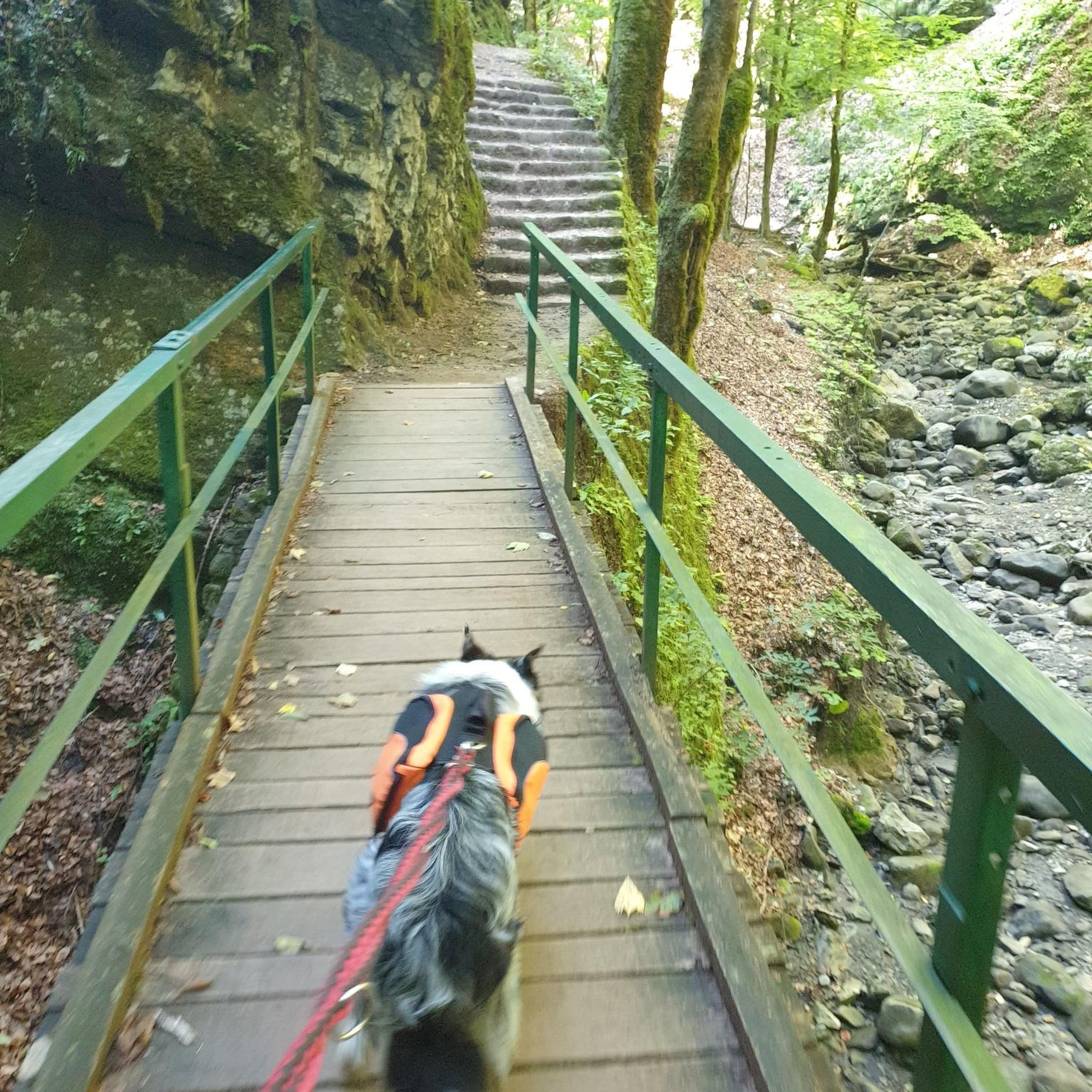
This small forest at the foot of Slieve Gullion seems to be straight out of a fairy tale. Running through it will leave you enchanted, and you'll come across curious sculptures like this giant witch's face.
0
0
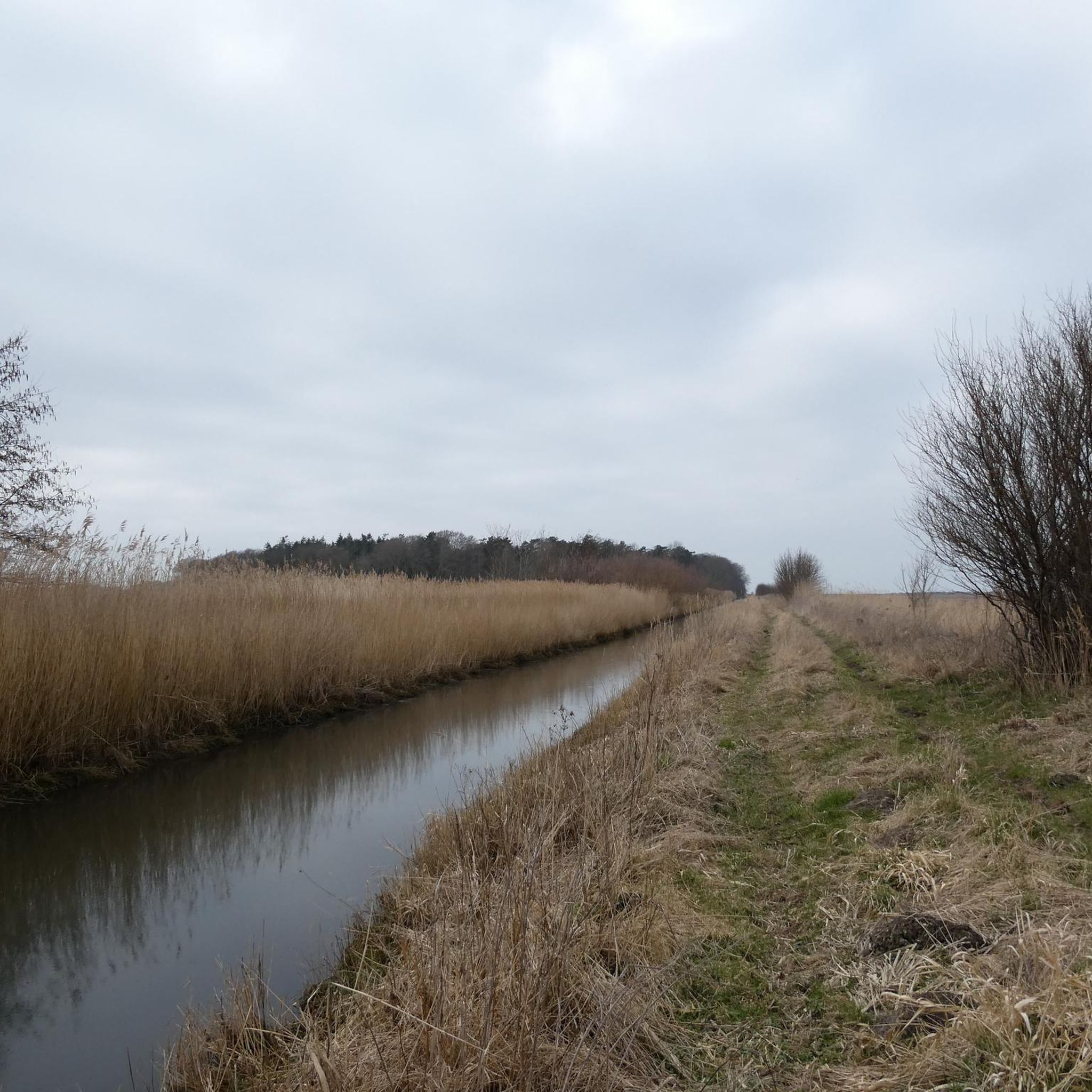
This lough, located between the northern and southern burial cairns of Slieve Gullion, is the highest in Northern Ireland.
0
0
Frequently Asked Questions
What types of natural monuments can I explore around Aughadanove?
The region around Aughadanove is rich in both natural beauty and ancient archaeological sites. You can explore extinct volcanoes, high-altitude lakes, and significant historical sites like passage tombs and stone circles. While Aughadanove itself features potential ancient mounds, the broader area, particularly the Slieve Gullion region, offers a diverse range of natural and historical wonders.
Are there any significant historical or archaeological natural monuments to visit?
Yes, the area is particularly noted for its historical and archaeological significance. The summit of Slieve Gullion hosts the highest passage tomb in the British Isles. You can also find the North Cairn of Slieve Gullion, which contains Bronze Age stone boxes, and the mysterious Druids' Circle in Ravensdale Forest, a stone circle whose origins are debated but remain intriguing.
What natural features, like lakes or viewpoints, are prominent in the area?
The region boasts impressive natural features. Slieve Gullion Summit, an extinct volcano, offers fantastic panoramic views. You can also visit Calliagh Beara Lough, which is the highest lough in Northern Ireland, nestled between the burial cairns of Slieve Gullion.
Are there family-friendly natural monuments or activities around Aughadanove?
Yes, for families, The Witch Sculpture in the forest at the foot of Slieve Gullion is a delightful and enchanting spot. It's one of many curious sculptures that make the forest feel like a fairy tale, perfect for a family adventure.
What outdoor activities can I do near these natural monuments?
The area offers a variety of outdoor activities. You can find numerous running trails, including the challenging Slieve Gullion running loop, and mountain biking routes. For more details on these activities, explore the MTB Trails around Aughadanove and Running Trails around Aughadanove guides.
Are there easy hiking trails to natural monuments in the Aughadanove area?
Yes, there are several easy hiking options. You can enjoy the Giant's Lair Trail or an easy loop to the Slieve Gullion Summit. For more accessible routes, check out the Easy hikes around Aughadanove guide.
What do visitors enjoy most about the natural monuments around Aughadanove?
Visitors frequently highlight the stunning panoramic views from Slieve Gullion Summit and the historical intrigue of its passage tomb. The mystical atmosphere of sites like the Druids' Circle and the unique experience of discovering sculptures like The Witch Sculpture are also highly appreciated.
What is the best time of year to visit the natural monuments around Aughadanove?
While specific seasonal considerations are not detailed for every monument, generally, spring and autumn offer pleasant weather for hiking and exploring the outdoor sites. Summer can also be ideal, especially for enjoying the views and lakes, though it may be busier. Winter visits can be beautiful but require appropriate gear for potentially wet and cold conditions, especially at higher elevations like Slieve Gullion.
Are there any other notable ancient monuments in the broader vicinity of Aughadanove?
Beyond the immediate area, the broader region offers several significant ancient monuments. These include the Annaghmare Court-tomb (The Black Castle), Ballymacdermot Court-tomb, the Kilnasaggart Standing Stone, and the historically important Navan Fort (Emain Macha) near Armagh City, which features enclosures, mounds, and an artificial lake.
Where can I find the highest lough in Northern Ireland?
The highest lough in Northern Ireland is Calliagh Beara Lough, located between the northern and southern burial cairns of Slieve Gullion. It's a serene spot, often visited in conjunction with the North Cairn of Slieve Gullion.
What is the significance of Slieve Gullion in terms of natural monuments?
Slieve Gullion is an extinct volcano and a highly significant natural monument. Its summit hosts the highest passage tomb in the British Isles, offering a unique blend of natural geology and ancient human history. The views from the top are expansive, making it a popular destination for hikers and history enthusiasts alike.
Most popular attractions around Aughadanove

Get inspired with the komoot mobile app


Explore more
Extend your search for the best caves by checking out these guides of the top ones around Aughadanove:
