Top 7 Natural Monuments around Mullaghglass
Best natural monuments around Mullaghglass are found within the Ring of Gullion Area of Outstanding Natural Beauty, a region recognized for its unique geological features and ancient sites. This area, located north of Newry in County Armagh, Northern Ireland, is defined by an ancient volcanic ring dyke, diverse landscapes, and rich mythology. The landscape encompasses craggy hills, woodlands, and bogs, providing a variety of natural features. The region offers opportunities for outdoor activities and a connection to historical and geological…
Last updated: June 30, 2026
Slieve Gullion Summit
Highlight • Volcano
Translated by Google •
Tip by

North Cairn of Slieve Gullion and Calliagh Beara's Lough
Highlight • Summit
Translated by Google •
Tip by
Sign up now to discover places like this
Get recommendations on the best single tracks, peaks, & plenty of other exciting outdoor places.
Sign up for free
The Witch Sculpture
Highlight • Forest
Tip by

Calliagh Beara Lough
Highlight • Lake
Tip by
Clontygora Court Tomb
Highlight • Natural Monument
Tip by
Sign up for free to discover even more natural monuments around Mullaghglass.
Sign up for free
Already have an account?
Start today with a free account
Your next adventure awaits.
Login or Signup

Tips from the Community

Clontygora Court Tomb is a truly special experience on the Ring of Gullion. While travelling along the quiet roads of County Armagh, I discovered this ancient megalithic tomb, also known as 'The King's Ring'. The imposing, upright stones of the U-shaped exedra are a striking sight and provide a fascinating insight into times long past. Although some parts have been damaged over the centuries, the tomb exudes a remarkable atmosphere - as if you are looking back in time. The site, nestled in the rolling hills at the foot of Slieve Gullion, makes the visit a worthwhile break for any cyclist. It is amazing how quiet it is here, with only the gentle breeze whistling through the stones. Those interested in prehistoric sites will also find the nearby monuments such as Ballymacdermot and Ballykeel fascinating. This area clearly has a rich history, which becomes apparent when you take a closer look at the megalithic chambers. I was particularly taken with the two massive portal stones that mark the entrance to the gallery - they seem like silent sentinels that have stood here for thousands of years. The view of the valley and the Newry River completes the experience. It is definitely worth a short detour, especially if you love nature and also have a bit of an interest in archaeology.
1
0
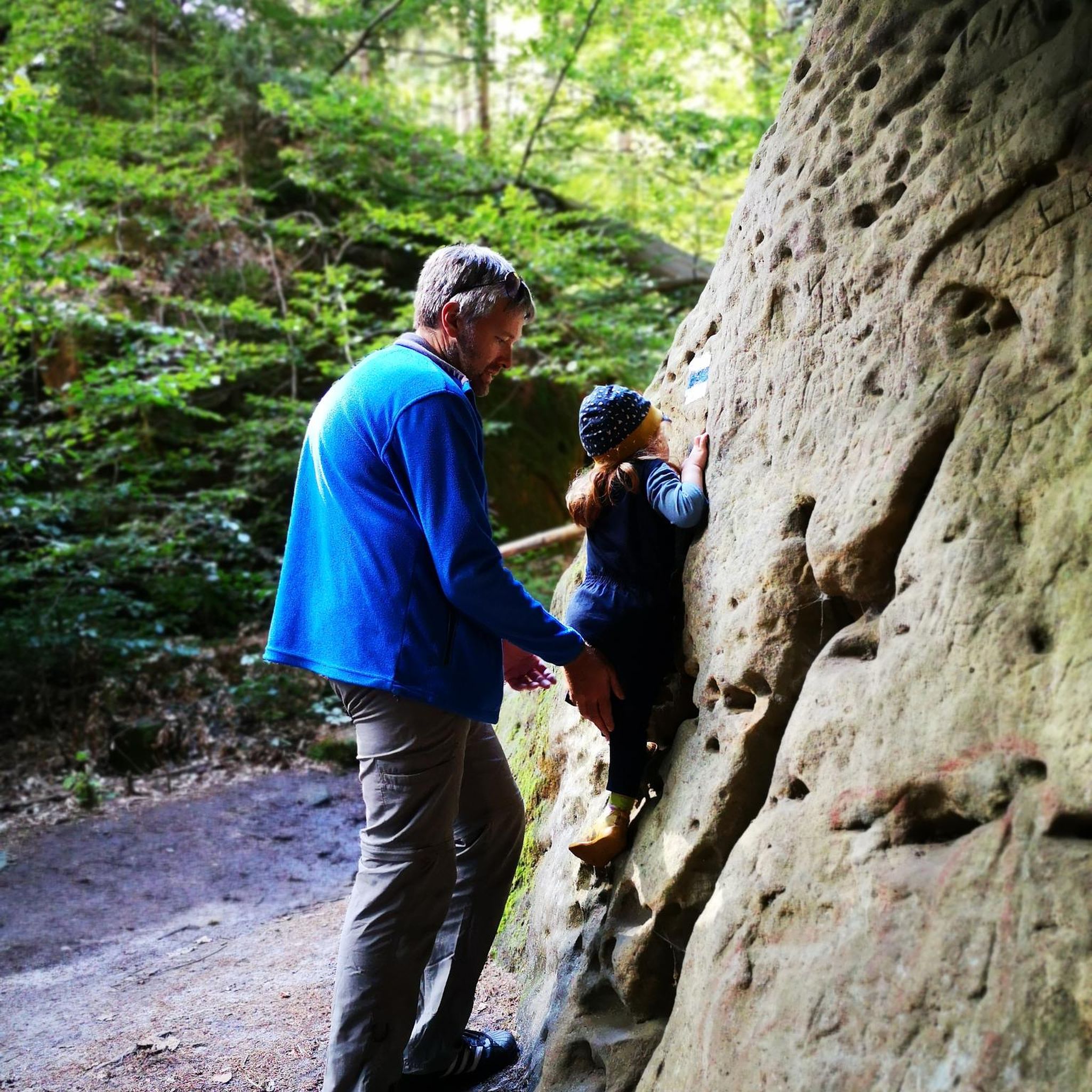
In the middle of the forest, you suddenly find yourself standing in front of a bizarre stone creature - the "witch". She looks as if she has just risen from the mossy ground, with a mischievous smile and deep, expressive wrinkles on her face. This artfully designed stone is one of those unexpected encounters that transform the forest into a small adventure land. When you explore this magical place surrounded by old trees and whispering leaves, it almost seems as if the witch is greeting you with a wink. Here you can linger for a moment, enjoy the silence and let your imagination run wild - who knows what stories this forest still has to tell?
1
0
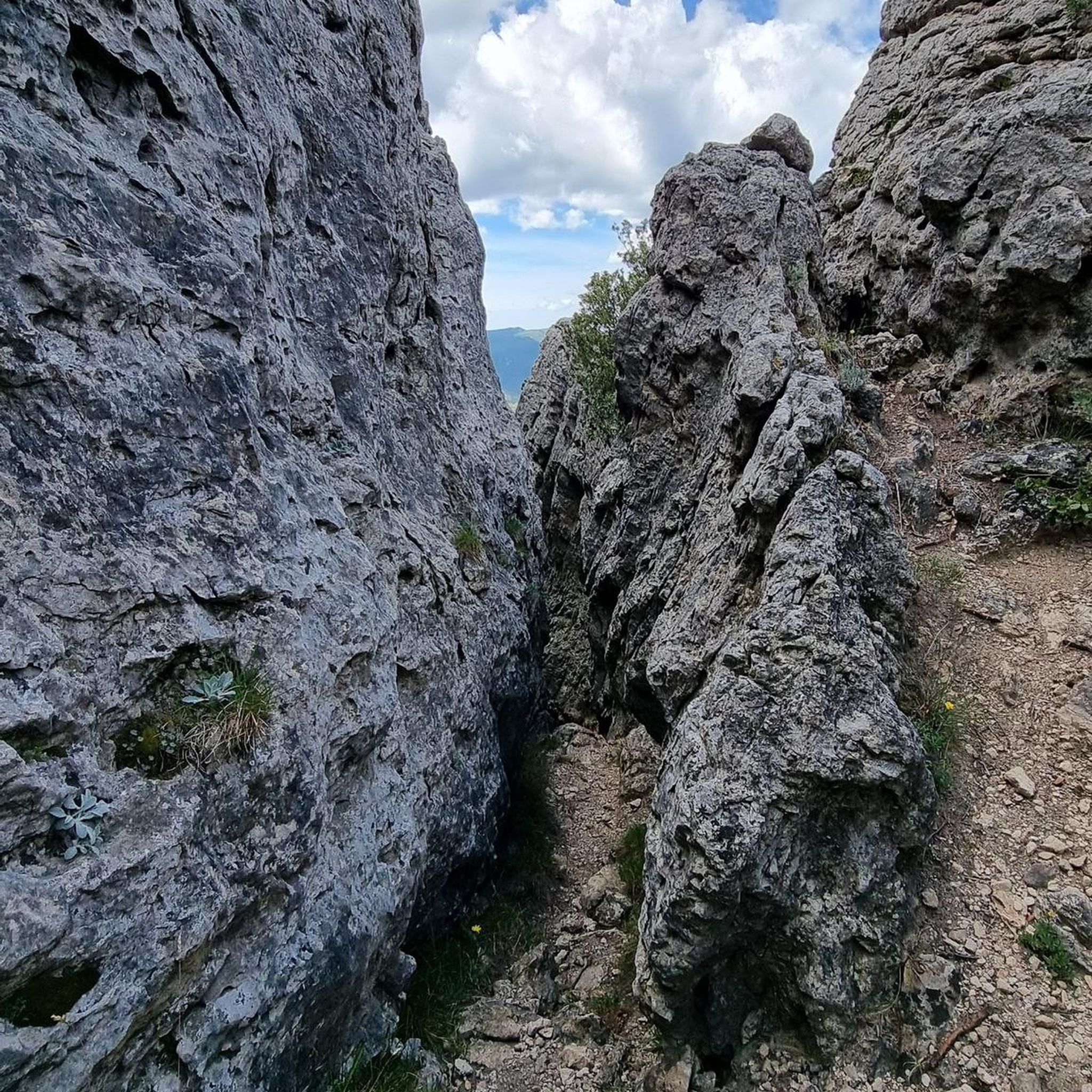
The "Ring of the King", the Clontygora Court Tomb, awaits you on a hill in Slieve Gullion, surrounded by the rugged beauty of the Ring of Gullion. This megalithic site with its distinctive Y-shape and central tomb gallery immerses you in the early history of Northern Ireland. The stones, which rise over 2.7 metres into the air, form an impressive exedra that encloses the deep, U-shaped courtyard - it is more than just a collection of rocks, it is a silent witness to times gone by. As you step between the portal stones that mark the entrance to the three-part burial chamber, you can easily imagine how the early inhabitants performed their rituals here over 5000 years ago. Flint artefacts and ceramic finds tell of long-gone cultures that already cultivated this land. From here you have a view not only of history but also of the landscape - a place where you can look out over the green hills and valleys. Close by you will find other megalithic monuments such as the Ballymacdermot Court Tomb or the Ballykeel Dolmen, all of which help to complete the mosaic of the past.
1
0
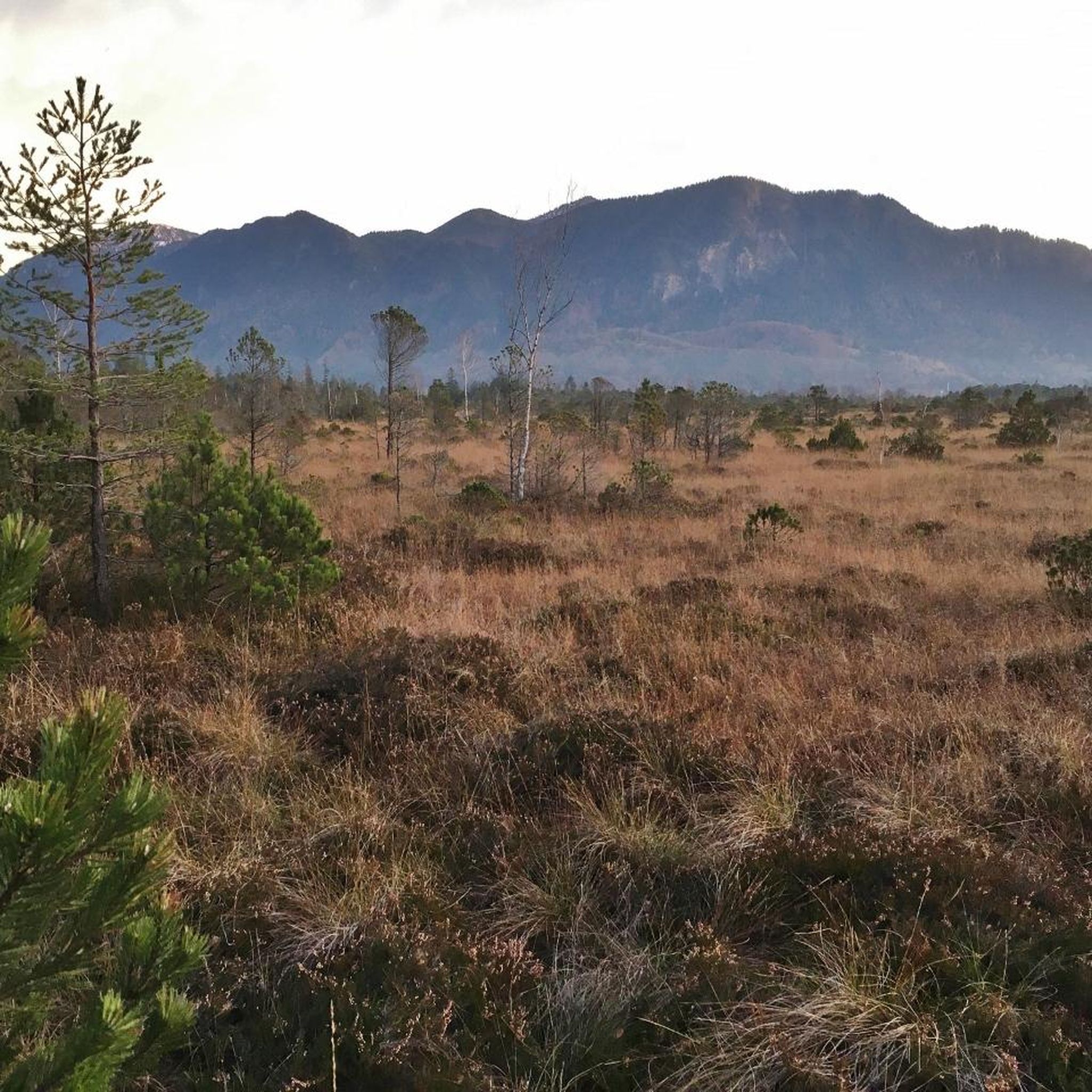
As soon as you cross the gentle ridge of Slieve Gullion, the North Cairn stretches out before you - a slightly smaller hill than its southern neighbour, but no less impressive. The stones that gather here seem like silent sentinels, witnesses of the distant Bronze Age. Two ancient stone boxes were once found here during excavations, which lay hidden in the depths of history. The North Cairn, with its diameter of around 18 metres, invites you to pause for a moment and enjoy the peace. But it is not just the Cairn that is fascinating. Right next to it lies "Calliagh Beara's Lough", a quiet mountain lake that, according to legend, is the home of the witch Beara. On a clear day, the sky is reflected in the calm waters and you can almost feel the ancient magic of this place coming to life. The road here may be rocky, but the landscape rewards with sweeping views and a touch of mysticism that makes Slieve Gullion something special.
1
0


This small forest at the foot of Slieve Gullion seems to be straight out of a fairy tale. Running through it will leave you enchanted, and you'll come across curious sculptures like this giant witch's face.
0
0
This lough, located between the northern and southern burial cairns of Slieve Gullion, is the highest in Northern Ireland.
0
0
At the heart of the Ring of Gullion AONB, you'll find this beautiful mountain, which represents the highest point in the county with an elevation of 573 meters (1,880 ft). Right next to it there is a burial cairn.
1
0
Frequently Asked Questions
What unique geological features can I explore around Mullaghglass?
The area around Mullaghglass is part of the remarkable Ring of Gullion Area of Outstanding Natural Beauty (AONB), which is a natural monument in itself. It was formed by an ancient volcanic ring dyke millions of years ago, making it one of the finest examples in the British Isles. You can explore diverse landscapes including craggy hills, woodlands, and bogs. The highest point, Slieve Gullion Summit, is an extinct volcano and offers panoramic views of this unique geological formation.
Are there any ancient historical sites or archaeological monuments in the area?
Yes, the region is rich in ancient history. On the summit of Slieve Gullion, you'll find the highest surviving passage tomb in Ireland, dating back over 5,000 years. The North Cairn of Slieve Gullion also contains stone boxes from the Bronze Age. Additionally, the Clontygora Court Tomb, known locally as 'The King's Ring,' is an impressive Neolithic burial monument from around 3500 BC.
What kind of outdoor activities can I do near these natural monuments?
The Ring of Gullion offers extensive opportunities for outdoor activities. You can enjoy hill walking and nature rambles, especially around Slieve Gullion. For cycling enthusiasts, there are numerous road cycling routes and MTB trails available. For example, you can find various MTB Trails, Road Cycling Routes, and Running Trails around Mullaghglass.
Are there family-friendly natural monuments or activities around Mullaghglass?
Yes, Slieve Gullion Forest Park, located on the slopes of Slieve Gullion, provides excellent family-friendly facilities. It features woodland trails and an Adventure Playpark with Fionn's Giant Adventure children's story trail. Within the forest, you might also discover unique features like The Witch Sculpture, which adds an enchanting element to a family walk.
What is the best time to visit the natural monuments around Mullaghglass?
The Ring of Gullion is beautiful year-round, but for hiking and outdoor activities, late spring to early autumn (May to September) generally offers the most pleasant weather. During these months, the heathlands are vibrant, and the chances of clear days for panoramic views from Slieve Gullion are higher. However, the area's unique geology and mythology can be appreciated in any season.
What wildlife can I expect to see in the Ring of Gullion AONB?
The Ring of Gullion AONB is home to rich wildlife. You might spot red deer, pine martens, red squirrels, buzzards, and ravens. Otters can also be found in the rivers. The diverse landscapes, including woodlands, bogs, and heathlands, provide habitats for a variety of species, making it a great spot for nature observation.
Are there any natural lakes or loughs to visit?
Yes, at the summit of Slieve Gullion, you'll find Calliagh Beara Lough, which is the highest lough in Northern Ireland. It's located between the northern and southern burial cairns and is steeped in local legends, including tales of the mythical Cailleach. The nearby North Cairn of Slieve Gullion and Calliagh Beara's Lough also offers views of this serene mountain lake.
What is the significance of Slieve Gullion in local mythology?
Slieve Gullion is known as Ireland's 'Mountain of Mystery' due to its strong associations with Irish legends and myths. It is particularly linked to tales of the legendary warrior Fionn mac Cumhaill (Finn McCool) and the Celtic witch goddess Cailleach. Legend has it that swimming in Calliagh Beara's Lake on the summit will turn your hair grey, a tale connected to the Cailleach.
Where can I find more information about the Ring of Gullion AONB?
For more detailed information about the Ring of Gullion Area of Outstanding Natural Beauty, including its geological significance and visitor information, you can visit external resources such as Visit Mourne Gullion Strangford or DAERA NI.
What do visitors enjoy most about the natural monuments around Mullaghglass?
Visitors frequently appreciate the breathtaking panoramic views from Slieve Gullion Summit, which on clear days can stretch as far as the Wicklow Mountains. The unique blend of geological wonders, ancient historical sites, and rich Irish mythology creates a sense of wonder and connection to the past. The unspoiled landscapes and opportunities for peaceful nature rambles also contribute to a strong sense of well-being.
Are there any specific tips for hiking to the Slieve Gullion summit?
When hiking to Slieve Gullion Summit, it's advisable to start from Slieve Gullion Forest Park where ample parking is available. The path to the south cairn is well-defined by a stairway of large rocks. The section between the south and north cairns can be softer and wetter underfoot. Be aware that the descent from the north cairn back towards the viewing platform can be steep and less defined in places.
Most popular attractions around Mullaghglass

Get inspired with the komoot mobile app


Explore more
Extend your search for the best caves by checking out these guides of the top ones around Mullaghglass:
