Top 13 Natural Monuments around Little Bedwyn
Natural monuments around Little Bedwyn showcase a landscape shaped by both natural processes and ancient human activity. This Wiltshire village is characterized by its dense woodlands, river valleys, and prominent earthworks. The area features ancient forests, significant waterways, and prehistoric and early medieval fortifications that have become integrated into the natural environment. These elements offer insights into the region's long history and diverse ecological settings.
Best natural monuments around Little Bedwyn
- The most popular natural monument is Savernake Forest, a forest that is a remnant of vast ancient woodland. It is home to numerous ancient trees, including oaks over 1,000 years old.
- Another must-see spot is Devil's Den Dolmen, a historical site. This Neolithic dolmen burial chamber features two standing stones and a massive capstone, offering a glimpse into ancient human activity.
- Visitors also love Old Paunchy Oak, an ancient oak tree. This tree is estimated to be at least 1,000 years old and is notable for its bulbous trunk base.
- Little Bedwyn is known for its ancient forests, historical earthworks, and unique geological features. The area offers a variety of natural monuments to see and explore, from ancient trees to prehistoric burial chambers.
- The natural monuments around Little Bedwyn are appreciated by the komoot community, with 33 upvotes and 89 photos shared by visitors.
Last updated: August 24, 2026
Devil's Den Dolmen
Highlight • Historical Site
Tip by

Hackpen Hill and White Horse Climb
Highlight (Segment) • Natural Monument
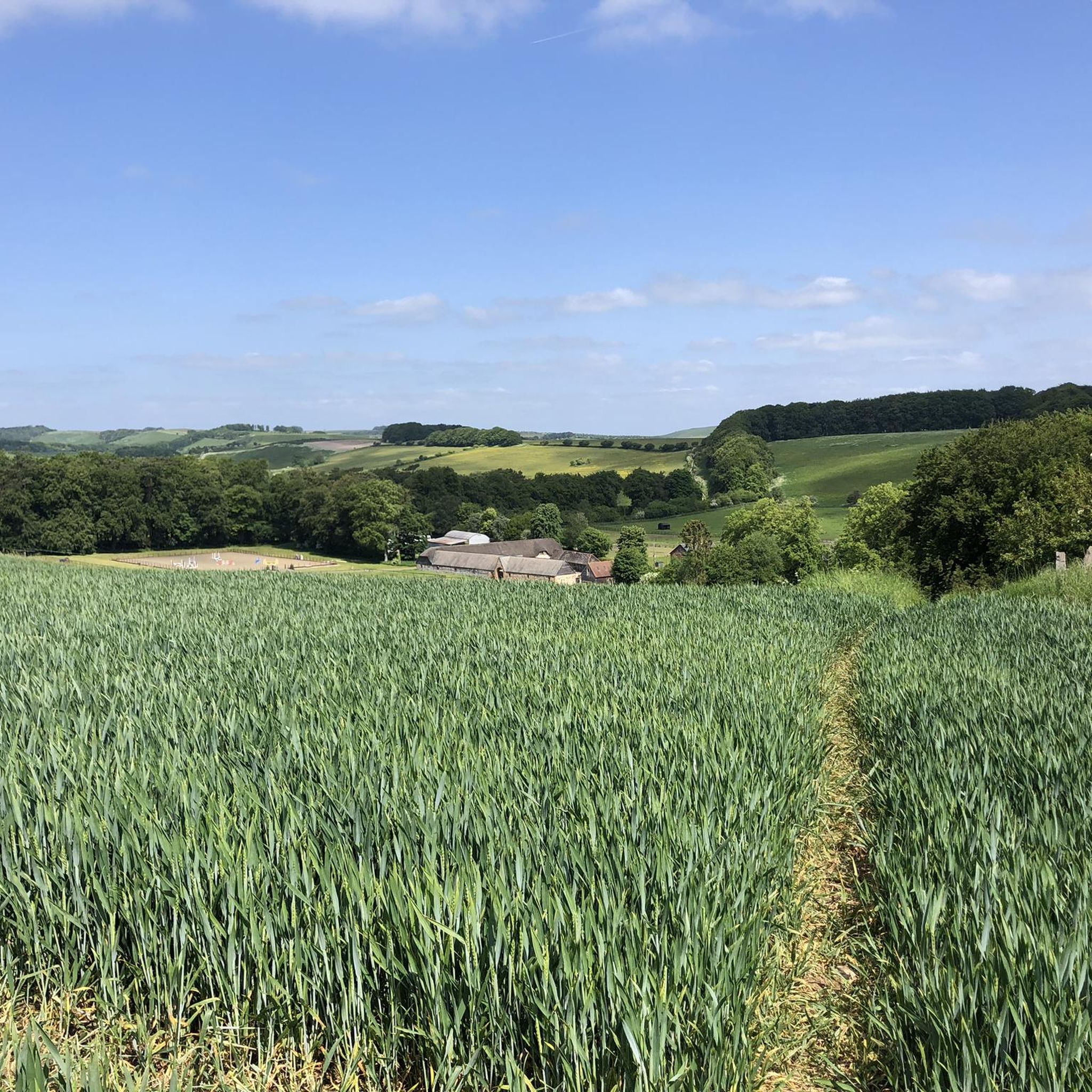
The hill's summit stands at 600 feet (180 metres). It's a bit of a slog but you're rewarded with lovely views over Wiltshire.
Tip by

Sign up now to discover places like this
Get recommendations on the best single tracks, peaks, & plenty of other exciting outdoor places.
Sign up for free
Savernake Forest
Highlight • Forest
Tip by

Giant's Grave Hillfort
Highlight • Viewpoint
On the summit you'll find a trig point at 820 feet (250 m) and wonderful views to the south, west and north. The White Horse Trail long-distance footpath ascends the summit on it's giant loop linking the south's chalk horse carvings.
Tip by

Old Paunchy Oak
Highlight • Natural
Tip by
Sign up for free to discover even more natural monuments around Little Bedwyn.
Sign up for free
Already have an account?
Start today with a free account
Your next adventure awaits.
Login or Signup
Tips from the Community

Now part of the Collection https://www.komoot.com/de-de/collection/3600632/-naturdenkmaeler-besondere-baeume-und-weitere-schaetze-der-natur
0
0

Devil's Den stone monument is a Neolithic dolmen (burial chamber) located in Wiltshire, near Marlborough, not Sturminster Newton. The structure features a massive 17-ton capstone resting on two upright sarsen stones. Local folklore claims that if water is poured into the hollows on the capstone, the Devil himself will come during the night to drink it. It was largely reconstructed in 1921 after the chamber collapsed.
0
0
In a field on Fyfield Down, 1 mile east of Marlborough, Wiltshire, stands the prehistoric burial chamber known as The Devil’s Den or Clatford Bottom Stone, a Neolithic monument from 5,000 years ago that is also known as a Dolmen (stone table). Get up here on a clear day, nice and early, and you'll witness the most amazing sunrise.
0
0

An ancient oak tree, probably at least 1,000 years old. Named due to the bulbous base to the trunk.
1
0
Savernake Forest is a reminant of the vast ancient woodland which once covered much of Britain. It's a former Royal Stag hunting forest. Today it's privately owned but open to the public and managed by the Forestry England. It's home to numerous ancient trees, mostly Oaks between 1,000 & 1,100 years old. Many are individually named, reflecting the appearance and character of these amazing life forms.
1
0

Named after the Devil, who is said to drink water from the rocky hollows of the massive capstone, the Devil's Den is a dolmen burial chamber and part of a neolithic passage grave on Fyfield Hill, just outside the pretty Wiltshire town of Marlborough. The former entrance now comprises two standing stones, a capstone and two fallen stones. This section was reconstructed in 1921, when the burial chamber was recorded as being around 70 metres (230 ft) long, with the capstone weighing some 17 tons.
1
0

Moderate trail for all to enjoy and explore the historic side of it .
1
0

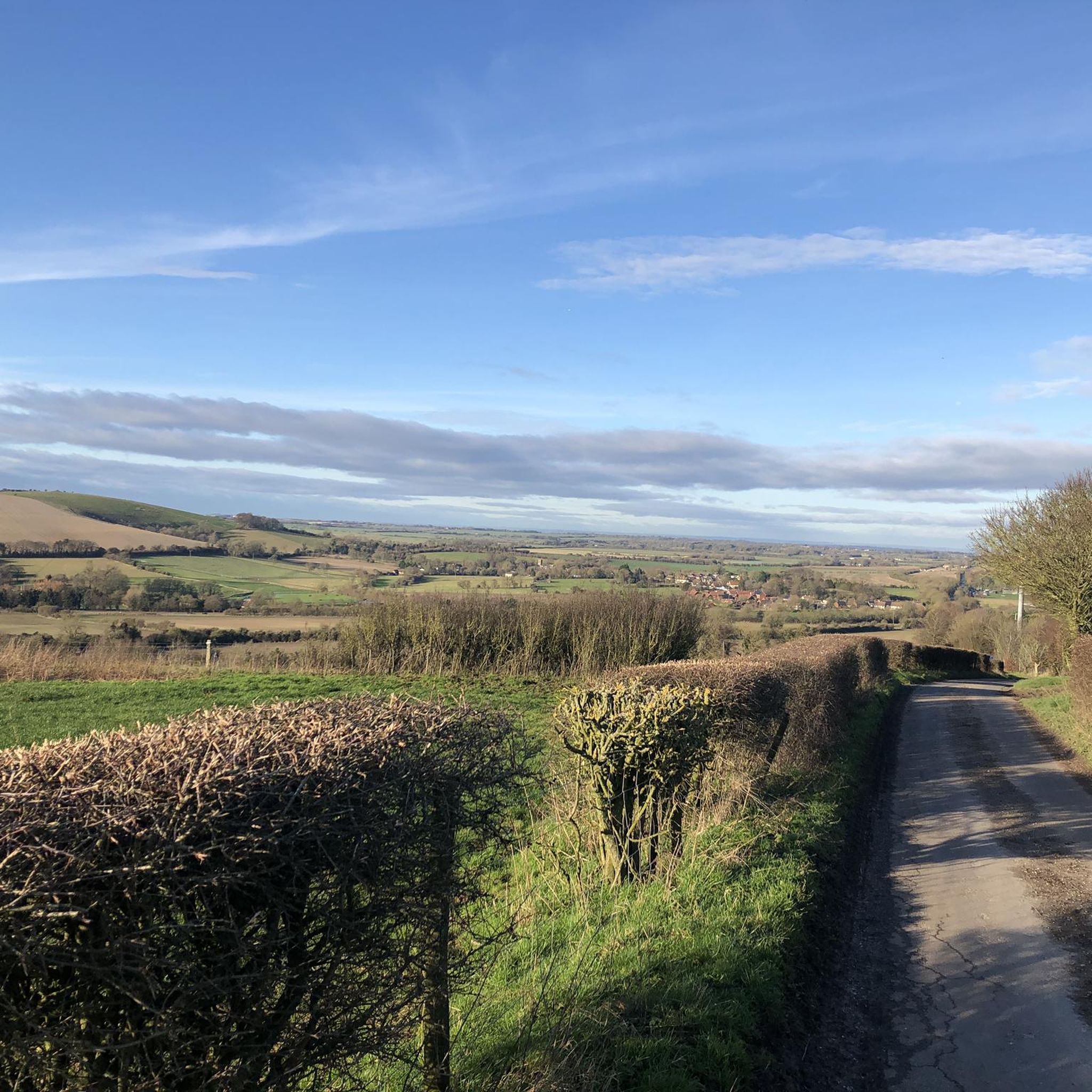
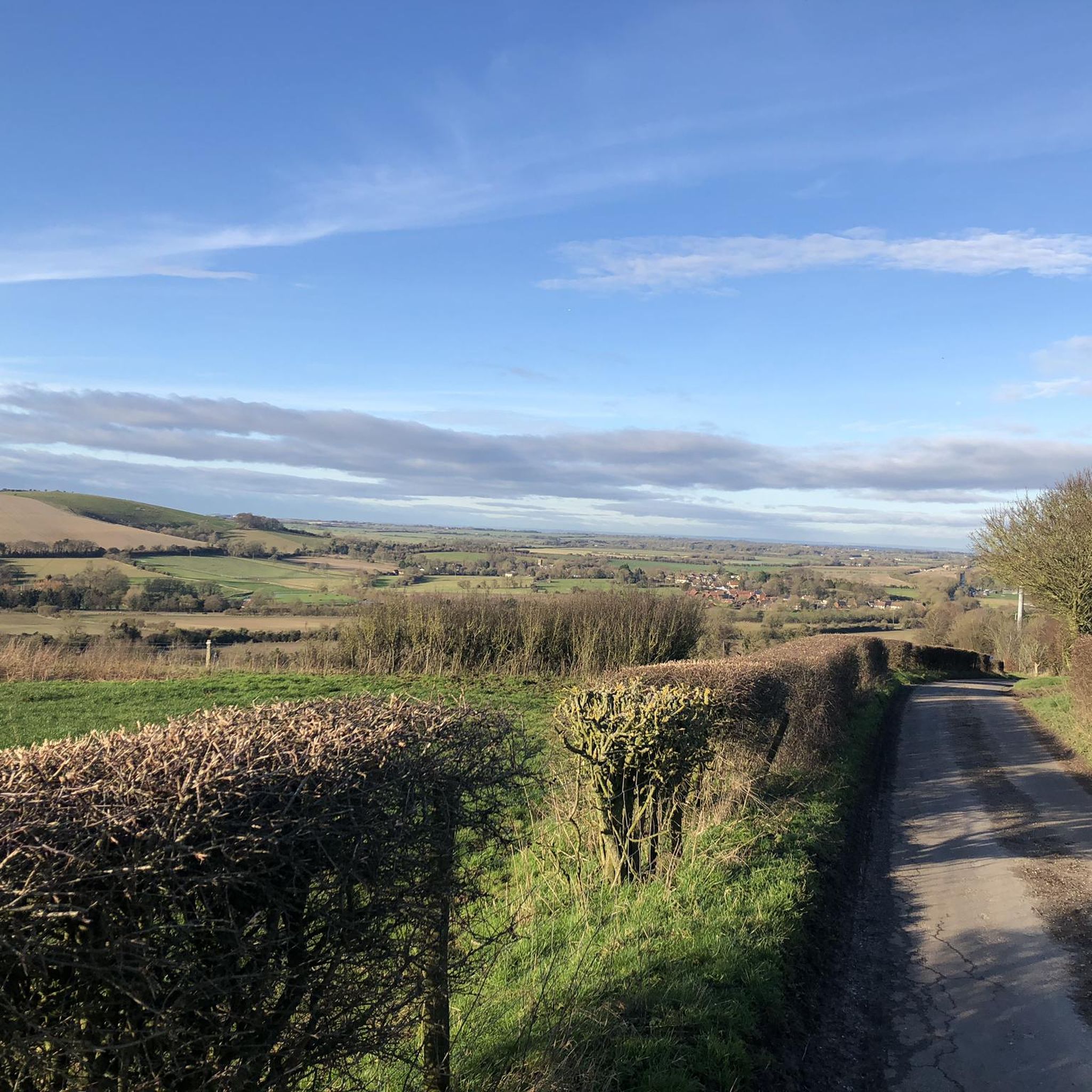
The view from the top is worth the long uphill trek. You can spot the various villages of the area from above and see some of the grand old houses that once owned the land
0
0
Frequently Asked Questions
What are some of the most significant natural monuments to visit near Little Bedwyn?
The area around Little Bedwyn is rich in natural and historical monuments. You can explore the ancient woodlands of Savernake Forest, home to oaks over 1,000 years old, or discover the prehistoric Devil's Den Dolmen, a Neolithic burial chamber. Don't miss the impressive Old Paunchy Oak, another ancient tree estimated to be at least a millennium old.
What kind of natural features can I expect to see around Little Bedwyn?
Little Bedwyn's landscape is characterized by dense woodlands, river valleys, and ancient earthworks. You'll find the ancient Savernake Forest, the meandering River Dun with its restored habitats, and prominent hills like Hackpen Hill and Giant's Grave Hillfort offering expansive views.
Are there any historical natural monuments in the area?
Yes, several sites blend natural beauty with historical significance. The Devil's Den Dolmen is a 5,000-year-old Neolithic burial chamber. You can also explore ancient earthworks like Chisbury Camp, an Iron Age hillfort, and sections of the Wansdyke or Bedwyn Dyke, early medieval fortifications that have become integral parts of the natural landscape.
Are there family-friendly natural monuments around Little Bedwyn?
Absolutely. Savernake Forest is an excellent choice for families, offering extensive paths for walks and opportunities to spot wildlife and ancient trees like the Old Paunchy Oak. The River Dun also has improved public access and a small 'beach' area, perfect for a gentle stroll and enjoying nature.
What are the best viewpoints to experience the natural landscape near Little Bedwyn?
For stunning panoramic views, head to Hackpen Hill, which overlooks the Hackpen White Horse chalk figure and offers lovely vistas over Wiltshire. Giant's Grave Hillfort also provides enviable views from its summit, stretching towards the Vale of Pewsey. Chisbury Camp and Combe Gibbet offer elevated positions with dramatic natural backdrops.
What outdoor activities can I do near these natural monuments?
The area offers a variety of outdoor activities. You can find numerous running trails, including routes along the Kennet & Avon Canal and through Savernake Forest, as detailed in the Running Trails around Little Bedwyn guide. For those who prefer a more leisurely pace, there are many easy hikes, such as those found in the Easy hikes around Little Bedwyn guide. Gravel biking is also popular, with routes like The Ridgeway Trail, as highlighted in the Gravel biking around Little Bedwyn guide.
Are there hiking trails near these natural monuments?
Yes, there are many hiking trails that allow you to explore the natural monuments. For example, you can find easy routes like the 'Kennet & Avon Canal Towpath loop from Bedwyn' or 'Pointing Oak – Replacement King Oak loop from Savernake Forest'. More options are available in the Easy hikes around Little Bedwyn guide, providing access to forests, riverbanks, and historical sites.
What is the best time to visit the natural monuments around Little Bedwyn?
The natural monuments around Little Bedwyn can be enjoyed year-round, but each season offers a different experience. Spring brings blooming wildflowers and fresh greenery to the forests. Summer is ideal for longer walks and enjoying the River Dun. Autumn showcases vibrant foliage in Savernake Forest, while winter offers crisp, quiet walks, especially around the ancient earthworks and hillforts.
What geological features are prominent in the Little Bedwyn area?
The geology of the Little Bedwyn area is characterized by heavy, poorly draining soils in the dense woodlands, and gravel terraces and an alluvial floodplain along the River Dun valley. These features contribute to the distinct ecological environment and the varied landscape you'll encounter.
What do visitors enjoy most about the natural monuments around Little Bedwyn?
Visitors frequently appreciate the tranquility and ancient character of Savernake Forest, often spotting deer and rare lichens. The historical significance of sites like Devil's Den Dolmen offers a glimpse into ancient human activity. Many also enjoy the rewarding views from elevated points like Hackpen Hill and Giant's Grave Hillfort after a good climb.
Can I explore the River Dun and its surroundings?
Yes, the River Dun, a tributary of the River Kennet, flows through Little Bedwyn. A community restoration project in 2019 enhanced a stretch of the river, improving it for local wildlife and public access. There's even a small 'beach' created to allow easier access, making it a pleasant spot for a walk and to observe the improved habitat for various species.
Are there any ancient trees to see in the area?
Yes, the area is renowned for its ancient trees, particularly within Savernake Forest. You can find numerous ancient oaks, many over 1,000 years old. A notable example is the Old Paunchy Oak, estimated to be at least 1,000 years old and recognized for its distinctive bulbous trunk base.
What are Chisbury Camp and Wansdyke, and are they worth visiting?
Chisbury Camp is an Iron Age hillfort located west of Little Bedwyn, encompassing about 14 acres of earthworks. While man-made, its ancient structures are now prominent natural landscape features, offering insights into prehistoric settlement and elevated views. The Wansdyke, or Bedwyn Dyke, is an early medieval fortification that also passes through the parish. These substantial earthworks are significant historical boundaries and provide interesting features for exploration, blending history with the natural environment.
Most popular attractions around Little Bedwyn

Get inspired with the komoot mobile app


Explore more
Extend your search for the best caves by checking out these guides of the top ones around Little Bedwyn:
