Top 8 Natural Monuments around Winterborne Kingston
Best natural monuments around Winterborne Kingston are found within a landscape rich in both natural beauty and ancient historical significance. The area features several remarkable sites where ancient human activity has intertwined with the natural environment, creating features of interest. This region is characterized by its chalky geology, influencing unique hydrological features like the seasonal River Winterborne. Visitors can explore a variety of natural and historical landmarks that offer insights into the area's deep past and geological processes.
Best natural…
Last updated: July 1, 2026
Woolsbarrow Hillfort
Highlight • Historical Site
Tip by

Tolpuddle Martyrs' Tree
Highlight • Viewpoint
httpww.ancienttreeforum.co.uk/ancient-trees/ancient-tree-sites-to-visit/south-west/tolpuddle-martyrs-tree-2/
Tip by

Sign up now to discover places like this
Get recommendations on the best single tracks, peaks, & plenty of other exciting outdoor places.
Sign up for free
Culpeppers Dish
Highlight • Natural Monument
Tip by

View from Bulbarrow Hill
Highlight • Viewpoint
Tip by

View from the Ramparts, Dorset National Landscape
Highlight • Historical Site
Tip by

Sign up for free to discover even more natural monuments around Winterborne Kingston.
Sign up for free
Already have an account?
Start today with a free account
Your next adventure awaits.
Login or Signup

Tips from the Community

The ‘Dish’ is a ‘swallet’ (sinkhole) about 90m in diameter, 40m deep with steep sides. It was named after the herbalist Nicholas Culpepper (1616-1654). It is impossible to photograph it in entirety due to the size of the mature trees growing in it! Swallet holes, or dolines, are circular depressions formed when the underlying chalk is dissolved by the overlying acid sands and gravels which eventually collapse to form an inverted cone.
0
0

I came on a very wet and windy day, but could still see for miles when walking along the ramparts.
0
0

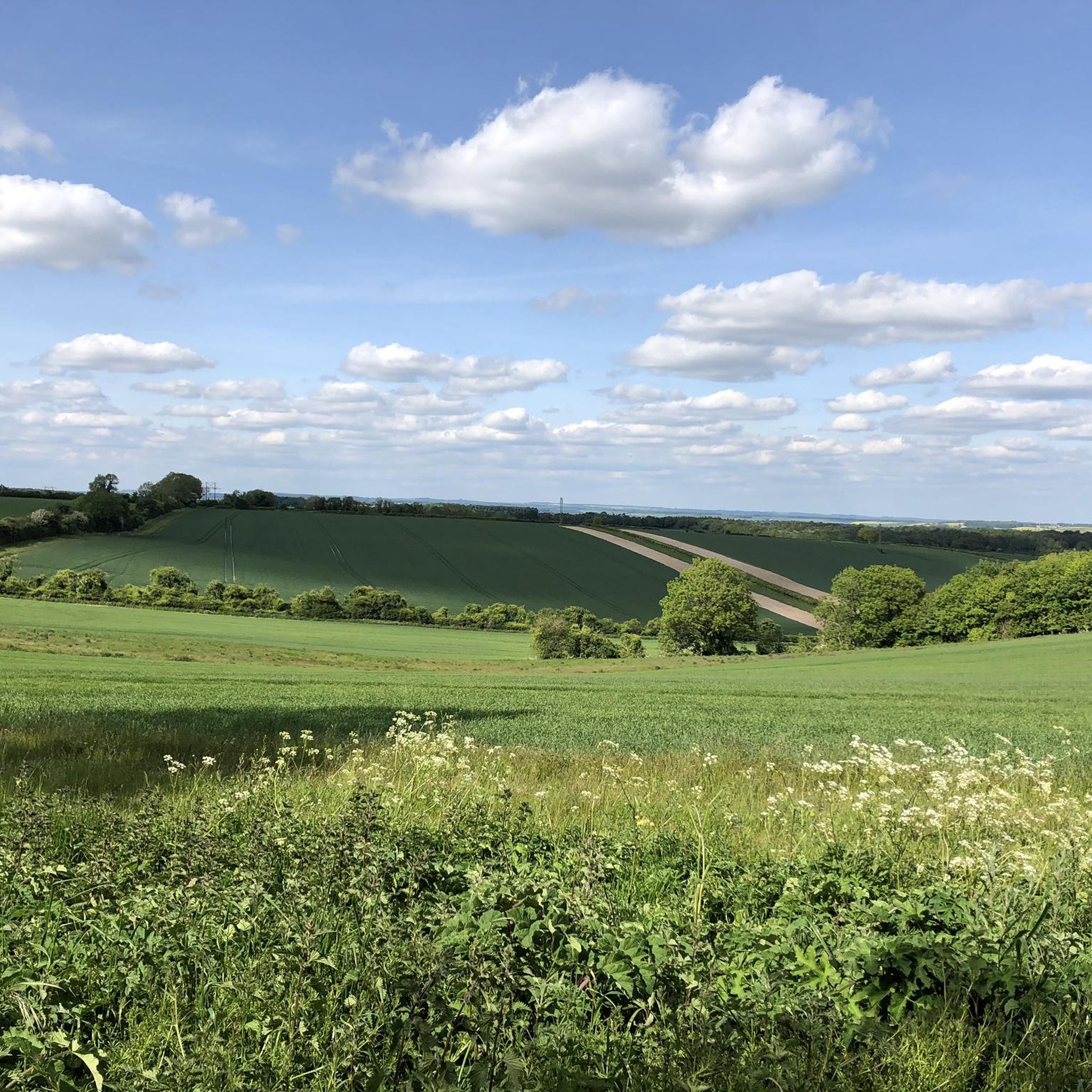
Bulbarrow Hill is situated within the Dorset Area of Outstanding Natural Beauty, which is known for its scenic landscapes and diverse ecosystems. The hill is part of the Dorset Downs, a range of chalk hills that extend across the county. It is one of the highest points in Dorset, with an elevation of around 274 meters (899 feet) above sea level. Due to its height, it provides panoramic views of the surrounding countryside, including the rolling hills, farmland, and picturesque villages that make up the Dorset landscape.
0
0

Young cattle enjoying the view too and not at all disturbed by our presence!
1
0

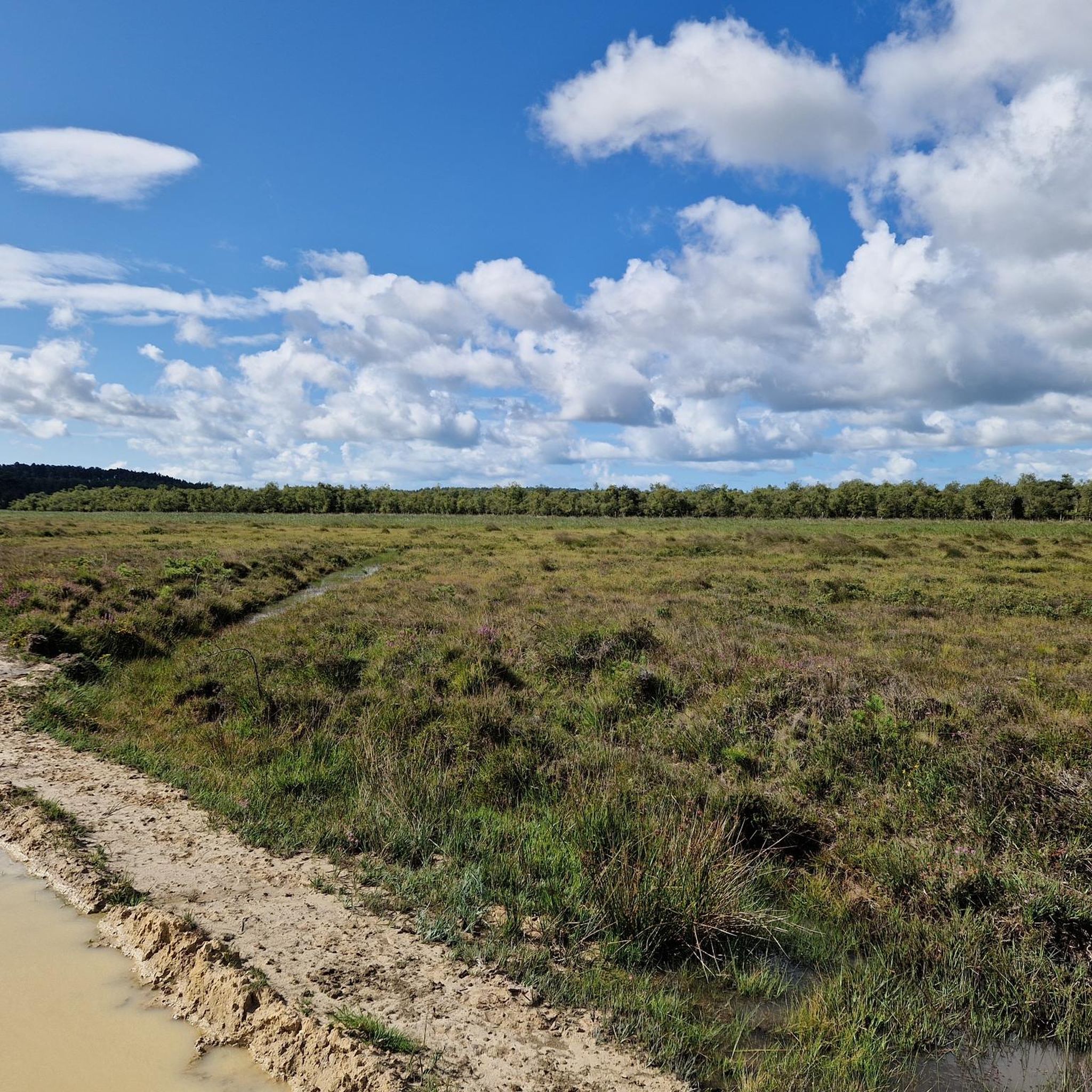
Woolsbarrow Hillfort is located in a clearing in the forests of Bloxworth Heath. The nearest town is Bere Regis, about 3+1⁄4 miles (5.2 km) to the west-northwest of the hillfort. The heath is a popular walking area and the site can be reached by public footpath. Woolsbarrow is a slight univallate hillfort on a flat-topped knoll on the plateau of Bloxworth Heath, which separates the rivers Sherford to the east and Piddle to the west. The hillfort is marked by a single rampart about 20 feet (6.1 m) below the top of the gravel knoll and covers an area of around 2+1⁄4 acres (0.91 ha). The eastern part of the hillfort has been damaged by sand and gravel extraction, but much of it survives well and has the potential for further archaeological evidence to be uncovered. It is one of only about 150 slight univallate hillforts nationally and is of national importance.
0
0

Dating back to the 9th-5th centuries BC, this relatively low-lying hillfort rises out of Bloxworth Heath. The heath itself has plenty of hiking trails criss-crossing it as well as an abundance of insect, bird and wildlife. There's a trig pillar on top of the fort, at 220 feet (67 m) and if you ramble about the fort a little, you'll find interesting views of the undulating heathland.
0
1

Easily accessed by gravel fire roads along the Sika Trail.
0
0
Frequently Asked Questions
What unique geological features can I explore near Winterborne Kingston?
The area around Winterborne Kingston is characterized by its chalky geology, which gives rise to unique features. The River Winterborne itself is a fascinating natural monument, known for its seasonal flow; it often runs above ground in wetter months and disappears underground in summer. You can also visit Culpeppers Dish, a large 'swallet' or sinkhole, formed by the dissolution of underlying chalk, offering a glimpse into the region's geological processes.
Are there any significant historical or archaeological natural monuments in the area?
Yes, the landscape around Winterborne Kingston is rich in ancient historical significance, where human activity has intertwined with nature. You can explore Bere Down, known for its prehistoric burial mounds, or the remarkable Winterbourne Poor Lot Barrows near Winterbourne Abbas, a Bronze Age cemetery with 44 burial mounds. The Nine Stones, an irregular stone circle, and the Kingston Russell Stone Circle (also known as Gorwell Circle), the largest surviving stone circle in Dorset, offer further insights into ancient cultures. Additionally, Woolsbarrow Hillfort is a notable historical site and viewpoint.
Where can I find the best panoramic views of the Dorset landscape?
For expansive views, consider visiting Bulbarrow Hill, one of the highest points in Dorset, offering panoramic vistas of rolling hills and farmland. Another excellent spot is View from the Ramparts, Dorset National Landscape, which provides extensive views across the surrounding area. Woolsbarrow Hillfort also offers incredible views from its summit within Wareham Forest.
Are there family-friendly natural monuments suitable for visiting with children?
Yes, several sites are suitable for families. The Tolpuddle Martyrs' Tree is a historical natural monument that offers a place for quiet reflection and is categorized as family-friendly. Many of the ancient earthworks and stone circles, such as the Winterbourne Poor Lot Barrows or the Nine Stones, are also accessible for family visits, providing open spaces for exploration and a chance to learn about history in a natural setting.
What kind of outdoor activities can I do near the natural monuments?
The area around Winterborne Kingston offers a variety of outdoor activities. You can find numerous hiking opportunities, including easy walks like the 'Field of White Flowers – St Nicholas Church loop' or the 'Forest Path View loop'. For cyclists, there are road cycling routes such as the 'View of the Countryside – St Mary the Virgin Church loop' and mountain biking trails like the 'Puddletown Forest – Dorset Singletrack Trail loop'. You can find more details on these and other routes in the easy hikes, road cycling, and MTB trails guides for the region.
What is the best time of year to visit the natural monuments around Winterborne Kingston?
The best time to visit depends on what you wish to experience. The unique River Winterborne is best observed during the colder, wetter months when it flows above ground, showcasing its seasonal characteristic. For hiking and exploring the ancient earthworks and stone circles, spring and autumn offer pleasant temperatures and beautiful scenery. Summer is also suitable, though some parts of the River Winterborne may be dry. Always check local conditions before your visit.
Are there any less crowded or 'hidden gem' natural monuments to discover?
While popular sites draw visitors, the region has many less-trafficked spots. Bere Down, with its ancient earthworks, offers sweeping views and a sense of historical solitude. The Kingston Russell Stone Circle, located on open downland, provides a powerful connection to ancient rituals in a vast natural environment, often with fewer crowds than more prominent attractions. Culpeppers Dish is also a unique geological feature that might offer a quieter experience.
What should I bring for walks and explorations around the natural monuments?
When exploring the natural monuments, it's advisable to wear appropriate footwear for varied terrain, as many sites involve walking on uneven paths or grassy areas. Depending on the season, waterproofs and layers are recommended. Bringing water, snacks, and a map or GPS device (like komoot) is always a good idea, especially for longer walks or less-frequented sites. Don't forget a camera to capture the scenic beauty and historical intrigue.
Can I find easy walking routes to access the natural monuments?
Yes, there are several easy walking routes that allow you to explore the natural monuments. Many of the ancient sites, though embedded in the natural landscape, are accessible via well-trodden paths. For example, the Tolpuddle Martyrs' Tree is easily reached. You can find a selection of easy hikes in the region, such as the 'Field of White Flowers – St Nicholas Church loop', which are suitable for a relaxed exploration of the area's natural and historical features. Check the easy hikes guide for more options.
What do visitors enjoy most about the natural monuments in Winterborne Kingston?
Visitors frequently appreciate the blend of scenic beauty and historical intrigue. Many enjoy the incredible views from sites like Woolsbarrow Hillfort and View from the Ramparts. The ancient earthworks and stone circles offer a profound sense of connection to the past, while the unique geological features like the seasonal River Winterborne provide distinctive experiences. The opportunity to explore a landscape shaped by millennia of human activity and natural processes is a major draw.
Are there options for public transport to reach the natural monuments?
While some natural monuments are more easily accessible by car, public transport options exist to reach the general area of Winterborne Kingston. Local bus services connect Winterborne Kingston with nearby towns. However, reaching specific, more remote natural monuments like the Winterbourne Poor Lot Barrows or the Kingston Russell Stone Circle might require a combination of public transport and walking, or a short taxi ride from the nearest bus stop. Planning your route in advance is recommended.
Can I bring my dog to the natural monuments?
Many of the natural monuments and surrounding areas are suitable for dog walking, especially those on open downland or within forests, such as Bere Down or the areas around Woolsbarrow Hillfort. It's generally expected that dogs are kept under control, and on a lead where livestock are present or during nesting seasons. Always remember to clean up after your dog to preserve the natural environment for all visitors.
Most popular routes around Winterborne Kingston
Most popular attractions around Winterborne Kingston

Get inspired with the komoot mobile app


Explore more
Extend your search for the best caves by checking out these guides of the top ones around Winterborne Kingston:
