Top 20 Natural Monuments around Chickerell
Best natural monuments around Chickerell showcase a diverse natural landscape in Dorset, England. The area features significant natural formations, including coastal features, lagoons, and varied habitats. These sites hold important ecological value and provide opportunities for outdoor exploration. Its natural areas contribute to the region's biodiversity and offer insight into its geological history.
Best natural monuments around Chickerell
- The most popular natural monuments is Pulpit Rock, Portland Bill, a natural monument formed as a result of quarrying during the…
Last updated: July 1, 2026
Pulpit Rock, Portland Bill
Highlight • Natural Monument
Tip by

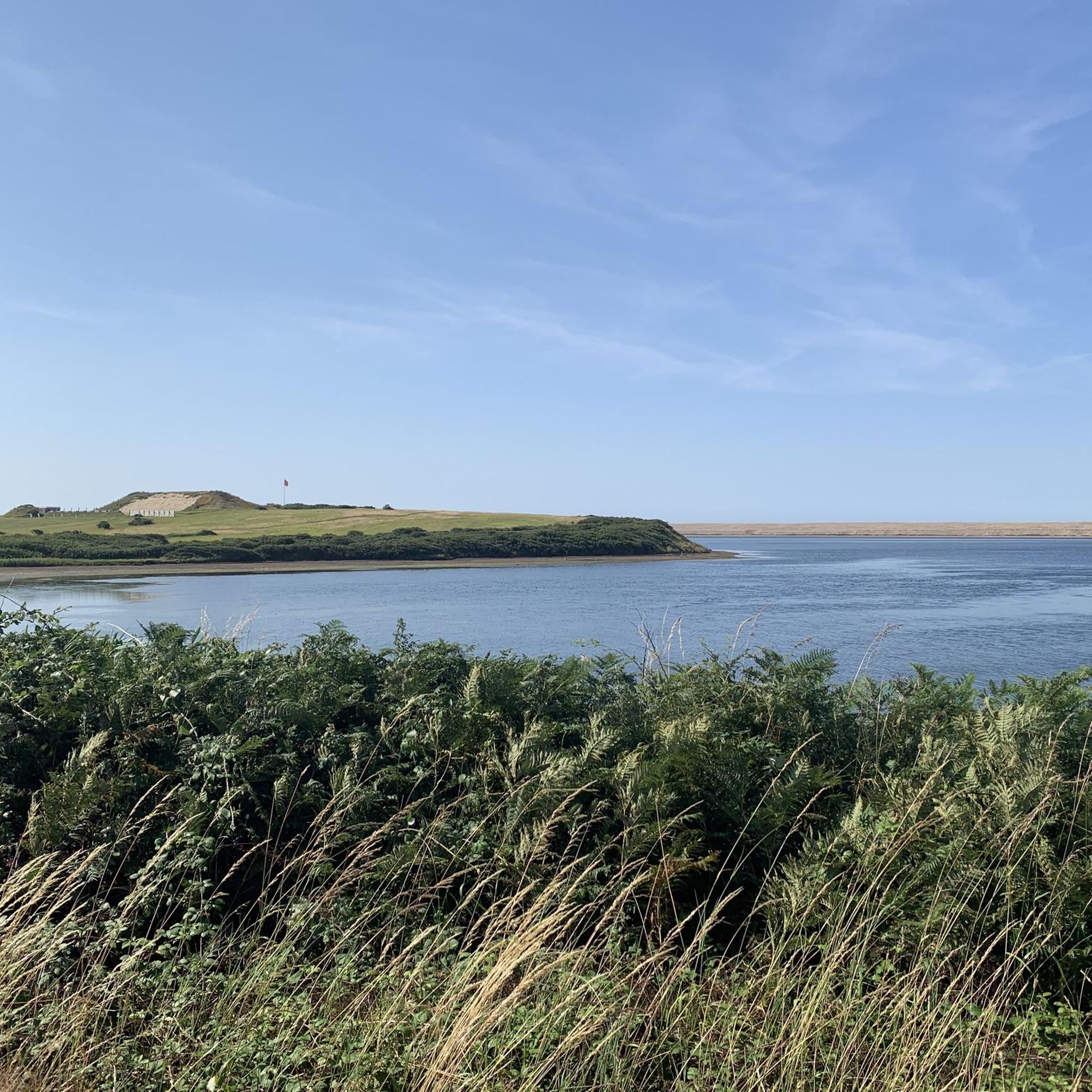
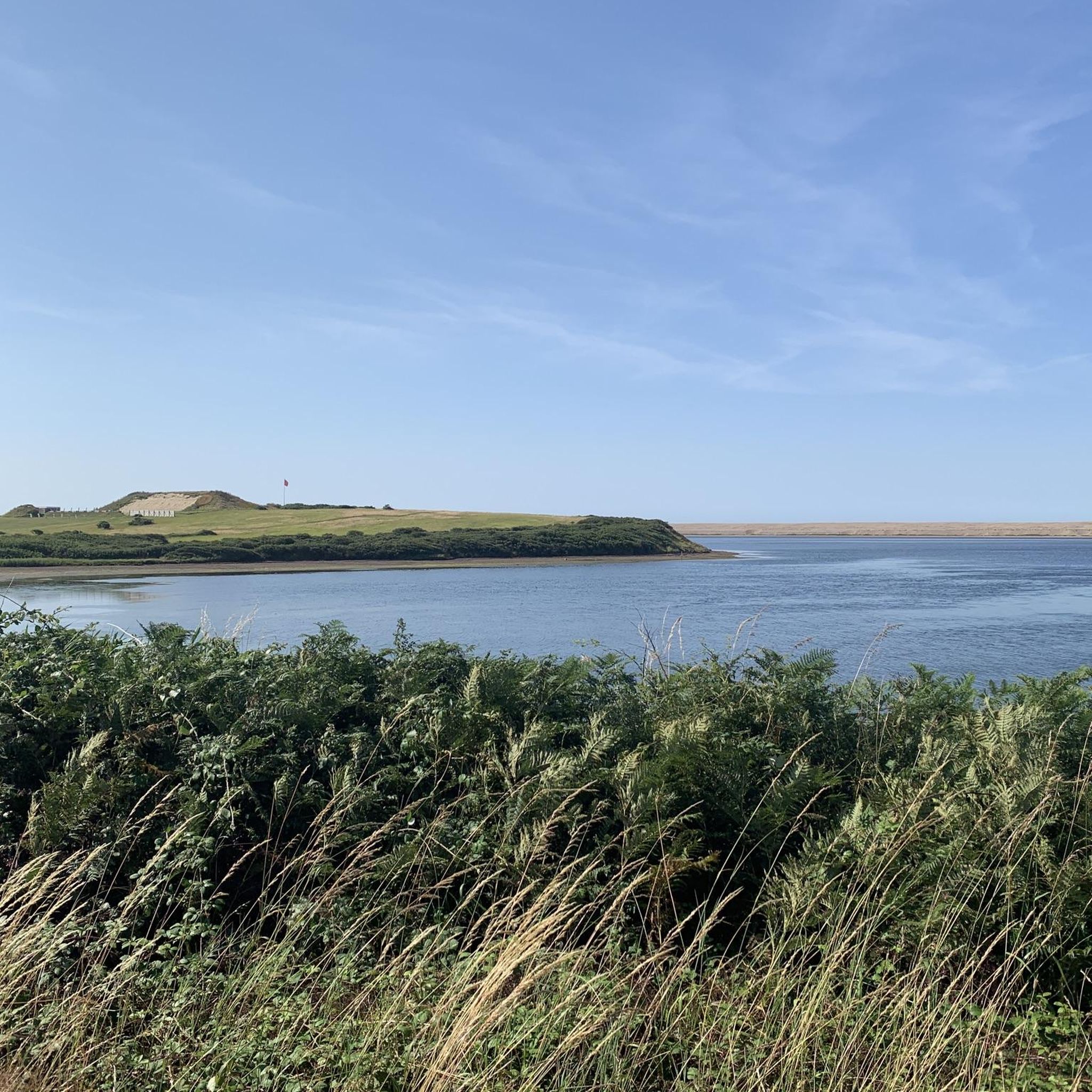
Chesil Beach & The Fleet
Highlight • Beach
Tip by
Sign up now to discover places like this
Get recommendations on the best single tracks, peaks, & plenty of other exciting outdoor places.
Sign up for free
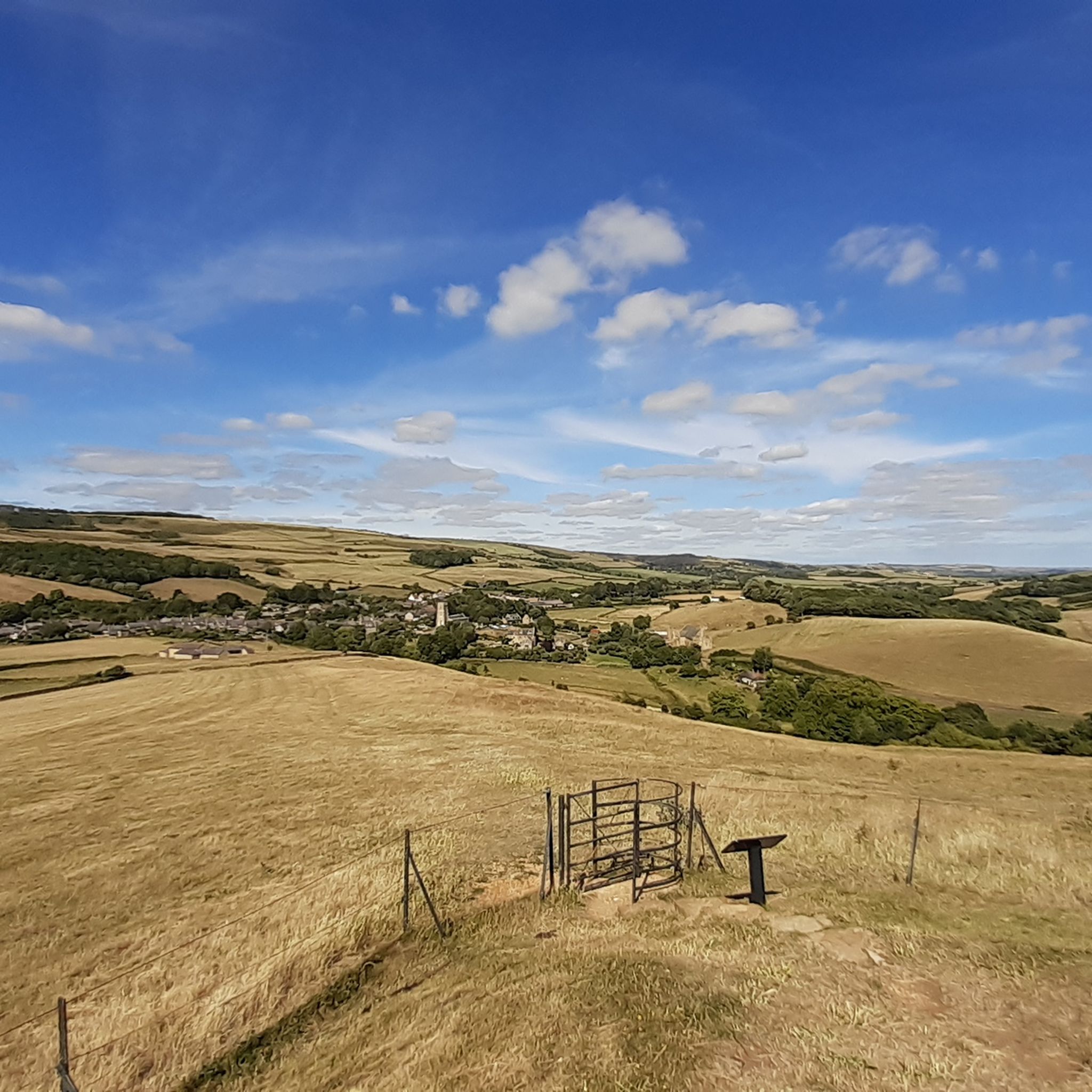
Maiden Castle hillfort
Highlight • Viewpoint
Tip by
Chesil Beach
Highlight (Segment) • Natural Monument
Tip by

Sandsfoot Castle and Gardens
Highlight • Castle
Translated by Google •
Tip by

Sign up for free to discover even more natural monuments around Chickerell.
Sign up for free
Already have an account?
Start today with a free account
Your next adventure awaits.
Login or Signup

Tips from the Community

Dominating the Dorset landscape, Maiden Castle is one of Europe’s largest and most complex Iron Age hillforts. Its massive, labyrinthine earthworks were engineered around 400 BC to protect a thriving community of hundreds. The site is famous for its "war cemetery," detailing a fierce struggle against the Roman Second Legion in 43 AD. Today, its sweeping ramparts remain a masterclass in ancient defensive architecture.
0
0

Great place to stop for views and refreshments whilst on the Rodwell trail.
0
0

Sandsfoot Castle is a historic castle ruin on the south coast of England that offers a fascinating glimpse into the past. The castle was built in the 16th century by order of Henry VIII to protect the coast from possible attacks from the sea. Today, only the impressive remains of the fortress remain, exuding a romantic and historic atmosphere. A visit to Sandsfoot Castle allows you to explore the well-preserved walls, towers, and defenses. Its waterfront location offers beautiful views of the sea and the surrounding nature. It's a great place for strolls, photos, and learning about the region's history. The grounds are peaceful and inviting, perfect for families, history buffs, or anyone simply looking to enjoy the fresh sea air. There are also beautiful coastal paths nearby that invite further exploration. Overall, Sandsfoot Castle is a charming historic destination that combines history, nature, and beautiful views. It is definitely worth a visit to discover the rich history of southern England and enjoy the beautiful coastal scenery.
1
0
Pulpit Rock in Portland, southern England, is an impressive rock formation characterized by its striking, sheer cliff. It rises dramatically from the sea and offers spectacular views of the coast and water. Its natural beauty and striking shape make Pulpit Rock a popular destination for nature lovers and photographers. A visit is worthwhile to experience the breathtaking scenery and the power of nature!
0
0

It is very impressive to walk along the extensive ramparts and enjoy the view of the surrounding countryside.
1
0
Car park at the beach is relatively cheap. toilets are 24 hours open and clean. The shingle beach is...well, a nightmare for miles upon miles of relentless trudging.
0
0
By 1541 Sandsfoot Castle was complete. It was built rapidly by order of Henry VIII, along with Portland Castle, to defend this part of England’s coast against attack by the French and Spanish. The sea and the weather have been the most effective enemies in wreaking damage on the castle. By the end of the 17th century it was becoming a ruin, its proud gun floors fallen into the sea as the cliffs below crumbled under wave and tide. Since then, much facing stone has been removed and used in other structures, including the foundations of Weymouth’s Town Bridge, which still stands. The final insult for this unique fort came by 1930 when it was declared unsafe and closed to the public. In 2012 Weymouth & Portland Borough Council, with the help of the Heritage Lottery Fund and the Friends of Rodwell Trail & Sandsfoot Castle, re-opened the castle to the public but however the castle and footbridge is now shut due to health and safety risks.
2
0
Pulpit Rock is a coastal feature at Portland Bill, the southern tip of the Isle of Portland, Dorset, England. Intended to have the appearance of an open bible leaning on a pulpit, Pulpit Rock was formed in the 1870s after a natural arch was cut away by quarrymen at Bill Quarry, and the leaning slab was added. As a quarrying relic, the rock is similar to that of Nicodemus Knob, another quarrying landmark on the island. Climbing or tombstoning on the rock is not permitted, and signage in place stating this.
1
1
Frequently Asked Questions
What types of natural landscapes can I expect to see around Chickerell?
Chickerell offers a diverse range of natural landscapes. You can explore coastal features like the dramatic Pulpit Rock, Portland Bill, and the unique pebble composition of Chesil Beach. Inland, areas like Chickerell Downs feature a mosaic of grasslands, woodlands, and ponds, while the Fleet Lagoon is a significant saltwater lagoon.
Are there any natural monuments around Chickerell with historical significance?
Yes, Maiden Castle hillfort is a significant historical and archaeological site. This Iron Age hillfort, one of Europe's largest, features extensive ramparts and offers breathtaking views of the Dorset countryside. Additionally, Sandsfoot Castle and Gardens, though a ruin, is a 16th-century coastal defense built by Henry VIII, now offering historical context alongside natural beauty.
What wildlife can I observe in the natural areas near Chickerell?
The natural areas around Chickerell are rich in wildlife. The Fleet Lagoon is home to a variety of bird and wildlife species. Crook Hill Nature Reserve is particularly notable for its population of Great Crested Newts, and the Wildlife Corridor south of Chickerell village is vital for migrating birds, otters, and potentially water voles. The Water Lily Gardens also host rare dragonfly species, water voles, and bats.
Are there family-friendly natural monuments or activities around Chickerell?
Many natural areas around Chickerell are suitable for families. Chickerell Downs provides opportunities for informal walks. While Sandsfoot Castle and Gardens is a historical site, its peaceful grounds and coastal paths make it enjoyable for families. The Fleet Lagoon also offers boat tours and fishing charters, which can be a fun family activity.
What are the best times of year to visit the natural monuments in Chickerell?
The best time to visit depends on your interests. Spring and summer offer pleasant weather for exploring coastal paths and observing wildlife, especially migratory birds and newts. Autumn can be beautiful for woodland walks with changing foliage. Winter provides a different perspective, with dramatic coastal scenery, though some areas might be less accessible due to weather conditions. Always check local conditions before your visit.
Are there opportunities for walking or hiking near Chickerell's natural monuments?
Yes, there are numerous opportunities for walking and hiking. You can walk along the extensive ramparts of Maiden Castle hillfort, or explore the varied landscapes of Chickerell Downs. For more structured routes, you can find various running trails around Chickerell, many of which pass through or near these natural areas.
Can I go cycling near the natural monuments in Chickerell?
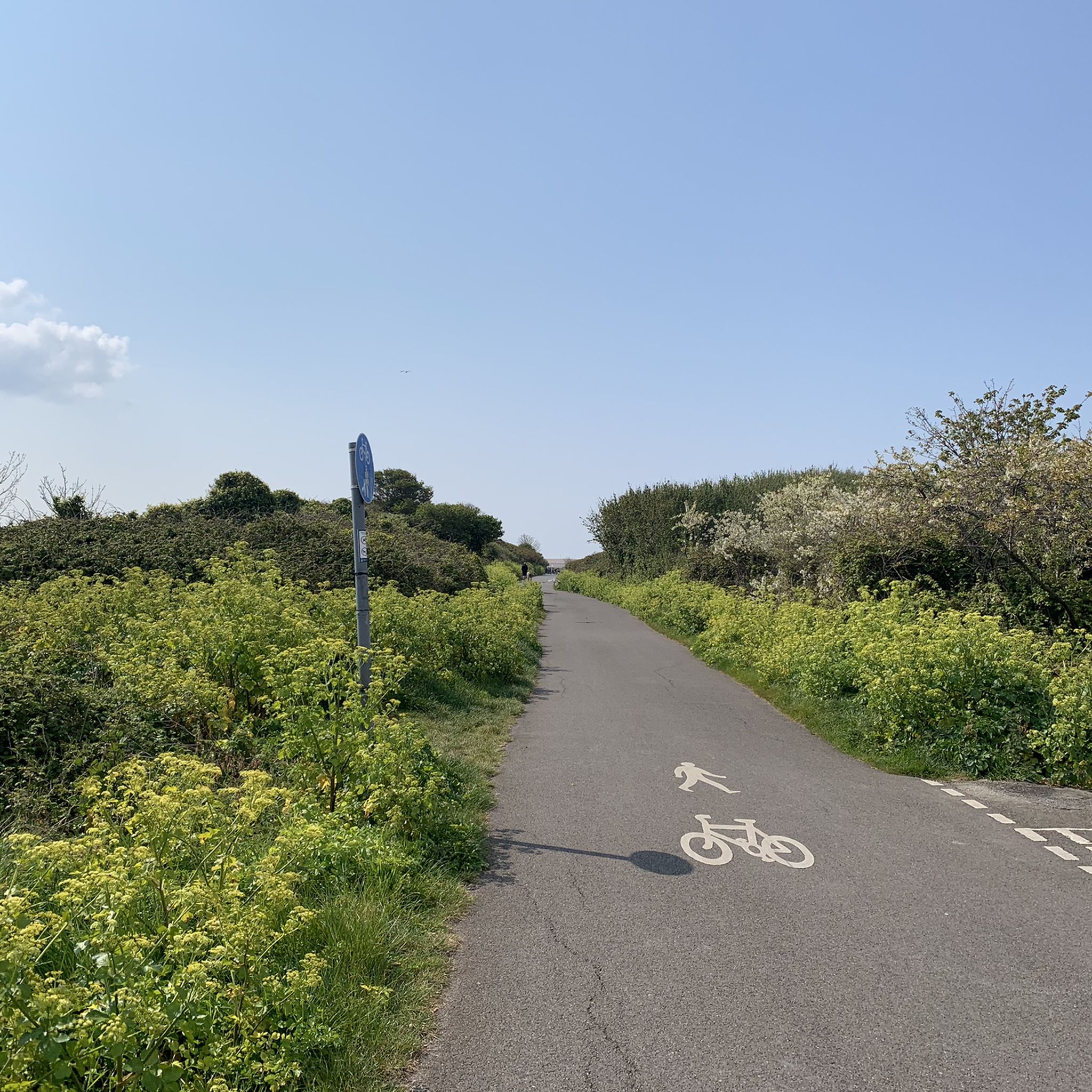
Absolutely. The area around Chickerell offers excellent cycling opportunities. You can find dedicated cycle paths alongside Chesil Beach, providing superb views. For more extensive rides, explore the various road cycling routes around Chickerell or consider gravel biking routes that take you through diverse landscapes.
Is there public transport available to reach natural monuments around Chickerell?
While specific routes vary, Chickerell is generally accessible. Local bus services connect Chickerell to nearby towns like Weymouth, from where you might find connections closer to some natural sites. However, for many of the more secluded natural monuments, personal transport or a combination of public transport and walking might be necessary. It's advisable to check local bus schedules for the most up-to-date information.
Are the natural monuments around Chickerell dog-friendly?
Many natural outdoor areas around Chickerell are dog-friendly, especially for walks. For instance, Chickerell Downs and the coastal paths near Chesil Beach are popular with dog walkers. However, always keep dogs under control, especially in areas with livestock or sensitive wildlife habitats like Crook Hill Nature Reserve. Check for specific signage at each location regarding dog policies.
What geological features are prominent in the natural monuments near Chickerell?
The region is part of the Jurassic Coast World Heritage Site, highlighting its significant geological features. Chesil Beach is a prime example, known for its unique pebble composition and formation over thousands of years. Pulpit Rock, Portland Bill, while partly shaped by quarrying, showcases the dramatic coastal geology of the area.
Where can I find refreshments or accommodation near Chickerell's natural monuments?
Chickerell village itself has local amenities. For a wider range of options, the nearby town of Weymouth offers numerous cafes, pubs, and accommodation choices. Some natural monument areas, particularly popular coastal spots, may have small cafes or kiosks nearby. For example, near Chesil Beach, you might find options like Quiddles Beach Cafe or the Taste Cafe with an RSPB centre.
What makes Crook Hill Nature Reserve a significant natural monument?
Crook Hill Nature Reserve is designated as a Local Nature Reserve and is part of the Crookhill Brick Pit Site of Special Scientific Interest (SSSI) and Special Area of Conservation (SAC). Its significance lies in its crucial biodiversity, particularly for its population of Great Crested Newts. It forms part of an important wildlife corridor, making it an internationally important area for protected species.
Most popular routes around Chickerell
Most popular attractions around Chickerell

Get inspired with the komoot mobile app


Explore more
Extend your search for the best caves by checking out these guides of the top ones around Chickerell:
