Top 20 Natural Monuments around Charmouth
Natural monuments around Charmouth are concentrated along the Jurassic Coast, a UNESCO World Heritage Site in Dorset, England. This area is recognized for its geological features, including fossil-rich beaches and significant cliff formations. The landscape provides insights into Earth's ancient past through exposed rock layers. Charmouth serves as a base for exploring these natural landmarks and their geological importance.
Best natural monuments around Charmouth
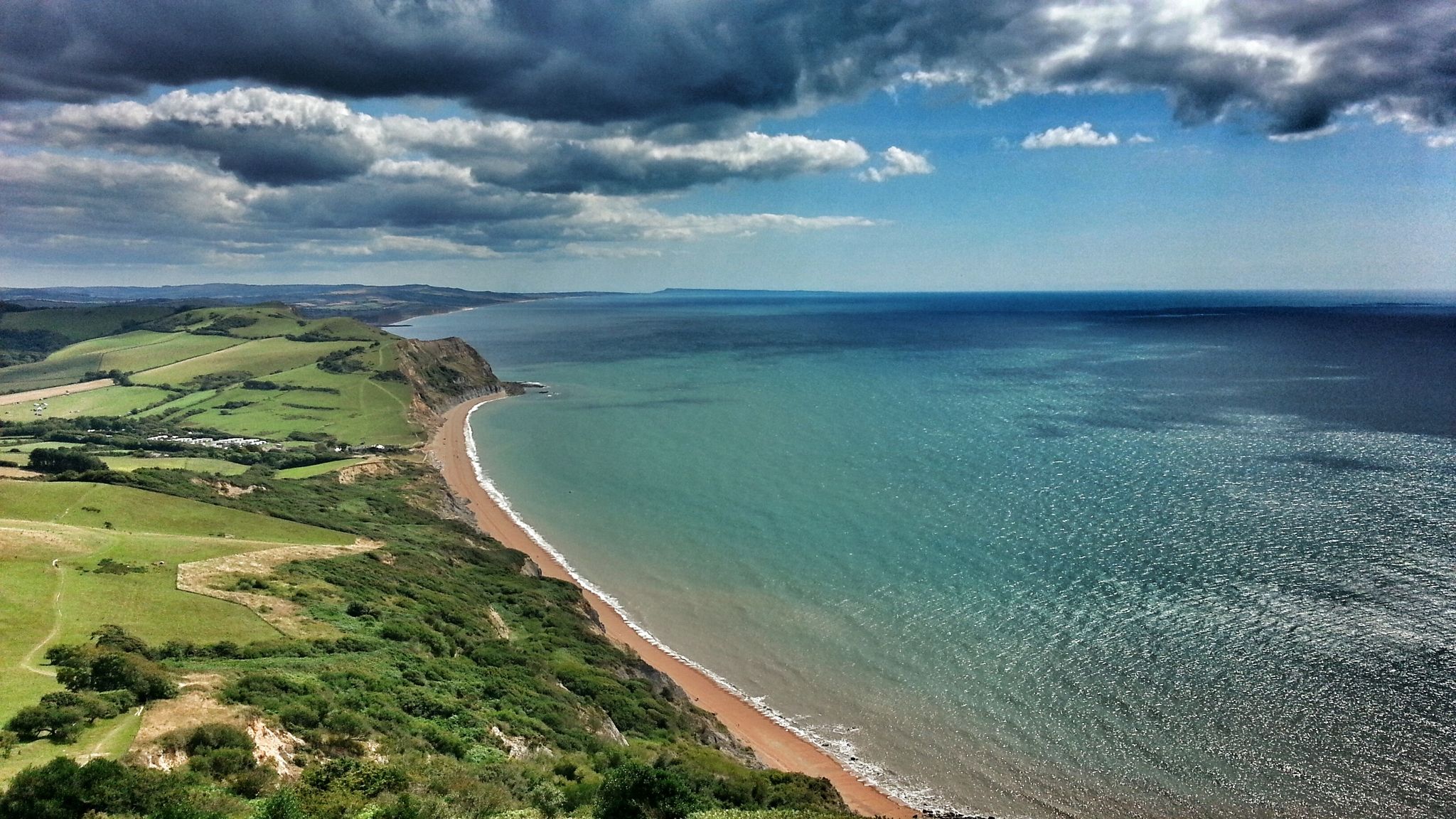
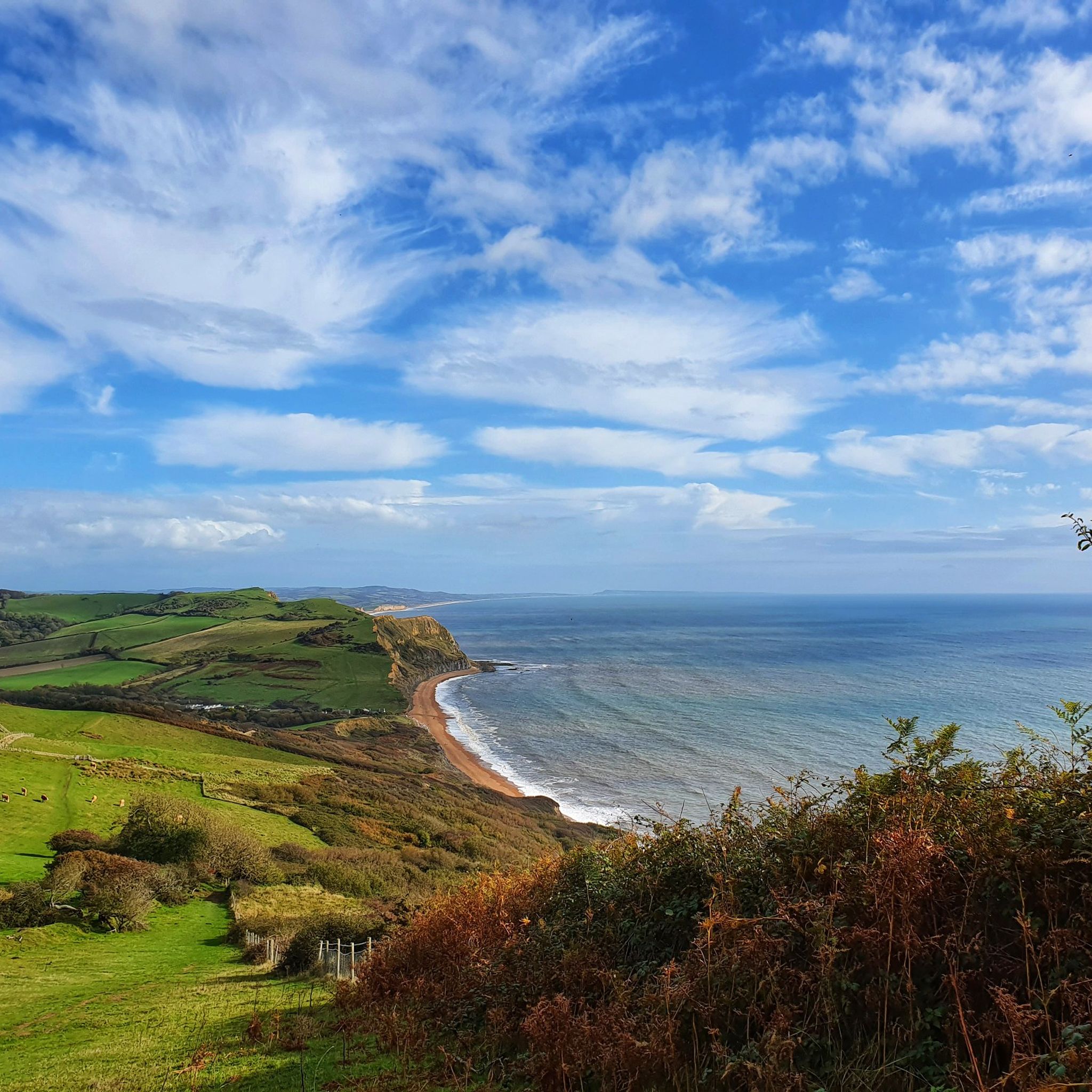
- The most popular natural monuments is Golden Cap Summit, a summit that stands as the…
Last updated: May 3, 2026
Golden Cap Summit
Highlight • Summit
Tip by

Pilsdon Pen Summit and Trig Point
Highlight • Natural Monument
Tip by
Sign up now to discover places like this
Get recommendations on the best single tracks, peaks, & plenty of other exciting outdoor places.
Sign up for free
Charmouth Beach
Highlight • Historical Site
Tip by
Doghouse Hill
Highlight (Segment) • Summit
Translated by Google •
Tip by

Seatown Beach
Highlight • Beach
Tip by

Sign up for free to discover even more natural monuments around Charmouth.
Sign up for free
Already have an account?
Start today with a free account
Your next adventure awaits.
Login or Signup
Other adventures around Charmouth

Tips from the Community


The highest point on the south coast of England. quite the lung opener and leg burner to reach. well worth it with the views though. Just be careful near the cliff edge. Constantly eroding away.
3
0
Quite the climb up, regardless of which side you choose. Experts now believe people lived on Doghouse Hill on the Golden Cap estate up to 10,000 years ago. Finds included a stone hearth, fire pit and pot shards from Bronze Age periods (2,500 to 1,000BC) and others from the Mesolithic Age (10,000 to 4,000BC) Martin Papworth, from the National Trust, said: "Although it's a stunning coastal site now, 6,000 to 8,000 years ago this area would have been over a mile inland. To find ancient pottery decorated with fingernail impressions and touch them with one's own hand, that's real contact with the past Martin Papworth, National Trust "The Mesolithic people who lived on top of Doghouse hill would have pre-dated farming, so would have been hunter-gatherers using these flints to work hides, cut meat and scrape fat from animal skins. "After millennia of erosion, it's at risk of disappearing into the sea itself."
0
0
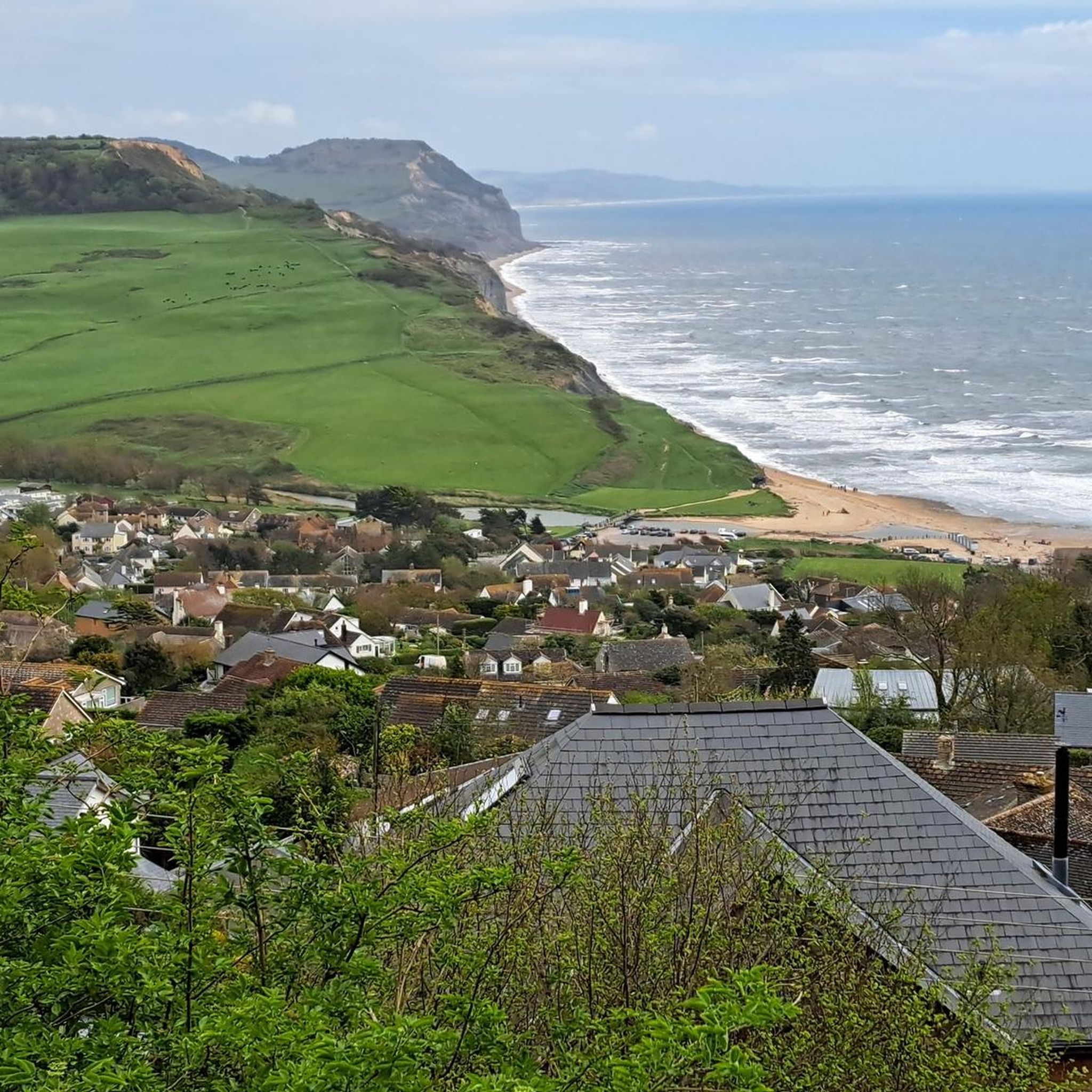
The coast at Seatown is part of the Jurassic Coast, a World Heritage Site. The surrounding area is also designated part of the Dorset National Landscape. Golden Cap, the highest point on the south coast of England, lies 1 mile (1.6 km) to the west. Seatown comprises a small number of houses, a holiday park, some holiday cottages and a pub. The small River Winniford or Wynreford runs into the sea here. Seatown beach is popular with fossil collectors, with rock of Late Jurassic/Early Cretaceous. The beach is privately owned; access to it is free, but there is a charge for car parking. 'Furmity'—a mix of wheat, dried fruit and sugar, often with added spirits—was one of the products sold at a Whit Monday Fair which used to be held in Seatown. The current Anchor Inn and the neighbouring cottages are rebuildings of their earlier equivalents which had been destroyed in the Great Storm of 1824. In the little Hamlet is the seatown slice, a spar shop and a beachside sauna.
2
0
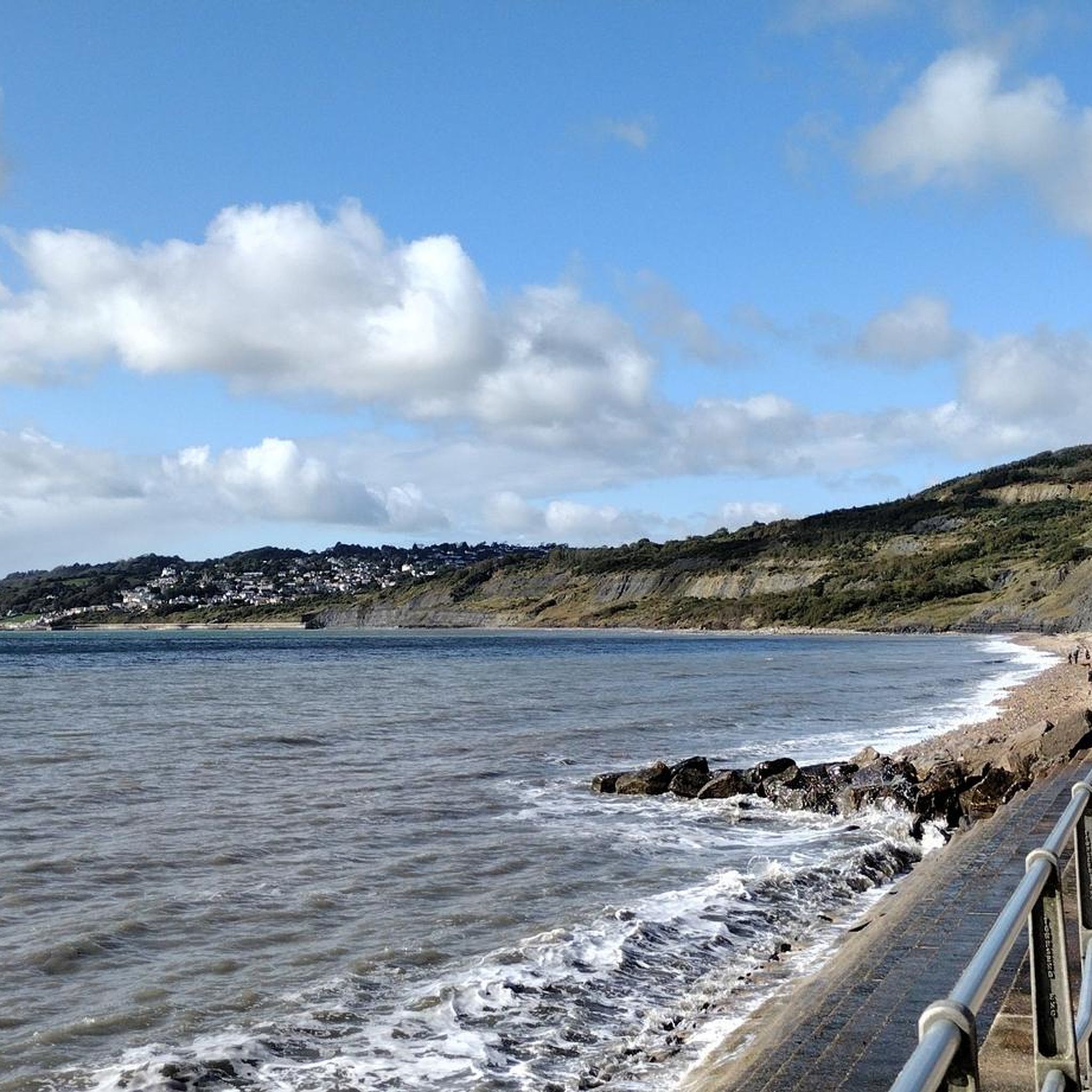
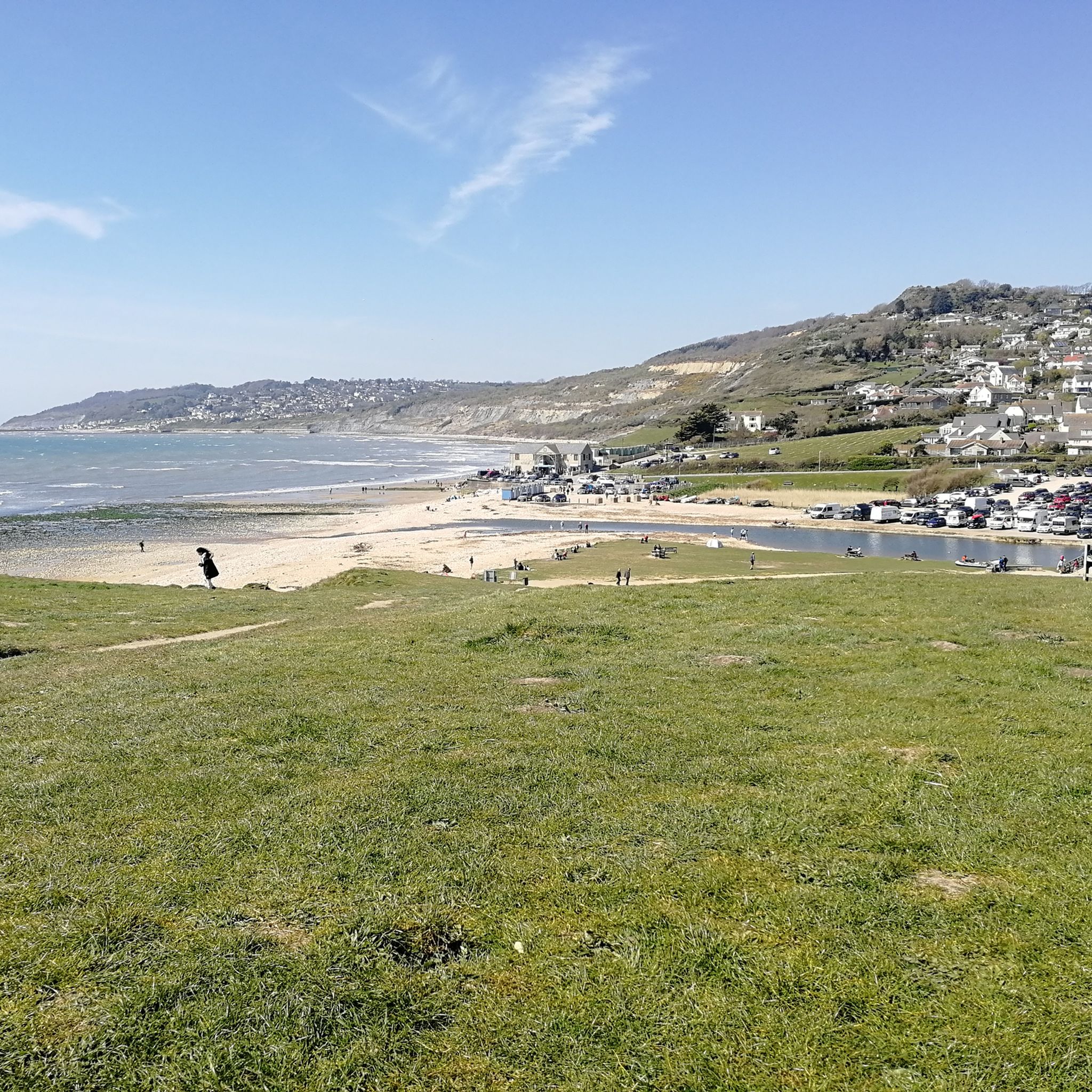
Situated on the Dorset/Devon border and just two miles from Lyme Regis, Charmouth is a quiet, unspoilt village, with lots of amenities. The village has a rich history going back hundreds of years, and was once on the main road from London to Exeter. As a consequence of this historical strategic location the village has seen many important visitors over the years with King Charles II staying in the village during his escape to France, and Jane Austen who, as a regular visitor, once wrote that Charmouth was “a nice place for sitting in unwearied contemplation”. Fortunately these days the busy roads bypass the village, and Charmouth retains the charm and tranquility it has enjoyed for hundreds of years. Charmouth is best known for its beach. Recognised by UNESCO as a World Heritage site, the local coastline provides an unique insight into millions of years of evolution, and of course is best known as the Jurassic Coast due to the large number of fossils that can be found on the beaches. However, the beach is not just for fossil hunters, having large areas of sand and gently shelving waters that make it an ideal family day out when the sun shines. The local cafés, shops and the Charmouth Heritage Coast Centre provide food, drink, beach goods and information about the geology and fossils. Within the village Charmouth has a wide range of shops to ensure that visitors do not need to venture further afield during their stay. Everything from daily essentials, household and holiday goods, gifts, and beauty salons all available right in the village centre. A range of pubs, restaurants and cafés give a fantastic choice of refreshments from breakfast to dinner. As part of both the Jurassic Coast and in an Area of Outstanding Natural Beauty it is possible to lose yourself in sights, countryside and wildlife.
0
1
Beach huts are available to hire for the summer or winter seasons. They can also be hired on a daily or weekly basis between May-September. Full time residents of Charmouth Parish may enter an annual lottery for a number of huts that are made available for the summer season at 50% of the full price. These are normally located on the grass area. The lottery also includes blue huts on the beach which are restricted initially to residents with children aged under 18. The lottery takes place at the beginning of April each year. ** PLEASE NOTE THAT SEASONAL HUTS ARE FULLY BOOKED FOR THIS YEAR AND THE SUBSTANTIAL WAITING LIST IS CURRENTLY CLOSED**
1
0

The highest point on England's south coast, the views are well worth the climb to the top
2
0
Frequently Asked Questions
What natural features can I explore around Charmouth?
Charmouth is renowned for its diverse natural features, primarily along the Jurassic Coast. You can explore fossil-rich beaches like Charmouth Beach, significant cliff formations that are part of a UNESCO World Heritage Site, and prominent summits offering panoramic views. Key geological sites include the **Charmouth Mudstone Formation** and the active mudslide at **Black Ven**. Inland, you'll find rolling hills and ancient landscapes.
Where are the best places for fossil hunting near Charmouth?
Charmouth Beach is one of the UK's premier spots for fossil hunting. The constant erosion of the cliffs, especially after storms, replenishes the foreshore with new fossils, including ammonites, belemnites, and marine reptile remains. The beach between Charmouth and Seatown is particularly productive. The Charmouth Heritage Coast Centre offers valuable information and guided fossil hunts to enhance your experience.
What makes the cliffs around Charmouth geologically significant?
The cliffs near Charmouth are a crucial part of the Jurassic Coast World Heritage Site. They expose layers of soft mud, silt, and clay from the Early Jurassic period, specifically the **Charmouth Mudstone Formation**. These sedimentary rocks, laid down around 195 million years ago, contain a wealth of fossils and provide a continuous geological record spanning millions of years, making the area a living geology textbook.
Are there any historical sites among the natural monuments?
Yes, several natural monuments in the area also hold historical significance. For example, Pilsdon Pen Summit and Trig Point is not only a natural monument but also the site of an Iron Age fort, with archaeological finds dating back 10,000 years. Similarly, Doghouse Hill is believed to have been settled in the Mesolithic period, with evidence of hunter-gatherers from 10,000 years ago.
What are some of the best viewpoints to experience the scenery?
For breathtaking views, head to Golden Cap Summit, the highest point on the South Coast, offering panoramic vistas over Lyme Bay and towards the Isle of Portland. Pilsdon Pen Summit and Trig Point provides extensive views over the Dorset countryside, including Golden Cap and the ocean. Additionally, **Stonebarrow Hill** offers incredible views of the coastline and surrounding Area of Outstanding Natural Beauty.
Are there challenging hikes around Charmouth's natural monuments?
Yes, the area offers challenging hikes, particularly along the South West Coast Path. The ascent to Golden Cap Summit is considered an intermediate to challenging climb, rewarding hikers with spectacular views. Doghouse Hill also involves a significant climb, regardless of the approach, offering a rewarding experience for those seeking a more strenuous walk.
What outdoor activities can I do near Charmouth's natural monuments besides walking?
Beyond walking and fossil hunting, Charmouth is a great base for cycling. You can find various routes for different cycling styles. For touring cyclists, there are routes like 'The Broadoak Box – Conegar Hill Climb loop from Charmouth'. Road cyclists can explore routes such as 'West Bay Cliffs – West Bay Harbour loop from Charmouth'. Mountain bikers have options like 'Cobb Gate Beach – Lyme Regis Seafront loop from Uplyme'. You can find more details on these and other routes in the cycling guide, road cycling guide, and MTB trails guide for Charmouth.
Are there family-friendly natural monuments or activities in Charmouth?
Absolutely. Charmouth Beach is highly recommended for families, especially for fossil hunting, which can be an engaging educational activity for all ages. The Charmouth Heritage Coast Centre provides interactive exhibits and guided fossil hunts, making the geological wonders accessible and fun for children. The beach also offers facilities for a comfortable family visit.
When is the best time to visit Charmouth for natural monuments and fossil hunting?
The best time to visit for natural monuments and fossil hunting is often after storms or during winter months, as the increased erosion replenishes the beaches with new fossils. However, always check tide times and weather conditions for safety, as cliffs can be unstable. Spring and autumn offer pleasant walking weather, while summer is popular for general beach visits. The Charmouth Heritage Coast Centre is open year-round and can provide up-to-date advice.
Is there parking available near the natural monuments?
Parking is generally available in Charmouth village, particularly near Charmouth Beach. For other specific natural monuments like Golden Cap or Pilsdon Pen, parking might be available at nearby National Trust car parks or designated areas, often requiring a fee. For instance, Seatown Beach, while offering access to the Jurassic Coast, charges for car parking.
What should I wear when hiking or exploring the natural monuments around Charmouth?
When exploring the natural monuments, especially along the coast, it's advisable to wear sturdy, waterproof walking boots due to potentially uneven and muddy terrain. Layers of clothing are recommended to adapt to changing weather conditions, as coastal areas can be exposed. A waterproof and windproof outer layer is essential. For fossil hunting, bring a small bag for finds and perhaps a trowel or small hammer (check local guidelines for tools).
Are there less crowded natural attractions around Charmouth?
While popular spots like Charmouth Beach and Golden Cap can attract visitors, exploring areas slightly off the main paths can offer a quieter experience. For instance, the walks around **Stonebarrow Hill**, east of Charmouth, provide stunning views and are often less crowded than the immediate beach areas. Inland routes and trails leading to Pilsdon Pen Summit and Trig Point also offer a sense of tranquility amidst the Dorset countryside.
Most popular routes around Charmouth
Most popular attractions around Charmouth

Get inspired with the komoot mobile app


Explore more
Extend your search for the best caves by checking out these guides of the top ones around Charmouth:
