Top 4 Natural Monuments around Misterton
Natural monuments around Misterton, Nottinghamshire, offer a diverse landscape shaped by historical water management and natural habitats. The area features significant natural features such as the Mother Drain, the River Idle Washlands, and the Chesterfield Canal. These sites provide important ecological value and opportunities for outdoor exploration. Misterton's natural environment is characterized by its waterways, wetlands, and the engineering history associated with them.
Best natural monuments around Misterton
- The most popular natural monument is Pilsdon Pen Summit and Trig Point…
Last updated: July 1, 2026
Pilsdon Pen Summit and Trig Point
Highlight • Natural Monument
Tip by

Ham Hill War Memorial and Stone Circle
Highlight • Monument
Second World War (1939-1945), First World War (1914-1918), Northern Ireland Conflict; The Troubles (1969-1998)
Maker
Ham Hill and Doulting Stone Company (Makers)
Mr W. Bussell of Montacute (Designer)
Ceremony …
Tip by

Sign up now to discover places like this
Get recommendations on the best single tracks, peaks, & plenty of other exciting outdoor places.
Sign up for free
Ham Hill Country Park
Highlight • Forest
Tip by

Lewesdon Hill
Highlight • Viewpoint
Tip by
View of Strip Lynchets on Brympton Hill
Highlight • Natural Monument
Tip by

Start today with a free account
Your next adventure awaits.
Login or Signup

Other adventures around Misterton

Tips from the Community

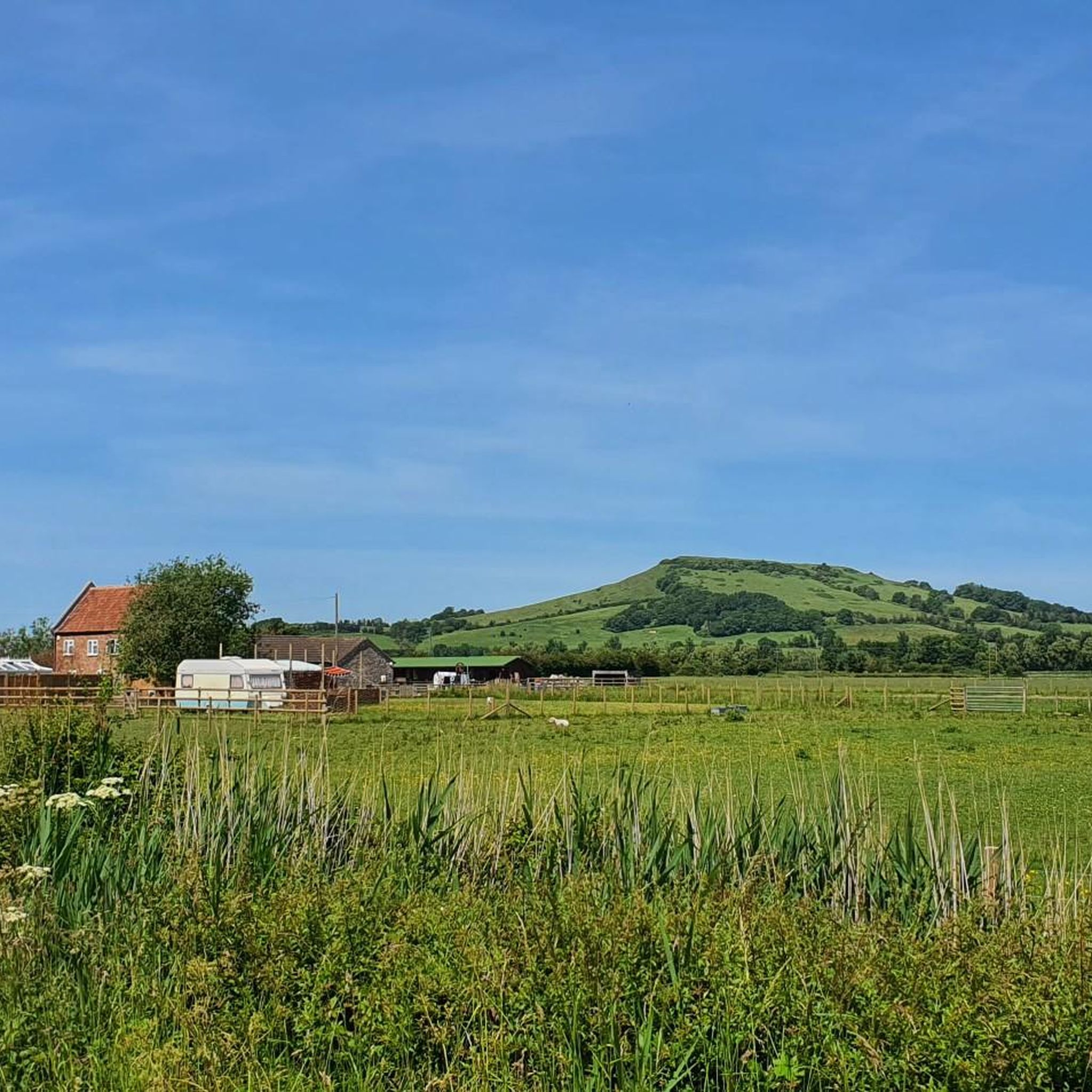
From the trig point at Pilsdon Pen summit, you get spectacular, wide-open views across Dorset. Looking south, the eye sweeps over the lush farmlands and rolling hills of the Marshwood Vale, extending all the way down to Bridport and the dramatic cliffs of the Jurassic Coast.
0
0

However, such war memorials, which one encounters so frequently along the way, regardless of nationality, language, or name, are always a testimony – still significant and relevant today – to the horrors of war and tyranny. They therefore all have two essential functions, and this continues anew for each generation: -1- To commemorate and remember the victims -2- To remind people of the need to maintain peace
2
0


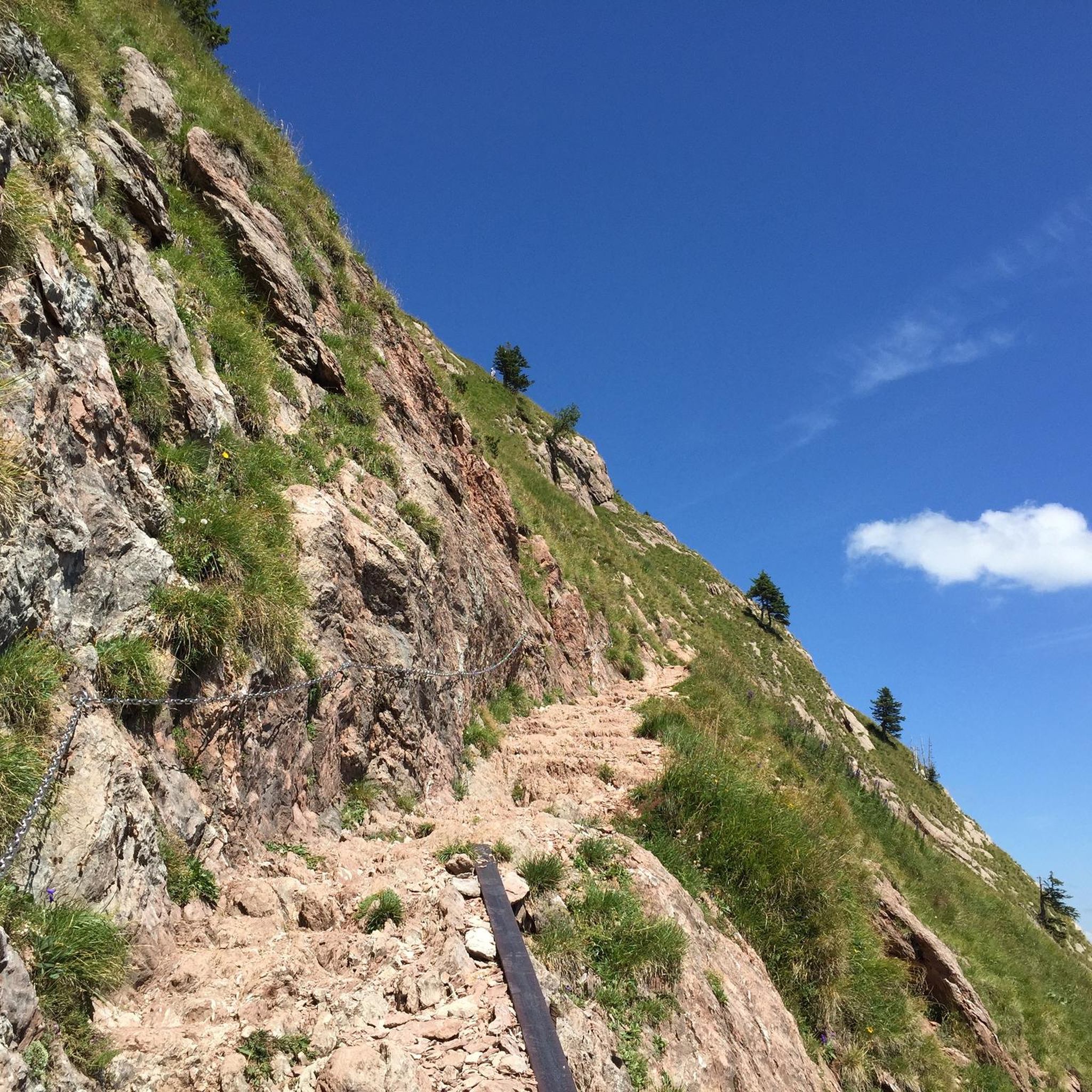
At an elevation of 915 feet (279 meters), this is the highest point in Dorset, from where you can take in the beautiful surrounding countryside through the trees. For a long time, it was believed that Pilsdon Pen was the highest point in Dorset, but relatively recently, it was discovered that Lewesdon Hill stands two meters higher.
0
0
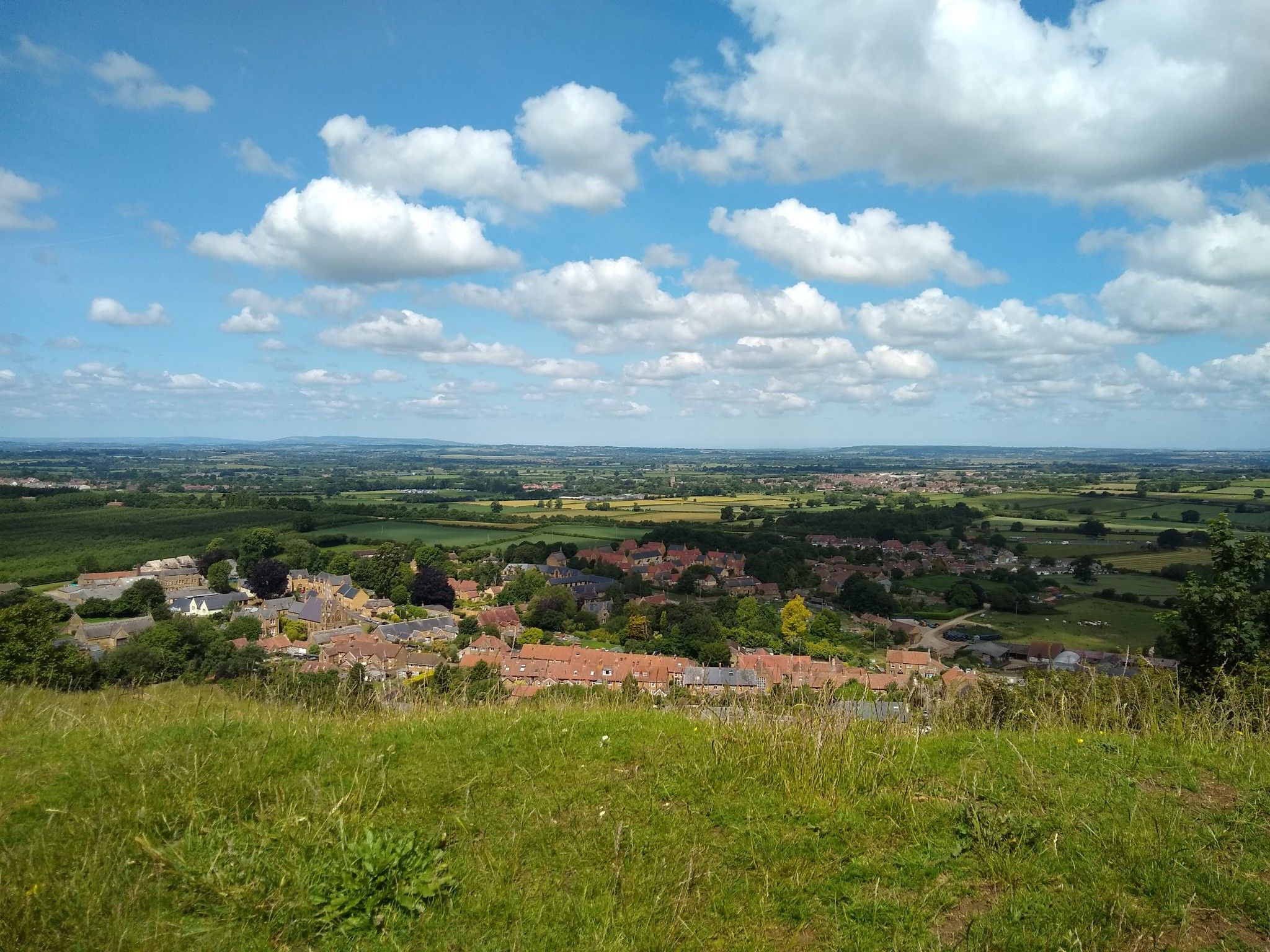
The summit of this hill represents the second highest point in Dorset, and from here, you'll have breathtaking panoramic views. At the top, there was an Iron Age hillfort, which was excavated in the mid-20th century.
0
0

Fascinating Ham Hill is well worth a visit, being at once a geological Site of Special Scientific Interest, a Scheduled Ancient Monument, an Iron Age hill fort, a Roman site, a Local Nature Reserve and a country park.
0
0

Commemoration Second World War (1939-1945), First World War (1914-1918), Northern Ireland Conflict; The Troubles (1969-1998) Maker Ham Hill and Doulting Stone Company (Makers) Mr W. Bussell of Montacute (Designer) Ceremony Unknown Date: 19 July 1923 Attended by: HRH Prince of Wales KG laid a bronze laurel wreath at the foot of the memorial (to whose column it was later fixed). Unveiled Date: 26 September 1920 Attended by: Reverend E. Skilton Dedicated Date: 26 September 1920 Attended by: Reverend E. Skilton performed the service. Those present included relatives of the Fallen, and villagers
3
0
There is a single pub called the “The Prince Of Wales” at Hamhill, which sells, ice cream, ales, ciders, and food… With out door seating, overlooking the rolling Slopes.
2
0
Frequently Asked Questions
What are the primary natural features to explore around Misterton?
Misterton, Nottinghamshire, is characterized by its unique waterways and wetlands. Key natural features include the Mother Drain, known for its ecological and historical significance, the extensive River Idle Washlands, a haven for wildlife, and the Chesterfield Canal, offering pleasant waterside walks.
What makes the Mother Drain a significant natural monument?
The Mother Drain is a large drainage ditch, approximately 10 miles long, with considerable zoological and botanical importance, designated as a Site of Special Scientific Interest (SSSI). It features impressive earthworks and supports diverse wildlife and wildflowers, offering a unique blend of natural beauty and historical engineering from its construction between 1796 and 1801.
What kind of wildlife can I expect to see at the River Idle Washlands?
The River Idle Washlands are a vital habitat for a rich assembly of plants, invertebrates, and birds. It's particularly known for attracting significant numbers of wintering and passage waterfowl, including avocets, redshanks, and lapwings, making it an excellent spot for birdwatching.
Are there walking trails along the Chesterfield Canal near Misterton?
Yes, the Chesterfield Canal provides accessible paths for walking and enjoying the outdoors. The Trent Valley Way and Cuckoo Way follow the Chesterfield Canal at this point, offering gentle routes suitable for various ability levels for leisurely strolls and longer hikes.
Are there any historical aspects to the natural features in Misterton?
Absolutely. The Mother Drain, for instance, is a testament to historical water management, constructed between 1796 and 1801. It also features old steam-powered pumping stations, 'Kate' and 'Ada,' which played a crucial role in draining the land. The River Idle Washlands also have a history as natural floodplains, now managed for conservation.
What outdoor activities can I do near Misterton's natural monuments?
You can enjoy various outdoor activities. For running, explore trails like the 'Henley Copse loop from Misterton'. Cycling enthusiasts can find routes such as the 'Norton-sub-Hamdon Village – View of the Rolling Hills loop'. Mountain biking options include the 'Ham Hill Country Park – Hollow Lane loop'. You can find more details on these and other routes in the Running Trails around Misterton, Cycling around Misterton, and MTB Trails around Misterton guides.
Is Misterton suitable for family-friendly outdoor activities?
Yes, the natural features around Misterton offer family-friendly options. The Chesterfield Canal, with its accessible paths, is ideal for leisurely family walks. The River Idle Washlands provide opportunities for nature observation and birdwatching, which can be engaging for children.
What is the best time of year to visit Misterton for nature exploration?
The best time to visit depends on your interest. Spring and summer are excellent for enjoying wildflowers along the Mother Drain and canal, and for general walking. Autumn offers beautiful scenery, while winter is prime for birdwatching at the River Idle Washlands, especially for observing wintering waterfowl.
Are there opportunities for long-distance hiking near Misterton?
Yes, the Chesterfield Canal is part of longer-distance routes like the Trent Valley Way and the Cuckoo Way, offering opportunities for extended walks through the countryside and along the waterways.
What do visitors enjoy most about the natural environment around Misterton?
Visitors appreciate the tranquil and atmospheric settings, the rich wildlife, and the blend of natural beauty with historical engineering. The diverse habitats provide excellent opportunities for birdwatching, leisurely walks, and understanding the ecological importance of wetland areas.
Can I find viewpoints to appreciate the landscape around Misterton?
While specific panoramic viewpoints are not highlighted for Misterton's flat, watery landscape, the walks along the Chesterfield Canal and the Mother Drain offer serene views of the surrounding countryside, wetlands, and the unique character shaped by centuries of water management.
Are the natural monuments around Misterton accessible for all abilities?
The Chesterfield Canal paths are generally accessible and suitable for various ability levels, making them a good option for leisurely strolls. For other areas like the Mother Drain and River Idle Washlands, it's advisable to check local conditions and specific footpath accessibility, as some areas might be less maintained or wetter.
Most popular attractions around Misterton

Get inspired with the komoot mobile app


Explore more
Extend your search for the best caves by checking out these guides of the top ones around Misterton:
