Top 9 Natural Monuments around Budbrooke
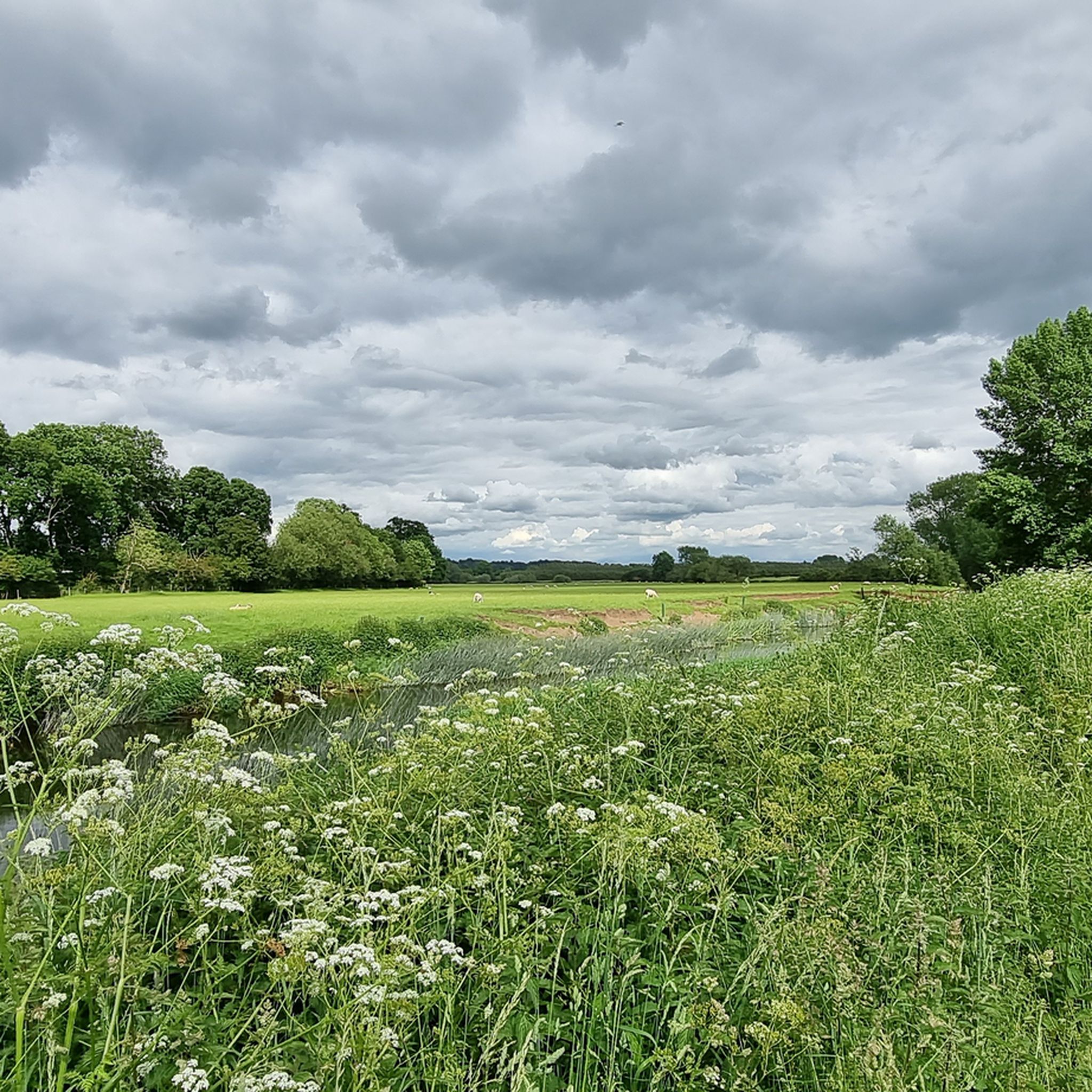
Best natural monuments around Budbrooke feature a landscape shaped by natural watercourses and historical land use. The area includes the Gog Brook and other streams, which form natural boundaries and contribute to local ecosystems. Woodlands, particularly around Grove Park, offer natural habitats, while pastureland reflects historical agricultural practices. Additionally, features like medieval ridge and furrow ploughing and fishponds integrate human history with the natural environment.
Best natural monuments around Budbrooke
- The most popular natural monuments is Charlecote Park, a…
Last updated: July 1, 2026
Kenilworth Castle Ruins
Highlight • Castle
Tip by

Charlecote Park
Highlight • Historical Site
Tip by
Sign up now to discover places like this
Get recommendations on the best single tracks, peaks, & plenty of other exciting outdoor places.
Sign up for free
Kenilworth Sandstone Railway Cutting
Highlight • Natural
Warwickshire Museum. Situated at the eastern end of the Kenilworth Greenway, the cycle and pedestrian path that runs south-east of the new …
Tip by
Welcombe Hills & Clopton Park
Highlight • Natural Monument
Tip by
Barbed Poppies Memorial, Jephson Gardens
Highlight • Natural Monument
Tip by
Sign up for free to discover even more natural monuments around Budbrooke.
Sign up for free
Already have an account?
Start today with a free account
Your next adventure awaits.
Login or Signup
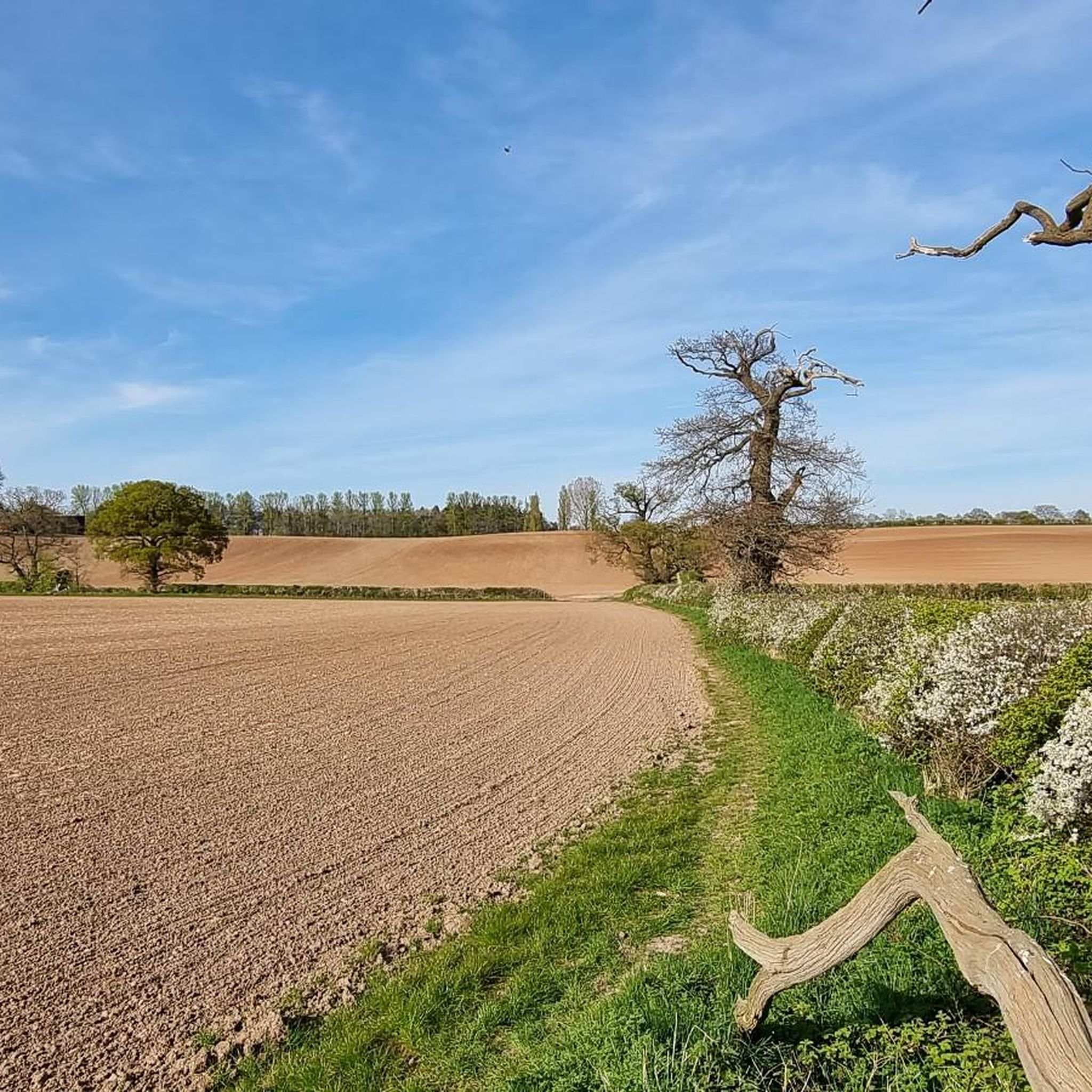
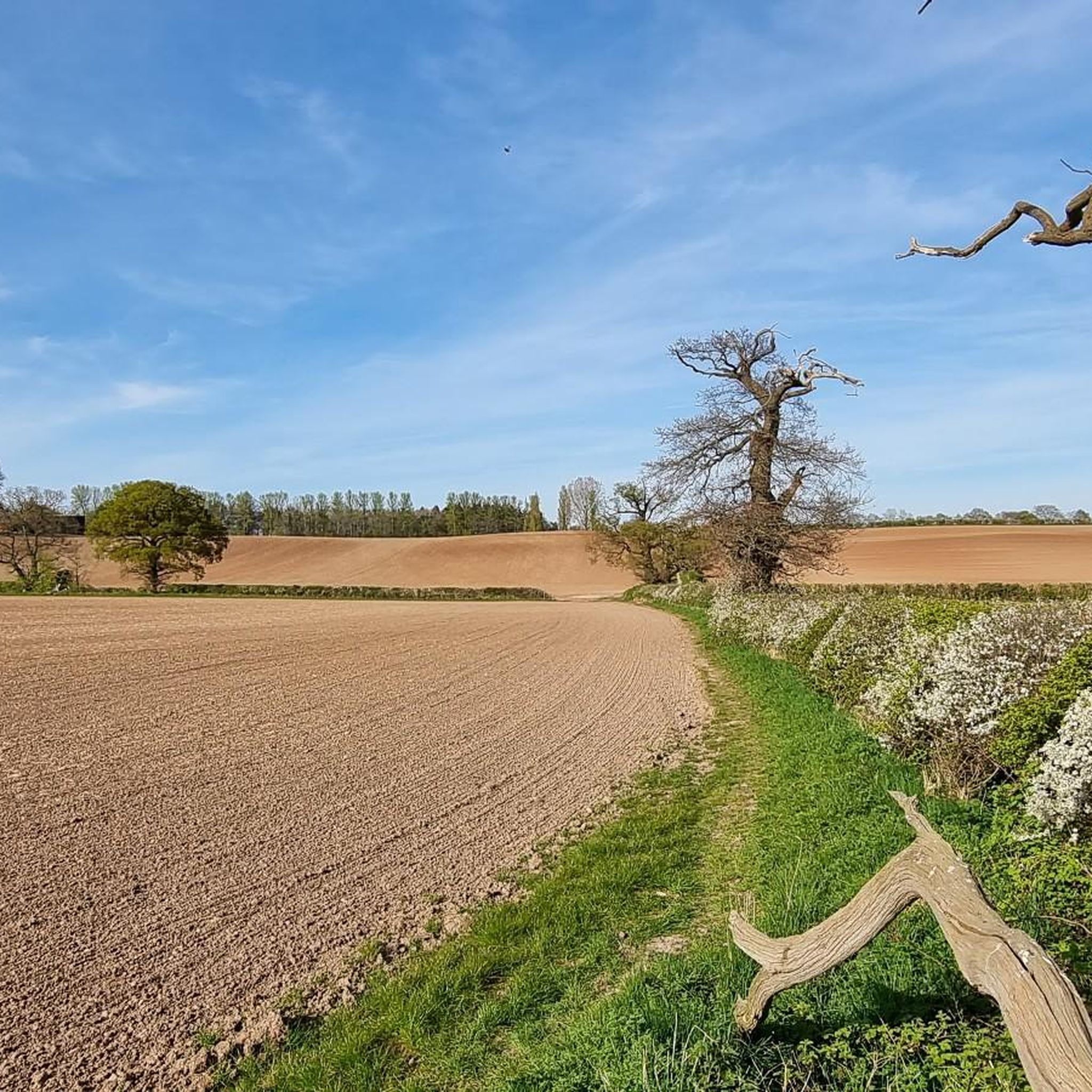
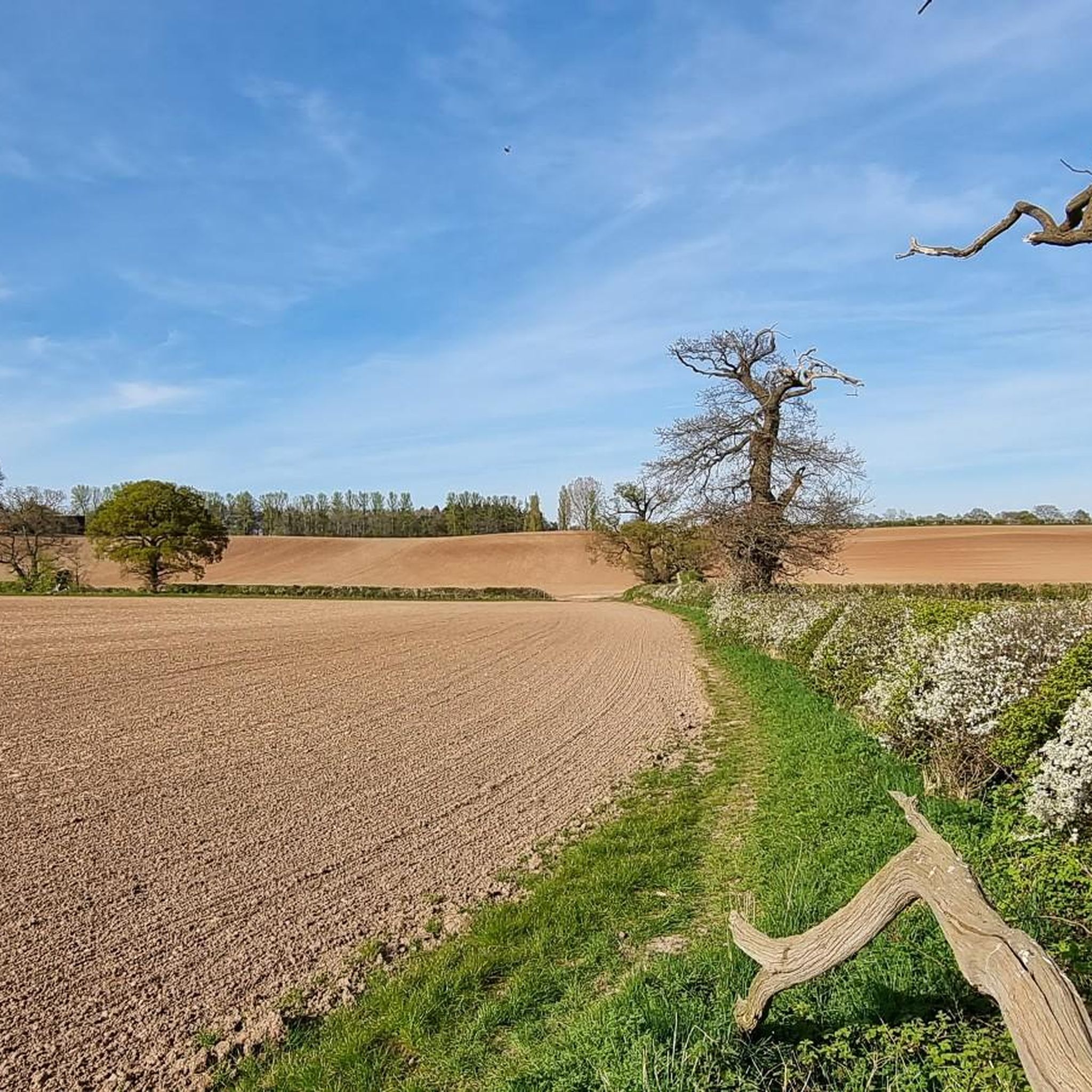
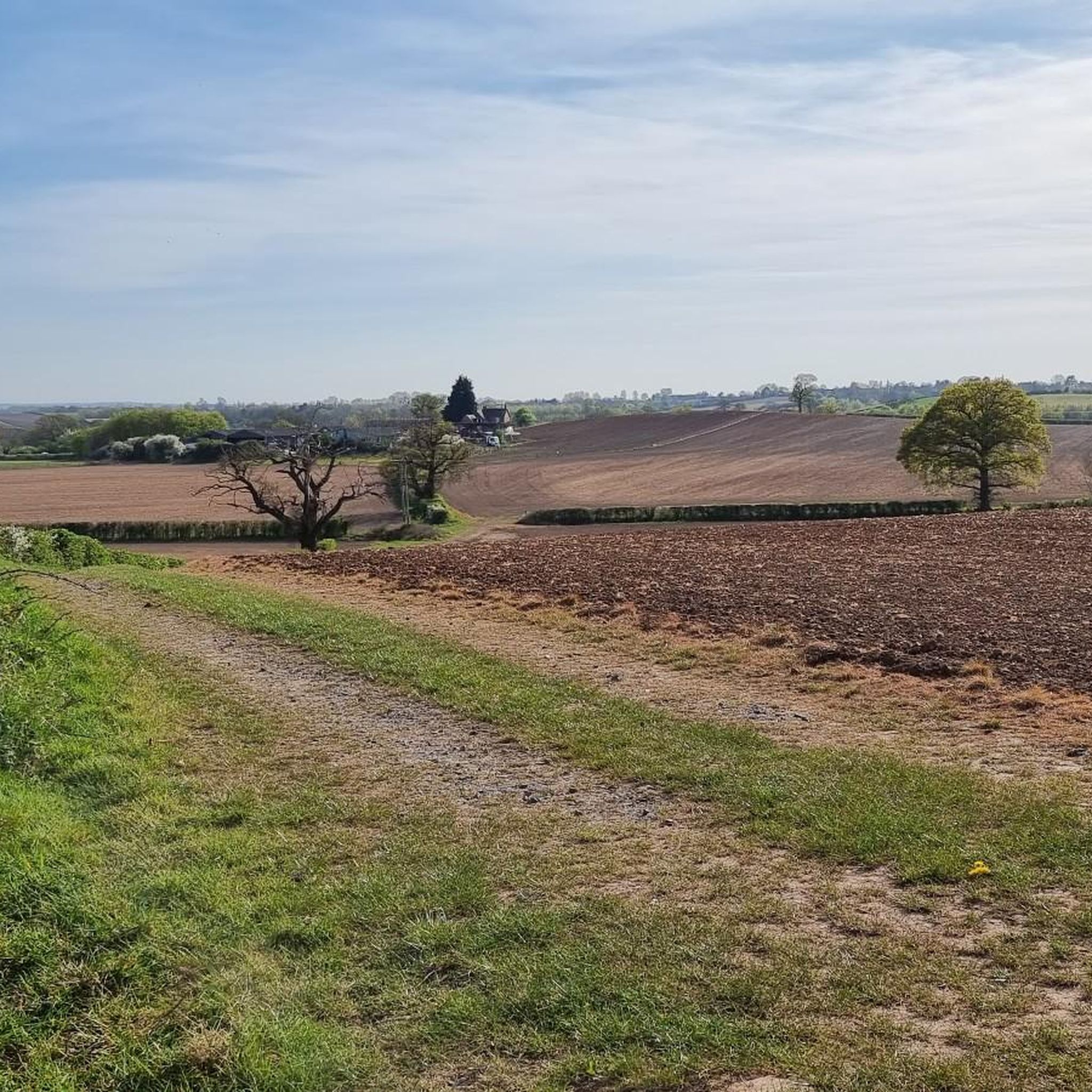

Tips from the Community

The area surrounding Castle Green offers picturesque views of the castle ruins and a greenery for visitors interested in England's rich history and architecture
0
0

Robert Langham (C16) - "The Castle has the name of Killingwoorth, but if truth grounded upon faithful story, Kenelwoorth [Kenilworth]. It stands in Warwickshire, a 74 mile North-West from London, and as it were in the navel of England, four mile somewhat South from Coventry a proper city, and a like distance from Warwick, a fair Shire town on the North. In air sweet and wholesome, raised on an easy-mounted hill, is set evenly coasted with the front straight into the East, has the tenants and town about it, that pleasantly shifts from dale to hill, sundry wherewith sweet springs burst forth; and is so plentiful and well sorted on every side into arable, meadow, pasture, wood, water, and good air, as it appears to have need of nothing that may pertain to living or pleasure."
1
0

This outcrop tells a story of when Kenilworth lay just north of the Equator in a semi-desert climate with market wet and dry seasons. Many buildings in Old Kenilworth, notably the Castle, the Abbey and St. Nicholas Church, are built of the local Kenilworth Sandstone that you can observe here.
1
0
Although much of it is still in ruins, it is definitely worth the visit, very accessible from the centre and with a good car park (paid) next to it. The castle, which was built between the beginning of Norman rule in England and the Tudor period, played a significant role in history.
1
0

The Welcombe Hills and Clopton Park offer delightful walks through grassland and woodland. Woolly thistle, quaking-grass and the diminutive adder’s-tongue grow in the grasslands where ant hills created by yellow meadow ants are a distinctive feature. The woodland contains oak, horse-chestnut and beech with English elm. Birds are plentiful, with great spotted woodpecker, sparrowhawk, little owl, treecreeper and finches enjoying the woodland where ravens breed in spring. Brimstone butterflies are numerous in the spring sunshine. History of the Welcombe Hills: a Shakespearean tale The reserve may have got its name from a historic well found here with its inscription 'SJC 1686'. Margaret, daughter of William Clopton who died in 1592 supposedly drowned here. It was around this time that Shakespeare was writing his famous play, Hamlet, and its believed that this tragic event provided the inspiration for his 'Ophelia' and her lonely death.
0
0


Owned by English Heritage it has an interesting history
2
0
Frequently Asked Questions
What are some of the most notable natural features to explore around Budbrooke?
Budbrooke's landscape is characterized by several natural features, often intertwined with history. You can explore the Charlecote Park with its expansive grounds and deer park, or discover the geological insights at Kenilworth Sandstone Railway Cutting. The area also features the Gog Brook and other streams, woodlands around Grove Park, and historical earthworks like medieval ridge and furrow ploughing near Hampton Lodge and fishponds at the Budbrooke Shrunken Medieval Settlement.
Are there family-friendly natural monuments or walks in the Budbrooke area?
Yes, several natural features around Budbrooke are suitable for families. Charlecote Park is a National Trust property with extensive grounds perfect for family outings. The Welcombe Hills & Clopton Park offer delightful walks through grasslands and woodlands, known for diverse flora and fauna that children might enjoy. The Kenilworth Sandstone Railway Cutting also provides an interesting, accessible trail for all ages.
What kind of historical natural features can be found in Budbrooke?
Budbrooke is rich in natural features shaped by centuries of human activity. You can find remnants of medieval ridge and furrow ploughing as earthworks across fields adjacent to Hampton Lodge, offering a glimpse into ancient farming practices. The medieval fishponds located southwest of St. Michael's church are also visible as earthworks within the natural setting of the Budbrooke Shrunken Medieval Settlement, showcasing historical resource management.
What outdoor activities can I do near the natural monuments around Budbrooke?
The area around Budbrooke offers various outdoor activities. You can find numerous hiking trails, including easy loops like 'Hatton Locks loop from Warwick Parkway' or 'Warwick Racecourse – Hill Close Gardens loop from Budbrooke'. For cycling enthusiasts, there are routes such as 'View of Warwickshire – Hampton Lucy Church loop from Barford'. Gravel biking options are also available, like 'View of the River Avon – Rouncil Lane loop from Leamington Spa'. You can find more details on these activities in the hiking, cycling, and gravel biking guides for Budbrooke.
Are there any natural monuments with geological significance in the Budbrooke area?
Yes, the Kenilworth Sandstone Railway Cutting is a significant geological site. It exposes sandstone dating back approximately 280 million years to the Permian Period, offering insights into the region's ancient semi-arid climate. Additionally, the cutting on the approach to the Northern Entrance to Shrewley Tunnel is a designated Site of Special Scientific Interest (SSSI), revealing Triassic period sandstone with evidence of marine deposition conditions.
What kind of wildlife and flora can I expect to see in the natural areas around Budbrooke?
The woodlands and grasslands around Budbrooke support diverse wildlife and flora. At Welcombe Hills & Clopton Park, you might spot woolly thistle, quaking-grass, and adder’s-tongue in the grasslands, alongside various bird species like great spotted woodpecker and sparrowhawk, and brimstone butterflies in spring. The Gog Brook and other streams also contribute to local ecosystems, supporting aquatic flora and fauna.
Is the Barbed Poppies Memorial in Jephson Gardens considered a natural monument?
While primarily a man-made memorial, the Barbed Poppies Memorial is situated within the natural setting of Jephson Gardens. It commemorates those who played a part in World War One with a subtle design of poppies entwined with barbed wire, evoking a strong emotional response within its garden environment.
What do visitors enjoy most about the natural monuments around Budbrooke?
Visitors appreciate the blend of natural beauty and historical significance. The expansive grounds and deer park at Charlecote Park are popular for picnics and day trips. The geological insights at Kenilworth Sandstone Railway Cutting and the diverse walks through Welcombe Hills & Clopton Park are also highly regarded. The community has shared over 20 photos and given more than 80 upvotes for these natural features.
Are there any natural monuments around Budbrooke that are wheelchair accessible?
The Barbed Poppies Memorial in Jephson Gardens is noted as being wheelchair accessible, offering an opportunity to experience a significant historical monument within a natural garden setting.
Can I find woodlands for walks in Budbrooke?
Yes, Budbrooke parish includes areas of woodland, with a notable concentration around Grove Park. These woodlands offer natural habitats and opportunities for appreciating local greenery and wildlife, providing pleasant areas for walks and experiencing the natural environment.
What is the best time of year to visit the natural monuments in Budbrooke?
The natural monuments and features around Budbrooke can be enjoyed throughout the year. Spring and summer are ideal for experiencing the diverse flora and fauna, especially at Welcombe Hills & Clopton Park where brimstone butterflies are numerous. Autumn offers beautiful foliage in the woodlands, while winter walks can provide a serene experience of the landscape, including the historical earthworks.
Most popular routes around Budbrooke
Most popular attractions around Budbrooke

Get inspired with the komoot mobile app


Explore more
Extend your search for the best caves by checking out these guides of the top ones around Budbrooke:
