Top 11 Natural Monuments around Shrewley
Best natural monuments around Shrewley are primarily characterized by their geological significance and the interplay of natural features with historical engineering. The region's landscape, shaped by ancient geological processes, offers insights into the Triassic Period. Visitors can explore sites where rock formations reveal millions of years of Earth's history. The area provides a blend of natural beauty and historical context for outdoor exploration.
Best natural monuments around Shrewley
- The most popular natural monuments is Charlecote Park, a historical site…
Last updated: October 4, 2026
Kenilworth Castle Ruins
Highlight • Castle
Tip by

Charlecote Park
Highlight • Historical Site
Tip by
Sign up now to discover places like this
Get recommendations on the best single tracks, peaks, & plenty of other exciting outdoor places.
Berkswell Well
Highlight • Natural
Tip by
Kenilworth Sandstone Railway Cutting
Highlight • Natural
Warwickshire Museum. Situated at the eastern end of the Kenilworth Greenway, the cycle and pedestrian path that runs south-east of the new …
Tip by
Welcombe Hills & Clopton Park
Highlight • Natural Monument
Tip by
Sign up for free to discover even more natural monuments around Shrewley.
Already have an account?
Start today with a free account
Your next adventure awaits.
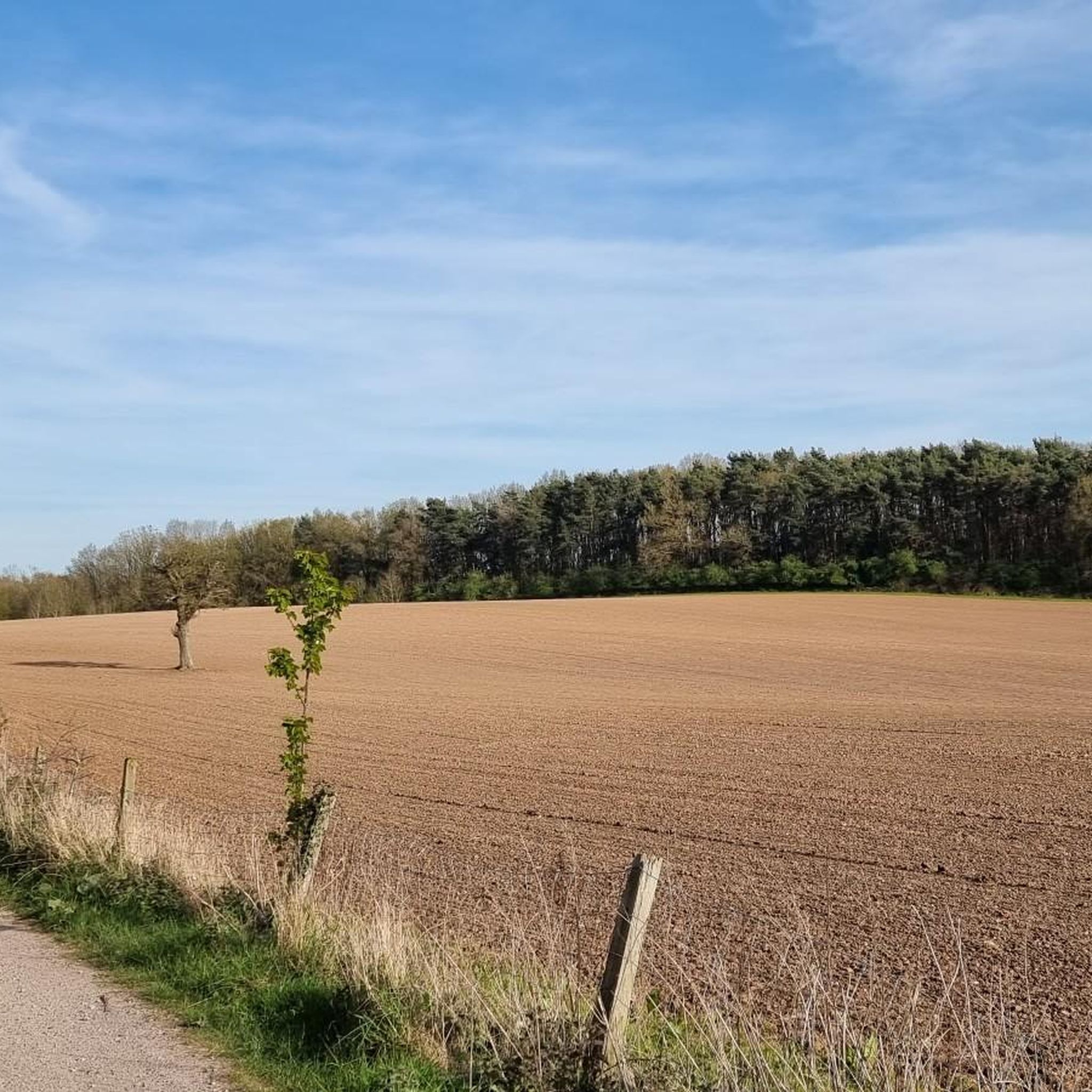

Tips from the Community

The area surrounding Castle Green offers picturesque views of the castle ruins and a greenery for visitors interested in England's rich history and architecture
0
0

Robert Langham (C16) - "The Castle has the name of Killingwoorth, but if truth grounded upon faithful story, Kenelwoorth [Kenilworth]. It stands in Warwickshire, a 74 mile North-West from London, and as it were in the navel of England, four mile somewhat South from Coventry a proper city, and a like distance from Warwick, a fair Shire town on the North. In air sweet and wholesome, raised on an easy-mounted hill, is set evenly coasted with the front straight into the East, has the tenants and town about it, that pleasantly shifts from dale to hill, sundry wherewith sweet springs burst forth; and is so plentiful and well sorted on every side into arable, meadow, pasture, wood, water, and good air, as it appears to have need of nothing that may pertain to living or pleasure."
1
0

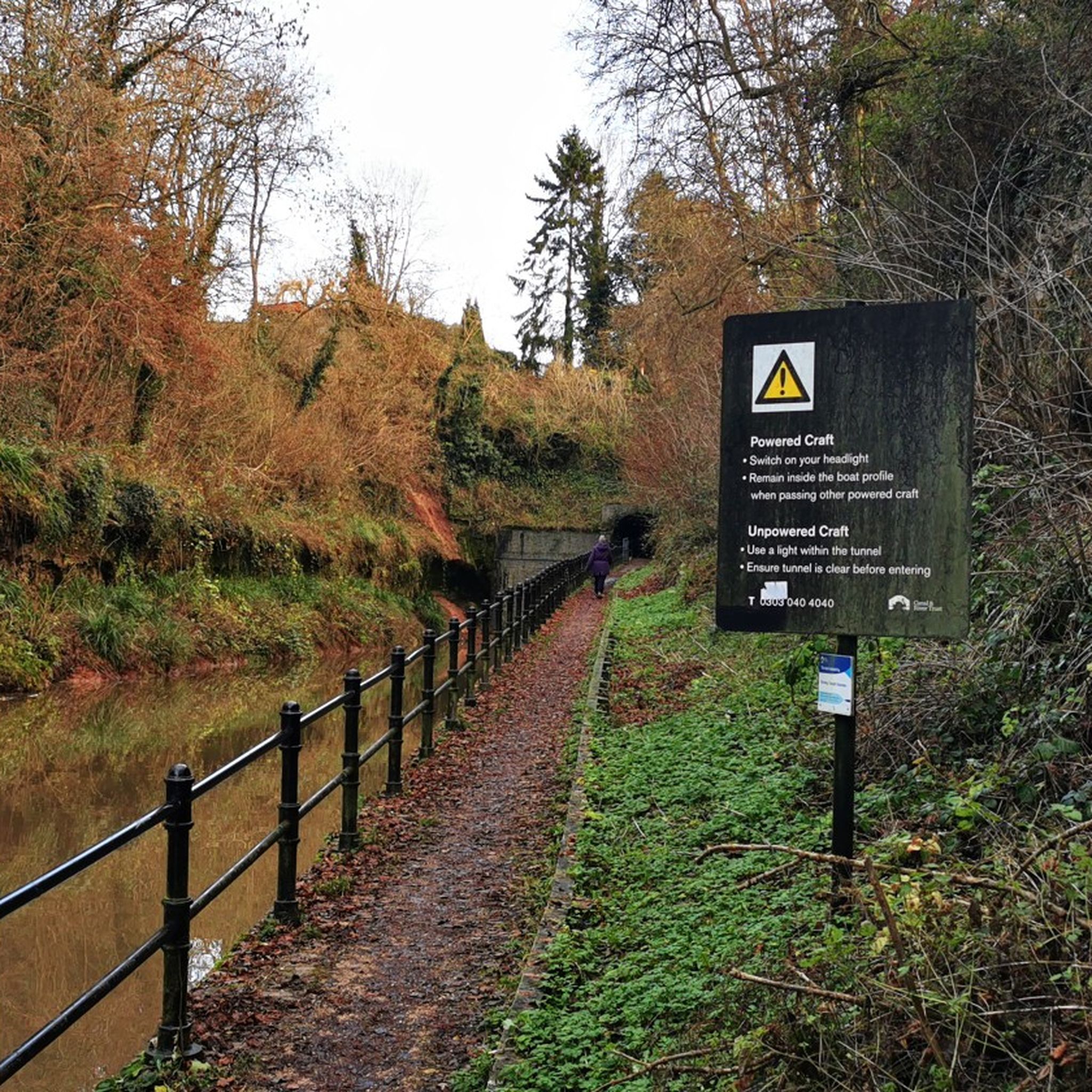
This outcrop tells a story of when Kenilworth lay just north of the Equator in a semi-desert climate with market wet and dry seasons. Many buildings in Old Kenilworth, notably the Castle, the Abbey and St. Nicholas Church, are built of the local Kenilworth Sandstone that you can observe here.
1
0
Although much of it is still in ruins, it is definitely worth the visit, very accessible from the centre and with a good car park (paid) next to it. The castle, which was built between the beginning of Norman rule in England and the Tudor period, played a significant role in history.
1
0

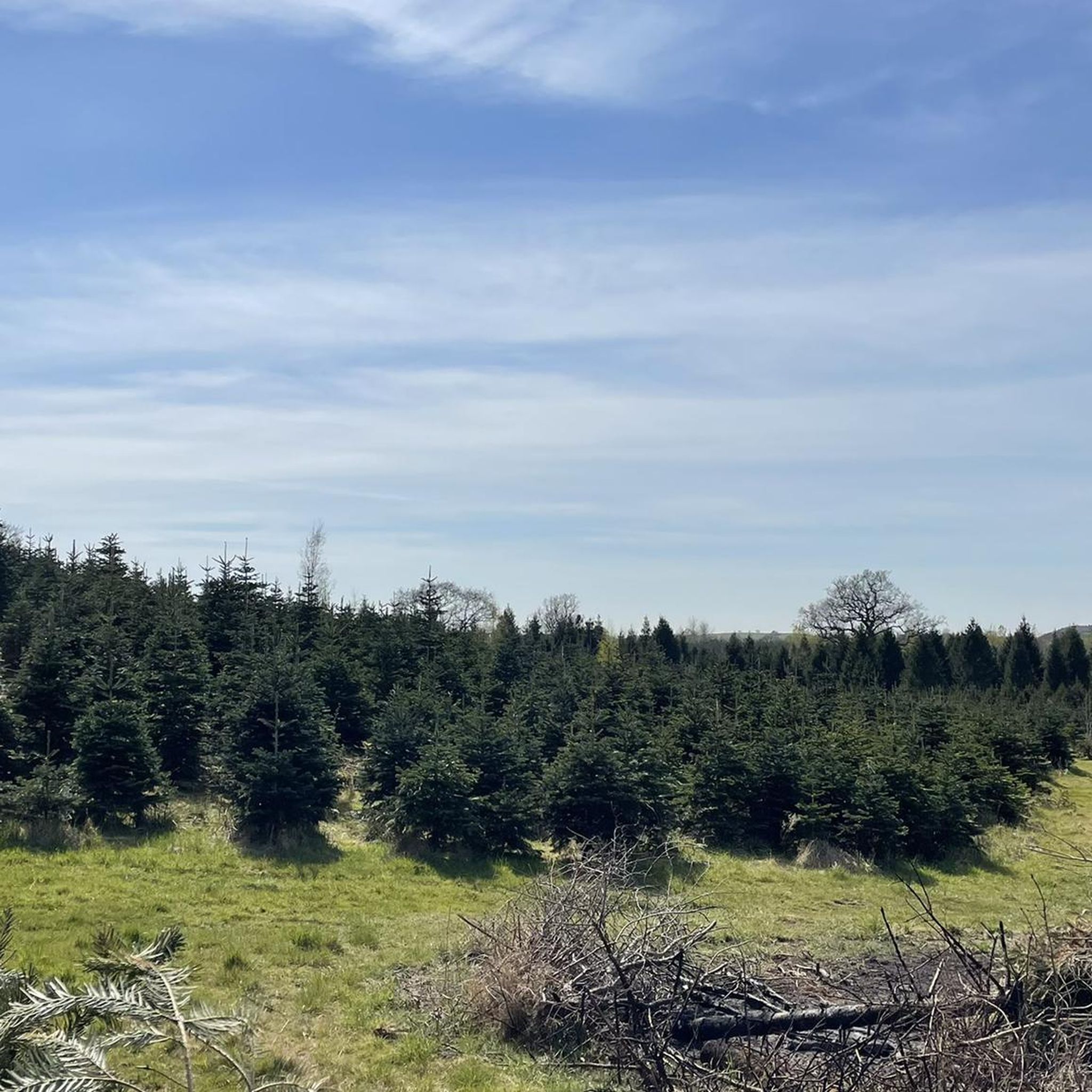
The Welcombe Hills and Clopton Park offer delightful walks through grassland and woodland. Woolly thistle, quaking-grass and the diminutive adder’s-tongue grow in the grasslands where ant hills created by yellow meadow ants are a distinctive feature. The woodland contains oak, horse-chestnut and beech with English elm. Birds are plentiful, with great spotted woodpecker, sparrowhawk, little owl, treecreeper and finches enjoying the woodland where ravens breed in spring. Brimstone butterflies are numerous in the spring sunshine. History of the Welcombe Hills: a Shakespearean tale The reserve may have got its name from a historic well found here with its inscription 'SJC 1686'. Margaret, daughter of William Clopton who died in 1592 supposedly drowned here. It was around this time that Shakespeare was writing his famous play, Hamlet, and its believed that this tragic event provided the inspiration for his 'Ophelia' and her lonely death.
0
0


Owned by English Heritage it has an interesting history
2
0
Frequently Asked Questions
What makes the natural monuments around Shrewley unique?
The natural monuments in the Shrewley area are particularly unique due to their significant geological formations, offering a window into the Earth's ancient past, especially the Triassic and Permian periods. These sites often blend natural beauty with historical engineering marvels, such as the Grand Union Canal, which itself exposes fascinating geological strata. You can observe distinct rock layers, ancient river deposits, and even unique natural phenomena like flowstone formations within man-made structures.
Are there any significant geological sites to explore near Shrewley?
Yes, the region boasts several important geological sites. The Shrewley Cutting, designated a Site of Scientific Interest (SSSI), reveals rock formations from the Triassic Period, including Arden Sandstone and mudstone layers, and has yielded ancient fossils. Another notable site is the Kenilworth Sandstone Railway Cutting, where thick beds of red sandstone from the Permian Period are exposed, showing evidence of ancient river floodplains.
Can I explore the Shrewley Canal Tunnel as a natural monument?
While primarily an 18th-century engineering feat, the Shrewley Canal Tunnel offers a unique blend of natural and man-made interest. Its deep cuttings expose geological formations from the Triassic Period, similar to the Shrewley Cutting. Inside, you can find fascinating flowstone formations, a natural phenomenon akin to those found in caves. Walking over the tunnel, particularly exploring the separate horse tunnel, provides a historical and adventurous experience.
What kind of outdoor activities can I do near these natural monuments?
The area around Shrewley offers a variety of outdoor activities. You can enjoy scenic walks along the Grand Union Canal, explore geological cuttings, or venture into parklands. For more structured activities, there are numerous routes for hiking, gravel biking, and mountain biking that pass by or near these natural features.
Are there family-friendly natural monuments around Shrewley?
Yes, several natural monuments in the area are suitable for families. Charlecote Park offers 185 acres of parkland with a deer park, perfect for family strolls and picnics. Welcombe Hills & Clopton Park provides delightful walks through grasslands and woodlands, with diverse flora and fauna to discover. The Kenilworth Sandstone Railway Cutting also offers an accessible path for observing ancient geology.
What historical sites are considered natural monuments in this region?
Beyond purely natural features, some sites blend historical significance with natural elements. Charlecote Park, while a historical estate, is also recognized for its extensive landscaped parkland and natural setting along the River Avon. The Berkswell Well is another example, a historic water source with deep roots in local legend and community life, considered a natural monument.
What is the best time of year to visit the natural monuments around Shrewley?
The natural monuments around Shrewley can be enjoyed year-round, but each season offers a different experience. Spring and summer are ideal for enjoying the lush greenery of parklands like Welcombe Hills & Clopton Park and for wildlife spotting. Autumn brings beautiful foliage, especially along the canal and in wooded areas. Winter can offer crisp, clear walks, particularly around geological sites like Shrewley Cutting, where the bare landscape can highlight the rock formations.
Are there accessible natural monuments for visitors with mobility considerations?
While specific accessibility details vary, the Grand Union Canal towpaths often provide relatively flat and even surfaces suitable for many visitors. The Kenilworth Sandstone Railway Cutting is situated along a cycle and pedestrian path, which generally offers good accessibility. For detailed information on specific sites, it's always recommended to check local resources or the site's official information.
What do visitors enjoy most about the natural monuments in Shrewley?
Visitors frequently appreciate the blend of natural beauty, historical context, and the tranquility of the area. The opportunity to connect with millions of years of geological history at sites like Shrewley Cutting and the Kenilworth Sandstone Railway Cutting is a major draw. Many also enjoy the peaceful walks along the Grand Union Canal and the expansive green spaces of places like Charlecote Park, often highlighting the chance for quiet reflection and observing local wildlife.
Where can I find more information about the Shrewley Canal Tunnel's history?
For more in-depth historical details about the Shrewley Canal Tunnel, including its construction and role in the Grand Union Canal, you can refer to external resources. A good starting point is the Wikipedia page for the tunnel: Shrewley Tunnel on Wikipedia. Additionally, the Shrewley Parish Council website may offer local historical context: Shrewley Parish Council.
Are there any natural monuments that are also good for birdwatching or wildlife spotting?
Yes, areas like Welcombe Hills & Clopton Park are excellent for wildlife. The grasslands and woodlands support diverse flora and fauna, including various bird species like great spotted woodpeckers, sparrowhawks, and little owls, as well as brimstone butterflies in spring. The Grand Union Canal itself is a tranquil waterway providing habitat for local wildlife, making it a good spot for observing nature.
Most popular routes around Shrewley
Most popular attractions around Shrewley

Get inspired with the komoot mobile app


Explore more
Extend your search for the best caves by checking out these guides of the top ones around Shrewley:
