Top 7 Natural Monuments around Norton Lindsey
Best natural monuments around Norton Lindsey encompass a range of natural attractions in the surrounding area. The region features diverse landscapes, from river valleys and formal Victorian parks to significant canal engineering sites. These locations offer ecological interest, historical significance, and opportunities for outdoor recreation.
Best natural monuments around Norton Lindsey
- The most popular natural monuments is Charlecote Park, a historical site and natural monument with expansive grounds. This National Trust property includes a deer park and lands landscaped…
Last updated: July 1, 2026
Kenilworth Castle Ruins
Highlight • Castle
Tip by

Charlecote Park
Highlight • Historical Site
Tip by
Sign up now to discover places like this
Get recommendations on the best single tracks, peaks, & plenty of other exciting outdoor places.
Sign up for free
Welcombe Hills & Clopton Park
Highlight • Natural Monument
Tip by
Barbed Poppies Memorial, Jephson Gardens
Highlight • Natural Monument
Tip by
Northern Entrance to Shrewley Tunnel
Highlight • Structure
Tip by
Sign up for free to discover even more natural monuments around Norton Lindsey.
Sign up for free
Already have an account?
Start today with a free account
Your next adventure awaits.
Login or Signup

Tips from the Community

The area surrounding Castle Green offers picturesque views of the castle ruins and a greenery for visitors interested in England's rich history and architecture
0
0

Robert Langham (C16) - "The Castle has the name of Killingwoorth, but if truth grounded upon faithful story, Kenelwoorth [Kenilworth]. It stands in Warwickshire, a 74 mile North-West from London, and as it were in the navel of England, four mile somewhat South from Coventry a proper city, and a like distance from Warwick, a fair Shire town on the North. In air sweet and wholesome, raised on an easy-mounted hill, is set evenly coasted with the front straight into the East, has the tenants and town about it, that pleasantly shifts from dale to hill, sundry wherewith sweet springs burst forth; and is so plentiful and well sorted on every side into arable, meadow, pasture, wood, water, and good air, as it appears to have need of nothing that may pertain to living or pleasure."
1
0

Although much of it is still in ruins, it is definitely worth the visit, very accessible from the centre and with a good car park (paid) next to it. The castle, which was built between the beginning of Norman rule in England and the Tudor period, played a significant role in history.
1
0

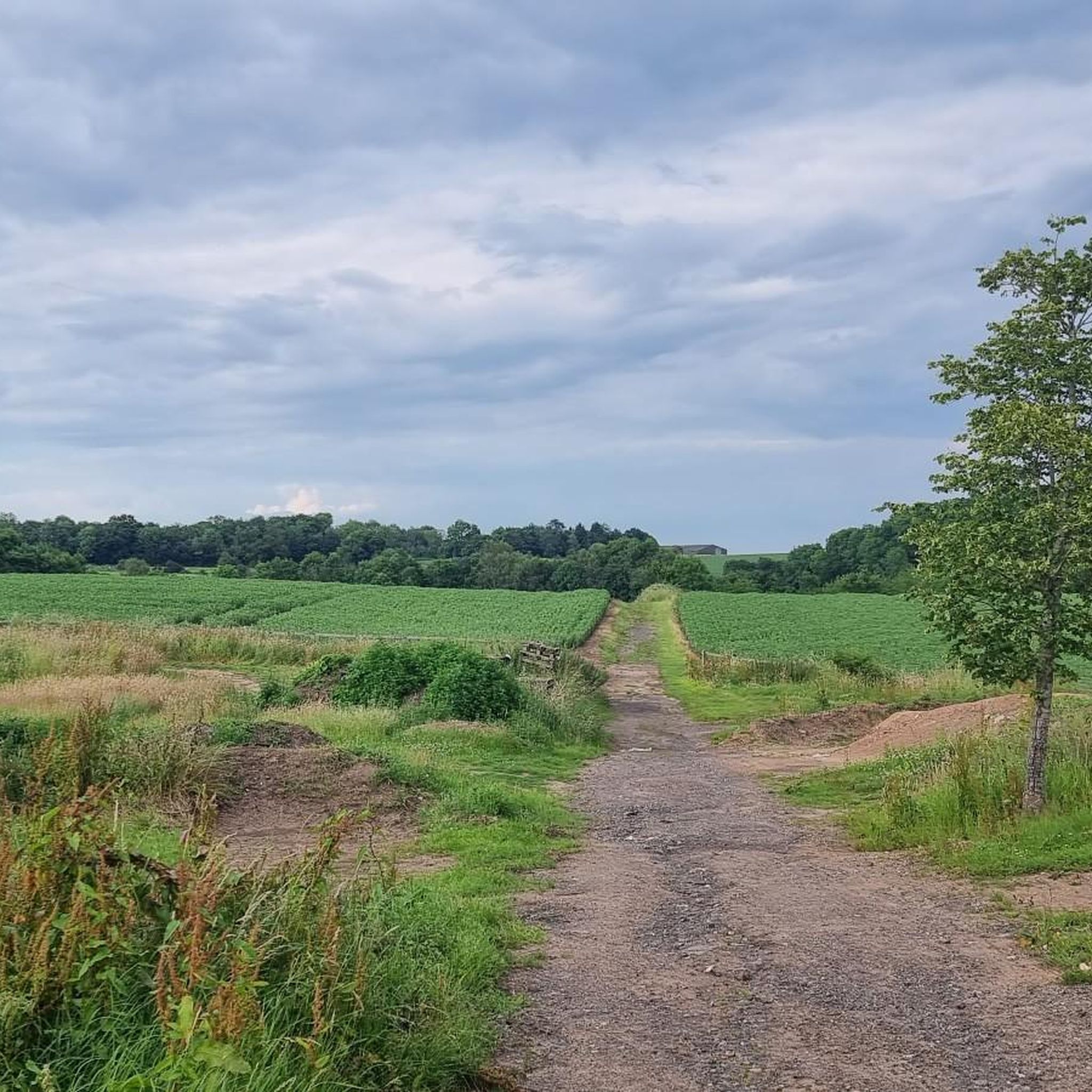
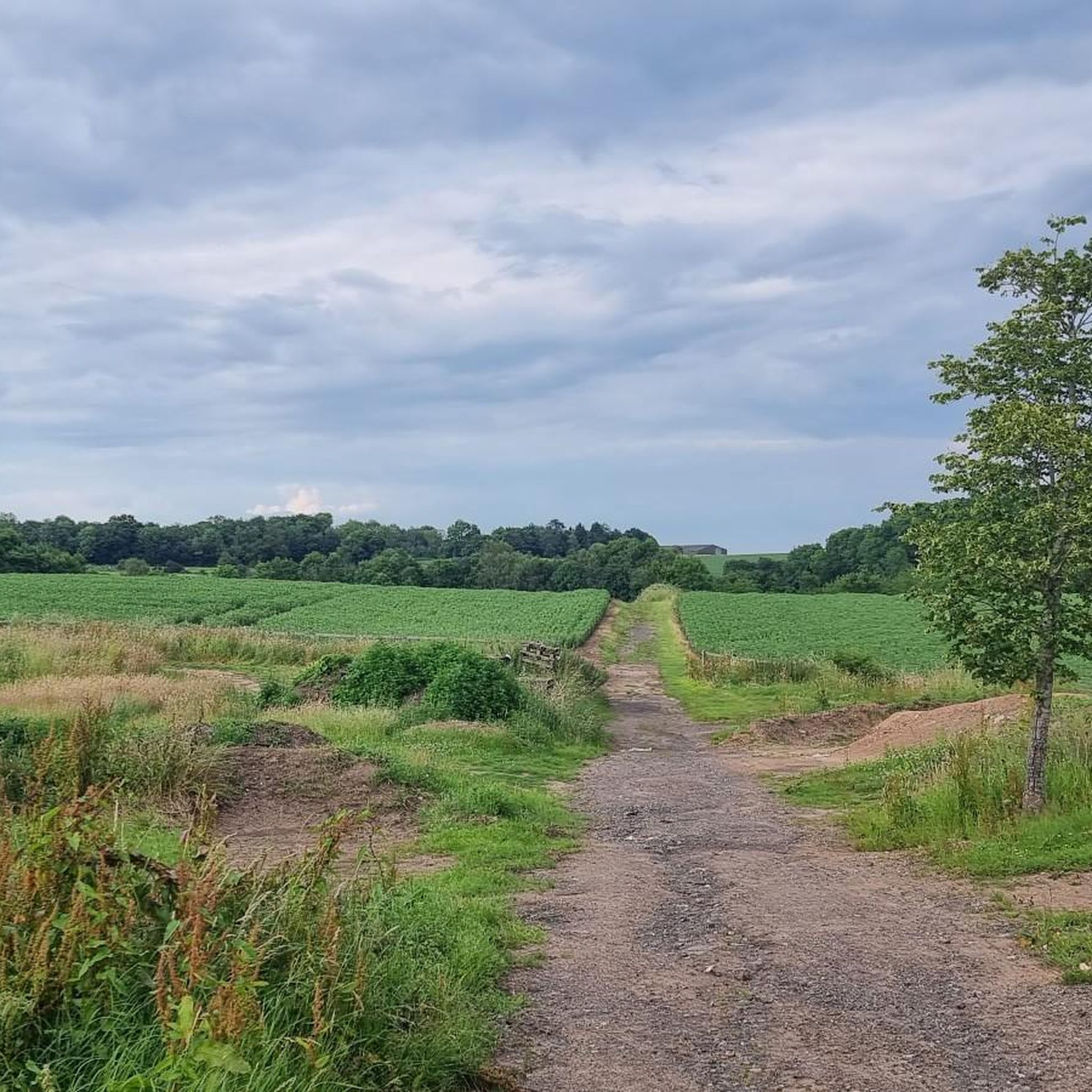
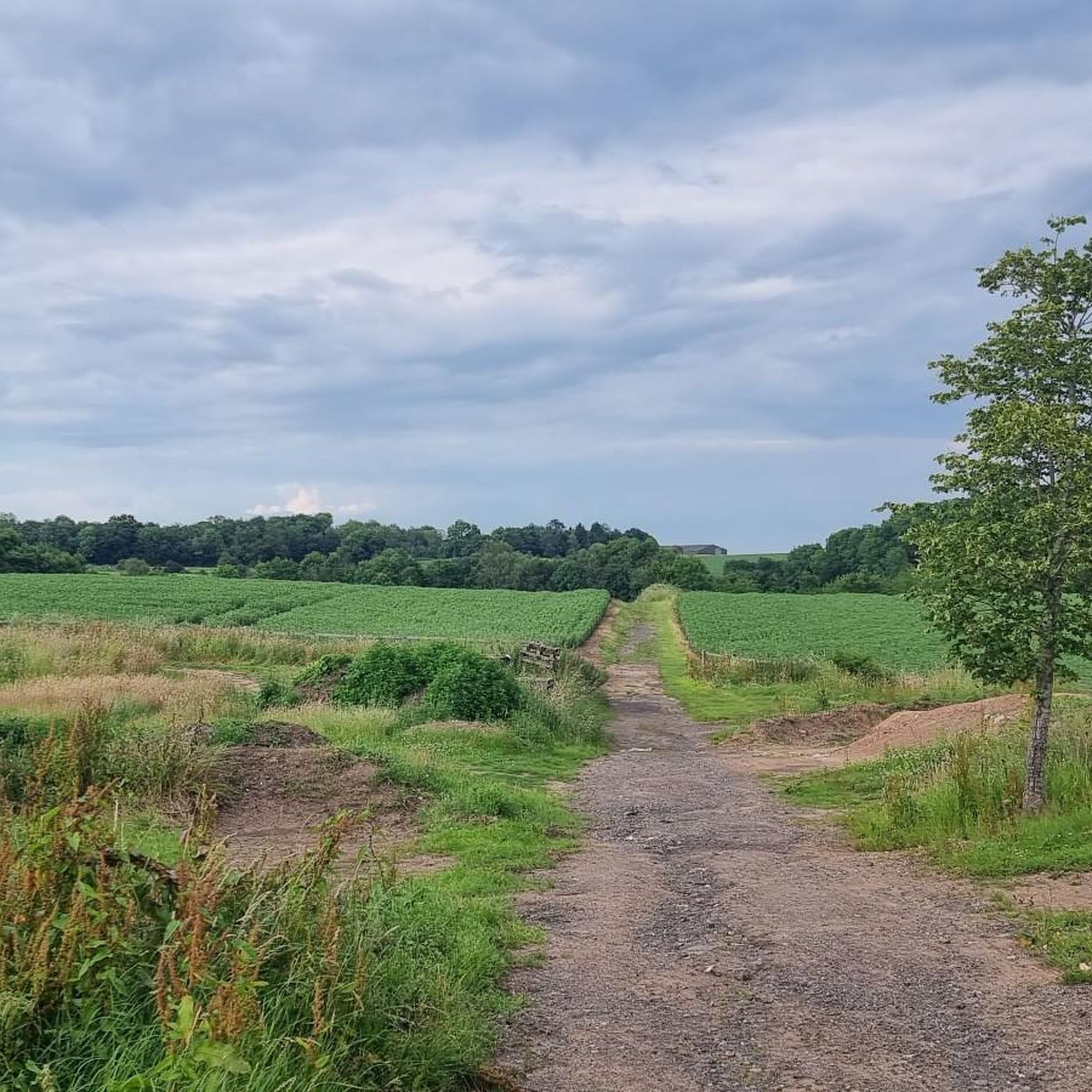
The Welcombe Hills and Clopton Park offer delightful walks through grassland and woodland. Woolly thistle, quaking-grass and the diminutive adder’s-tongue grow in the grasslands where ant hills created by yellow meadow ants are a distinctive feature. The woodland contains oak, horse-chestnut and beech with English elm. Birds are plentiful, with great spotted woodpecker, sparrowhawk, little owl, treecreeper and finches enjoying the woodland where ravens breed in spring. Brimstone butterflies are numerous in the spring sunshine. History of the Welcombe Hills: a Shakespearean tale The reserve may have got its name from a historic well found here with its inscription 'SJC 1686'. Margaret, daughter of William Clopton who died in 1592 supposedly drowned here. It was around this time that Shakespeare was writing his famous play, Hamlet, and its believed that this tragic event provided the inspiration for his 'Ophelia' and her lonely death.
0
0


Owned by English Heritage it has an interesting history
2
0

Fantastic Castle, and a quick walk around the outside of the battlements at the start of this walk allows you to see what an imposing fortification this really is. Putting yourself in the place of someone laying siege to this Castle, its easy to see how much of a disadvantage you would be at even today. We didn't go inside the Castle, but it looks to be well run and lots of families were enjoying the Castle activities.
1
0
Frequently Asked Questions
What opportunities are there for wildlife spotting near Norton Lindsey?
The region offers several excellent spots for wildlife enthusiasts. The Leam Valley Local Nature Reserve is a haven for kingfishers, otters, grass snakes, and various bird species like reed warblers. At Welcombe Hills & Clopton Park, you can spot diverse flora and fauna, including brimstone butterflies and various woodland birds. Hatton Locks also attracts waterbirds and damselflies along its side ponds.
Where can I experience diverse natural habitats around Norton Lindsey?
The Leam Valley Local Nature Reserve boasts a rich variety of habitats, including woodlands, grasslands, marshes, and ponds. Welcombe Hills & Clopton Park provides delightful walks through grassland and woodland, while Oakley Wood Local Nature Reserve offers a mix of conifer and broadleaf trees with scrubland.
Are there any significant geological features to explore?
Yes, the cutting on the approach to the Northern Entrance to Shrewley Tunnel is a designated Site of Special Scientific Interest (SSSI). It exposes a sequence in Arden sandstone from the late Triassic period, revealing grey-green shales, siltstones, and dolomitic sandstones, indicating ancient marine deposition conditions.
What historical sites with natural elements can I visit?
Charlecote Park is a historical site with expansive grounds, including a deer park and lands landscaped by Capability Brown. Jephson Gardens in Leamington Spa is a beautiful formal Victorian park with significant historical features and around 140 species of trees. Hatton Locks on the Grand Union Canal offers a fascinating glimpse into canal engineering history amidst a picturesque natural setting.
Are there family-friendly natural monuments around Norton Lindsey?
Absolutely. Jephson Gardens is ideal for families, featuring a tropical glasshouse, a lake for boating, and an adventure playground. The Leam Valley Local Nature Reserve also includes an adventure playground. Charlecote Park and Welcombe Hills & Clopton Park offer expansive grounds suitable for family walks and picnics. Oakley Wood Local Nature Reserve is also considered family-friendly.
Are there wheelchair accessible natural monuments near Norton Lindsey?
Jephson Gardens in Leamington Spa is generally accessible, and the Barbed Poppies Memorial within the gardens is specifically noted as wheelchair accessible. The Leam Valley Local Nature Reserve also has accessible paths.
What outdoor activities can I do near these natural monuments?
The area offers various outdoor activities. You can enjoy walking and cycling along the tranquil towpaths of Hatton Locks. For more structured routes, explore the nearby gravel biking, road cycling, and running trails. You can find detailed routes and guides for these activities on the Gravel biking around Norton Lindsey, Road Cycling Routes around Norton Lindsey, and Running Trails around Norton Lindsey guide pages.
Are there hiking or walking trails near these natural monuments?
Yes, there are numerous walking opportunities. Welcombe Hills & Clopton Park offers delightful walks through grassland and woodland. The Leam Valley Local Nature Reserve has a 3-kilometer path along the River Leam. The towpaths around Hatton Locks are perfect for leisurely strolls, and Oakley Wood Local Nature Reserve provides woodland trails. Additionally, the countryside immediately surrounding Norton Lindsey features scenic walks through rolling farmland and small woodlands.
What do visitors enjoy most about the natural monuments around Norton Lindsey?
Visitors appreciate the diverse experiences offered, from the historical grandeur and landscaped grounds of Charlecote Park to the rich wildlife and varied habitats of the Leam Valley Local Nature Reserve. The impressive engineering and picturesque setting of Hatton Locks are also highly regarded, as are the tranquil walks and natural beauty found at Welcombe Hills & Clopton Park and Jephson Gardens.
What is the best time to visit the natural monuments in this region?
Many of the natural monuments, such as Jephson Gardens and the various nature reserves, are enjoyable year-round. Spring and summer are ideal for experiencing vibrant wildflowers and active wildlife. The tropical glasshouse at Jephson Gardens offers a warm escape during colder months, and the historical sites like Charlecote Park are open for exploration throughout the year.
Can I bring my dog to these natural monuments?
Many outdoor areas in the region are dog-friendly, especially nature reserves and public footpaths. For specific sites like Charlecote Park, it's advisable to check their specific policies regarding dogs, as some areas might have restrictions, especially in deer parks or sensitive wildlife zones. Generally, dogs on leads are welcome on towpaths and in many woodland areas.
Are there any viewpoints offering scenic vistas?
Yes, Welcombe Hills & Clopton Park is noted for offering delightful walks with scenic views. The rolling farmland and small woodlands immediately surrounding Norton Lindsey also provide attractive vistas of the peaceful Warwickshire countryside.
Most popular attractions around Norton Lindsey

Get inspired with the komoot mobile app


Explore more
Extend your search for the best caves by checking out these guides of the top ones around Norton Lindsey:
