Top 6 Natural Monuments around St. John
Natural monuments around St. John are primarily found within the Virgin Islands National Park, which covers a significant portion of the island. This protected status ensures the preservation of diverse ecosystems, beaches, and viewpoints. The terrain features include coastal areas, forests, and elevated points offering panoramic views.
Best natural monuments around St. John
- The most popular natural monuments is Plymouth Hoe, a viewpoint that offers unrivalled views of Plymouth Sound. It is a large greenspace featuring memorials and Smeaton's Tower.
- Another must-see spot is View of Plymouth Sound, Drake's Island, and Mount Edgcumbe from Devil's Point, a historical site and viewpoint. This location provides views across the Hamoaze to Mount Edgcumbe and Plymouth Sound.
- Visitors also love Sharrow Beach (Freathy), a beach and viewpoint. It is located on the Rame Peninsula and can be accessed along the South West Coastal Path.
- St. John is known for its diverse natural monuments, including beaches, coastal headlands, and viewpoints. Visitors can explore a variety of natural features, from sandy shores to elevated scenic spots.
- The natural monuments around St. John are appreciated by the komoot community, with 77 upvotes and 25 photos shared across the highlights.
Last updated: July 1, 2026
Plymouth Hoe
Highlight • Viewpoint
Tip by

Mount Edgcumbe Country Park
Highlight • Viewpoint
While walking here you will see the landscaped parkland of a country house, views across the Plymouth Sound to the naval base and breakwater, a Bronze Age burial mound, the 15th century church and several military installations designed to defend the important port.
Tip by

Sign up now to discover places like this
Get recommendations on the best single tracks, peaks, & plenty of other exciting outdoor places.
Sign up for free
Penlee Point
Highlight • Natural Monument
Tip by

View of Plymouth Sound, Drake's Island, and Mount Edgcumbe from Devil's Point
Highlight • Historical Site
Devil's Point has also played a military role, with a former reservoir supplying the iconic Royal William Yard next door and still visible defenses from the Second World War. You might imagine seeing Darwin's ship, The Beagle, anchoring at Barn Pool in 1837, just before he embarked on his famous circumnavigation of the world, or watching Napoleon pacing the deck of HMS Bellerophon, which sailed in July 1815 at anchor in the Sound before being exiled to St. Helena.
Translated by Google •
Tip by

Sharrow Beach (Freathy)
Highlight • Viewpoint
Tip by

Sign up for free to discover even more natural monuments around St. John.
Sign up for free
Already have an account?
Start today with a free account
Your next adventure awaits.
Login or Signup
Tips from the Community

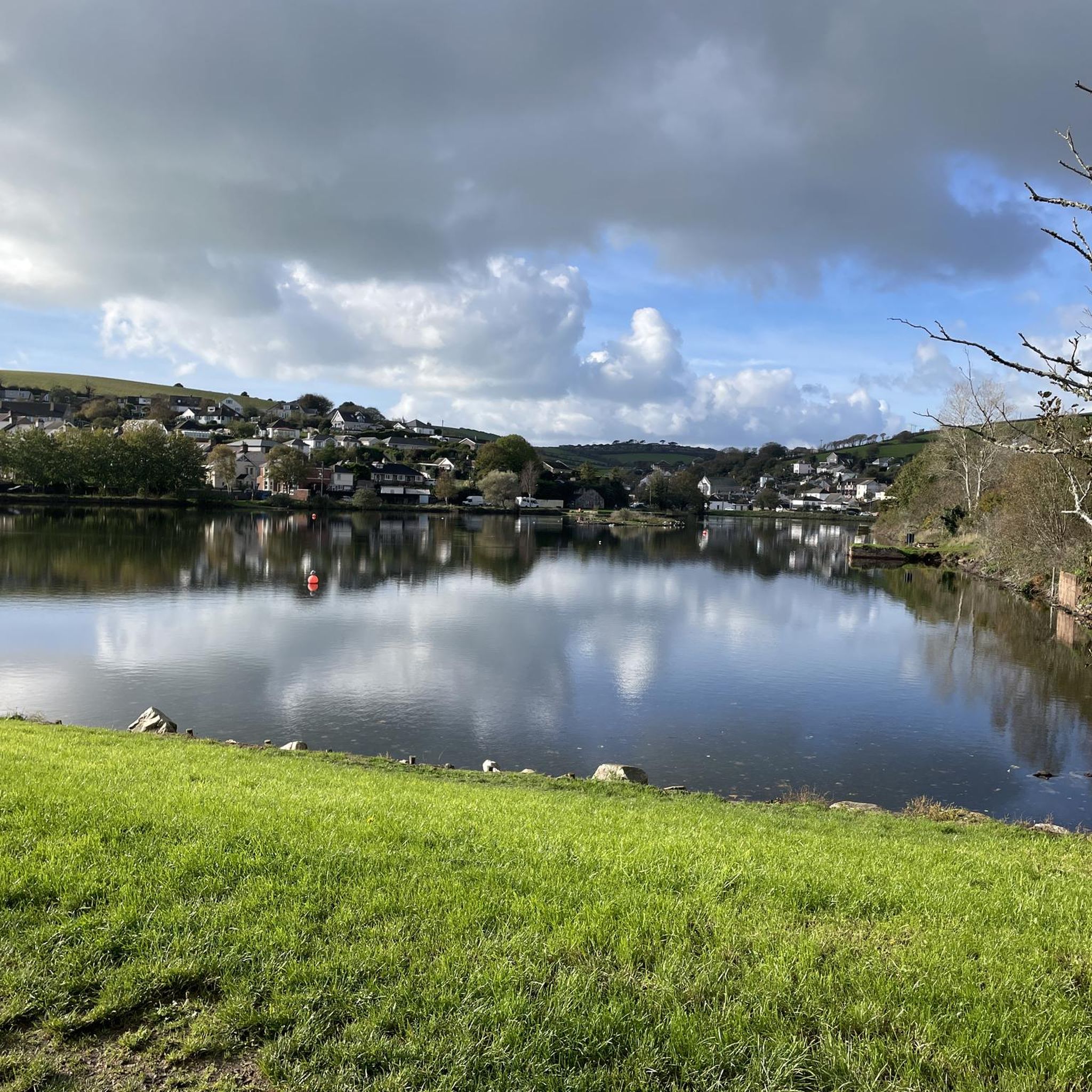
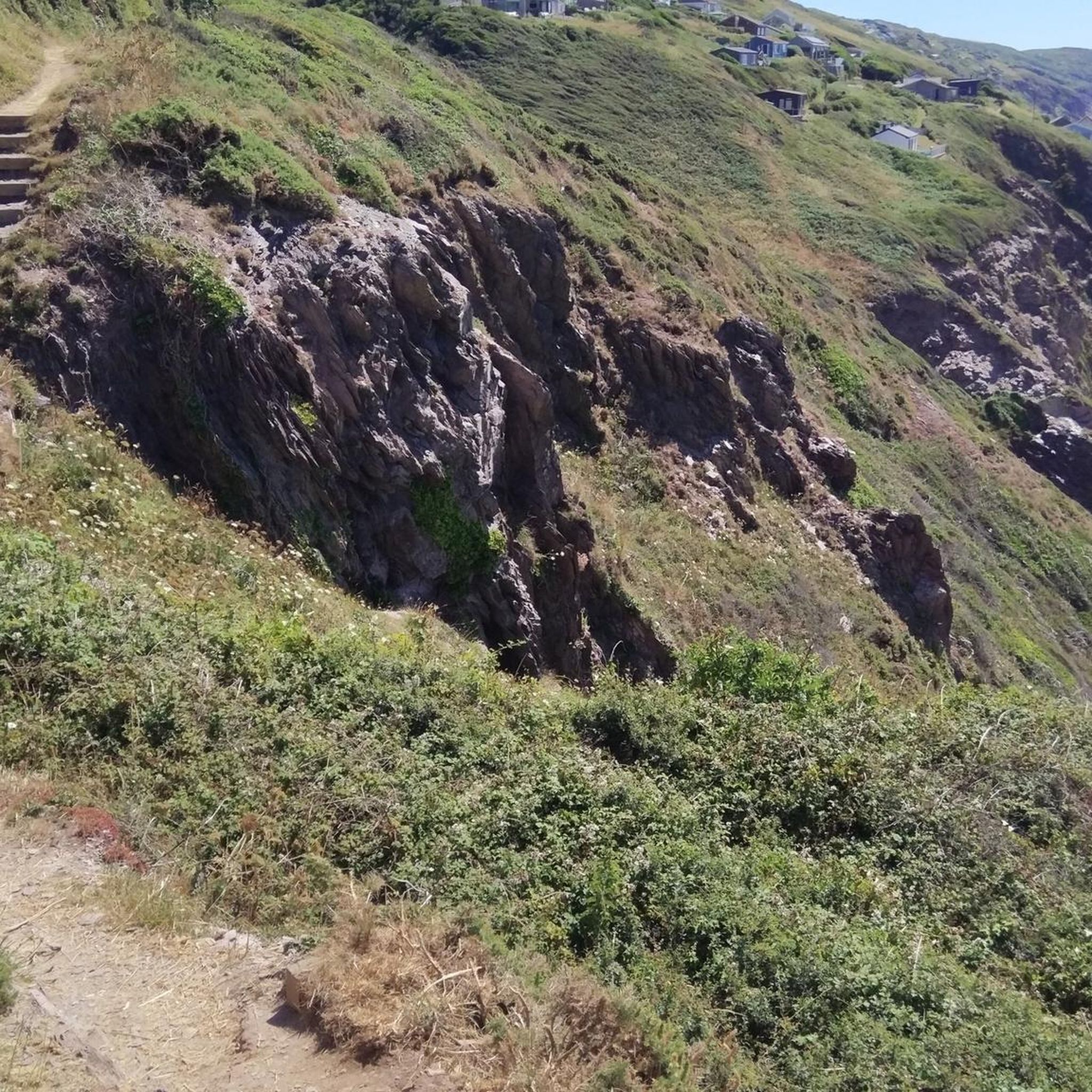
Freathy is a beach and coastal settlement on the Rame Peninsula in east Cornwall. It's discoverable along the South West Coastal Path and can also be accessed by car.
1
0

The Hoe is a large limestone plateau on the edge of which is the citadel. In the park on the Hoe there is a large collection of impressive monuments to the great seafaring nation, including the first circumnavigator Francis Drake, the victory over the Spanish Armada and the two World Wars. Built in front of the sea is the Tinside seawater outdoor pool in Art Deco style, which is definitely worth looking for, and the huge, freely accessible sea bathing area right next to it with a bit of Lost Place charm.
2
0

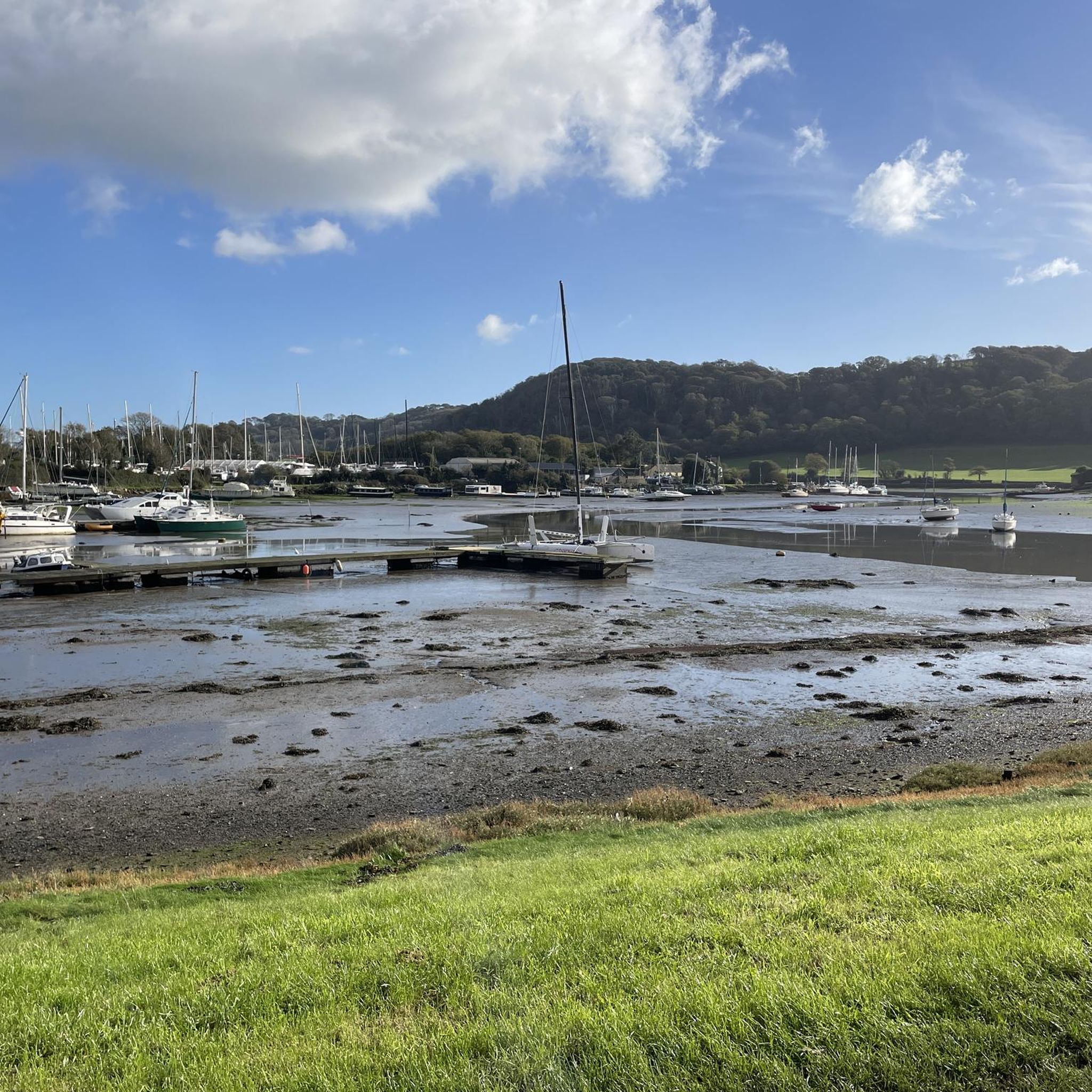
Devil's Point is a location on the eastern side of the mouth of the Tamar River where it meets the English Channel at Plymouth Sound. It is a historic, ecological and geological site with stunning views across the Hamoaze to Mount Edgcumbe in Cornwall and across Plymouth Sound to Drake's Island and beyond. Devil's Point has also played a military role, with a former reservoir supplying the iconic Royal William Yard next door and still visible defenses from the Second World War. You might imagine seeing Darwin's ship, The Beagle, anchoring at Barn Pool in 1837, just before he embarked on his famous circumnavigation of the world, or watching Napoleon pacing the deck of HMS Bellerophon, which sailed in July 1815 at anchor in the Sound before being exiled to St. Helena.
3
0

Mount Edgcumbe House was built in the mid 1500's and this country park was the estate and gardens. The estate was sold to the Plymouth City Council in 1988 and has been open to the public ever since. While walking here you will see the landscaped parkland of a country house, views across the Plymouth Sound to the naval base and breakwater, a Bronze Age burial mound, the 15th century church and several military installations designed to defend the important port.
0
0

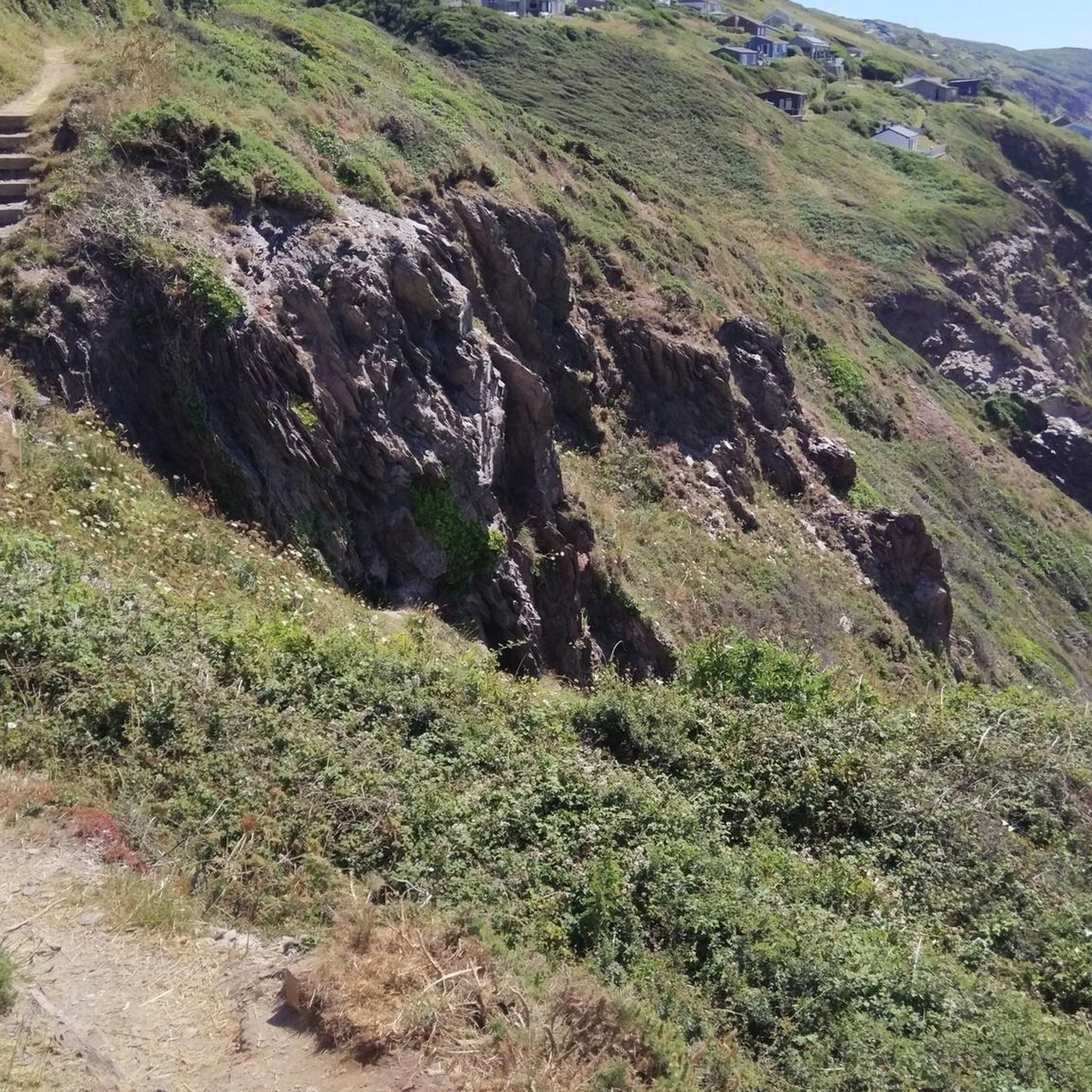
Penlee Point is a coastal headland situated at the entrance to Plymouth Sound. From the point, you get spectacular views across Plymouth and beyond. Above Penlee Point and a little below the Coast Path is Queen Adelaide's Grotto, which was built in 1827-28 to mark the visit of King William IV and Queen Adelaide to Mount Edgcumbe.
2
0


The Hoe is really the heart of Plymouth; a huge greenspace with dramatic memorials, Smeaton's Tower and unrivalled views. In summer, the grass is covered with people having picnics, throwing frisbees and admiring the fantastic panorama of Plymouth Sound. It's a wonderful place to watch the boats and come for a walk.
2
0

Frequently Asked Questions
What are the most popular natural monuments to visit in St. John?
St. John is renowned for its natural beauty, with many popular spots within the Virgin Islands National Park. Some of the most celebrated natural monuments include Plymouth Hoe, known for its expansive greenspace and views, and View of Plymouth Sound, Drake's Island, and Mount Edgcumbe from Devil's Point, offering historical context and panoramic vistas. Visitors also highly appreciate Sharrow Beach (Freathy) for its serene coastal experience.
Are there family-friendly natural monuments in St. John?
Yes, St. John offers several natural monuments suitable for families. Plymouth Hoe is a large greenspace perfect for picnics and leisurely walks, while the View of Plymouth Sound, Drake's Island, and Mount Edgcumbe from Devil's Point provides an engaging historical and scenic outing. Maho Bay, mentioned in the region research, is also excellent for families due to its calm, shallow waters and sea turtle sightings, though it is not a specific highlight in the provided data.
What kind of terrain and natural features can I expect at St. John's natural monuments?
The natural monuments around St. John feature diverse terrain, including coastal areas, lush forests, and elevated viewpoints. You can expect sandy beaches, rocky headlands, and areas offering panoramic views of the surrounding waters and islands. The region is characterized by its protected status within the Virgin Islands National Park, ensuring a rich variety of ecosystems.
What outdoor activities can I do near these natural monuments?
Near the natural monuments, you can enjoy a variety of outdoor activities. Hiking is very popular, with routes like the 'Rame Head – Cawsand and Kingsand Beaches loop' or the 'Whitsand Bay – St Michael's Chapel, Rame Head loop'. For running, trails such as the 'Wooded Track – Wooden Gate with View of River loop' are available. Road cycling enthusiasts can explore routes like the 'Tregantle Fort – Millbrook Old Cemetery loop'. You can find more details on these activities in the Hiking around St. John, Running Trails around St. John, and Road Cycling Routes around St. John guides.
Are there any historical sites among the natural monuments?
Yes, several natural monuments in St. John also hold historical significance. View of Plymouth Sound, Drake's Island, and Mount Edgcumbe from Devil's Point is a historical site with military relevance and views across significant waterways. Penlee Point, a coastal headland, features Queen Adelaide's Grotto, built in the 19th century. Additionally, the Reef Bay Trail (mentioned in region research) leads to ancient Taino petroglyphs and sugar mill ruins, blending nature with history.
What is the best time to visit St. John's natural monuments?
The best time to visit St. John's natural monuments is generally during the dry season, from December to May, when the weather is cooler and less humid, with lower chances of rain. This period offers ideal conditions for hiking, beach activities, and exploring the viewpoints. However, the island's tropical climate makes it a year-round destination, with lush greenery during the wetter months.
Can I bring my dog to the natural monuments?
Some natural monuments are dog-friendly. For example, Plymouth Hoe and Sharrow Beach (Freathy) are noted as dog-friendly. However, it's always advisable to check specific regulations for each location, especially within the Virgin Islands National Park, as rules can vary for protected areas.
What marine life can I expect to see while exploring the coastal natural monuments?
The coastal natural monuments and surrounding waters of St. John are teeming with marine life. Snorkelers and divers frequently encounter sea turtles, angelfish, parrotfish, and blue tangs, especially in areas like Maho Bay. The vibrant coral reefs, which are natural monuments themselves, host a diverse array of fish and other creatures, including barracuda and tarpons near rock outcroppings.
Are there any hidden natural gems or less-known spots worth exploring?
While many spots are well-known, St. John still offers less-trafficked natural gems. The Yawzi Point Trail, for instance, leads to hidden coves and secluded beaches, showcasing untouched beauty. The Tektite Trail takes you through a unique dry forest landscape to Beehive Cove, offering opportunities to spot native seabirds and barrel cactus, providing a different ecological experience.
What do visitors enjoy most about the natural monuments in St. John?
Visitors consistently praise the stunning panoramic views, the pristine beaches, and the rich historical context found within St. John's natural monuments. The opportunity for close encounters with marine life while snorkeling, the tranquility of secluded bays, and the blend of nature and history on trails like the Reef Bay Trail are frequently highlighted as favorite aspects. The overall preservation of the island's natural environment within the Virgin Islands National Park is also highly valued.
Are there opportunities for camping near the natural monuments?
Yes, for those looking to extend their stay amidst nature, Cinnamon Bay (mentioned in region research) offers options for camping. This allows visitors to immerse themselves fully in the natural surroundings and enjoy the longest white sand beach on St. John.
What are the best natural monuments for scenic views?
For breathtaking scenic views, several natural monuments stand out. Plymouth Hoe offers unrivalled views of Plymouth Sound. The View of Plymouth Sound, Drake's Island, and Mount Edgcumbe from Devil's Point provides stunning vistas across the Hamoaze. Additionally, the Ram Head Trail (mentioned in region research) culminates in spectacular views from the top of Ram Head, and the Johnny Horn Trail offers panoramic views of St. John's coastline and neighboring islands.
Most popular routes around St. John
Most popular attractions around St. John

Get inspired with the komoot mobile app


Explore more
Extend your search for the best caves by checking out these guides of the top ones around St. John:
