Top 19 Natural Monuments around Marazion
Best natural monuments around Marazion include a diverse range of geological formations and ecologically significant sites. The area features a tidal island, granite outcrops, and extensive wetlands, showcasing Cornwall's unique natural heritage. These sites offer insights into the region's geology, history, and biodiversity. Marazion's natural landscape provides varied opportunities for exploration and observation.
Best natural monuments around Marazion
- The most popular natural monument is St Michael's Mount, a tidal island primarily composed of granite. This iconic site is connected…
Last updated: July 1, 2026
St Michael's Mount
Highlight • Castle
Tip by

Man's Head Rock Formation
Highlight • Natural Monument
Tip by

Sign up now to discover places like this
Get recommendations on the best single tracks, peaks, & plenty of other exciting outdoor places.
Sign up for free
Men-an-Tol Stone Circle
Highlight • Monument
Translated by Google •
Tip by

Lanyon Quoit
Highlight • Natural Monument
Tip by

Mên-an-Tol
Highlight • Historical Site
Translated by Google •
Tip by

Sign up for free to discover even more natural monuments around Marazion.
Sign up for free
Already have an account?
Start today with a free account
Your next adventure awaits.
Login or Signup
Popular around Marazion
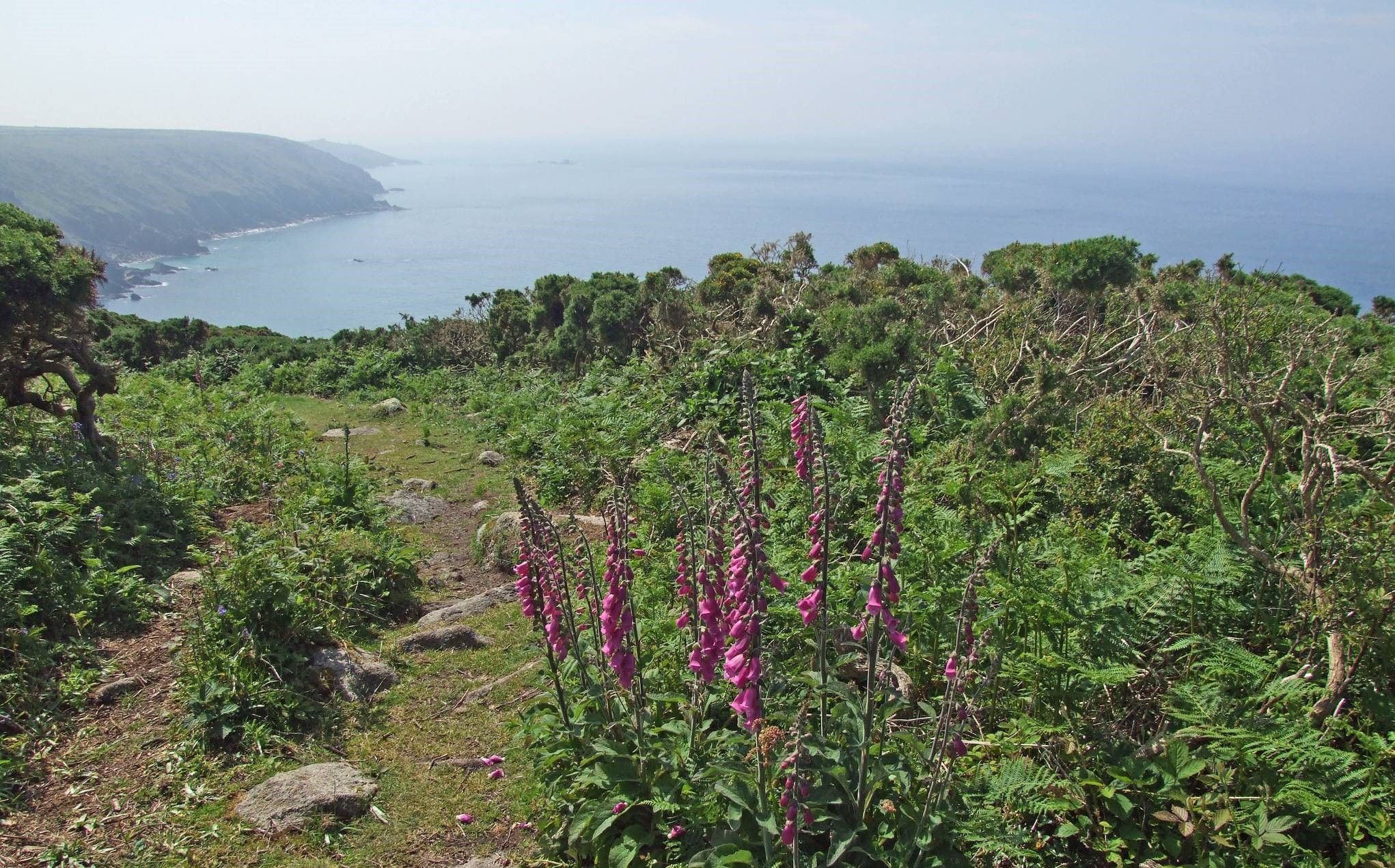
South West Coast Path — Part 2 — Conquer Britain's longest trail
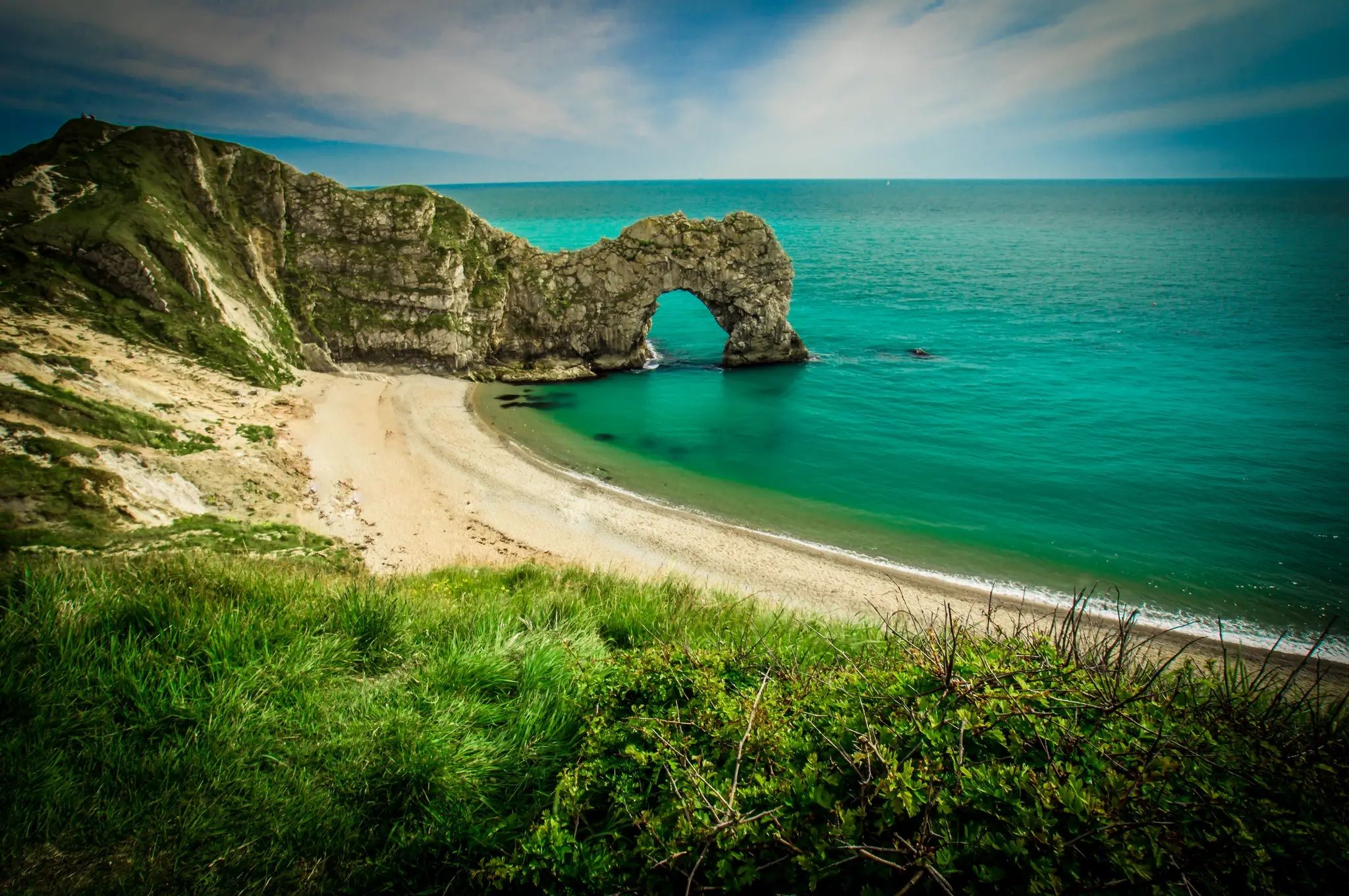
South West Coast Path — Explore Britain's longest trail
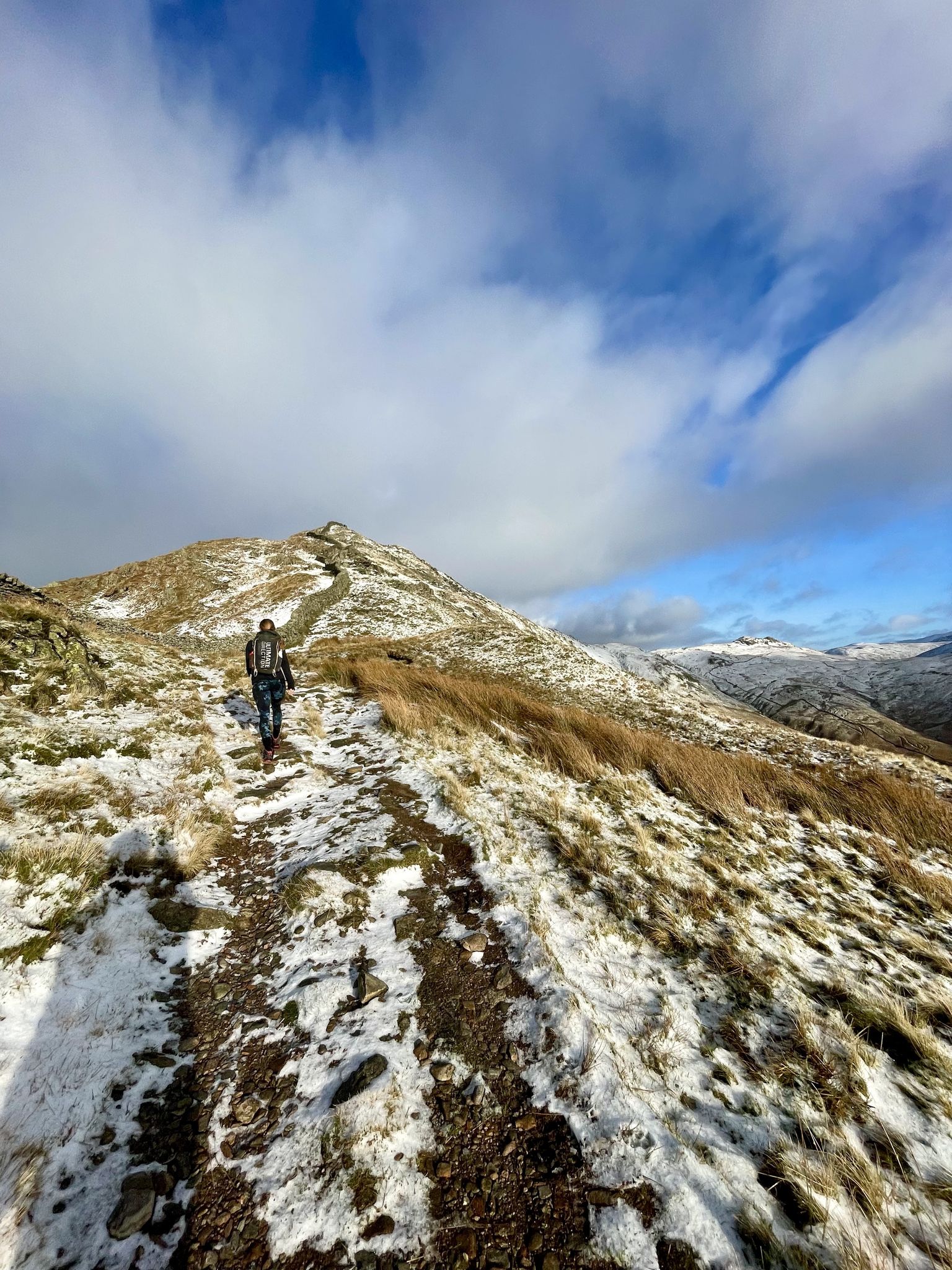
Walk Britain – 90 car-free adventures in England, Wales and Scotland
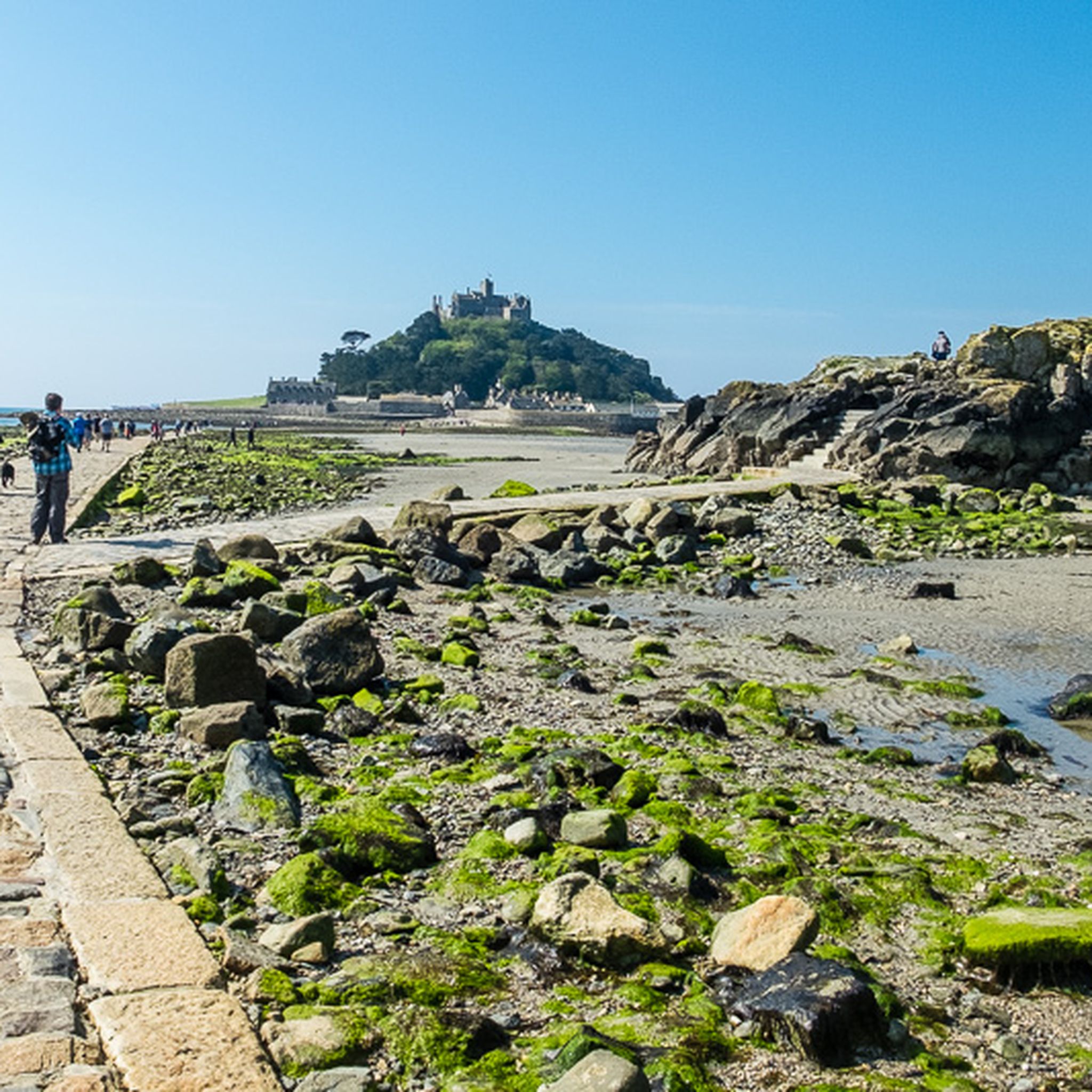
Hiking around Marazion
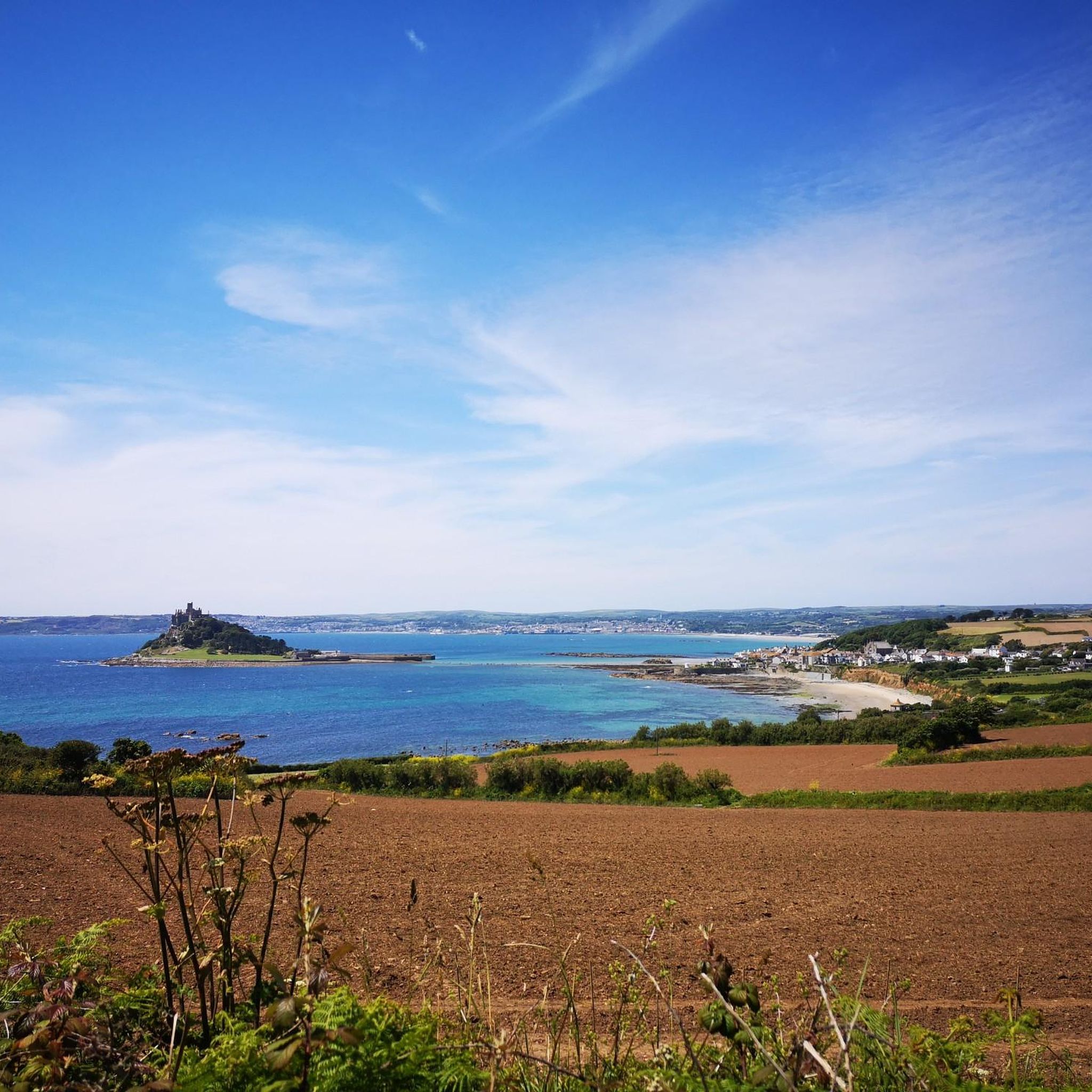
Road Cycling Routes around Marazion
Cycling around Marazion
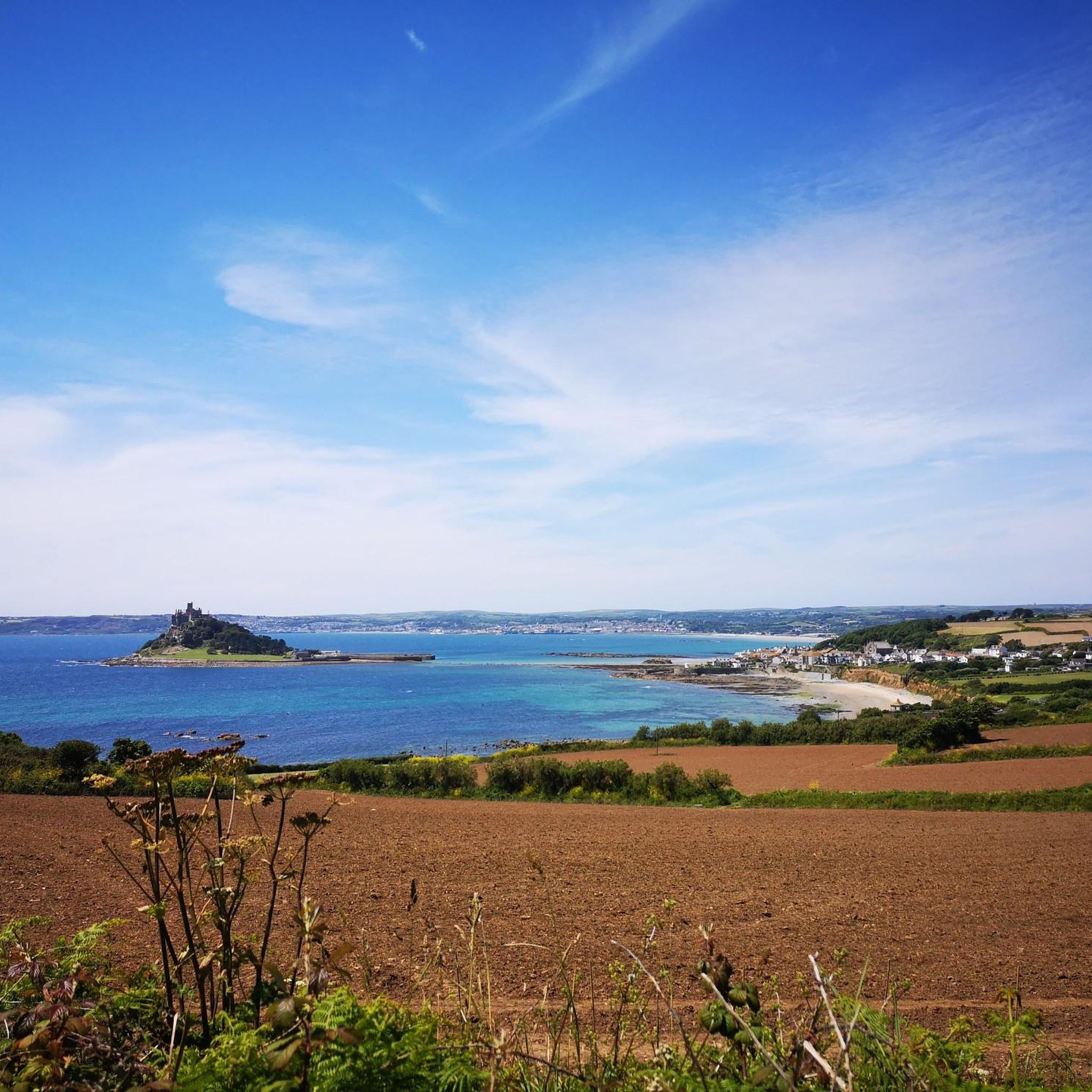
Running Trails around Marazion
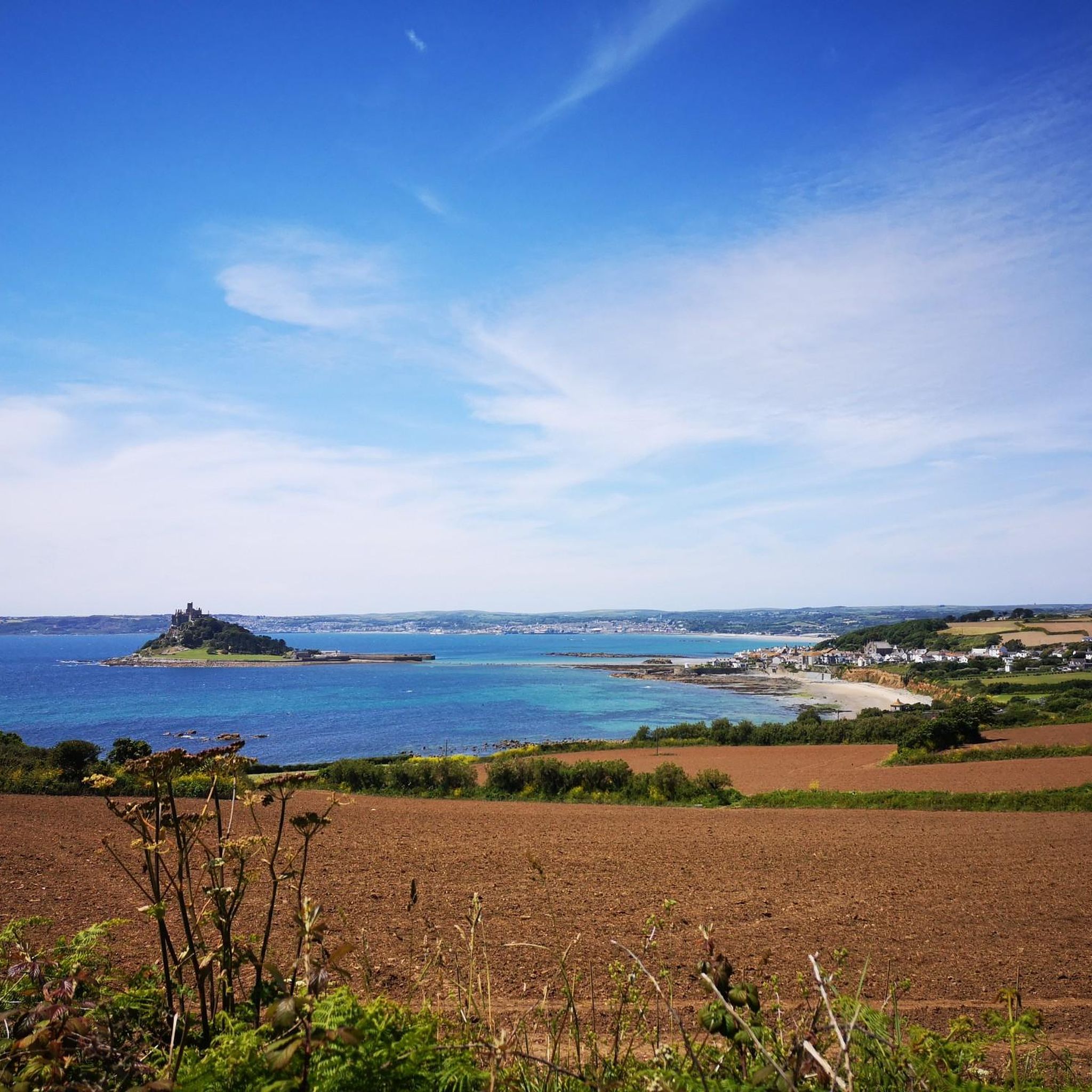
MTB Trails around Marazion
Other adventures around Marazion


Tips from the Community

The "Hole Stone", granite blocks that were erected about 3,000 - 4,000 years ago.
0
0

Lanyon Quoit is a Neolithic dolmen. That said, it collapsed in a storm in 1815 and was re-erected nine years later, it is thought that it is now different from its original appearance. The granite capstone weighs more than 12 tons. The quoit stands at the north end of a long barrow, but the barrow has been damaged and is often overgrown and difficult to see.
0
0

The quoitiest quoit in quiotsville this beautiful quoit sits in a field adjacent to the road with a small stile to access. Great views all around
0
0

Lanyon Quoit is one of Cornwall's best known prehistoric monuments and stands just east of the road from Trevowhan to Madron. Originally built in the neolithic period (3500-2500 BCE), the quoit would have been made up of 4 upright stones. Sadly, due to storm damage, it had to be re-erected in the 19th century and now consists of three granite pillars (1.5m in height) which support a large slab capstone.
0
0

Mên-an-Tol is Cornish language and means hole stone. A special megalithic formation about 1 km of hiking trail off the road.
0
0

The age of this megalithic formation is estimated to be between 3,000 and 4,000 years. There are several legends surrounding this cultural site. For one thing, women can become pregnant if they crawl through the "Devil's Eye" - the hole stone - seven times during a full moon. On the other hand, children are protected from illnesses when they are passed through the hole. Well, no matter what faith you follow, the site is a fascinating place. This site can be visited at any time of the day or night - but one should not be disappointed by the "size" of the site. Although the megaliths appear huge in photos, in reality they are only between 1 m and 1.5 m high.
0
0

A visit to St Michael's Mount is well worth it, even if the entrance fee is a hefty £26.00 for the castle and gardens (2023). You have to make the necessary time for it. Avoid the weekends because then it is very busy!
10
1
Frequently Asked Questions
What unique geological features can be found among Marazion's natural monuments?
Marazion boasts a variety of geological wonders. St Michael's Mount is primarily composed of granite, showcasing a well-developed sheeted greisen vein system and minerals like tin and tungsten. You can also find distinctive granite outcrops like Chapel Rock on Marazion Beach, and the intriguing Man's Head Rock Formation, which resembles a man's head from the sea.
Where can I experience diverse wildlife and ecosystems in Marazion?
For wildlife enthusiasts, Marazion Marsh is an important wetland environment and a Site of Special Scientific Interest (SSSI). It is Cornwall's largest reedbed, supporting over 250 bird species, 500 plant species, and numerous insects and mammals. It's particularly significant as a wintering site for Bitterns and a stopover for the Aquatic Warbler. Spectacular starling murmurations can sometimes be witnessed between October and December.
Are there any ancient historical or cultural natural monuments in Marazion?
Yes, Marazion is home to several ancient sites. Mên-an-Tol is a megalithic formation estimated to be between 3,000 and 4,000 years old, featuring a distinctive hole stone central to local legends. Another significant prehistoric monument is Lanyon Quoit, originally built in the Neolithic period, consisting of three granite pillars supporting a large capstone.
What natural coastal features are there to explore in Marazion?
Marazion Beach offers a long, sandy expanse with stunning views of St Michael's Mount. At low tide, the shoreline expands dramatically, revealing vast areas of sand and shallow water, perfect for walking and exploring rock pools. Chapel Rock, a distinctive granite outcrop on the beach, also reveals rock pools at low tide, making it an interesting spot for marine life observation.
Are there family-friendly natural attractions in Marazion?
Marazion offers several family-friendly natural attractions. Marazion Beach is ideal for swimming in its shallow, clear waters, and exploring rock pools around Chapel Rock. The walk across the causeway to St Michael's Mount at low tide is a memorable experience for all ages. The Man's Head Rock Formation also provides an interesting geological feature for families to discover.
What is the best time to visit Marazion's natural monuments?
The best time to visit depends on your interests. For walking the causeway to St Michael's Mount, you'll need to check tide times, as it's only passable for about four hours a day around low tide. Spring and autumn offer pleasant weather for exploring and fewer crowds. For birdwatching at Marazion Marsh, autumn and winter are particularly good for spotting migratory species like Bitterns and witnessing starling murmurations.
What outdoor activities can I do near Marazion's natural monuments?
The area around Marazion offers various outdoor activities. You can enjoy cycling with routes like the 'Mount's Bay Cycle Path' or longer loops around the region. There are also options for gravel biking and road cycling. For more details on routes and their difficulty, you can explore the Cycling around Marazion, Gravel biking around Marazion, and Road Cycling Routes around Marazion guides.
What do visitors enjoy most about Marazion's natural monuments?
Visitors frequently praise the dramatic conical shape and rich history of St Michael's Mount, especially the unique experience of walking the causeway at low tide. The panoramic views over Mount's Bay are also a significant draw. The quirky geology of formations like Man's Head Rock Formation and the ancient mystery surrounding Mên-an-Tol are also highly appreciated.
Are there any specific considerations for visiting St Michael's Mount?
When visiting St Michael's Mount, be aware that the causeway is only accessible at low tide, typically for about four hours a day. At high tide, a boat service operates. Entry to the castle and gardens requires a fee. It's advisable to check tide times and potentially book tickets in advance, especially during peak season, to avoid long queues. Parking in Marazion is available, with charges for a full day.
What activities are popular on Marazion Beach?
Marazion Beach is popular for a range of activities. Its shallow, clear waters make it excellent for swimming. It's also a favored spot for various watersports, including paddleboarding, windsurfing, and kitesurfing. At low tide, the vast sandy expanse is perfect for long walks, and the exposed rock pools around Chapel Rock offer opportunities for exploring marine life.
How can I reach Marazion's natural sites using public transport?
Marazion is well-connected by local bus services from nearby towns like Penzance. These services often stop close to Marazion Beach and the causeway to St Michael's Mount. For specific routes and schedules, it's best to consult local transport providers or resources like Visit Cornwall for up-to-date information.
What should I wear when exploring natural sites in Marazion?
When exploring Marazion's natural sites, comfortable walking shoes are essential, especially if you plan to walk the causeway to St Michael's Mount or explore the beach and marsh. Layers of clothing are recommended as coastal weather can change quickly. A waterproof jacket is advisable, and sun protection is important during sunny periods.
Most popular routes around Marazion
Most popular attractions around Marazion

Get inspired with the komoot mobile app


Explore more
Extend your search for the best caves by checking out these guides of the top ones around Marazion:
