Top 10 Natural Monuments around Constantine
Best natural monuments around Constantine feature a diverse coastal landscape in Cornwall. This region is characterized by its unique geological formations, historical coastal sites, and lush natural areas. Visitors can explore a variety of natural features, including freshwater lakes, shingle beaches, and dramatic headlands. The area provides opportunities to experience Cornwall's natural beauty and rich heritage.
Best natural monuments around Constantine
- The most popular natural monuments is The Loe and Loe Bar, a lake that combines views of the…
Last updated: July 1, 2026
The Loe and Loe Bar
Highlight • Lake
Translated by Google •
Tip by

Coverack Harbour
Highlight • Settlement
Tip by

Sign up now to discover places like this
Get recommendations on the best single tracks, peaks, & plenty of other exciting outdoor places.
Sign up for free
Lowland Point
Highlight • Historical Site
Tip by
Pendennis Point
Highlight • Castle
The name comes the Cornish Pen (Headland) and Dynas (Castle).
Dolphins and …
Tip by

Trebah Garden
Highlight • Natural
Translated by Google •
Tip by

Sign up for free to discover even more natural monuments around Constantine.
Sign up for free
Already have an account?
Start today with a free account
Your next adventure awaits.
Login or Signup

Tips from the Community

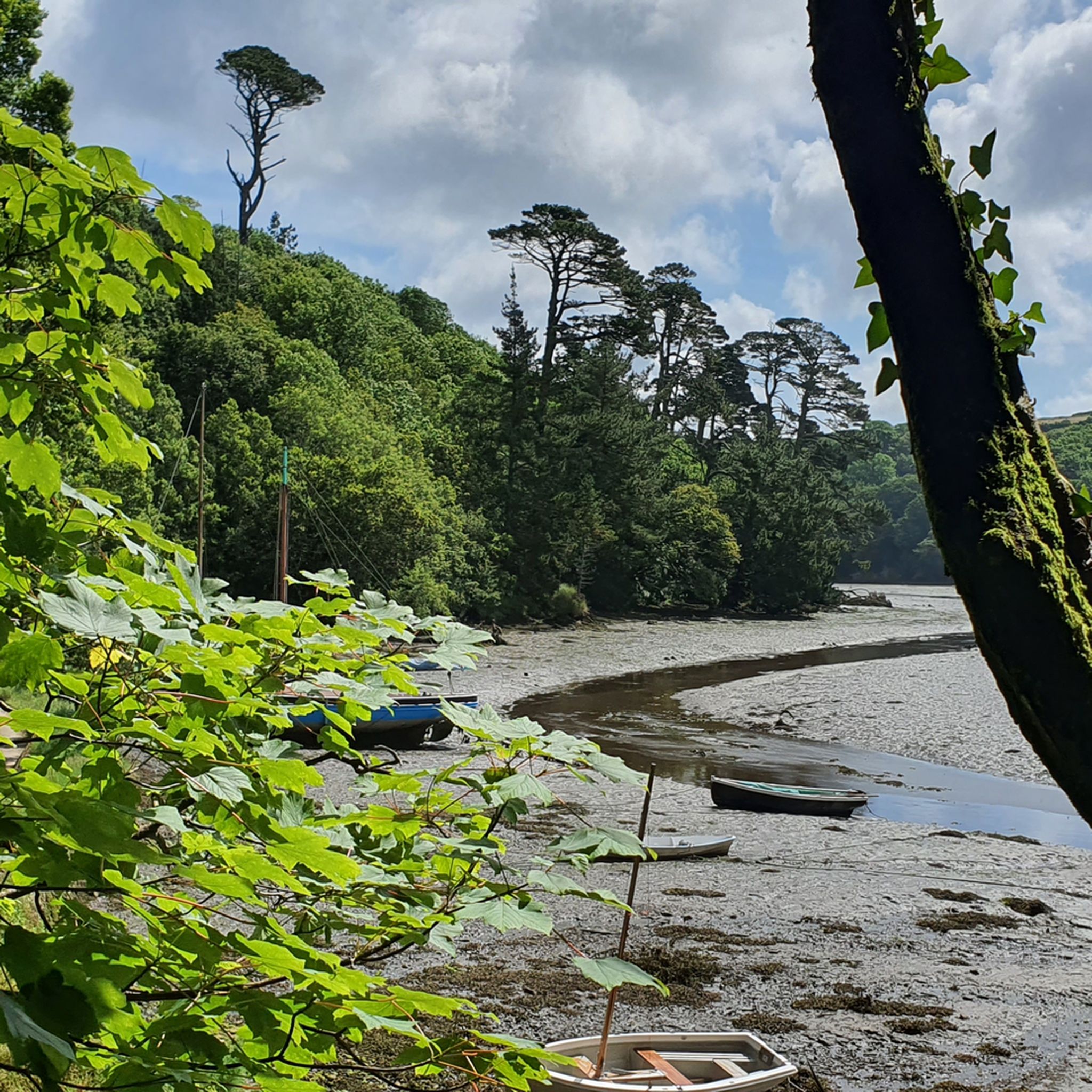
Beautiful gardens which extend to a small beach.
0
0

In prehistoric times when the sea was higher, this was a beach. Look north east from here and you can see the manacles, a hidden granite reef which has been the cause of hundreds of shipwrecks.
0
0

This is a nice combination. From Loe Baar you have a view of the sea on one side and a view of a freshwater lake on the other. This allows you to walk completely around the lake.
12
0
Loe Bar was originally the mouth of the River Cober which led to a harbor at Helston. However, by the 13th century the bar had cut Helston off from the sea and formed the lake. Loe Bar consists largely of chert deposits, although it is not certain where this comes from as the nearest source is more than 200 kilometers away. There is also a reasonable amount of sand. (Cornwall Beaches)
13
1

The monument includes a complex multi-period archaeological landscape of settlements, field systems and various manufacturing sites, situated on a wide band of sloping coastal cliffs between Lowland Point and Coverack. The archaeological remains survive as extensive standing rectilinear fields and enclosures; stone hut circles and other settlement sites; and their associated buried deposits and features which range in date from the Mesolithic to the early medieval periods. There have been numerous partial excavations, mainly from the first half of the 20th century, which have provided considerable information about the site. Chronologically, the earliest evidence for use of the area is a Mesolithic flint working site on a platform on the southwestern side of Carrick Crane Rocks. Excavated in 1933, it produced around 650 worked flints and some Iron Age pottery. Several chance finds of Neolithic pottery have been made, hinting at the occupation of the area during this period. Several of the hut circles, at least one of which had an annexe, have also been excavated with recorded finds from these including pottery (Bronze Age to Iron Age), stone rubbers and an iron blade. The settlements were associated with an extensive field system of rectilinear fields and enclosures covering over 4 hectares. A Romano-British salt working site of the 2nd century AD was also identified. Here salt was evaporated from sea water in two rectangular, superimposed stone-built ovens housed in an oval building and connected with a field system which extended for over a hectare. Large quantities of pottery were recovered from the salt works and its walls, as excavated, stand up to 1m high. An early medieval settlement of two dwellings with associated irregular enclosures was also excavated and found to contain an assemblage of at least 60 vessels from 500 - 900 AD, the majority of which came from one building identified as the site of a kiln. The various excavators, surveyors and specialists included: OP Serocold, G Maynard, FM Patchett, DPS Peacock, J Manehip White, V Favell, C Thomas, and H Quinnell. Further extensive archaeological remains survive in the vicinity and are not currently included in the scheduling because they have not been formally assessed. Sources: HER:- PastScape Monument No:-426434, 426440, 426449, 426452, 426443 and 426521,
0
0
You will find food and drink in Coverack. it is a pleasant place to relax.
8
0
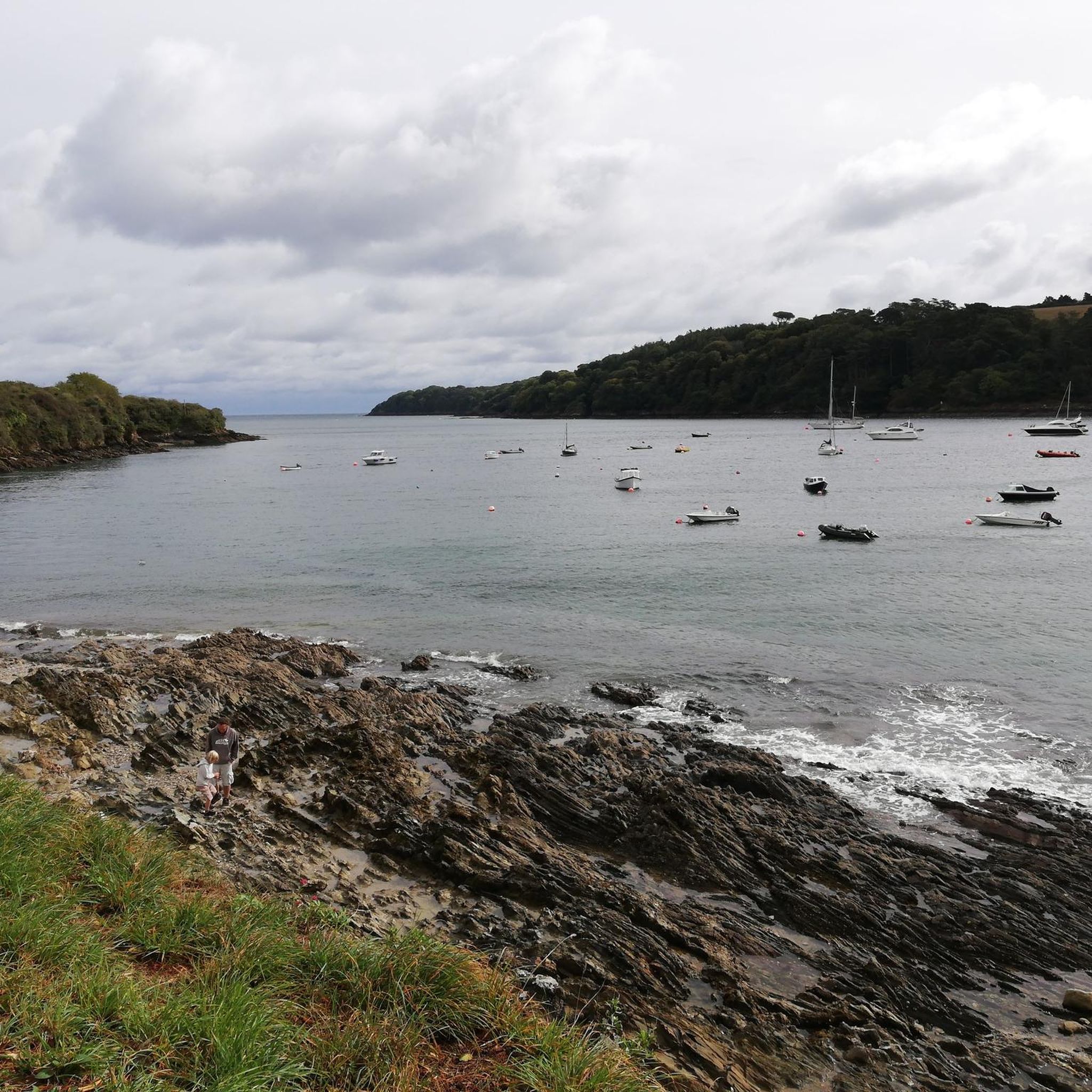
Coverack is a pleasant fishing village with a fishing harbor and sandy beach. At the moment (2022) the beach is being worked on so that it is only partially accessible.
7
0
This is a very picturesque part of Coverack, pleasant to walk through.
7
0
Frequently Asked Questions
What are some of the most unique natural monuments to visit around Constantine?
Constantine, Cornwall, offers a diverse range of natural monuments. One unique spot is The Loe and Loe Bar, Cornwall's largest natural freshwater lake separated from the sea by a shingle bank. Another is Lowland Point, which features a remarkably complex archaeological landscape with a raised beach from prehistoric times and coastal cliffs.
Are there family-friendly natural monuments around Constantine?
Yes, several natural monuments around Constantine are great for families. Coverack Harbour is a traditional fishing village with a stunning beach, perfect for a relaxing day. Pendennis Point offers beautiful coastal views and is home to Pendennis Castle, a 16th-century fort. Additionally, Trebah Garden is a subtropical garden extending to a small beach, providing a lush and engaging experience for all ages.
What kind of outdoor activities can I do near the natural monuments in Constantine?
The area around Constantine is excellent for various outdoor activities. You can find numerous hiking trails, including moderate routes like the 'Dennis Head, Gillan Creek & Penarvon Cove loop'. There are also running trails, such as the 'Helford Passage – Durgan Hamlet and Beach loop', and MTB trails, like the 'Poldice Valley, Carn Marth and South Wheal Frances loop'.
Where can I find historical sites among the natural monuments?
For a blend of history and nature, visit Lowland Point, which features an extensive archaeological landscape with settlements and field systems dating from the Mesolithic to the early medieval period. Pendennis Point is another excellent choice, where the 16th-century Pendennis Castle stands guard over the Carrick Roads estuary, offering both historical insight and stunning views.
What kind of natural features can I expect to see around Constantine?
Constantine is known for its diverse coastal features. You can explore large natural freshwater lakes like The Loe, dramatic shingle beaches, and rugged coastal cliffs at locations such as Lowland Point. The region also boasts lush subtropical gardens like Trebah Garden, offering a variety of flora and scenic viewpoints.
Are there any natural monuments with good viewpoints for photography?
Absolutely. The Loe and Loe Bar offers unique views where you can see the sea on one side and a large freshwater lake on the other. Pendennis Point provides beautiful panoramic views of the coast and the Falmouth Estuary. Even Trebah Garden offers picturesque viewpoints within its lush subtropical landscape.
What do visitors enjoy most about the natural monuments around Constantine?
Visitors frequently appreciate the unique combination of natural beauty and historical significance. The dramatic coastal landscapes, the tranquility of freshwater lakes, and the charm of traditional fishing villages like Coverack Harbour are often highlighted. The opportunity to spot wildlife like dolphins and basking sharks at places like Pendennis Point also adds to the appeal.
Can I find beaches near the natural monuments?
Yes, several natural monuments are directly associated with beaches. The Loe and Loe Bar features a significant shingle beach separating the lake from the sea. Coverack Harbour boasts a stunning beach within its traditional fishing village setting. Additionally, Trebah Garden extends down to its own small, private beach.
Are there any natural monuments where I might see wildlife?
Yes, Pendennis Point is known for wildlife sightings, with dolphins and basking sharks occasionally spotted from its shores. Seals are also frequent visitors to the area. The diverse ecosystems of the region's natural monuments provide habitats for various bird species and marine life.
What is the best time to visit the natural monuments around Constantine?
The natural monuments around Constantine can be enjoyed year-round, but spring and summer offer the mildest weather for exploring coastal paths and gardens. These seasons are ideal for hiking, enjoying the beaches, and experiencing the lush flora of places like Trebah Garden. Autumn can also be beautiful with changing foliage, while winter offers a more rugged and dramatic coastal experience.
Are there any natural monuments that are particularly good for a leisurely stroll?
For a leisurely stroll, Coverack Harbour offers a pleasant walk around the village and along its beach. Trebah Garden provides beautifully maintained paths through subtropical plants, leading down to a secluded beach, perfect for a relaxed exploration.
What makes The Loe and Loe Bar a significant natural monument?
The Loe and Loe Bar is significant because it is Cornwall's largest natural freshwater lake, uniquely separated from the sea by a dynamic shingle bank. This geological formation has a rich history, having once been the mouth of the River Cober, which connected Helston to the sea before the bar formed. It offers a rare landscape where freshwater and saltwater environments meet dramatically.
Most popular routes around Constantine
Most popular attractions around Constantine

Get inspired with the komoot mobile app


Explore more
Extend your search for the best caves by checking out these guides of the top ones around Constantine:
