Top 13 Natural Monuments around Lanner
Best natural monuments around Lanner are found within the diverse Cornish landscape, offering a range of natural attractions. The area features prominent hills, coastal coves, and geological formations. These sites provide opportunities to observe unique rock structures and expansive viewpoints. Lanner's surroundings present a variety of natural features for exploration.
Best natural monuments around Lanner
- The most popular natural monuments is St Agnes Beacon, a viewpoint that offers panoramic views of the surrounding landscape. It is a popular spot…
Last updated: October 4, 2026
Basset's Cove
Highlight • Natural Monument
Translated by Google •
Tip by

Cadjack Cove
Highlight (Segment) • Beach
Translated by Google •
Tip by
Sign up now to discover places like this
Get recommendations on the best single tracks, peaks, & plenty of other exciting outdoor places.
St Agnes Beacon
Highlight • Viewpoint
SH Burton described it beautifully in 1952; 'The view from St Agnes Beacon is breath-taking. The high moorlands, heather and …
Tip by

Mirrose Well Cove
Highlight (Segment) • Viewpoint
Translated by Google •
Tip by
Stone Wall of Regional Rocks
Highlight (Segment) • Structure
Translated by Google •
Tip by
Sign up for free to discover even more natural monuments around Lanner.
Already have an account?
Start today with a free account
Your next adventure awaits.

Tips from the Community

Breathtaking views. Especially when combined with the blooming heather!
0
0


Stunning panoramic views, well worth the hike to the top. SH Burton described it beautifully in 1952; 'The view from St Agnes Beacon is breath-taking. The high moorlands, heather and gorse clad; steep valleys and bubbling streams; the bracing winds and the infinite variety of land and seascape...' Or even better, F W L Stockdale called it ‘a remarkable stupendous mountain’ back in 1824.
1
0

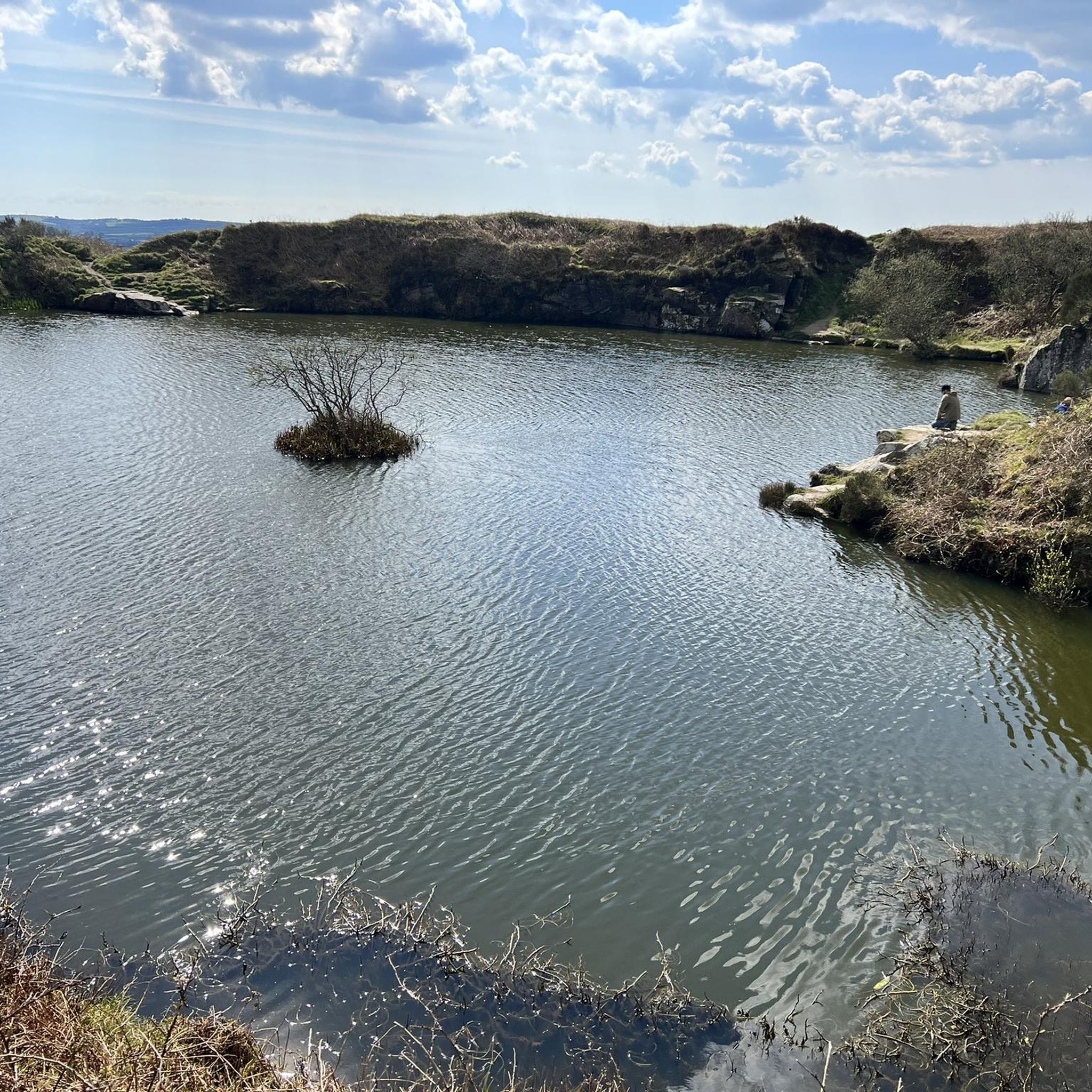
A beautiful spot to stop on a calm day, incredibly windy on a rough day. Plenty of choice of trails for walking or cycling. A special place to stop and admire the surroundings.
0
0

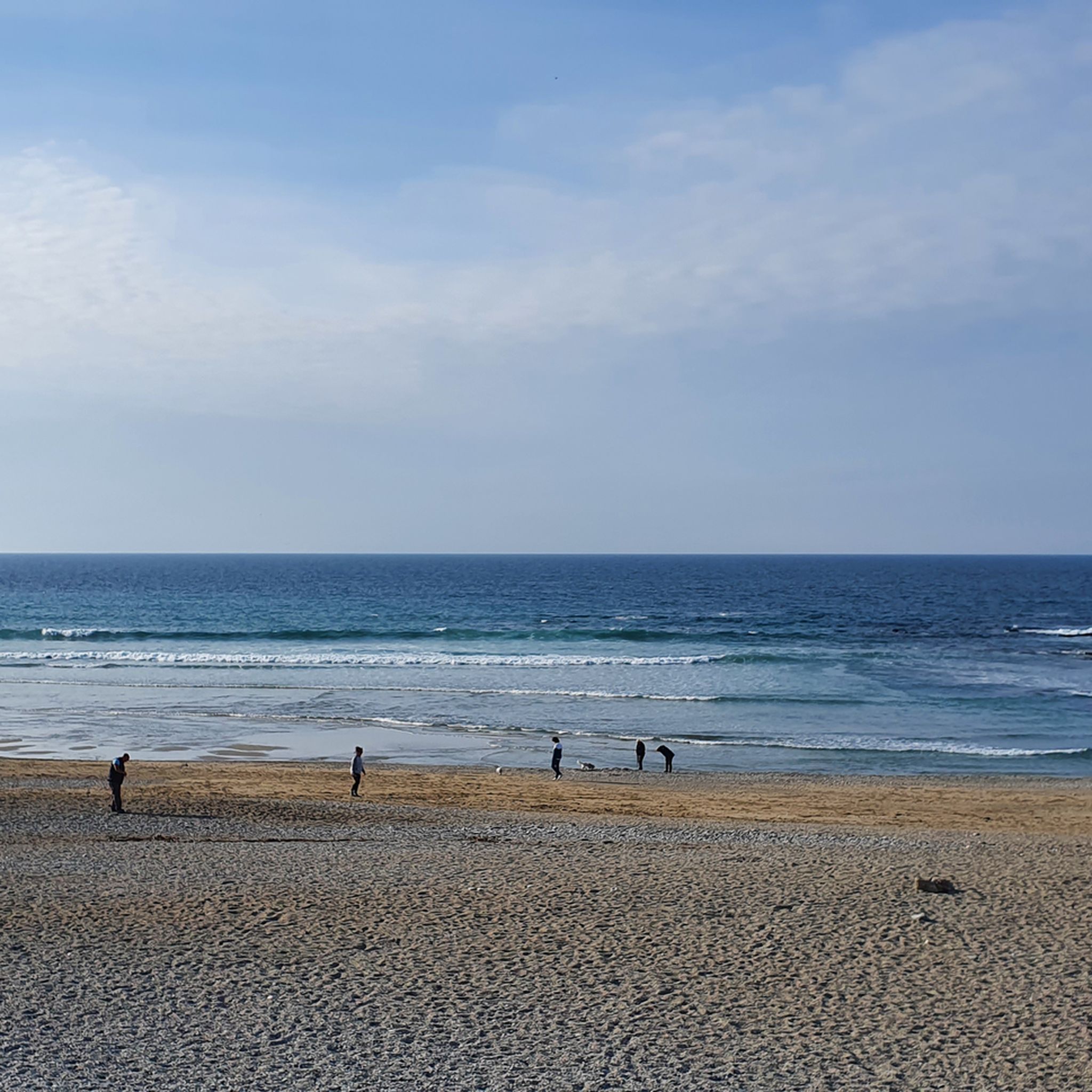
GB: In Cadjack Cove, tectonic features can be seen, such as faults (described in ⑦) and folds, which were formed during the Variscan orogeny as a result of pressure from the south. These folds are formed on different scales and range from a few inches to several hundred feet. In addition, the folds show different openings and curves. Very narrow folds with pointed angles are called kink bands. However, the folds seen in this bay are not the main folds of orogeny but represent folds that are folded in themselves. Another special feature in this bay is the pink to dark red coloring of the rocks. This is caused by iron-rich water that runs down the cliffs. EN: Tectonic phenomena can be seen in Cadjack Cove, such as faults (described in ⑦) and folds, which were formed by pressure from the south during the Variscan Orogeny. These folds are formed at different scales and range from a few centimeters to several meters. The folds also show different openings and curves. Very tight folds with acute angles are called kink bands. However, the folds seen in this bay are not the main folds of the orogeny, but rather represent folds that fold into themselves. Another special feature in this bay is the pink to dark red color of the rocks. This is caused by iron-rich water running down the cliffs.
0
0
The 7.3 km long circular route takes you back to a time when Cornwall was covered by sea and then became a Europe-wide mountain range. The sedimentary rocks of this area around Portreath were deposited in a deep marine environment during the Devonian age (ca. 393 - 373 million years): Greywacken: Gray rock with fine to coarse grains (0.3 - 2 mm; 0.01 - 0.08 inch), consisting of quartz, feldspars and fragments of foreign rocks. In some cases, shiny/shimmering components can be seen (mica), the rocks form layers and banks. Siltstones: Light gray rock with fine grains (<0.063 mm; <0.002 inch) that are not visible to the naked eye. Layers can be recognized based on the color difference. Slate: Gray to black, sometimes slightly red to greenish colored rocks with very fine grains (<0.02 mm, <0.001 inch), the rocks appear foliated with very thin layers, often alternating with greywackes. The originally horizontal sedimentary layers of Cornwall were tectonically overprinted around 323 - 299 million years ago during the Variscan orogeny (mountain formation). During this time, the southern major continent Gondwana collided with the northern major continents Laurentia and Baltica as well as smaller continent fragments (terranes) such as Avalonia and Amorica. The orogeny ended approximately 270 million years ago with the formation of the supercontinent Pangea. Due to the pressure from the south, the sedimentary rocks were compressed, folded and internally transformed under increasing temperatures. This is how slates emerged from the original claystones. There are no deposits in the area for the period between the formation of the Devonian rocks until 3 million years ago. During the Ice Age 3 million years ago, the region of modern-day Cornwall lay in a tundra area south of the glaciers that covered the Northern Hemisphere. Periglacial deposits from this period can be observed on the cliffs.
0
0
GB: In the surrounding area, small walls made of regional rocks, mostly greywackes and clay shales, can be found in several places. The rocks are already described in the geological overview and can be easily distinguished by the following characteristics: Layering/thickness, grain size, sorting, minerals, rock fragments and color. In addition, quartz veins occur in all rocks. These are a form of crystallization of quartz: a hard, transparent to white mineral. EN: In the following area there are small walls made of regional rocks in several places, mostly greywacke and shales. The rocks are already described in the geological overview and can be easily distinguished by the following characteristics: layering/layer thickness, grain size, sorting, minerals, rock fragments and color. In addition, quartz veins occur in all rocks. This is a crystallization form of quartz: a hard, transparent to white mineral.
0
0
Frequently Asked Questions
What are some highly-rated natural monuments to visit near Lanner?
Visitors frequently praise St Agnes Beacon for its stunning panoramic views, offering a rewarding experience after a hike. Another popular spot is Basset's Cove, known for its ancient geological formations and breathtaking coastal scenery, especially when the heather is in bloom.
Are there natural monuments near Lanner that showcase unique geological features?
Yes, Cornwall's geological history is evident in several locations. Cadjack Cove is notable for its visible geological folds and faults, with rocks displaying pink to dark red coloring from iron-rich water. Mirrose Well Cove also presents fascinating deposits with repeated sequences, revealing insights into ancient turbidite formations.
Which natural monuments are suitable for families with children?
St Agnes Beacon is considered family-friendly, offering various trails for walking. Beyond the immediate highlights, Tehidy Country Park is an excellent choice, featuring over 250 acres of woodland with more than 9 miles of paths, a lake, and a café, making it ideal for family outings.
What outdoor activities can I do near the natural monuments around Lanner?
The area around Lanner offers diverse outdoor activities. You can explore numerous running trails, such as the 'Carn Marth Viewpoint – Carn Marth Quarry Pool loop from Lanner', or enjoy hiking routes like the 'Carn Marth Quarry Pool – View of Carn Brea loop from Lanner'. For more options, you can find detailed guides on running trails and hiking around Lanner.
Are there any natural monuments with historical or cultural significance?
While primarily natural, some sites near Lanner also hold historical interest. The Stone Wall of Regional Rocks is a man-made structure showcasing local geological materials. Additionally, Kennall Vale Nature Reserve, though a natural woodland, is dotted with old granite ruins from its past as a gunpowder factory, offering a glimpse into industrial history amidst nature.
Where can I find impressive viewpoints or panoramic vistas?
Carn Marth is a prominent hill near Lanner that provides outstanding views stretching from the north to the south coasts of Cornwall on clear days. It also features a diorama at the summit explaining the panoramic views. St Agnes Beacon is another highly recommended viewpoint, offering stunning vistas of the surrounding landscape.
Which natural monuments are good for wildlife spotting?
The area around Carn Marth is a haven for wildlife, with tadpoles, dragonflies, and butterflies plentiful in spring. Birdwatchers can often spot buzzards, ravens, and stonechats. Tehidy Country Park, with its extensive woodlands and lake, also supports a variety of local fauna.
Are there any natural monuments that are considered 'hidden gems' or less commonly known?
While not entirely hidden, Enys Gardens, said to be the oldest gardens in Cornwall, offers a tranquil experience with its 30 acres of formal gardens, meadows, and woodlands. It's particularly beautiful in spring when the ancient meadow of Parc Lyre is covered in bluebells, offering a serene escape.
What is the best time of year to visit the natural monuments around Lanner?
Spring is an ideal time to visit, especially for places like Enys Gardens when the bluebells are in full bloom. Coastal areas like Basset's Cove are particularly breathtaking when the heather is blooming. Generally, clear days offer the best panoramic views from elevated spots like St Agnes Beacon and Carn Marth.
Are there natural monuments with unique rock formations or coastal features?
Absolutely. The Bedruthan Steps Rock Formations are an iconic stretch of coastline known for its dramatic granite stacks on the beach, which legend says were stepping stones for a giant. On Bodmin Moor, The Cheesewring is a striking naturally formed granite tor, also steeped in local legends.
What do visitors enjoy most about the natural monuments near Lanner?
Visitors consistently highlight the stunning panoramic views, especially from spots like St Agnes Beacon. The geological insights offered by places like Basset's Cove and Cadjack Cove are also highly appreciated. Many enjoy the variety of trails for walking and cycling, and the overall natural beauty and tranquility of the Cornish landscape.
Most popular attractions around Lanner

Get inspired with the komoot mobile app


Explore more
Extend your search for the best caves by checking out these guides of the top ones around Lanner:
