Top 14 Natural Monuments around Carharrack
Best natural monuments around Carharrack offer a landscape shaped by both its mining history and significant geological features. This area in west Cornwall provides opportunities for outdoor exploration amidst its natural settings. The region is characterized by granite intrusions, ancient sedimentary rocks, and coastal formations. Hiking Carharrack Cornwall allows visitors to experience these unique natural features and geology.
Best natural monuments around Carharrack
- The most popular natural monuments is St Agnes Beacon, a viewpoint that offers panoramic views. Its…
Last updated: October 4, 2026
Basset's Cove
Highlight • Natural Monument
Translated by Google •
Tip by

Cadjack Cove
Highlight (Segment) • Beach
Translated by Google •
Tip by
Sign up now to discover places like this
Get recommendations on the best single tracks, peaks, & plenty of other exciting outdoor places.
St Agnes Beacon
Highlight • Viewpoint
SH Burton described it beautifully in 1952; 'The view from St Agnes Beacon is breath-taking. The high moorlands, heather and …
Tip by

Mirrose Well Cove
Highlight (Segment) • Viewpoint
Translated by Google •
Tip by
St Agnes Head
Highlight • Viewpoint
Tip by

Sign up for free to discover even more natural monuments around Carharrack.
Already have an account?
Start today with a free account
Your next adventure awaits.
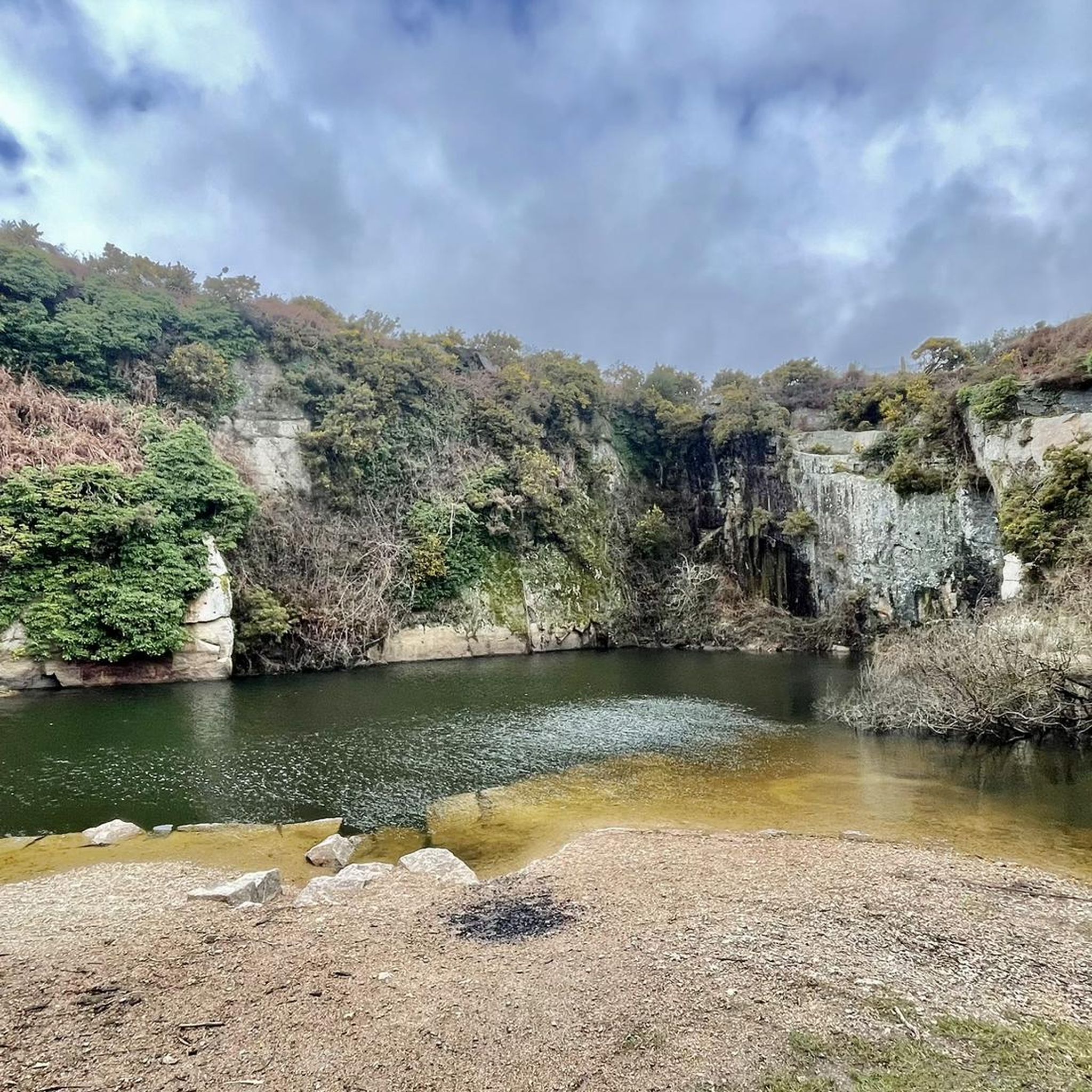
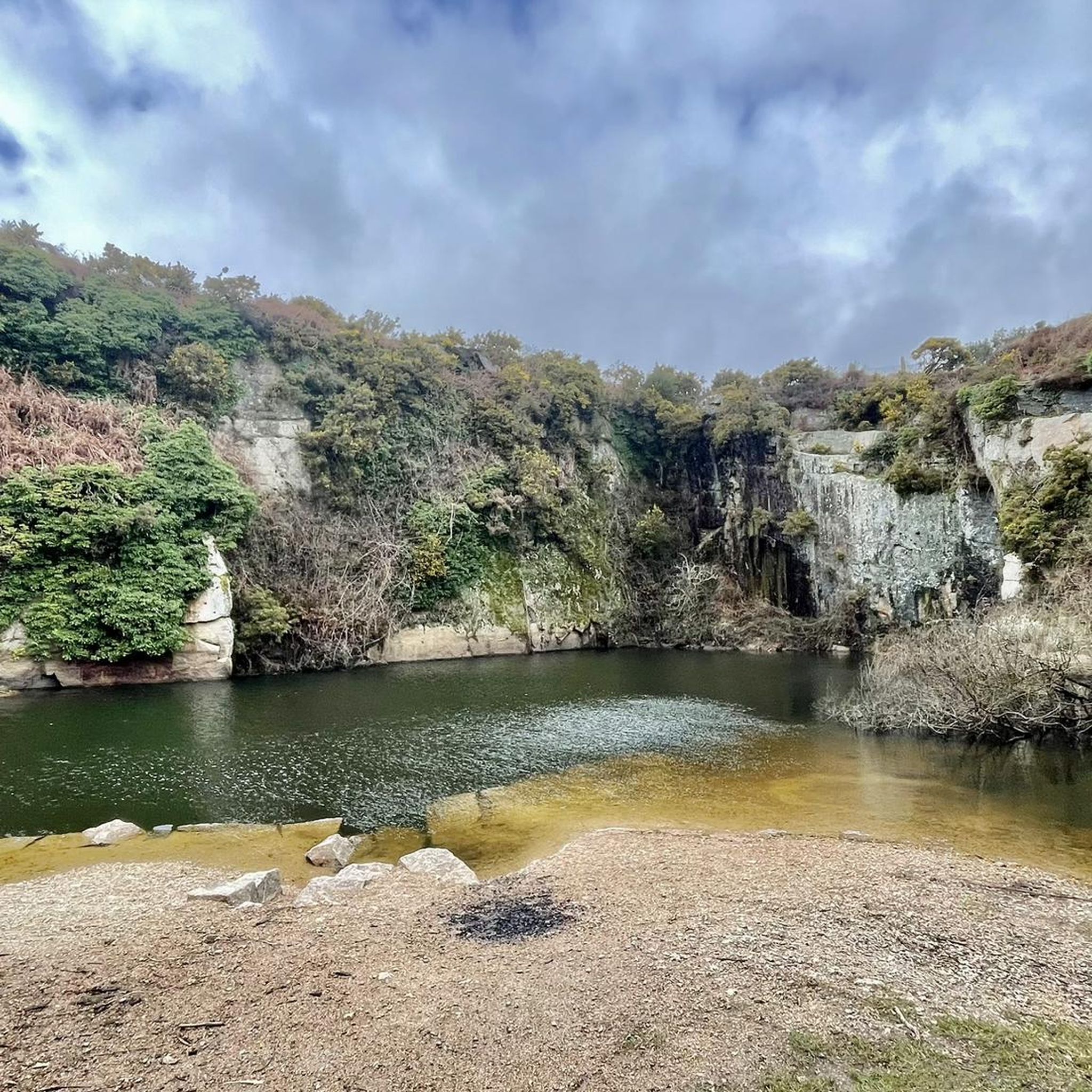

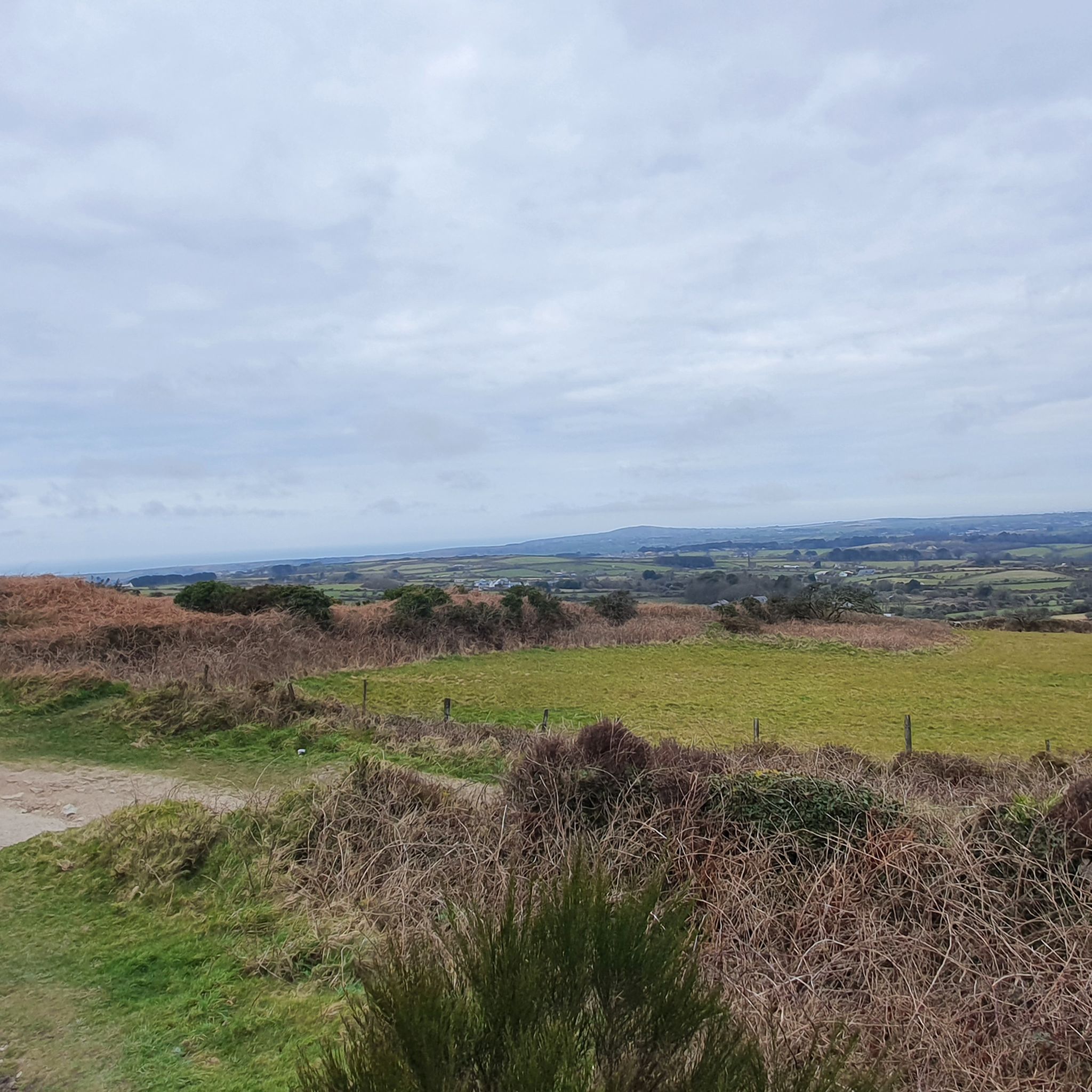
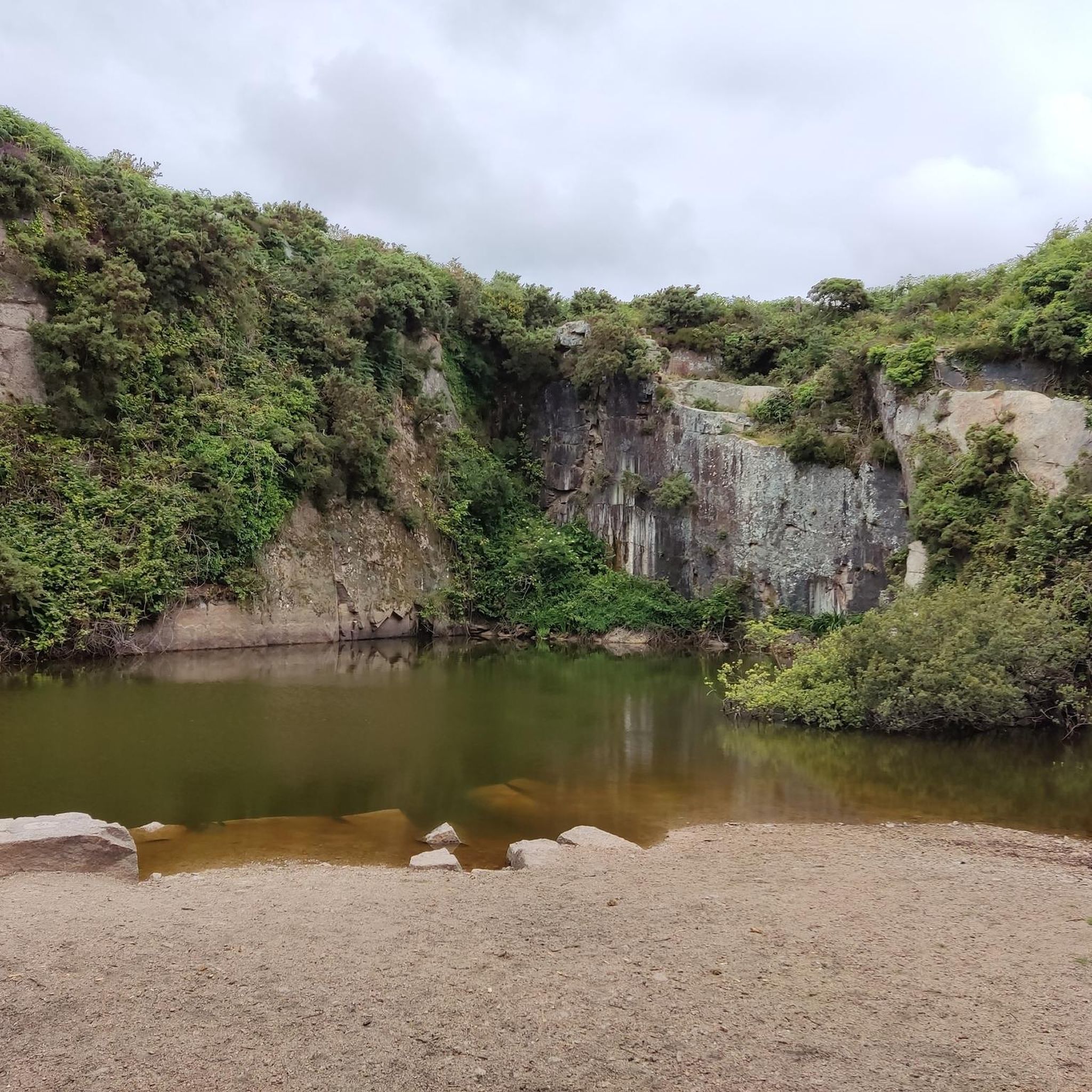
Tips from the Community

April can be spectacular. Take a picnic and Binoculars you get to see so much more
0
0

Breathtaking views. Especially when combined with the blooming heather!
0
0


Stunning panoramic views, well worth the hike to the top. SH Burton described it beautifully in 1952; 'The view from St Agnes Beacon is breath-taking. The high moorlands, heather and gorse clad; steep valleys and bubbling streams; the bracing winds and the infinite variety of land and seascape...' Or even better, F W L Stockdale called it ‘a remarkable stupendous mountain’ back in 1824.
1
0

We saw dolphins jumping from St Agnes Head! I have never experienced something like that.
2
0

A beautiful spot to stop on a calm day, incredibly windy on a rough day. Plenty of choice of trails for walking or cycling. A special place to stop and admire the surroundings.
0
0

GB: In Cadjack Cove, tectonic features can be seen, such as faults (described in ⑦) and folds, which were formed during the Variscan orogeny as a result of pressure from the south. These folds are formed on different scales and range from a few inches to several hundred feet. In addition, the folds show different openings and curves. Very narrow folds with pointed angles are called kink bands. However, the folds seen in this bay are not the main folds of orogeny but represent folds that are folded in themselves. Another special feature in this bay is the pink to dark red coloring of the rocks. This is caused by iron-rich water that runs down the cliffs. EN: Tectonic phenomena can be seen in Cadjack Cove, such as faults (described in ⑦) and folds, which were formed by pressure from the south during the Variscan Orogeny. These folds are formed at different scales and range from a few centimeters to several meters. The folds also show different openings and curves. Very tight folds with acute angles are called kink bands. However, the folds seen in this bay are not the main folds of the orogeny, but rather represent folds that fold into themselves. Another special feature in this bay is the pink to dark red color of the rocks. This is caused by iron-rich water running down the cliffs.
0
0
Frequently Asked Questions
What unique geological features can I explore around Carharrack?
The region is rich in geological history. At Basset's Cove, you can observe ancient sedimentary rocks, including Greywacke and Siltstones, deposited during the Devonian age. Cadjack Cove is notable for its large faults and folds, formed during the Variscan mountain building phase, and rocks colored pink to dark red by iron-rich water. Mirrose Well Cove showcases deposits with repeated sequences, indicating massive mud flows (turbidites) from ancient times.
Are there family-friendly natural monuments to visit near Carharrack?
Yes, St Agnes Beacon is a great family-friendly option. It offers stunning panoramic views after a walk to the top, with various trails suitable for different abilities. The expansive vistas and open spaces make it an enjoyable outing for all ages.
What kind of views can I expect from the natural monuments in the area?
For breathtaking panoramic views, head to St Agnes Beacon. From its elevated position, you can see extensive vistas of the Cornish landscape, often extending to both the north and south coasts on a clear day. Carn Marth, though not a highlight in the guide, also offers incredible panoramic views over the rural countryside of inland Cornwall.
What outdoor activities can I do near these natural monuments?
The area around Carharrack is excellent for various outdoor activities. You can find numerous hiking routes, including easy to moderate loops around Gwennap Pit and Carn Marth Quarry Pool. For mountain biking, explore trails like the Carn Brea Trail or routes around Poldice Valley Mining Ruins. Road cycling enthusiasts can enjoy longer rides to Portreath Beach or around Stithians Reservoir. You can find more details on these activities in the Hiking around Carharrack, MTB Trails around Carharrack, and Road Cycling Routes around Carharrack guides.
Are there specific hiking trails that highlight the natural monuments?
Yes, many trails incorporate these natural features. For instance, a 7.3 km circular route highlights the geological formations at Basset's Cove. Additionally, the area around Carn Marth is part of various walking trails that showcase its natural beauty and mining heritage. You can find several hiking routes, including easy loops, in the Hiking around Carharrack guide.
What is the significance of the rocks found in the natural monuments around Carharrack?
The rocks in this region tell a story of ancient geological processes. At Basset's Cove, you'll see sedimentary rocks like Greywacke, Siltstones, and Slate, formed in a deep marine environment and later folded during the Variscan orogeny. Cadjack Cove features rocks with distinct folds and faults, and a unique pink to dark red coloration due to iron-rich water. Even small walls in the surrounding area, like the Stone Wall of Regional Rocks, are built from local greywackes and clay shales, often containing quartz veins.
How long does it typically take to explore the natural monuments near Carharrack?
The time required varies depending on the monument and your activity. A visit to a viewpoint like St Agnes Beacon might take a couple of hours for the ascent and enjoying the views. Exploring a geological site like Basset's Cove could involve a 7.3 km circular walk. Many of the nearby hiking and cycling routes range from easy 3 km loops to more moderate 20+ km trails, so you can plan for anything from a short stroll to a full day's adventure.
What is the best time of year to visit the natural monuments around Carharrack?
The natural monuments around Carharrack can be enjoyed year-round, but each season offers a different experience. Spring and summer bring warmer weather and blooming flora, making it ideal for coastal walks and enjoying the views. Autumn can offer beautiful colors, especially in the inland areas. While winter can be bracing, clear days provide crisp views, though some coastal paths might be more exposed to the elements. Always check local weather conditions before your visit.
What makes the Cornwall and West Devon Mining Landscape, which includes Carharrack, a significant area?
Carharrack is situated within the UNESCO World Heritage Site of the Cornwall and West Devon Mining Landscape. This area is significant because it showcases a unique blend of natural geology and human endeavor. While not a single natural monument, the landscape itself, with its abandoned engine houses and old mine workings, has become an integral part of the natural environment. The region's geology, particularly its mineral deposits, fueled a rich mining history, and exploring it offers a glimpse into how human activity has interacted with and shaped the natural world.
What should I bring for a hike to a natural monument in Carharrack?
When hiking to natural monuments around Carharrack, it's advisable to wear appropriate footwear for varied terrain, as paths can be uneven or muddy. Layers of clothing are recommended due to changeable Cornish weather. Don't forget water, snacks, sun protection, and a map or GPS device. For coastal walks, be mindful of tides and cliff edges. If you plan to explore geological features, a camera is a must to capture the unique formations.
Are there any hidden gems among the natural monuments near Carharrack?
While popular spots like St Agnes Beacon and Basset's Cove are well-known, exploring the intricate geological details at places like Cadjack Cove or Mirrose Well Cove can feel like discovering a hidden gem. These coves offer fascinating insights into ancient earth processes through their unique rock formations and layered deposits, providing a deeper appreciation for the region's natural history beyond just the scenic views.
Most popular routes around Carharrack
Most popular attractions around Carharrack

Get inspired with the komoot mobile app


Explore more
Extend your search for the best caves by checking out these guides of the top ones around Carharrack:
