Top 5 Natural Monuments around Twyning
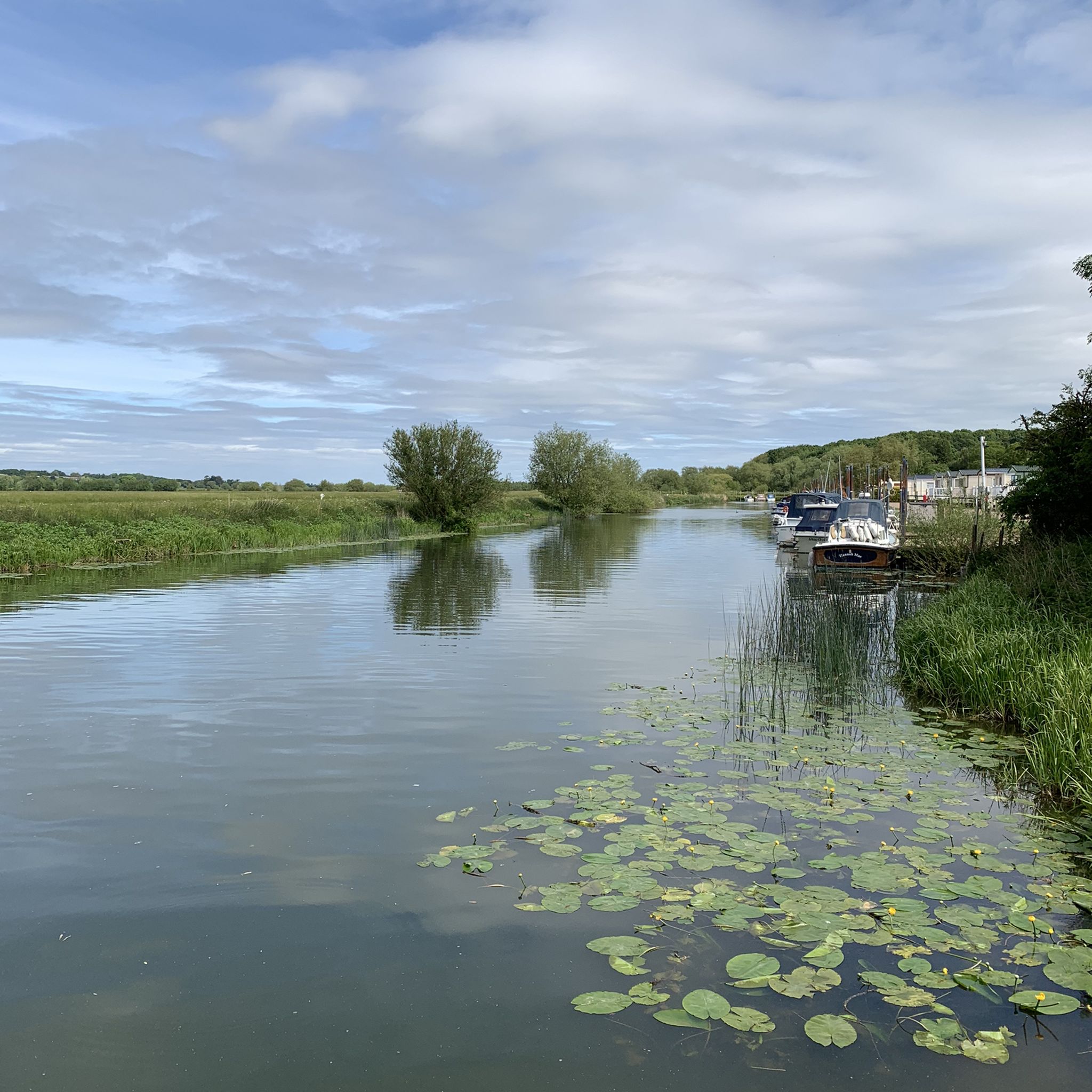
Best natural monuments around Twyning are found at the confluence of the River Severn and River Avon in Gloucestershire. The area features significant ecological, geological, and scenic value, characterized by peaceful river walks and ascents onto rolling hills. These natural features offer diverse experiences for outdoor enthusiasts. The landscape provides opportunities to explore prominent hills, tranquil waterside environments, and ancient woodlands.
Best natural monuments around Twyning
- The most popular natural monument is Bredon Hill Summit, a summit that offers…
Last updated: August 24, 2026
Elephant Stone (Banbury Stone)
Highlight • Natural
Tip by

Bredon Hill Summit
Highlight • Viewpoint
Tip by

Sign up now to discover places like this
Get recommendations on the best single tracks, peaks, & plenty of other exciting outdoor places.
Sign up for free
Warren Wood
Highlight • Trail
Tip by

Elmley Castle Park
Highlight • Natural Monument
Tip by

Cotswolds Area of Outstanding Natural Beauty Boundary Marker
Highlight • Natural Monument
Tip by

Sign up for free to discover even more natural monuments around Twyning.
Sign up for free
Already have an account?
Start today with a free account
Your next adventure awaits.
Login or Signup

Tips from the Community

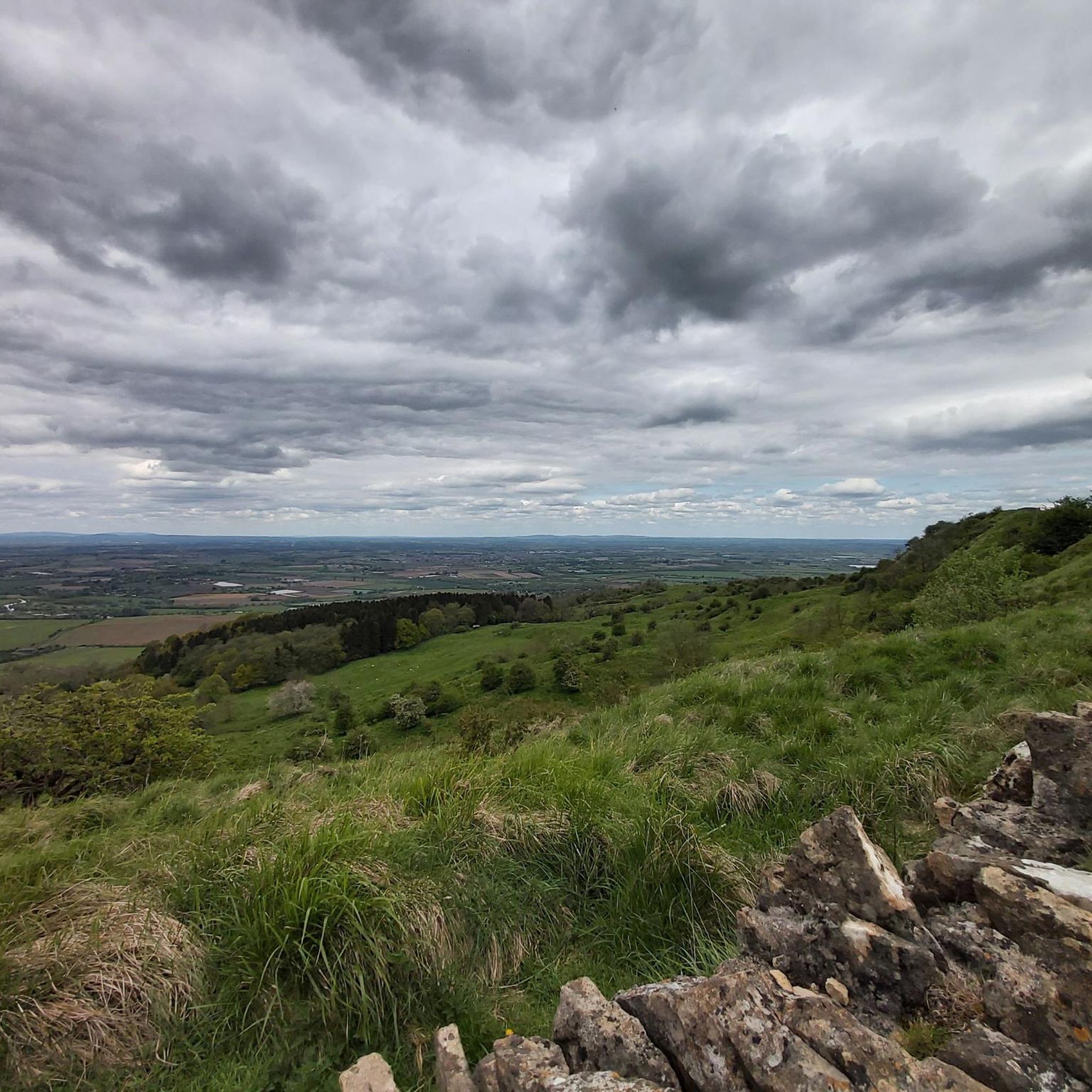
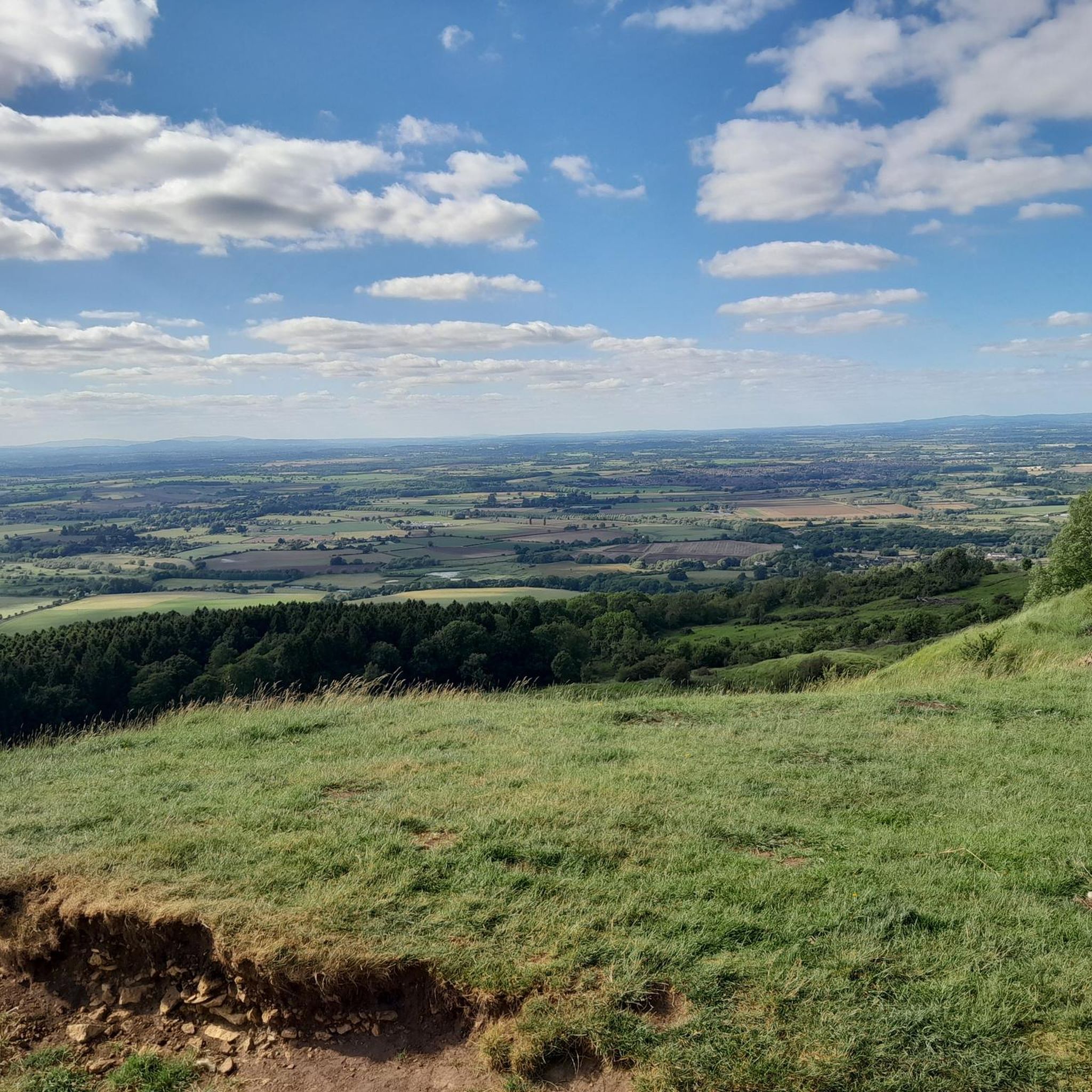
The biggest Cotswold outlier, just short of a thousand feet high with magnificent views across the Avon and Severn valleys.
0
0
A quite impressive rock formation that really does look like an elephant lying down.
0
0

299m hill with fantastic views of Malvern Hills, Pershore, and Avon Valley. Also, this is the first Cotswolds hill from the Worcestershire side.
0
0
Gentle ascent in Little Comberton direction. The boundary marker is situated right along NCN 442, so it is easy to spot.
0
0

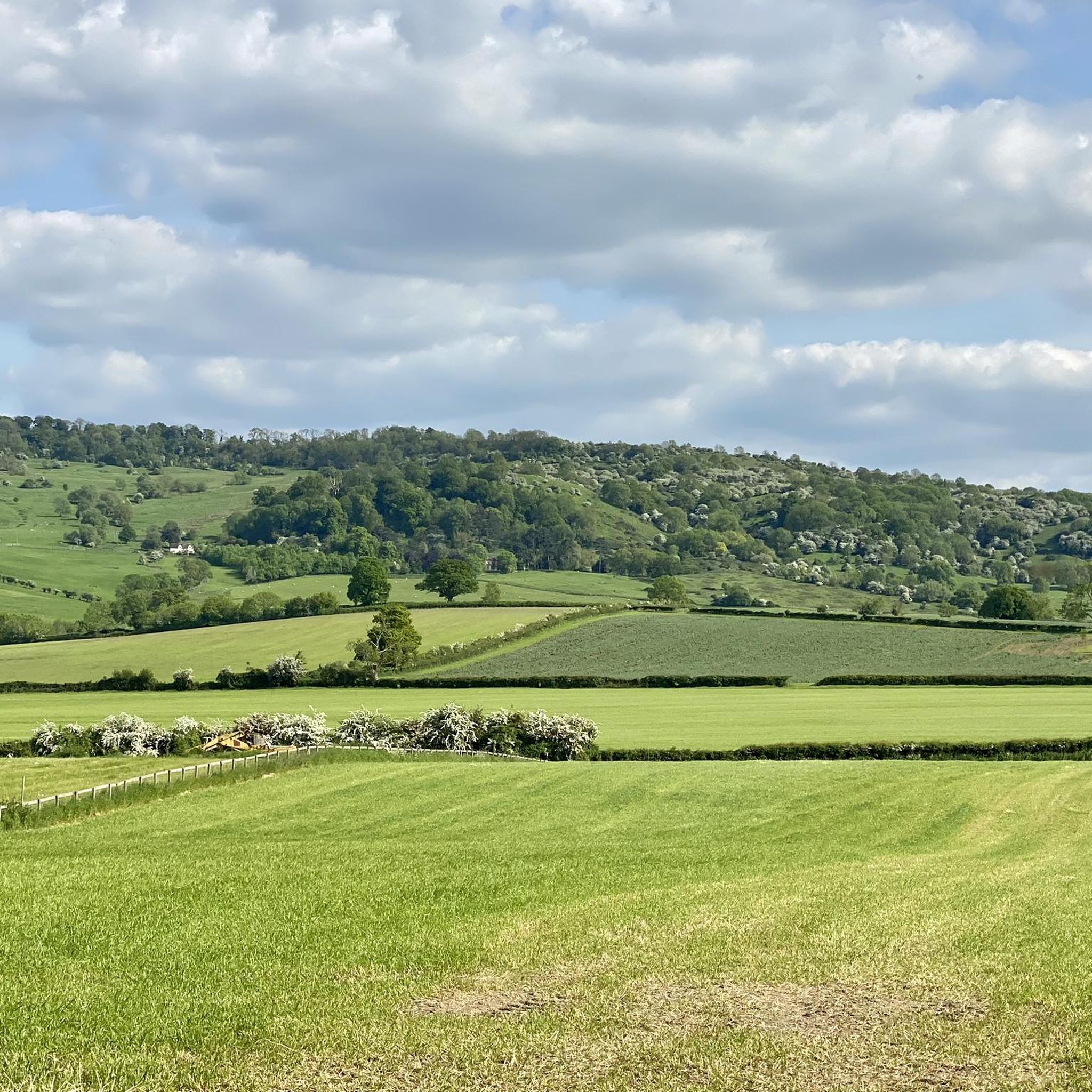
Warren Wood is a pretty pocket of woodland located near Bredon Hill in Worcestershire. A winding trail leads you through the beautiful Cotswolds forest, which can be enjoyed in all seasons.
1
0

Beautiful quiet woodland with a bridleway running through it. Take care to stay on the bridleway and off of the adjacent footpath.
2
0

The PARK at Elmley, which belonged to the lords of Elmley Castle, was possibly made about 1234, for in that year Walter de Beauchamp received from the king a gift of ten does and three bucks for stocking his park at Elmley. In 1298 the wood in the park was worth 4s. yearly. Thomas de Beauchamp Earl of Warwick complained in 1349 that several persons, including Robert de Amyas, parson of the church of Great Comberton, had hunted in his free chase at Elmley Castle and carried away deer. The park was enlarged about 1480 by the addition of part of the demesne land of the manor called Court Close. In 1478 William Adams was appointed keeper of the park and warren at Elmley Castle. In 1480 John Mortimer was appointed master of the game in Elmley Park, and in 1484 John Hudelston succeeded to this office, but it was granted in the following year to Richard Naufan, and in 1488 to Sir John Savage. Henry VIII appointed Sir John Savage and his son John Savage keepers of the park and warren in 1512. Walter Walshe was appointed keeper in 1528. He died in 1538, and Thomas Evans and Rowland Morton both wrote to Cromwell asking for his aid in obtaining the position, the latter saying, 'if it please the King by your Lordship's mediation to prefer me, I and mine shall stand balanced in also et basso, live and die in your Lordship's retinue.' He also begs credence for his messenger 'and will give your Lordship £20.' Neither of these suppliants received the post, which was granted to Urian Brereton. The park was included in the sale to Christopher Savage, and remained in his family until 1822, when it was sold with the castle to Colonel Thomas Henry Hastings Davies. It now belongs to Lieut.-General Henry Fanshawe Davies, J.P., D.L.
1
0

Also known as the Banbury Stone, there is conjecture about the exact origin of the Elephant Stone. Some believe it to be an ancient focus for the dark arts, others say it was a type of amber stone dedicated to the sun by druids. There's also a superstition that if you kiss the stone on Good Friday you will be cursed with bad luck.
0
1
Frequently Asked Questions
What are the most popular natural monuments around Twyning?
Visitors frequently enjoy exploring Bredon Hill Summit for its panoramic views, the unique Elephant Stone (Banbury Stone), and the tranquil trails of Warren Wood. These locations are highly regarded by the komoot community for their natural beauty and engaging experiences.
What kind of walking trails can I find near Twyning's natural monuments?
The area offers a variety of walking trails, from gentle riverside strolls to more challenging hill climbs. You can find easy paths along the River Severn and River Avon, or moderate routes like the 'Warren Wood – Parsons Folly on Bredon Hill loop'. For more options, explore the hiking guide for Twyning.
Are there family-friendly natural monuments around Twyning?
Yes, several natural monuments and areas are suitable for families. Warren Wood is a beautiful, quiet woodland with a bridleway, perfect for a family walk. The flat riverside paths along the River Severn and River Avon also offer easy, peaceful strolls for all ages.
What makes Bredon Hill a significant natural monument?
Bredon Hill is significant for its diverse features, including panoramic views across Worcestershire and the Cotswolds from its 981-foot summit. It boasts ancient standing stones like the Elephant Stone, an Iron Age hillfort, and diverse habitats. A large portion of the hill is designated as a Site of Special Scientific Interest (SSSI) and a Special Area of Conservation (SAC), highlighting its ecological importance.
What natural features define the Twyning area?
Twyning is uniquely defined by its location at the confluence of the River Severn and River Avon. The area features extensive floodplains, flat riverside paths, and rolling hills like Bredon Hill. These rivers and their surrounding meadows create a tranquil landscape rich in biodiversity and scenic beauty.
Can I find historical natural monuments in the Twyning area?
Absolutely. Bredon Hill features ancient standing stones and an Iron Age hillfort. Additionally, Chad Well, an ancient holy well near the River Avon, is steeped in local folklore and was historically believed to have medicinal properties. Elmley Castle Park also has a rich history dating back to the 13th century.
What is Upham Meadow and why is it important?
Upham Meadow is a 104-hectare biological Site of Special Scientific Interest (SSSI) near Twyning. It's recognized for its wet neutral meadows, supporting a rich diversity of grasses and herbs, including rare species. It's also historically significant for its continued practice of the open-field strip system, an agricultural tradition dating back to Saxon times, and serves as an important habitat for breeding and overwintering birds.
Are there cycling routes near the natural monuments?
Yes, the area around Twyning offers several cycling routes. You can find easy loops like 'Kemerton Coffee House – Bench With a View of Overbury' or moderate rides such as 'Croome Court – View of the Malvern Hills'. For a comprehensive list of options, refer to the cycling guide for Twyning.
What is the best time of year to visit the natural monuments around Twyning?
Spring and summer are ideal for enjoying the lush riverside paths and vibrant meadows. Autumn offers beautiful foliage on hills like Bredon Hill. While winter can be peaceful, some paths might be muddy due to the rivers' floodplains, so appropriate footwear is recommended.
Are there any unique natural features or folklore associated with the area?
Yes, the Elephant Stone (Banbury Stone) on Bredon Hill is an impressive rock formation with local legends suggesting it was an ancient focus for the dark arts or dedicated to the sun by druids. Chad Well, an ancient holy well, is also associated with folklore regarding its waters' medicinal properties for eye and skin ailments.
Where can I find information about public transport or parking for these natural monuments?
While specific public transport routes to individual monuments can vary, many walks around Twyning are accessible from the village itself. For parking, popular starting points for walks, such as those near The Fleet Inn in Twyning or villages surrounding Bredon Hill, often have designated parking areas. It's advisable to check local council websites or specific trail information for the most up-to-date details.
Most popular routes around Twyning
Most popular attractions around Twyning

Get inspired with the komoot mobile app


Explore more
Extend your search for the best caves by checking out these guides of the top ones around Twyning:
