Top 14 Natural Monuments around Colesbourne
Best natural monuments around Colesbourne include a variety of geological features, woodlands, and unique natural formations within the Cotswolds. The area is characterized by its rolling hills, ancient woodlands, and significant natural sites. These natural monuments offer opportunities for exploration and appreciation of the region's diverse landscape. Visitors can discover everything from unusual rock formations to the sources of major rivers.
Best natural monuments around Colesbourne
- The most popular natural monuments is Crickley Hill, a natural monument that is…
Last updated: October 4, 2026
Devil's Chimney, Leckhampton Hill
Highlight • Monument
Tip by

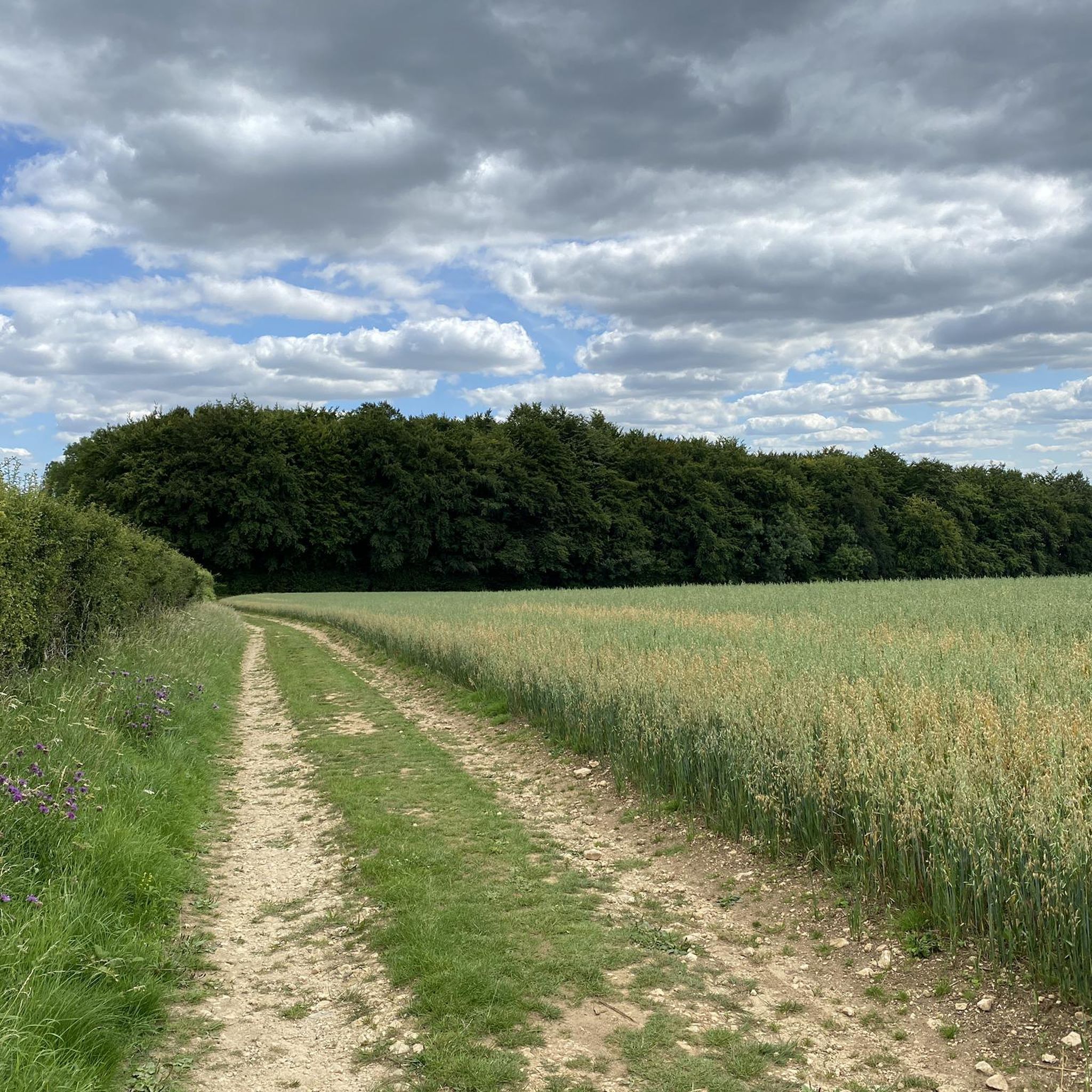
Daglingworth Gravel Track
Highlight (Segment) • Natural
Tip by

Sign up now to discover places like this
Get recommendations on the best single tracks, peaks, & plenty of other exciting outdoor places.
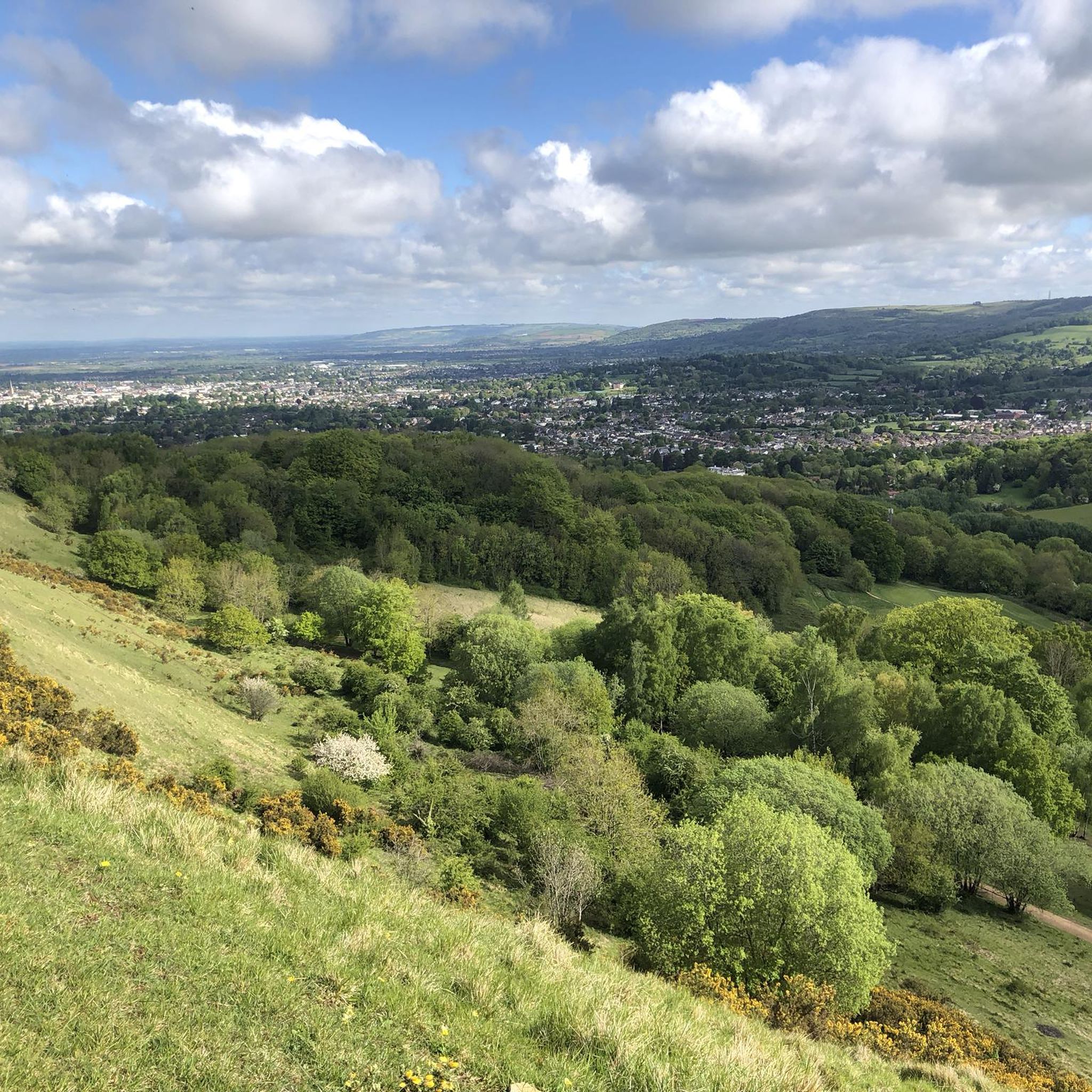
Crickley Hill
Highlight • Natural Monument
Tip by

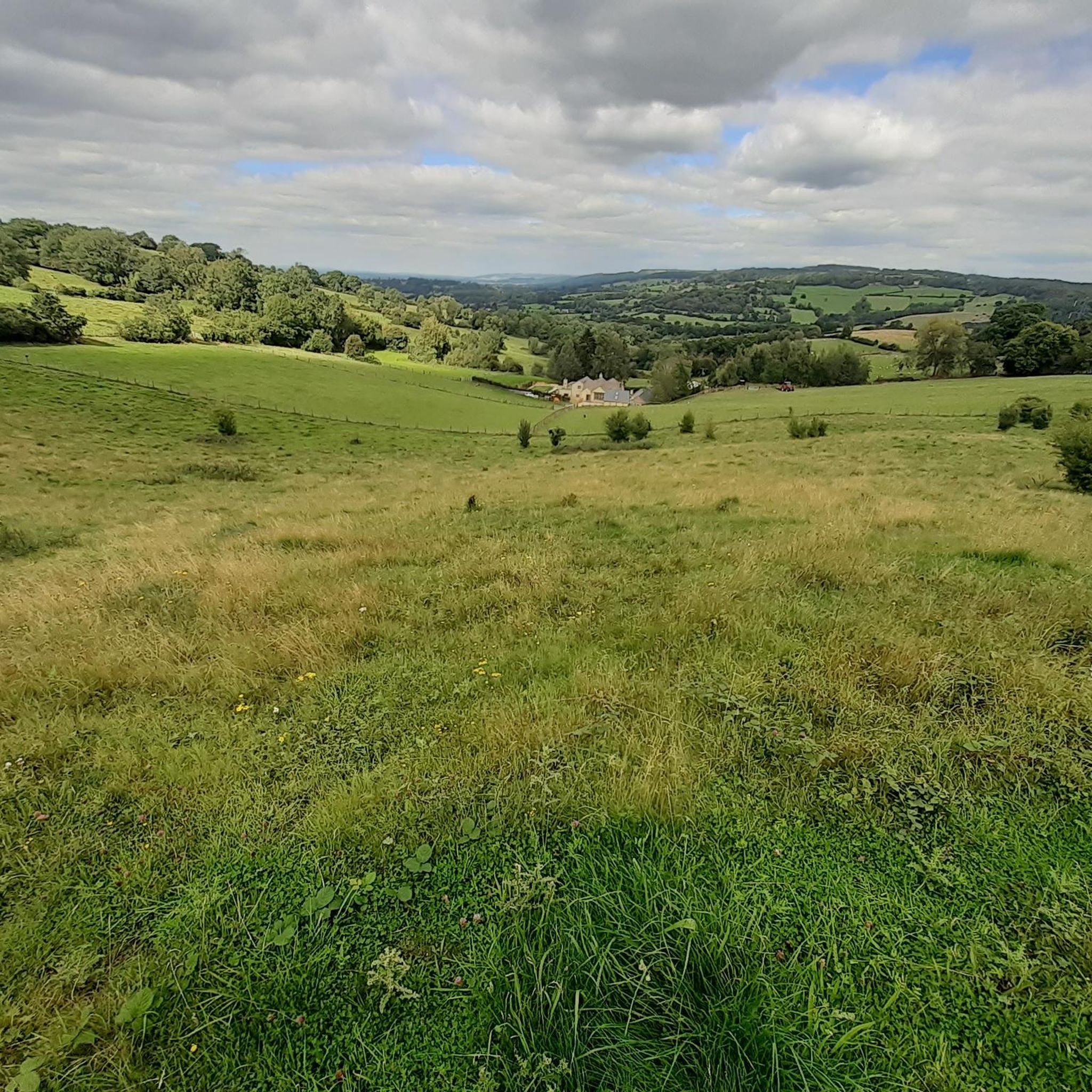
Dowdeswell Reservoir
Highlight • Structure
Tip by
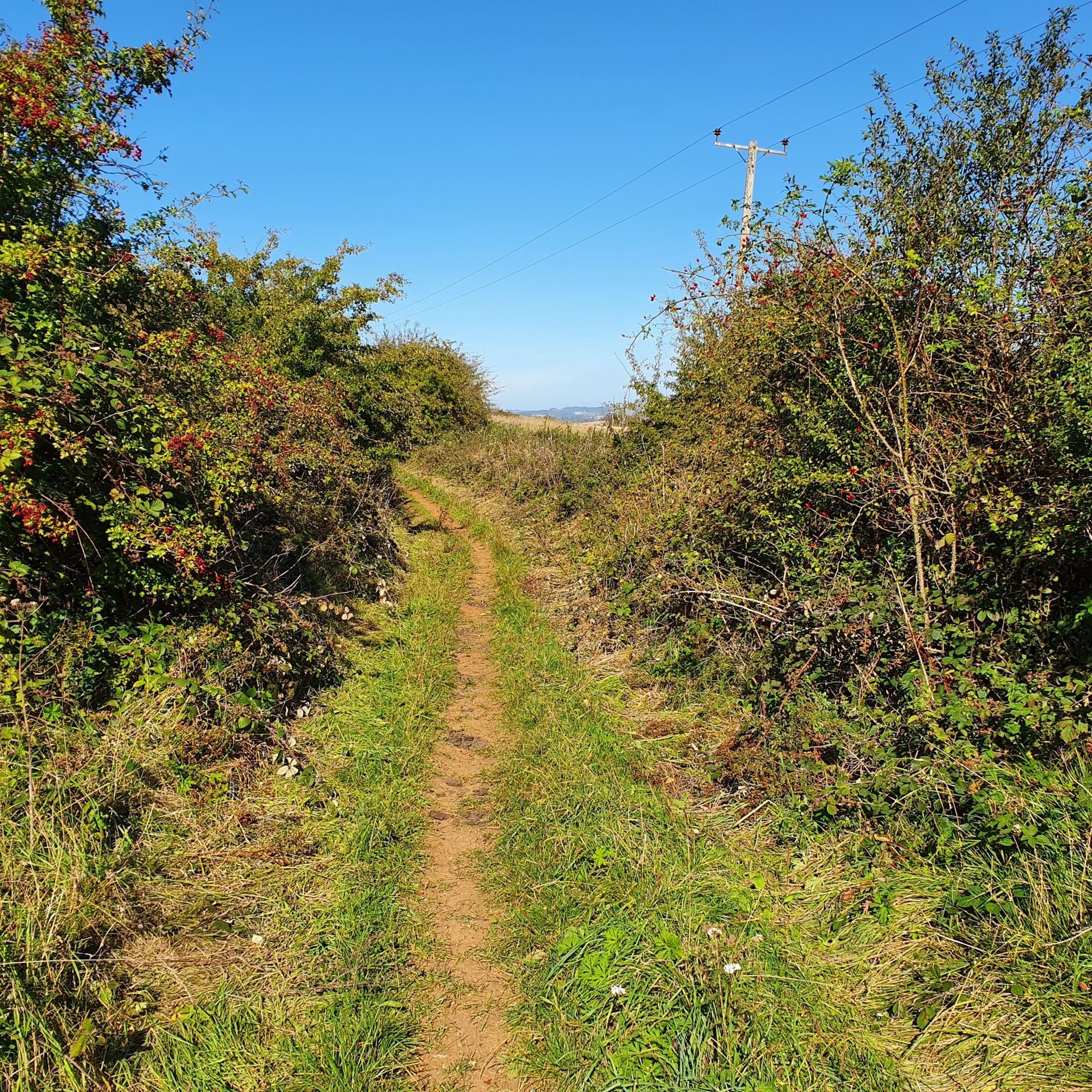
Seven Springs – Source of the River Thames
Highlight • River
Tip by

Sign up for free to discover even more natural monuments around Colesbourne.
Already have an account?
Start today with a free account
Your next adventure awaits.
Tips from the Community

The true and logical source of the Thames, making it the longest river in the country!
0
0
The natural looking but manmade rock tower is certainly impressive!
0
0

At this little pocket in the County of Gloucestershire is Seven Springs, the official source of the iconic River Thames. At 229 miles long, the Thames is the UK's longest river, flowing through southern England all the way to London.
1
0

Parking at Daisy bank Road at the bottom is a good place to start. Be aware of MTB trails in the woods!
0
0

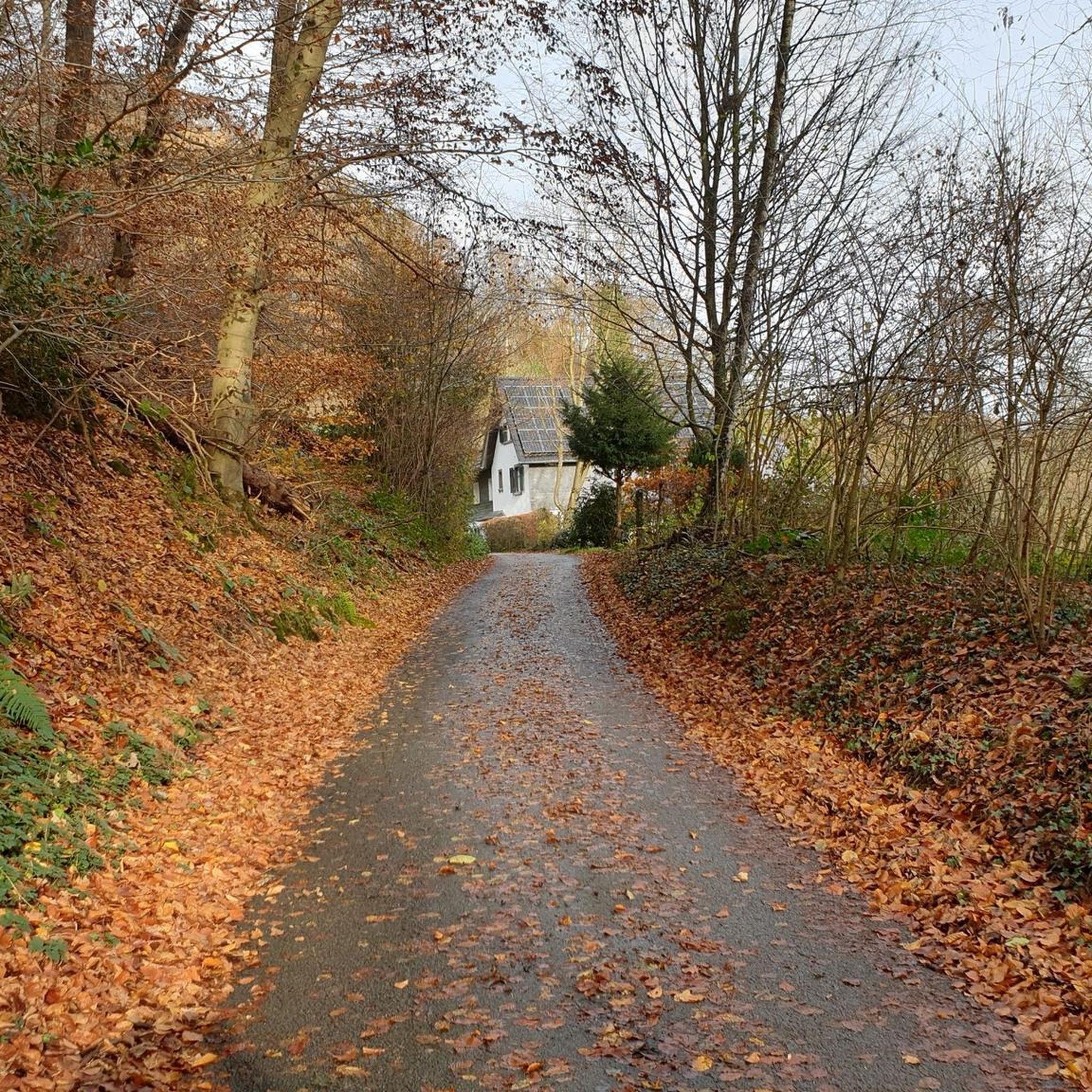
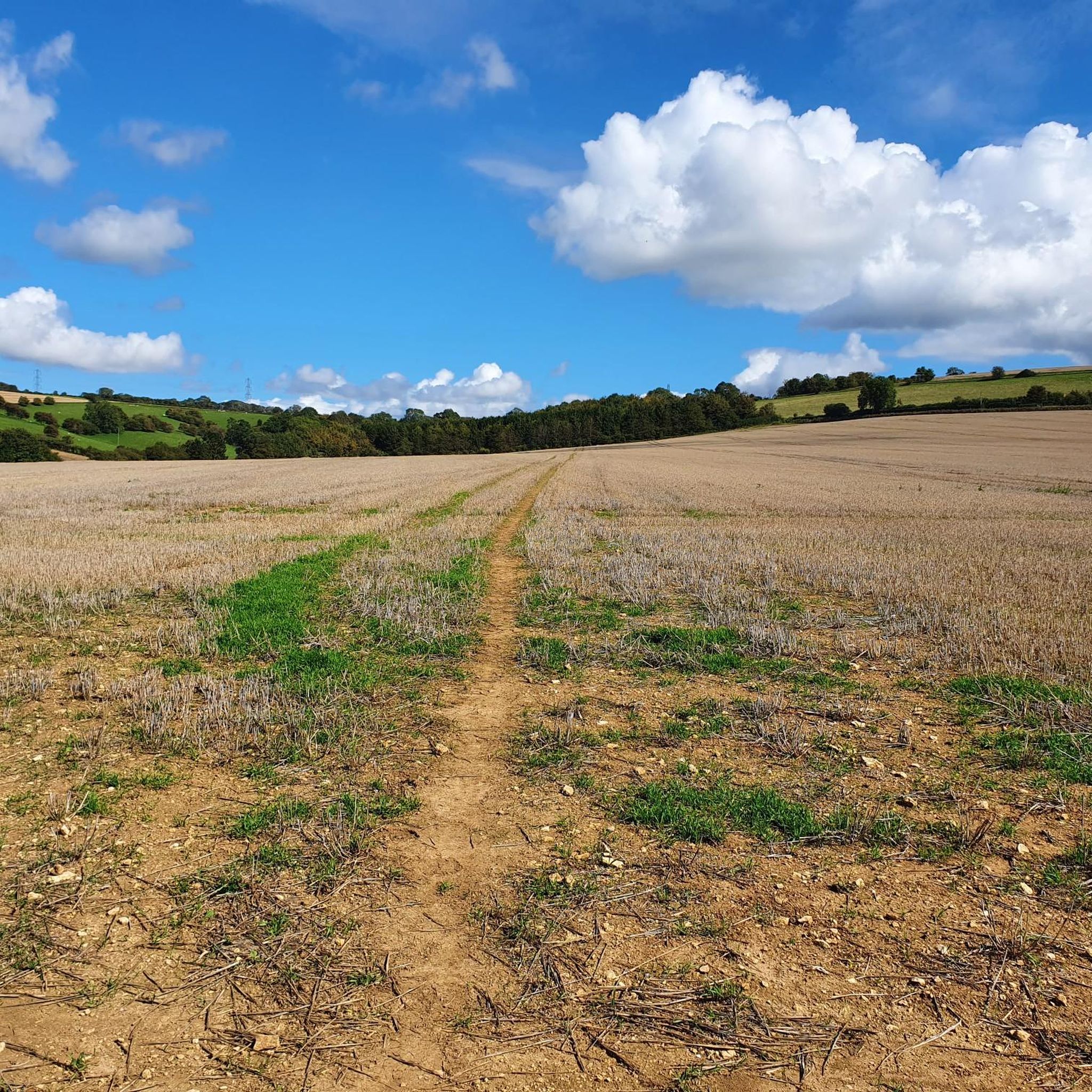
Lovely gravel track connecting Welsh Way to Daglingworth via Quarry
0
0

Dowdeswell Reservoir is a scenic stretch of water on the outskirts of Cheltenham. From the reservoir, you step straight into Dowdeswell Woods; a nature reserve that’s home to many species of plants and animals. Keep a lookout for birds including coot, moorhen, great crested grebe and little grebe.
1
0

A country park owned jointly by the National Trust and Gloucestershire Wildlife Trust, there is no end to the beautiful views, hiking trails and wildlife spotting options here. The hill lies on the western edge of the Cotswolds Area of Outstanding Natural Beauty and the Cotswolds Way and the Gloucestershire Way long-distance paths both cross the hill. Bluebells, adders, birds and vibrant woodland can all be found on the hill. It's stunning throughout the year with every season bringing something new.
1
0

Passes Daglingworth Quarry. Hanson Aggregates works Daglingworth Quarry, extracting limestone aggregate for road building, ornamental driveway stone and dust for brick making. Extraction of stone from the site is believed to have started in 1905, since when it has been in almost continuous use. The planning permission for the quarry expires in 2042 and progressive restoration is currently being undertaken. A wide variety of fossils are known from the Daglingworth Quarry. Oysters, pectinids (scallops) and echinoids (sea urchins) can be found within the Taynton Limestone and Hampen Formations. Discovered within the sandy lenses of Hampen Formation are rare plant fragments, and dinosaur footprints have been found near the top of the formation. These are now on display at the quarry office. The Shipton Member is generally devoid of fossils except, for a few beds containing borings and burrows made by marine animals such as molluscs and worms. At the top of this member is the Excavata bed where gastropods and the echinoids, Clypeus and Cidaris are found in abundance. Trace fossils, borings and bivalves are found in many beds throughout the Ardley Member. Fossils from large reptiles have been found from near the top of the member
0
0
Frequently Asked Questions
What unique natural features can I explore around Colesbourne?
Colesbourne offers a variety of unique natural features. You can visit the Devil's Chimney, Leckhampton Hill, an unusual limestone rock formation with a mysterious crooked shape. Another highlight is the Seven Springs – Source of the River Thames, considered by many locals to be the true origin of the UK's longest river. Within Colesbourne Park, you'll find the striking Blue Lake, known for its vibrant color.
Are there any natural monuments with historical or geological significance?
Yes, several natural monuments around Colesbourne have historical and geological importance. The Devil's Chimney, Leckhampton Hill, is steeped in local legend regarding its formation. The Daglingworth Gravel Track passes Daglingworth Quarry, which is known for a wide variety of fossils, including rare plant fragments and even dinosaur footprints. The Seven Springs is historically significant as the source of the River Thames.
What are the best times to visit Colesbourne Park's natural attractions?
The best time to visit Colesbourne Park depends on what you wish to see. The renowned Snowdrop Collection, featuring over 300 varieties, is best viewed during late winter, typically open on weekends throughout February. For the magnificent Arboretum, with its collection of Champion Trees, the park usually opens for visitors for one weekend in autumn, often with guided tours.
Are there family-friendly natural monuments or activities in the area?
Absolutely. Crickley Hill is a country park jointly owned by the National Trust and Gloucestershire Wildlife Trust, offering beautiful views, hiking trails, and wildlife spotting opportunities suitable for families. The Cotswolds Commons and Beechwoods National Nature Reserve also provides accessible woodland exploration.
Where can I go for scenic views and viewpoints near Colesbourne?
For panoramic vistas, Crickley Hill offers extensive views across the Cotswolds. Additionally, the Kilkenny Viewpoint and Nature Reserve, a 5-hectare site, provides fantastic panoramic views of the surrounding landscape.
What kind of outdoor activities can I do near these natural monuments?
The area around Colesbourne is excellent for various outdoor activities. You can enjoy hiking on trails that cross Crickley Hill, including sections of the Cotswolds Way and Gloucestershire Way. For more hiking options, explore the routes in the Hiking around Colesbourne guide. There are also opportunities for road cycling and gravel biking, with various routes detailed in the Road Cycling Routes around Colesbourne and Gravel biking around Colesbourne guides.
Are there any natural monuments suitable for dog walking?
Many natural areas around Colesbourne are dog-friendly. Crickley Hill, for instance, is a country park with numerous trails where dogs are welcome, though they should be kept under control, especially near wildlife. Dowdeswell Woods, adjacent to Dowdeswell Reservoir, also offers pleasant woodland paths for dog walks.
Where can I observe wildlife near Colesbourne's natural monuments?
Wildlife spotting is possible at several locations. Crickley Hill is home to bluebells, adders, and various bird species. Dowdeswell Reservoir and the adjacent Dowdeswell Woods Nature Reserve are excellent for birdwatching, with species like coot, moorhen, great crested grebe, and little grebe frequently sighted.
What is the Colesbourne Park Arboretum known for?
The Colesbourne Park Arboretum is renowned for its extensive collection of over 200 trees from around the world, many of which are recognized as "Champion Trees" – the largest of their kind in the UK. It includes an oriental plane tree registered as one of the 70 UK trees celebrating the late Queen's Platinum Jubilee, showcasing significant botanical diversity.
Is there public transport available to reach natural monuments near Colesbourne?
While Colesbourne itself is a rural village, public transport options to specific natural monuments can be limited. It's advisable to check local bus routes for connections to larger towns like Cheltenham, from which some sites like Devil's Chimney or Crickley Hill might be more accessible, potentially requiring a further walk or taxi. Planning your journey in advance is recommended.
Are there any hidden gems or less-known natural spots worth visiting?
Beyond the main attractions, the Cotswolds Commons and Beechwoods National Nature Reserve (NNR) is considered a "hidden gem" for those seeking tranquil woodland managed by the National Trust. Its quiet paths offer a peaceful escape and a chance to explore ancient woodlands.
What should I wear for hiking or walking around Colesbourne's natural monuments?
Given the varied terrain, which can include woodland paths, gravel tracks, and potentially muddy sections, it's recommended to wear sturdy walking shoes or hiking boots. Layered clothing is advisable to adapt to changing weather conditions, and waterproofs are always a good idea in the UK, especially during autumn and winter.
Most popular routes around Colesbourne
Most popular attractions around Colesbourne

Get inspired with the komoot mobile app


Explore more
Extend your search for the best caves by checking out these guides of the top ones around Colesbourne:
