Top 14 Natural Monuments around Donnington
Natural monuments around Donnington encompass a range of geological and historical features, primarily located within the Malvern Hills. This area is characterized by prominent summits, ancient hillforts, and scenic viewpoints. Visitors can explore diverse natural landscapes, including significant elevations and unique rock formations. The region offers opportunities for outdoor activities amidst varied terrain, with more than 14 natural monuments to discover.
Best natural monuments around Donnington
- The most popular natural monuments is Herefordshire Beacon (British Camp), a summit that…
Last updated: July 1, 2026
Herefordshire Beacon (British Camp)
Highlight • Summit
Tip by

Midsummer Hill Iron Age Hillfort
Highlight • Historical Site
Tip by

Sign up now to discover places like this
Get recommendations on the best single tracks, peaks, & plenty of other exciting outdoor places.
Sign up for free
Jubilee Hill
Highlight • Viewpoint
Tip by

Clutter's Cave
Highlight • Viewpoint
Tip by

Pinnacle Hill
Highlight • Natural Monument
Tip by

Sign up for free to discover even more natural monuments around Donnington.
Sign up for free
Already have an account?
Start today with a free account
Your next adventure awaits.
Login or Signup
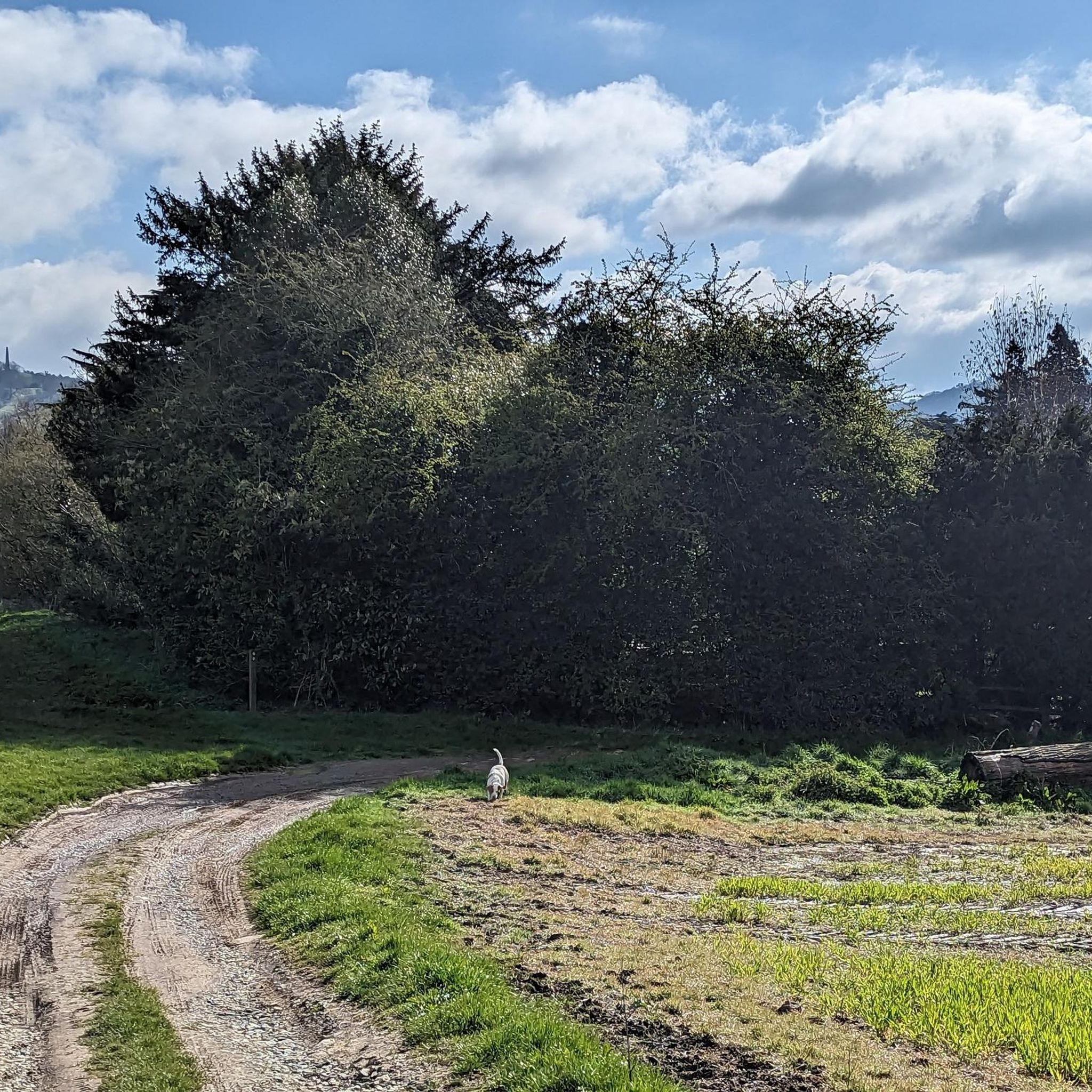
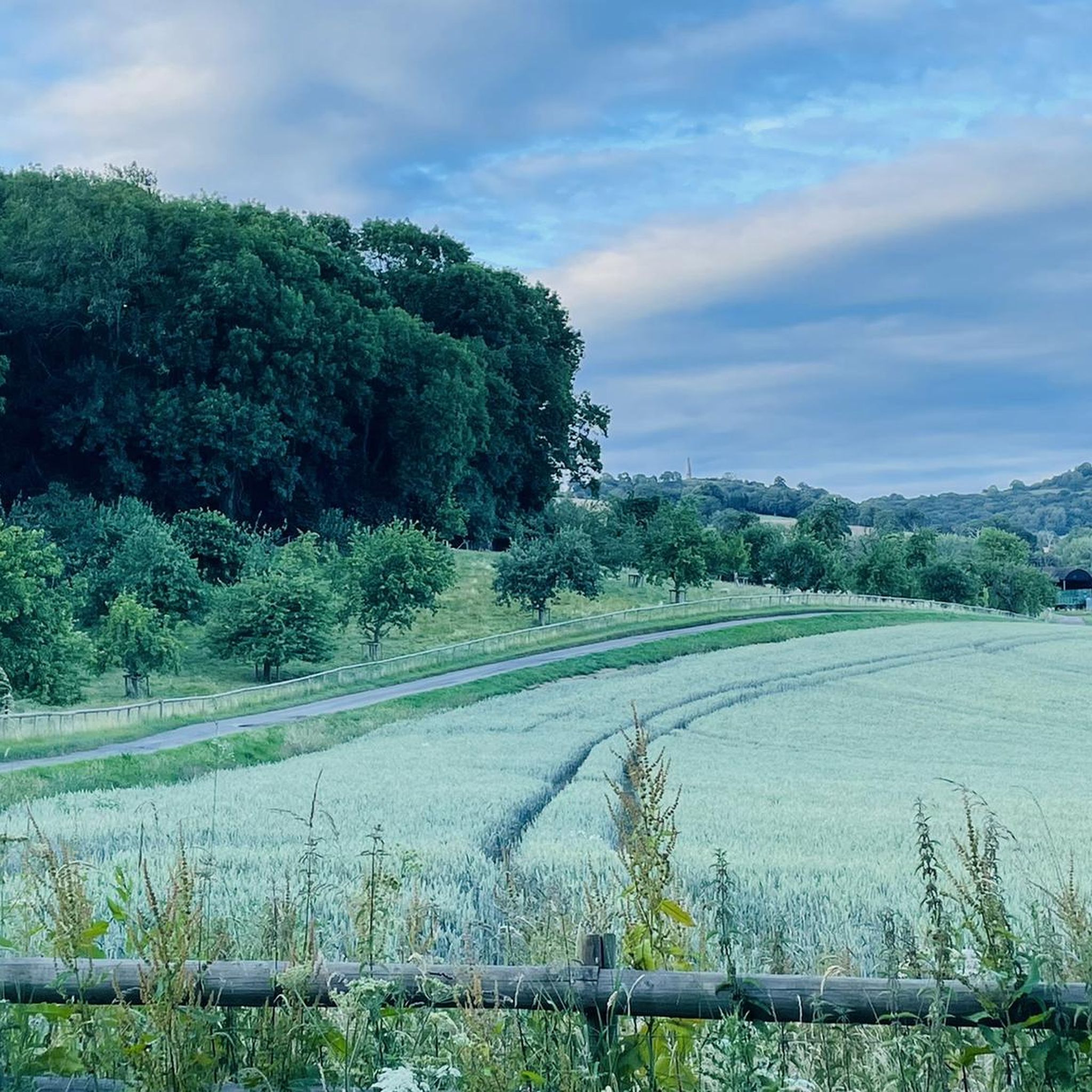
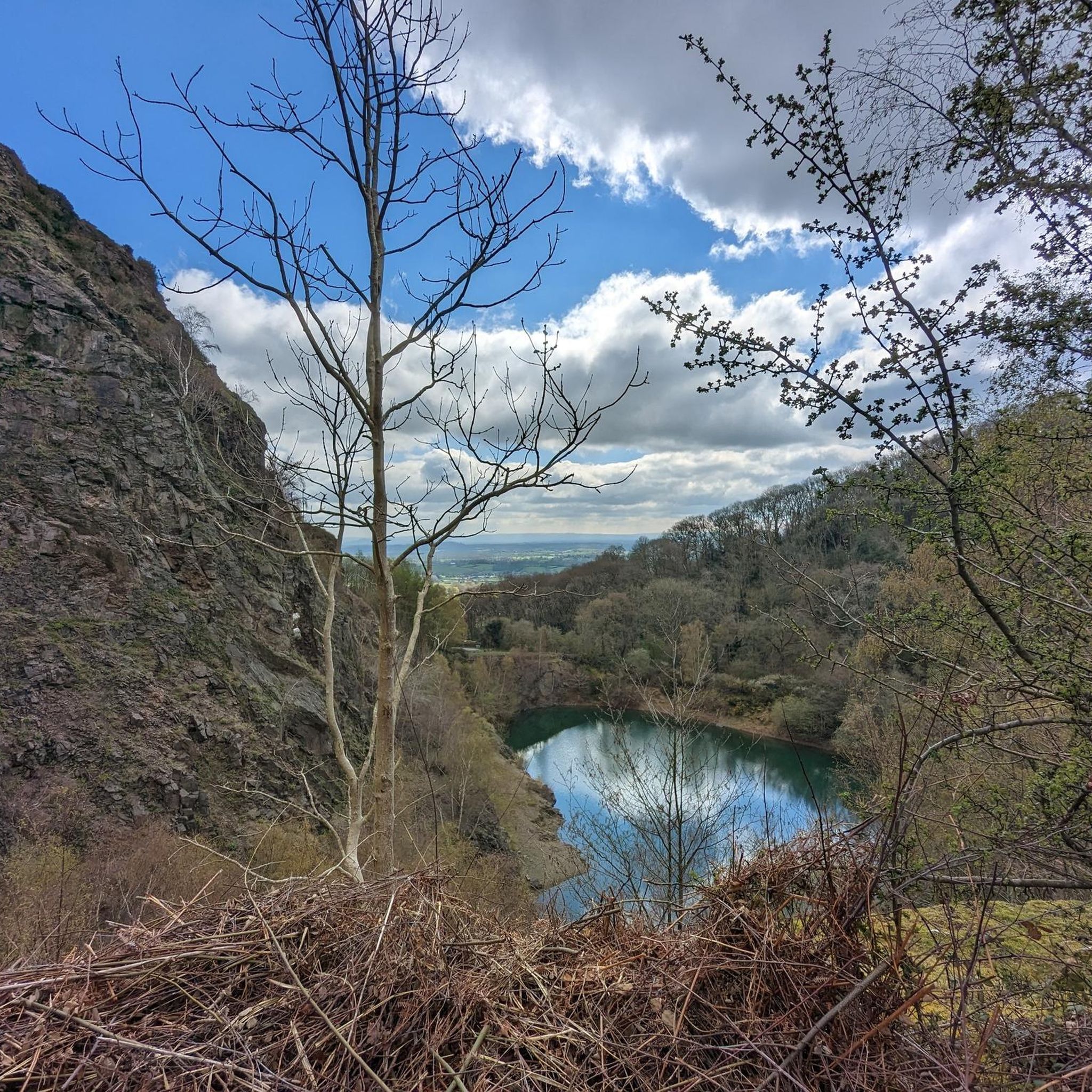
Tips from the Community

Small little cave but great to get out of the rain/sun for a quick drink and snack.
0
0

Pinnacle Hill isn't really much of a pinnacle, but it is the highest point between the Wyche and Wynds Point, and as such is a fine viewpoint in both directions.
0
0
This little top is a fine viewpoint both north to Perseverance Hill and beyond to the Worcester Beacon, and south to Pinnacle Hill.
0
0
One of the finest hills in the Malverns with it's Iron Age Hillfort (yes another one on the Malverns!), and superb views west across Eastnor Park. It used to be heavily wooded on the Eastern Side, but Ash Die-back disease has caused a huge number of large mature Ash trees to be felled in recent times. This is still a hill to be savoured and you will not see too many people here either.
0
0

From Myseries of Mercia - a book and facebook page.... A mysterious cave on the Malvern hills and an enormous lump of stone in a nearby village...what connects them? This is Clutters Cave, an apparently man-made grotto within a volcanic basalt outcrop. Very little is known about it, not least who on earth "Clutter" was, but it's been mentioned in connection with various points in history going back to the medieval age. Folklore claims that Owain Glyndwr, the legendary Welsh hero, hid in Clutters Cave after his abortive attempt to invade England and retreat from North Worcestershire. He was never seen again so it's as good a story as any. I've also been told that a hermit once lived in the cave, dispensing blessings and wisdom to those who climbed up the hills to see him. Alfred Watkins, author of The Old Straight Track and father of the ley line concept, reckoned he had found a "door" to the cave a few yards away in a nearby gulley which was used as a "sacrificial stone" by "druids". He even got his assistant McKaig to lie on it as a "victim" to prove his point. Unfortunately for Watkins, we know that at least part of his theory was wide of the mark as his cave door is of a completely different type of rock. So what about the big rock? This lies at the centre of the village of Colwall and folklore gives us a reason for its presence. Another name for Clutters Cave is "Giant's Cave" and the story goes that this giant lived on the Malvern Hills with his human wife. One day he saw a man flirting with his good lady down in the valley where Colwall now lies. Erupting with rage as he watched the two of them giggling, he dug his hands into the rock and scooped out an enormous lump which he hurled at the pair down below, crushing them both. It was said that they lay under the rock for centuries until someone dragged it away to clear the obstruction, whereupon the giant put it back into place the next night! Strangely, there is a record of a payment made to a local man to drag the current stone into position to replace "the stone that once stood there". Some say that Clutters Cave is actually a Victorian folly, but nobody has any idea when it appeared. I find this unlikely as although Alfred Watkins did misidentify a few sites he surely would have been aware of something being just a few decades old. I've also seen a reference to it in a novel from 1883 and in the journal of the Royal Anthropological Institute from 1881, neither of which dismiss it as a folly.
0
0

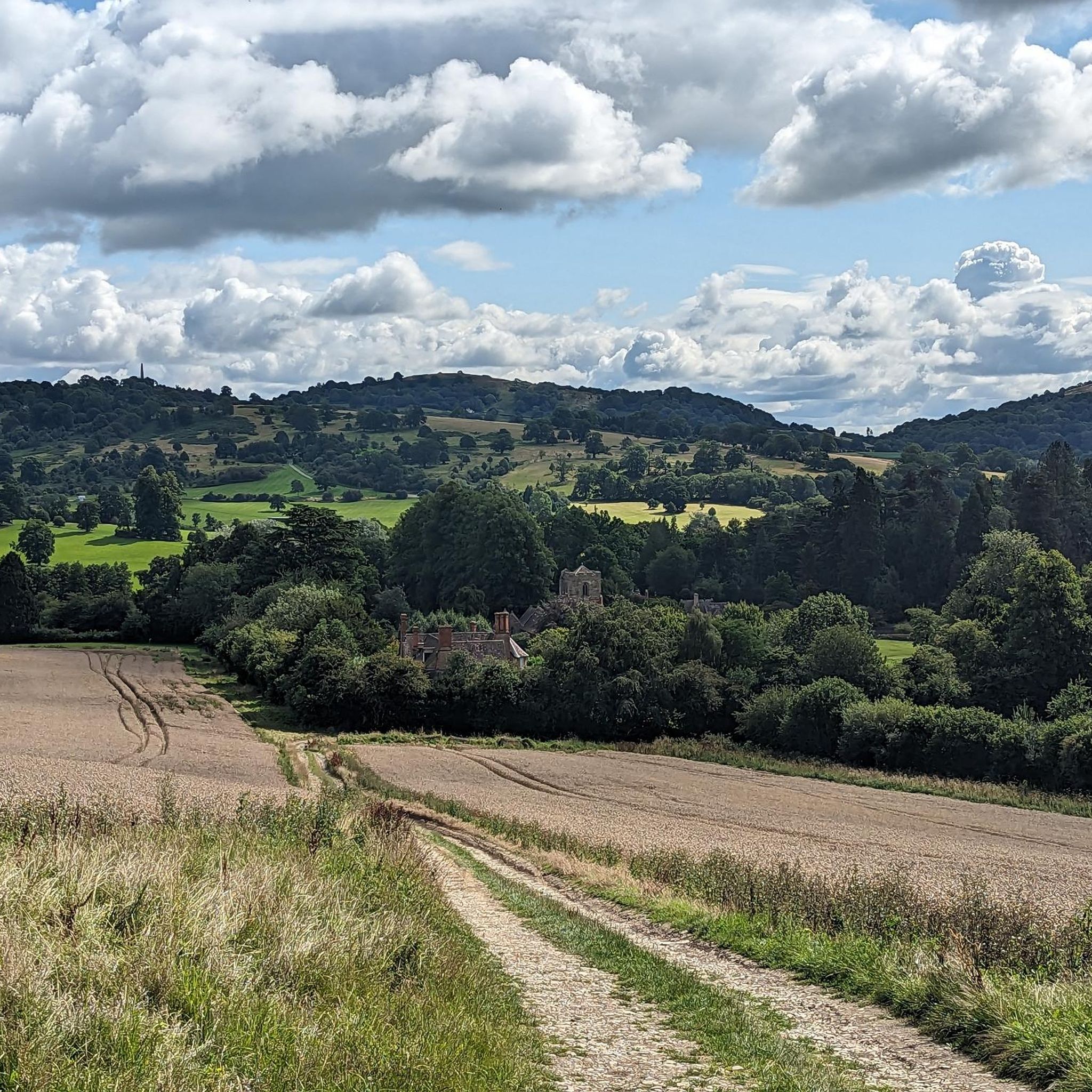
Midsummer Hill rises in the southern part of the Malvern Hills and is a very worthy objective. Site of a former hillfort, along with neighbouring Hollybush Hill, it provides extensive views, with the impressive Eastnor Castle visible in the Herefordshire countryside. A hike to the top could be combined with Herefordshire Beacon to the north, or a longer outing traversing the entire Malvern ridge.
0
0

Jubilee Hill is situated in the range of Malvern Hills that runs about 13 kilometres (8 mi) north-south along the Herefordshire - Worcestershire border. It lies between Perseverance Hill and Pinnacle Hill and has an elevation of 327 metres (1,073 ft). Jubilee Hill was named by the Malvern Hills Conservators in 2002 in honour of the Golden Jubilee of Elizabeth II. The Duke of York unveiled a plaque at the top of the hill, commemorating its new identity, in 2003. The plaque was taken away by someone sometime in March/April 2018. The site was also previously known, and is still today by a group of locals, as 'Dad's Hill', after a well-loved local bicycle shop-owner called Mr Earp who climbed Jubilee Hill frequently. Commemorated there upon his death a local group still climb the hill on the same day every year in his name[citation needed]. Jubilee Drive, the road which runs along the western (Herefordshire) side of the hills, was built and named for the Golden Jubilee of Queen Victoria, in 1887. Source: Wikipedia
0
0
Pinnacle Hill is situated in the range of Malvern Hills in England, running about 13 kilometres (8 mi) north-south along the Herefordshire-Worcestershire border. It lies between Jubilee Hill and Black Hill and has an elevation of 357 metres (1,171 ft). It is the site of two possible Bronze Age round barrows.
0
0
Frequently Asked Questions
What are some of the most popular natural monuments to visit around Donnington?
The area around Donnington, particularly within the Malvern Hills, offers several highly-rated natural monuments. Among the most popular is Herefordshire Beacon (British Camp), a summit featuring an Iron Age hill fort with splendid views. Another favorite is Midsummer Hill Iron Age Hillfort, which provides extensive views including Eastnor Castle. Visitors also enjoy Jubilee Hill, a viewpoint offering vistas along the Herefordshire-Worcestershire border.
Are there opportunities for hiking near the natural monuments around Donnington?
Yes, the natural monuments around Donnington are excellent for hiking. You can find a variety of trails, including easy hikes like the 'Ragged Stone and Chase End Hills loop from Hollybush' or 'The Woodshed, Eastnor – Somers Obelisk loop from Eastnor Castle'. For more options, explore the Easy hikes around Donnington guide.
What kind of natural features can I expect to see at these monuments?
The natural monuments around Donnington are primarily characterized by prominent summits and viewpoints within the Malvern Hills. You'll encounter diverse terrain, including ancient woodlands and open spaces. Unique geological formations are also present, such as the pillow lavas around Clutter's Cave, which formed almost 600 million years ago from an underwater volcanic eruption.
Are there any historical sites among the natural monuments in the Donnington area?
Absolutely. Many natural monuments in the Donnington area are intertwined with history. Herefordshire Beacon (British Camp) and Midsummer Hill Iron Age Hillfort are both significant Iron Age hill forts. Additionally, Pinnacle Hill is the site of two possible Bronze Age round barrows. In West Berkshire, Donnington Castle, though a ruin, is set on a natural redoubt and offers historical context within a natural landscape.
Which natural monuments are suitable for families with children?
For families, the Herefordshire Beacon (British Camp) offers an engaging climb to an Iron Age fort with rewarding views. The Donington and Albrighton Local Nature Reserve in Shropshire is also very family-friendly, featuring St. Cuthbert's Meadow for picnics and Donington Pool for wildlife observation and educational pond dipping.
Can I bring my dog to the natural monuments around Donnington?
Many natural monuments and trails in the Donnington area are dog-friendly, especially those in open countryside like the Malvern Hills. Always ensure your dog is under control, particularly around livestock or wildlife, and check for any specific local restrictions or lead requirements at individual sites. Snelsmore Common in West Berkshire also offers extensive trails suitable for dog walking.
What is the best time of year to visit the natural monuments around Donnington?
The natural monuments around Donnington can be enjoyed year-round, but spring and late summer are particularly beautiful. In spring, you might see bluebells in the woodlands around Donnington Castle in West Berkshire. Late summer brings heather in bloom on nearby heathland. The Malvern Hills offer stunning views in clear weather, making spring and autumn ideal for hiking with comfortable temperatures and vibrant foliage.
Are there any natural monuments around Donnington that offer unique geological insights?
Yes, Clutter's Cave in the Malvern Hills is a fascinating example. It's excavated into pillow lavas, which are rounded rock formations that resulted from a volcanic eruption under the sea almost 600 million years ago. These unique shapes can still be observed around the cave's entrance, offering a glimpse into ancient geological processes.
What outdoor activities, besides hiking, can I do near these natural monuments?
Beyond hiking, the region around Donnington offers various outdoor activities. You can find numerous road cycling routes, such as the 'Newent Cycling Loop' or 'A loop of the Malvern Hills & Worcester from Ledbury'. There are also touring bicycle routes, including challenging options like the 'Newent and Bromesberrow Heath loop from Ledbury'. For more details, refer to the Road Cycling Routes around Donnington and Cycling around Donnington guides.
Where can I find panoramic views of the surrounding countryside?
For breathtaking panoramic views, head to Herefordshire Beacon (British Camp) or Midsummer Hill Iron Age Hillfort in the Malvern Hills. Jubilee Hill also provides excellent vistas along the Herefordshire-Worcestershire border. Further afield, Walbury Hill, Berkshire's highest natural point, offers expansive views of the wider region.
Are there any natural reserves or areas focused on wildlife near Donnington?
Yes, in Shropshire, the Donington and Albrighton Local Nature Reserve is a 5.4-hectare haven for wildlife. It features St. Cuthbert's Meadow and Donington Pool, where visitors can observe nesting wildfowl and diverse flora, including rare willow carr woodland. In West Berkshire, Snelsmore Common is recognized for its diverse wildlife, including rare birds and butterflies, offering an immersive nature experience.
What do visitors enjoy most about the natural monuments around Donnington?
Visitors consistently praise the rewarding views after climbs, the rich historical context of sites like the Iron Age hill forts, and the diverse natural beauty. Many appreciate the opportunity to combine hiking with exploring ancient heritage, and the well-preserved remnants and archaeological discoveries add to the experience. The sense of achievement from conquering the various peaks along the Malvern ridge is also a common highlight.
Are there any easy walks to natural monuments around Donnington?
Yes, there are several easy walks available. For instance, the 'Ragged Stone and Chase End Hills loop from Hollybush' is an easy hike that allows you to experience the natural beauty of the area. The Donington and Albrighton Local Nature Reserve in Shropshire also offers peaceful, gentle walks suitable for all abilities. You can find more options in the Easy hikes around Donnington guide.
Most popular attractions around Donnington

Get inspired with the komoot mobile app


Explore more
Extend your search for the best caves by checking out these guides of the top ones around Donnington:
