Top 6 Natural Monuments around Wolferlow
Best natural monuments around Wolferlow are found in northern Herefordshire, a region characterized by scenic landscapes, traditional orchards, and ancient woodlands. This area boasts a rich natural heritage, including over 100 Local Geological Sites and more than 700 Local Wildlife Sites across the county. Ancient woodlands, comprising over 12,500 hectares, are a significant feature, offering complex ecosystems and diverse biodiversity. The Teme Valley countryside, where Wolferlow is situated, provides rolling hills and riverine landscapes for exploration.
Best natural monuments around…
Last updated: October 4, 2026
Ankerdine Hill
Highlight • Viewpoint
Tip by

Walsgrove Hill Summit View
Highlight • Viewpoint
Tip by
Sign up now to discover places like this
Get recommendations on the best single tracks, peaks, & plenty of other exciting outdoor places.
Hegdon Hill Trig Point
Highlight • Natural Monument
Tip by

The Nubbins Sandstone Cliffs
Highlight • Natural Monument
Tip by

Southstone Rock
Highlight • Forest
Here are some notes on its formation: earthheritagetrust.org/southstone-post
Tip by
Sign up for free to discover even more natural monuments around Wolferlow.
Already have an account?
Start today with a free account
Your next adventure awaits.

Tips from the Community

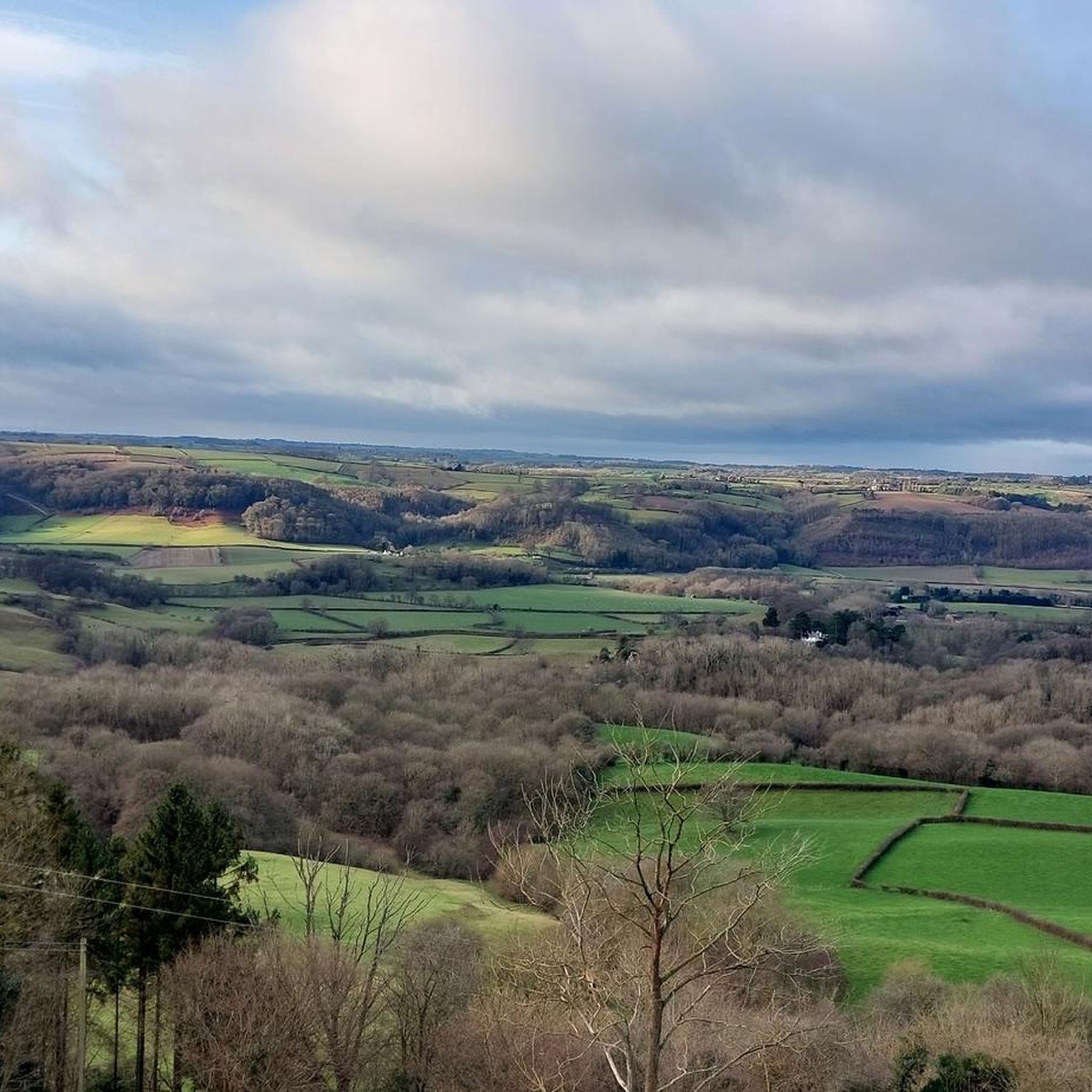
It's a steep pull up Walsgrove Hill from the north, and in the winter it will be slippery and muddy due to the activities of the sheep that live in this field. However, it offers fine views across to the clocktower and beyond.
0
0

Amazing rock formation in the woods. Well worth a visit. The path to the south side of the stream is badly overgrown. Here are some notes on its formation: https://earthheritagetrust.org/southstone-post/
0
0
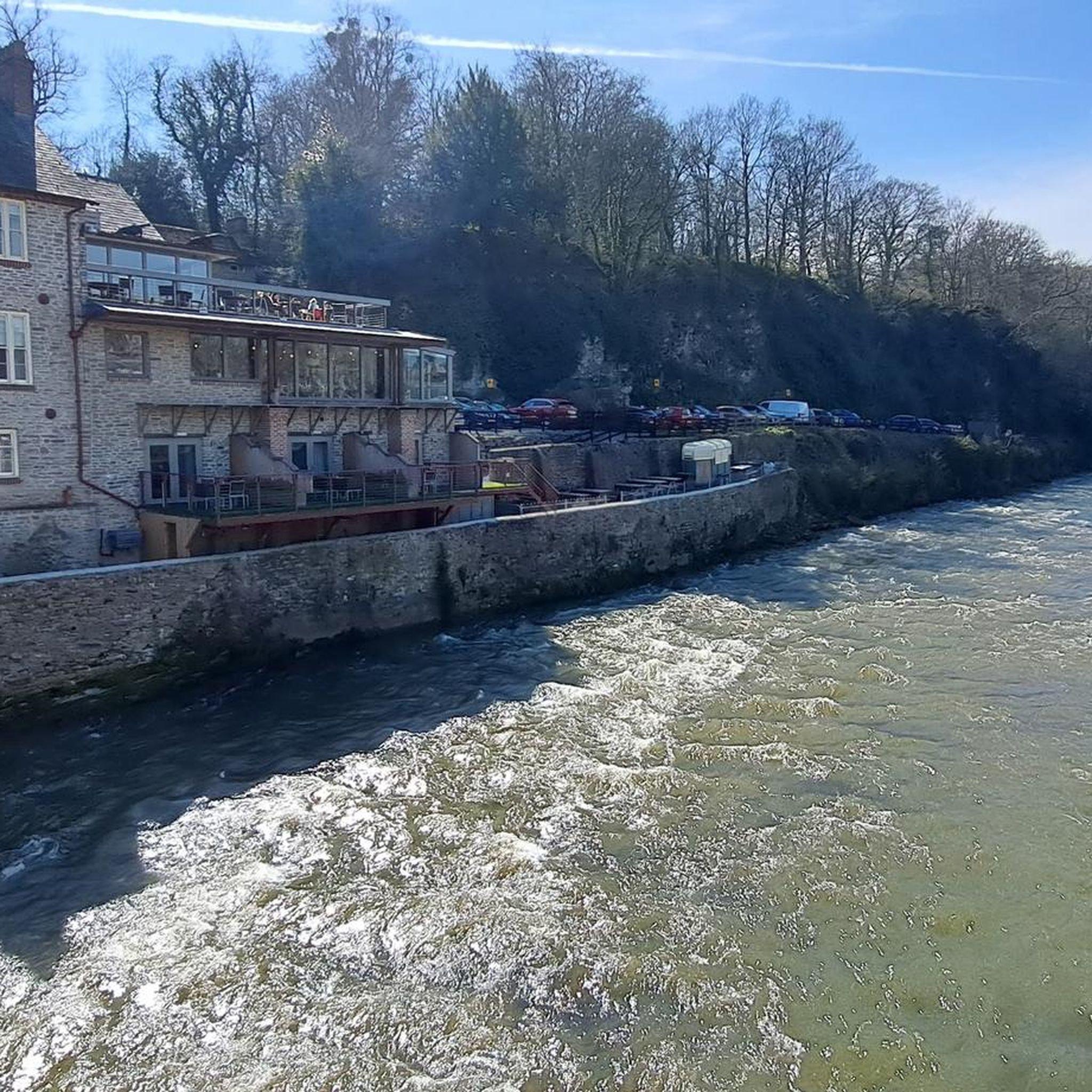
Red sandstone rock formation - low cliffs of exposed stone that has been historically quarried for building materials. A path runs along the bottom and the top, currently (Sept 2024) overgrown in places. An information sign gives details among the nettles.
1
0

View to the West The lower part of Walsgrove Hill and the hill on which Abberley clock tower stands are Silurian siltstone. The valley of the River Teme cuts into soft mudstones of the upper Silurian Old Red Sandstone with the harder sandstones of the lower Devonian Old Red Sandstone forming the Bromyard plateau. The low hummocky ground at the base of these hills is underlain by Carboniferous age Coal Measures rocks. These form the southerly tip of the Wyre Forest coalfield. Coal was mined here until the early twentieth century. To the north west, the Clee Hills are also formed of Carboniferous rocks. A molten layer of rock pushed between the layers and formed a hard black dolerite rock, the Dhustone, which slowed the erosion of these still prominent hills and is quarried for roadstone to this day. Source: Local signage
0
0


The trig point at the top of Hegdon Hill stands at 255m, making this peaceful summit officially a Marilyn. The views out across miles of rolling Herefordshire countryside are well worth the climb, and nearby Hegdon Hill Vineyard is well worth a visit, too.
0
0

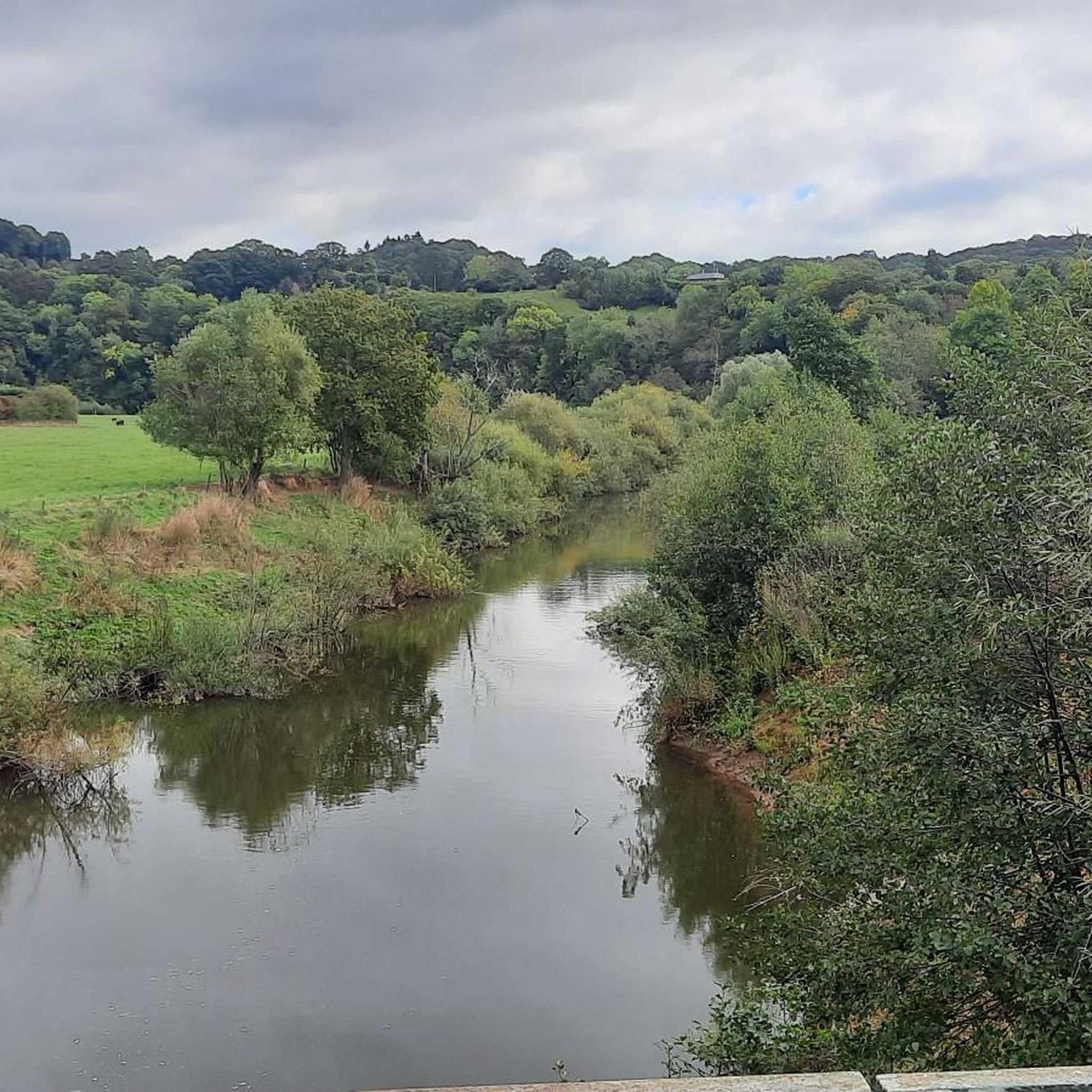
Ankerdine Hill, at 489 feet (149 m), is part of the Abberley Hills ridge in the Abberley and Malvern Hills Geopark. The ridge was formed during the Silurian period and is of considerable geological significance. The River Teme loops around the hill, surrounding it on its western, southern and eastern side, giving it superb views of the Teme Valley. It is most commonly ascended from the village of Knightwick, where the award-winning Talbot pub is a good post-hike option.
0
0
Walsgrove Hill boasts fantastic views from its 869-foot (265 m) summit towards Abberley Hill and its clock tower. It is at the northern end of a ridge that also contains Cockshot, Rodge, Pudford, Penny, Berrow and Ankerdine Hills. Formed during the Silurian period, the ridge is part of the Abberley and Malvern Hills Geopark, an area of considerable geological significance, spanning 700 million years of natural history.
0
0
Frequently Asked Questions
What are some of the unique natural features to explore around Wolferlow?
Beyond specific viewpoints, the Wolferlow area in Herefordshire is rich in natural features. You can explore Southstone Rock, an amazing rock formation located within a forest, notable for its unique geological characteristics. Another interesting site is The Nubbins Sandstone Cliffs, which are low cliffs of exposed red sandstone historically quarried for building materials.
Where can I find the best panoramic views of the Herefordshire countryside?
For expansive views, consider visiting Walsgrove Hill Summit View, which offers fantastic vistas from its 265-meter summit towards Abberley Hill. Another excellent spot is Hegdon Hill Trig Point, a peaceful summit at 255 meters, providing views across miles of rolling Herefordshire countryside.
What kind of geological significance do the natural monuments around Wolferlow hold?
The region around Wolferlow is part of the Abberley and Malvern Hills Geopark, an area of considerable geological significance spanning 700 million years of natural history. For example, Walsgrove Hill was formed during the Silurian period. Herefordshire also boasts over 100 Local Geological Sites, preserving important rock formations and features. You can learn more about the geology of Herefordshire at earthheritagetrust.org.
Are there ancient woodlands to explore near Wolferlow?
Yes, Herefordshire is particularly rich in ancient woodlands, with over 12,500 hectares classified as such. These irreplaceable ecosystems offer tranquil settings for walking, birdwatching, and experiencing Britain's environmental past, supporting diverse flora and fauna. While specific ancient woodlands in Wolferlow are not detailed, the surrounding Teme Valley countryside is known for its ancient woodlands.
What outdoor activities can I do near these natural monuments?
The area around Wolferlow offers various outdoor activities. You can find numerous hiking opportunities, including easy walks like the 'Parkland Walk' or moderate routes such as the 'View of Teme Valley – Walsgrove Hill Summit View loop'. For more hiking options, explore the Hiking around Wolferlow guide. Road cycling is also popular, with routes like the 'Quiet Country Lane loop from Stoke Bliss' available in the Road Cycling Routes around Wolferlow guide.
Are there easy walking trails suitable for families around Wolferlow's natural monuments?
Yes, there are several easy walking trails. The 'Parkland Walk' is a good option, as are routes like 'The Fox, Hanley Broadheath – Stinging Nettles and Thistles loop'. These trails are generally suitable for a relaxed outing. For more easy options, refer to the Easy hikes around Wolferlow guide.
When is the best time to visit the natural monuments around Wolferlow?
The best time to visit is generally during spring, summer, and early autumn (April to October) when the weather is milder and the countryside is in full bloom. Spring offers wildflowers, while autumn brings vibrant foliage. Some trails, especially those involving ascents like Walsgrove Hill, can be slippery and muddy in winter due to sheep activity.
Can I bring my dog to the natural monuments and trails?
Many trails and natural areas in the Herefordshire countryside are dog-friendly, provided dogs are kept under control, especially around livestock and wildlife. Always check local signage for specific restrictions, particularly in nature reserves or protected areas, and ensure you clean up after your pet.
What kind of wildlife can I expect to see in the Wolferlow area?
The ancient woodlands and diverse landscapes of Herefordshire support a rich biodiversity. You might spot various bird species, small mammals, and a wide array of insects and plant life. The region's Local Wildlife Sites contribute significantly to this natural heritage, offering opportunities for wildlife spotting, especially in quieter areas.
Are there any designated nature reserves near Wolferlow?
While Wolferlow itself is a small parish, the broader Herefordshire county is home to significant protected natural spaces. National Nature Reserves like Moccas Park and Gillian's Wood, recognized for their ancient woodland and wood pasture habitats, are examples of the region's commitment to conservation. Herefordshire also has over 700 Local Wildlife Sites. You can find more information on Herefordshire's geological and wildlife sites at herefordshire.gov.uk.
What are the typical terrain and difficulty levels for hiking around Wolferlow?
The terrain around Wolferlow varies, featuring rolling hills, riverine landscapes, and ancient woodlands. Trails can range from easy, relatively flat walks like the 'Parkland Walk' to moderate ascents. For instance, the climb up Walsgrove Hill can be steep and potentially muddy in winter. Some routes, like those near The Nubbins Rock Formation, may involve steep climbs and can be overgrown in summer, requiring off-road shoes.
Are there any historical natural sites in the area?
Yes, some natural features also have historical significance. The Nubbins Sandstone Cliffs, for example, are low cliffs of exposed stone that have been historically quarried for building materials. Wolferlow Park itself was a former deer park dating back to at least the 17th century, indicating areas of retained natural beauty and mature trees with historical land use.
Most popular attractions around Wolferlow

Get inspired with the komoot mobile app


Explore more
Extend your search for the best caves by checking out these guides of the top ones around Wolferlow:
