Top 9 Natural Monuments around Leintwardine
Best natural monuments around Leintwardine include a landscape characterized by rivers, woodlands, and significant geological formations. The area is situated on the banks of the River Teme, providing a tranquil environment. Geological features, such as the Upper Silurian series and the "Leintwardine beds," reveal a history stretching back over 500 million years. These natural features collectively highlight the region's appeal for those interested in geology, scenic walks, and serene natural settings.
Best natural monuments around Leintwardine
- The most popular natural…
Last updated: July 1, 2026
Burrow Hillfort
Highlight • Historical Site
Tip by

Croft Ambrey Hillfort
Highlight • Historical Site
Tip by

Sign up now to discover places like this
Get recommendations on the best single tracks, peaks, & plenty of other exciting outdoor places.
Sign up for free
Bury Ditches hillfort (Sunny Hill)
Highlight • Viewpoint
Tip by

Kinsley Wood
Highlight (Segment) • Viewpoint
Tip by

Dinham Weir
Highlight • Viewpoint
Tip by

Sign up for free to discover even more natural monuments around Leintwardine.
Sign up for free
Already have an account?
Start today with a free account
Your next adventure awaits.
Login or Signup

Other adventures around Leintwardine

Tips from the Community

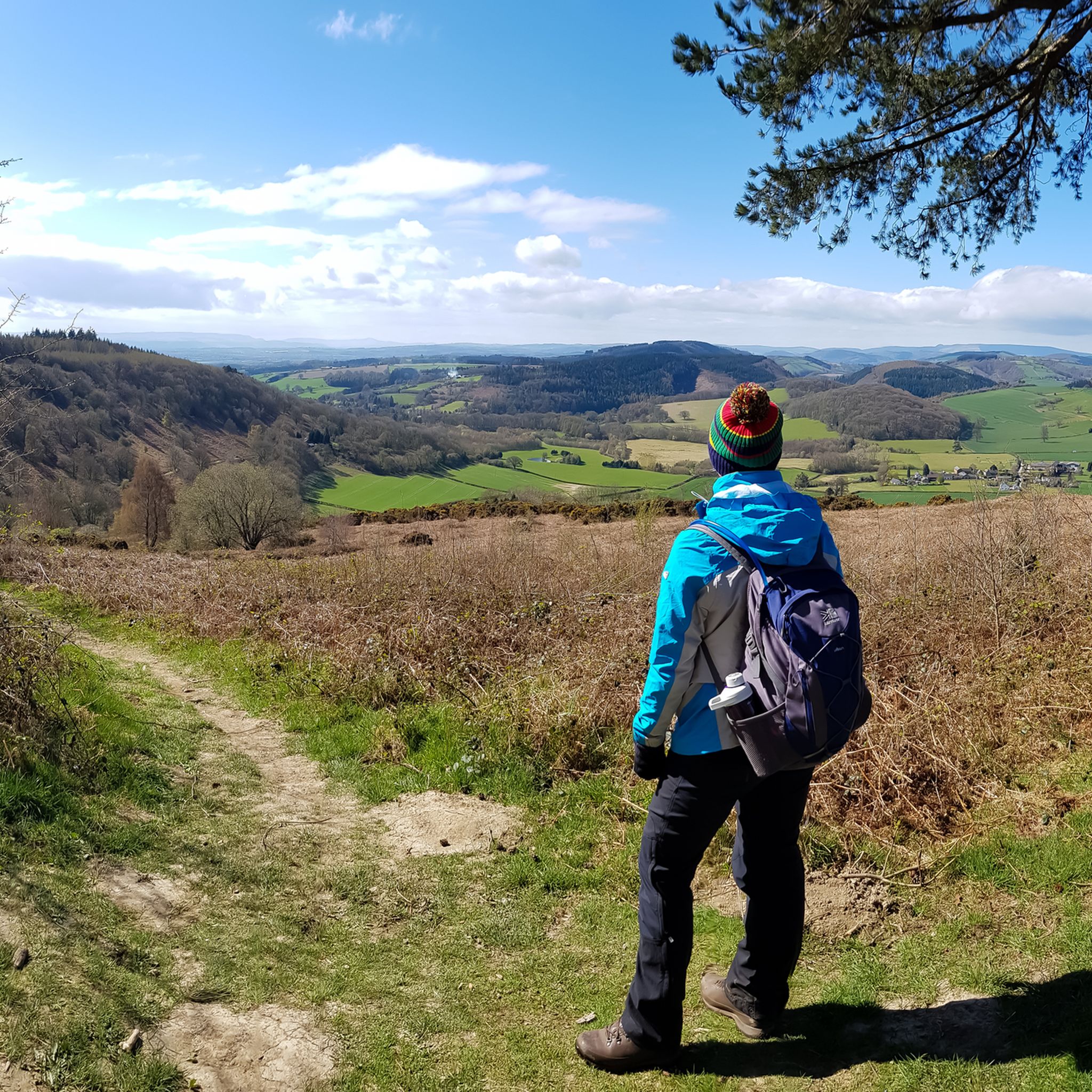
Stunning views from the top of the Crofy Ambrey Iron Age Hill Fort, a perfect place for a picnic. We combined and followed two of the National Trust walks starting from Croft Castle (we found the walks very well sign posted) This view is from the 'Croft Ambrey Walk' and takes you through the fort and its ramparts.
0
0

Located close to the Anglo-Welsh border and skirted by Offa's Dyke, this enchanting wooded hill is dominated by larch and Douglas fir, planted in the 1950s to replenish timber stores in Britain after WWII. There's a wealth of trails and forest roads to explore on foot. It's an enjoyable place to visit at any time of year, but in the autumn the initials 'ER' appear on the wooded slopes, an arrangement planted in 1953 to celebrate Queen Elizabeth's coronation.
1
0


So beautiful place. Quiet and surrounded by fabulous scenery
0
0

A brilliant example of a multivallate Iron Age Fort, one of many forts along the Wales and England border. There are fine ramparts here but today in July, mid summer it is rather overgrown and it is difficult to see the grandness of it all. As Dan says, nobody seems to pay attention to here too, it not maintained, no information boards or signage. A pity as it is an easy walk and has fine views.
3
0

Yatton Hill boasts some tremendous views of the Marches region as well as housing the ancient hillfort of Croft Ambrey. The fort is thought to have once covered over 2 acres (0.8 ha) of land and its earthwork ramparts can still be seen today. Excavations in the 1960s found various treasures, such as metal tools, Iron Age pottery and glass objects. Historians believe that between 500 and 900 people lived on the site.
0
0

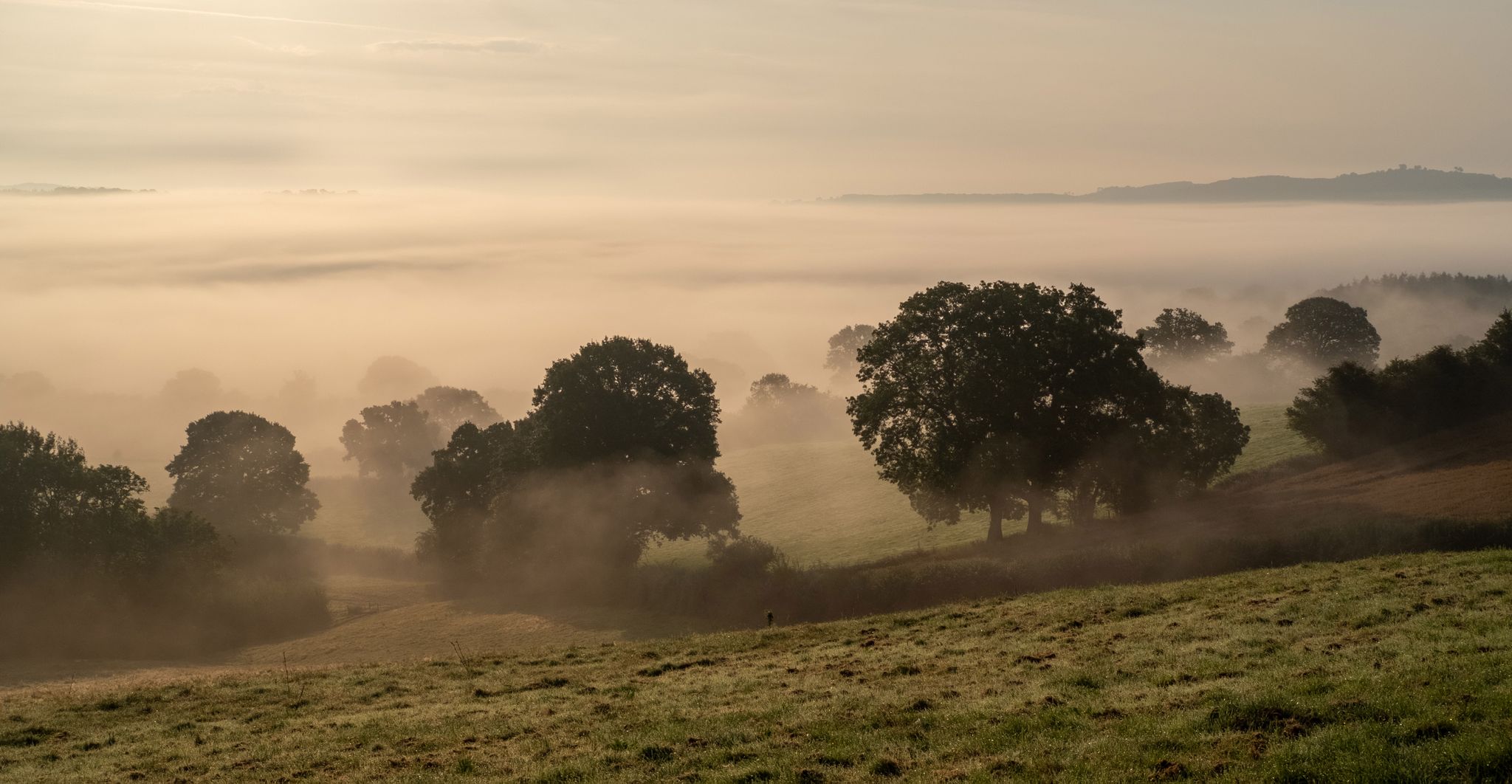
Sunny Hill is the site of Bury Ditches, an Iron Age hillfort dating back to around 500 BC. The fort is exceptionally well-preserved and has impressive defensive earthworks. Once covered in trees, planted by the Forestry Commission, a series of storms led to them being removed and today, the views are fantastic.
0
0

Make sure open the flap in the board walking down (Kempton-side). There used to be a village on top of this hill! Beautiful views in every direction here!
0
0
Frequently Asked Questions
What natural features define the landscape around Leintwardine?
The area around Leintwardine is characterized by its picturesque rivers, extensive woodlands, and significant geological formations. The village itself is nestled on the banks of the River Teme, offering a tranquil and scenic environment. You'll find ancient woodlands, dramatic gorges, and unique wetland ecosystems.
Are there any ancient historical sites among the natural monuments near Leintwardine?
Yes, the region is rich in historical natural monuments. You can explore several well-preserved Iron Age hillforts, such as Bury Ditches hillfort (Sunny Hill), Burrow Hillfort, and Croft Ambrey Hillfort. These sites offer not only historical intrigue but also fantastic panoramic views of the surrounding landscape.
What are some notable geological sites near Leintwardine?
Leintwardine is renowned for its geological significance. Church Hill Quarry, located east of the River Teme bridge, is a site of significant interest for its Silurian fossils and exposed geological formations like the Middle Elton and Lower Leintwardine. The area is also known for its Upper Silurian series, including the 'Leintwardine beds,' which reveal a history stretching back over 500 million years. Trippleton Lane quarry showcases a notable unconformity, providing insights into ancient environments.
What are the best viewpoints for panoramic scenery around Leintwardine?
For breathtaking views, consider visiting Bury Ditches hillfort (Sunny Hill), which offers fantastic views in every direction. Burrow Hillfort also provides incredible panoramic vistas. Additionally, Whitcliffe Common, managed by the Shropshire Wildlife Trust, offers wonderful views and delightful walks by the river. The Leintwardine East Walking Route also provides superb panoramic views, including sights of Croft Ambrey, Wales, and the Shropshire Hills.
Are there family-friendly natural monuments or walks near Leintwardine?
Yes, several natural monuments are suitable for families. Dinham Weir is a very pretty place to take a rest and enjoy the scenery. Kinsley Wood offers a wealth of trails and forest roads to explore on foot, making it an enjoyable place for families at any time of year.
What outdoor activities can I do near Leintwardine's natural monuments?
The area around Leintwardine offers diverse outdoor activities. You can enjoy hiking on various trails, including moderate and difficult routes like the 'Hopton Woods & Hopton Castle loop' or 'The Sun and The Lion Pubs – Downton Gorge loop'. There are also options for gravel biking and road cycling, with routes like 'Ludlow Castle – Mortimer Forest loop' or 'The White Horse Inn, Clun – Clun Stone Bridge loop'. For more details on routes, check out the hiking guide, gravel biking guide, and road cycling guide for Leintwardine.
Where can I go for wildlife spotting near Leintwardine?
For wildlife enthusiasts, the River Teme and its riverside setting offer opportunities to observe local flora and fauna. Withybeds, managed by the Radnorshire Wildlife Trust, is an island of wet willow woodland alongside the River Lugg, providing a unique habitat for birdwatching and wetland ecosystems. The Leintwardine East Walking Route is also noted for sightings of sheep, pheasant, and red kites.
What is Downton Gorge National Nature Reserve like?
Downton Gorge is a designated Site of Special Scientific Interest (SSSI) and a National Nature Reserve. It features ancient woodland, a remnant of the former royal forest of Bringewood Chase. The gorge's dramatic landscape and historical connection to ironworking add to its intrigue, making it a fascinating place for nature and history lovers alike.
Are there any natural monuments that are particularly tranquil or less visited?
Many visitors find the area around Leintwardine to be generally tranquil. Burrow Hillfort, despite its incredible panoramic views and well-preserved ramparts, is surprisingly little-visited. The Leintwardine East Walking Route is also noted for its tranquility, offering a peaceful experience away from crowds.
What is the best time of year to visit the natural monuments around Leintwardine?
The natural monuments around Leintwardine can be enjoyed throughout the year, each season offering a different charm. Spring brings new growth and wildflowers, while summer is ideal for longer walks and enjoying the riverside. Autumn showcases beautiful foliage, particularly in wooded areas like Kinsley Wood. Even winter offers peaceful, crisp walks, with the possibility of spotting wildlife.
Can I find places to eat or stay near the natural monuments?
Leintwardine village and the surrounding areas offer various options for refreshments and accommodation. While specific establishments are not listed for each monument, the region has cafes, pubs, and accommodation options. For example, visitors to Dinham Weir have noted excellent cafes nearby. The village of Leintwardine itself has local establishments with lawns sloping down to the River Teme, providing idyllic settings.
What makes Harton Hollow unique?
Harton Hollow is a pretty wood situated on an ancient barrier reef, offering a fascinating combination of natural beauty and geological history. It is managed by the Shropshire Wildlife Trust, providing a unique opportunity to explore both the natural environment and ancient geological formations in one location.
Most popular routes around Leintwardine
Most popular attractions around Leintwardine

Get inspired with the komoot mobile app


Explore more
Extend your search for the best caves by checking out these guides of the top ones around Leintwardine:
