Top 10 Natural Monuments around Stoneleigh
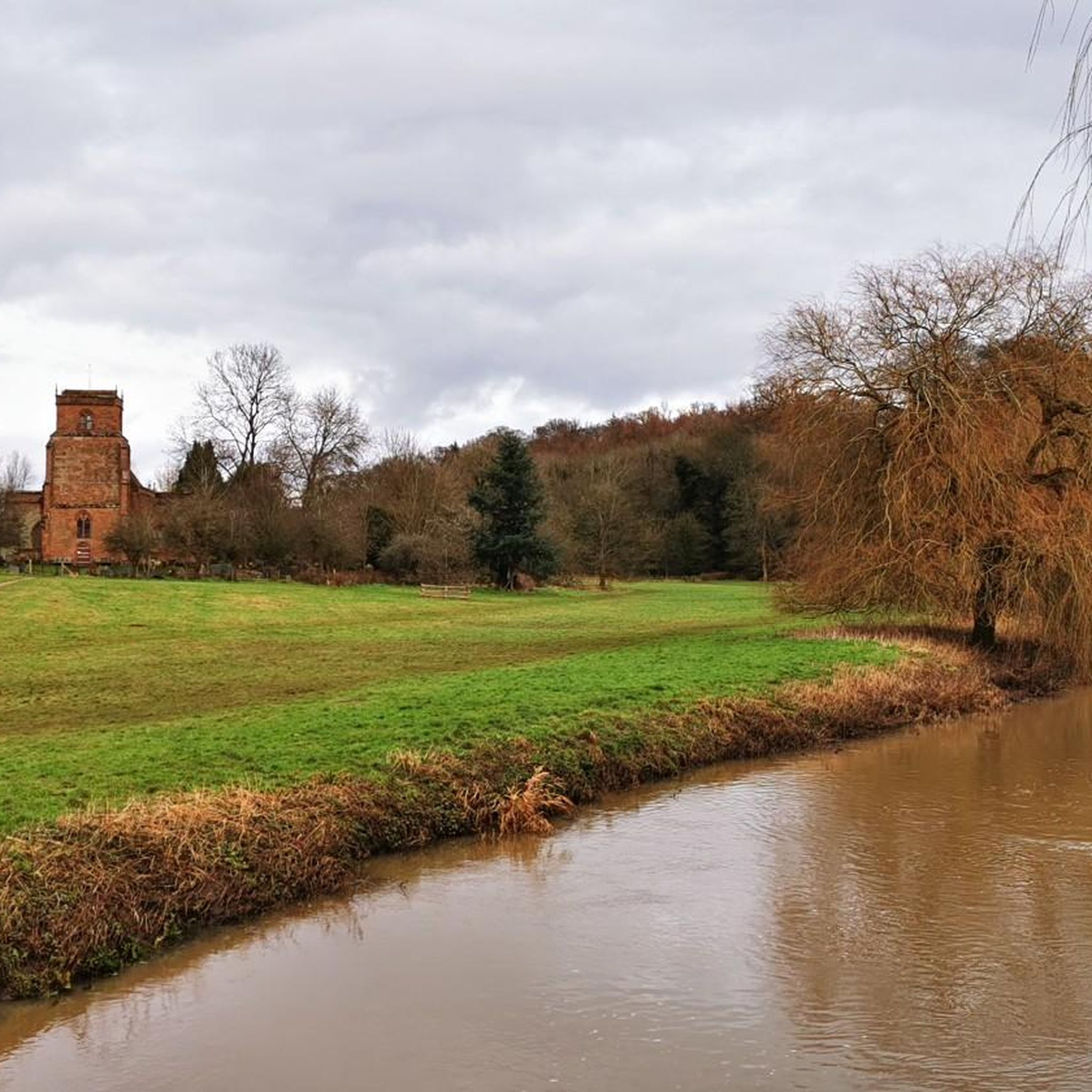
Natural monuments around Stoneleigh, Warwickshire, offer diverse natural areas and historical features within a riverine environment. The region provides opportunities to explore local ecology and observe wildlife. These sites blend natural beauty with cultural insights, making them notable for outdoor exploration. The landscape around Stoneleigh is characterized by varied natural features and accessible walking trails.
Best natural monuments around Stoneleigh
- The most popular natural monument is Sand Martin Nesting Wall, Ryton Pools Country Park, a natural feature that provides…
Last updated: May 3, 2026
Kenilworth Castle Ruins
Highlight • Castle
Tip by

Jephson Memorial
Highlight • Monument
The …
Tip by
Sign up now to discover places like this
Get recommendations on the best single tracks, peaks, & plenty of other exciting outdoor places.
Sign up for free
Berkswell Well
Highlight • Natural
Tip by
Sand Martin Nesting Wall, Ryton Pools Country Park
Highlight • Natural
Tip by
Kenilworth Sandstone Railway Cutting
Highlight • Natural
Warwickshire Museum. Situated at the eastern end of the Kenilworth Greenway, the cycle and pedestrian path that runs south-east of the new …
Tip by
Sign up for free to discover even more natural monuments around Stoneleigh.
Sign up for free
Already have an account?
Start today with a free account
Your next adventure awaits.
Login or Signup

Tips from the Community

Check out the bee hive at the back! There plants in there are absolutely beautiful
0
0

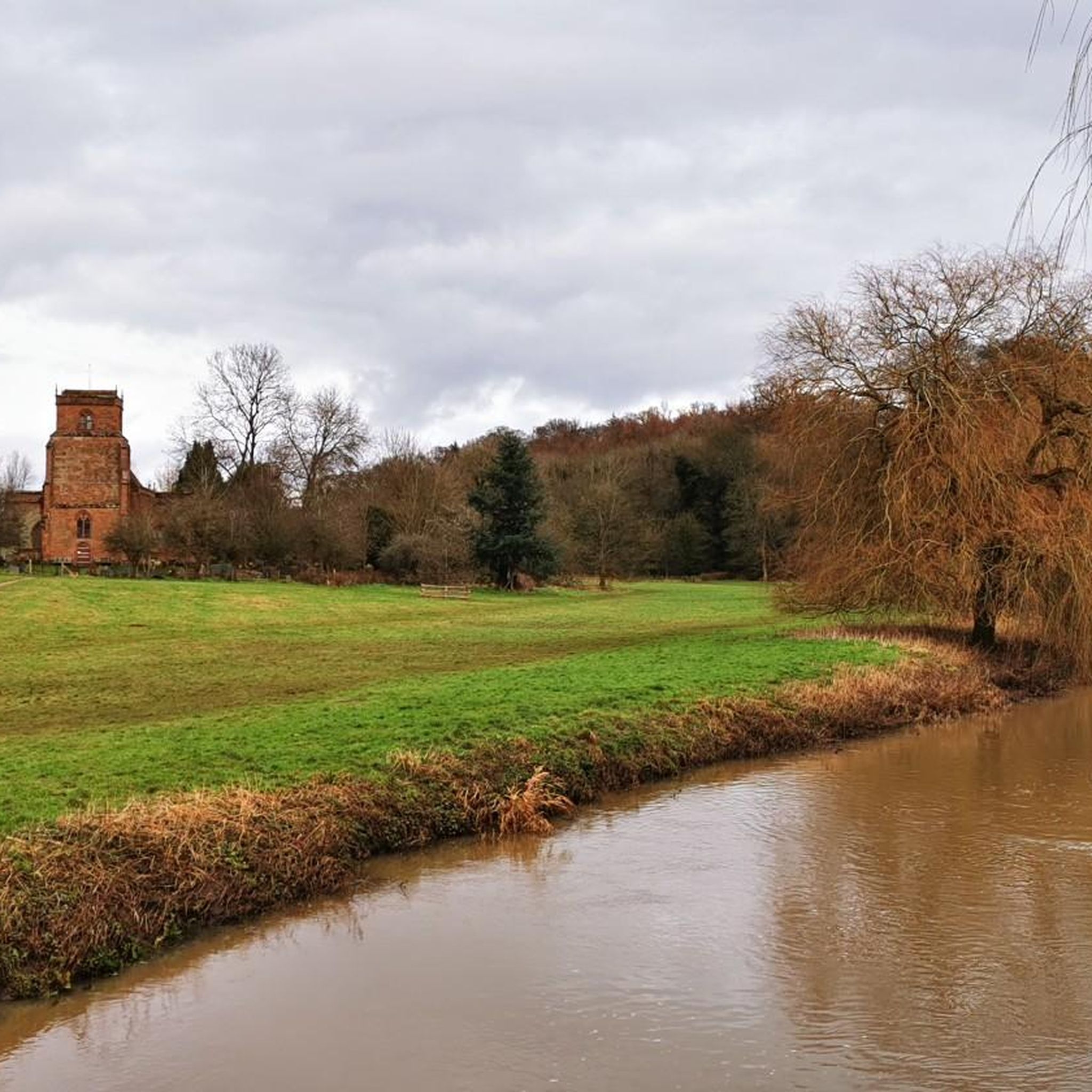
The area surrounding Castle Green offers picturesque views of the castle ruins and a greenery for visitors interested in England's rich history and architecture
0
0

Robert Langham (C16) - "The Castle has the name of Killingwoorth, but if truth grounded upon faithful story, Kenelwoorth [Kenilworth]. It stands in Warwickshire, a 74 mile North-West from London, and as it were in the navel of England, four mile somewhat South from Coventry a proper city, and a like distance from Warwick, a fair Shire town on the North. In air sweet and wholesome, raised on an easy-mounted hill, is set evenly coasted with the front straight into the East, has the tenants and town about it, that pleasantly shifts from dale to hill, sundry wherewith sweet springs burst forth; and is so plentiful and well sorted on every side into arable, meadow, pasture, wood, water, and good air, as it appears to have need of nothing that may pertain to living or pleasure."
0
0

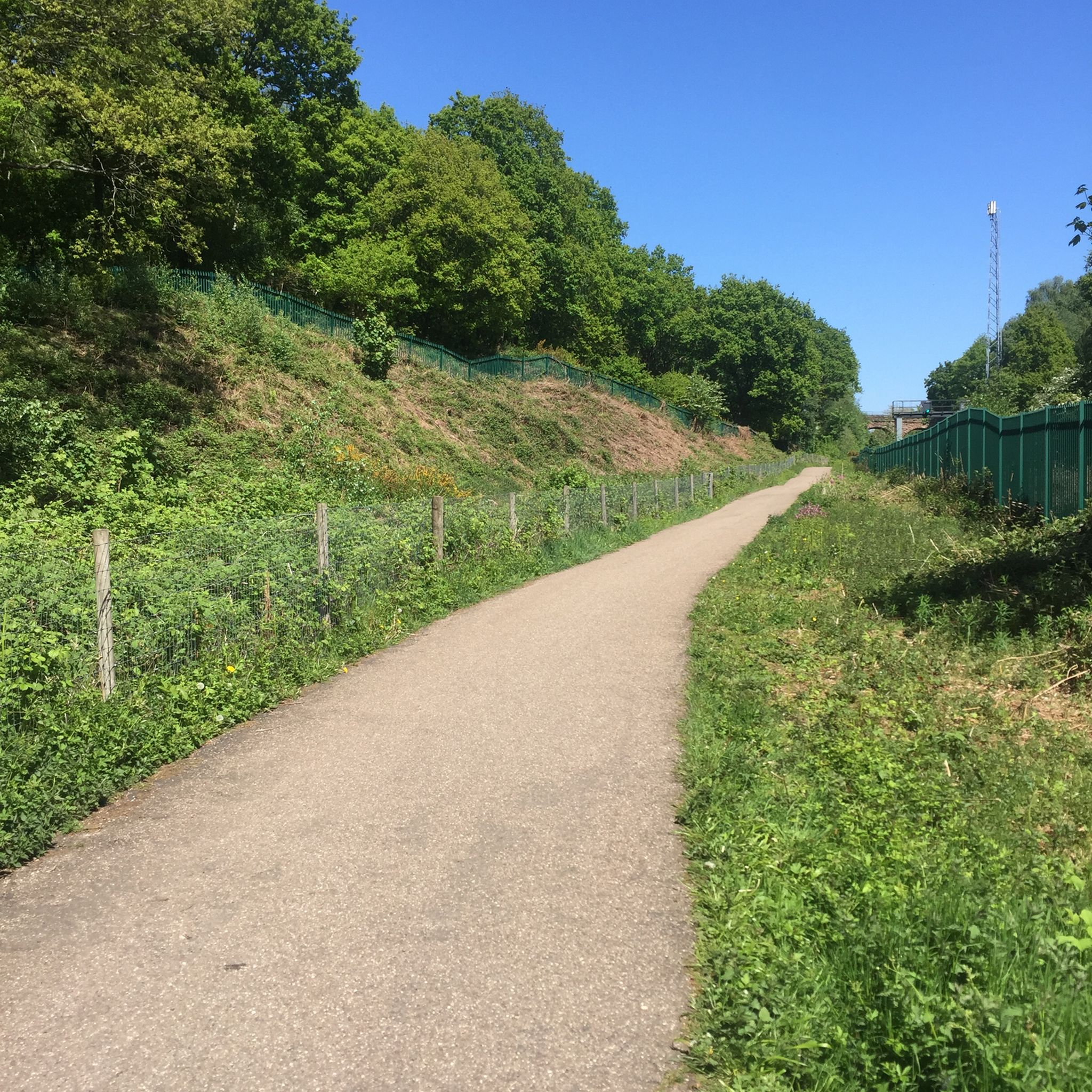
This outcrop tells a story of when Kenilworth lay just north of the Equator in a semi-desert climate with market wet and dry seasons. Many buildings in Old Kenilworth, notably the Castle, the Abbey and St. Nicholas Church, are built of the local Kenilworth Sandstone that you can observe here.
1
0
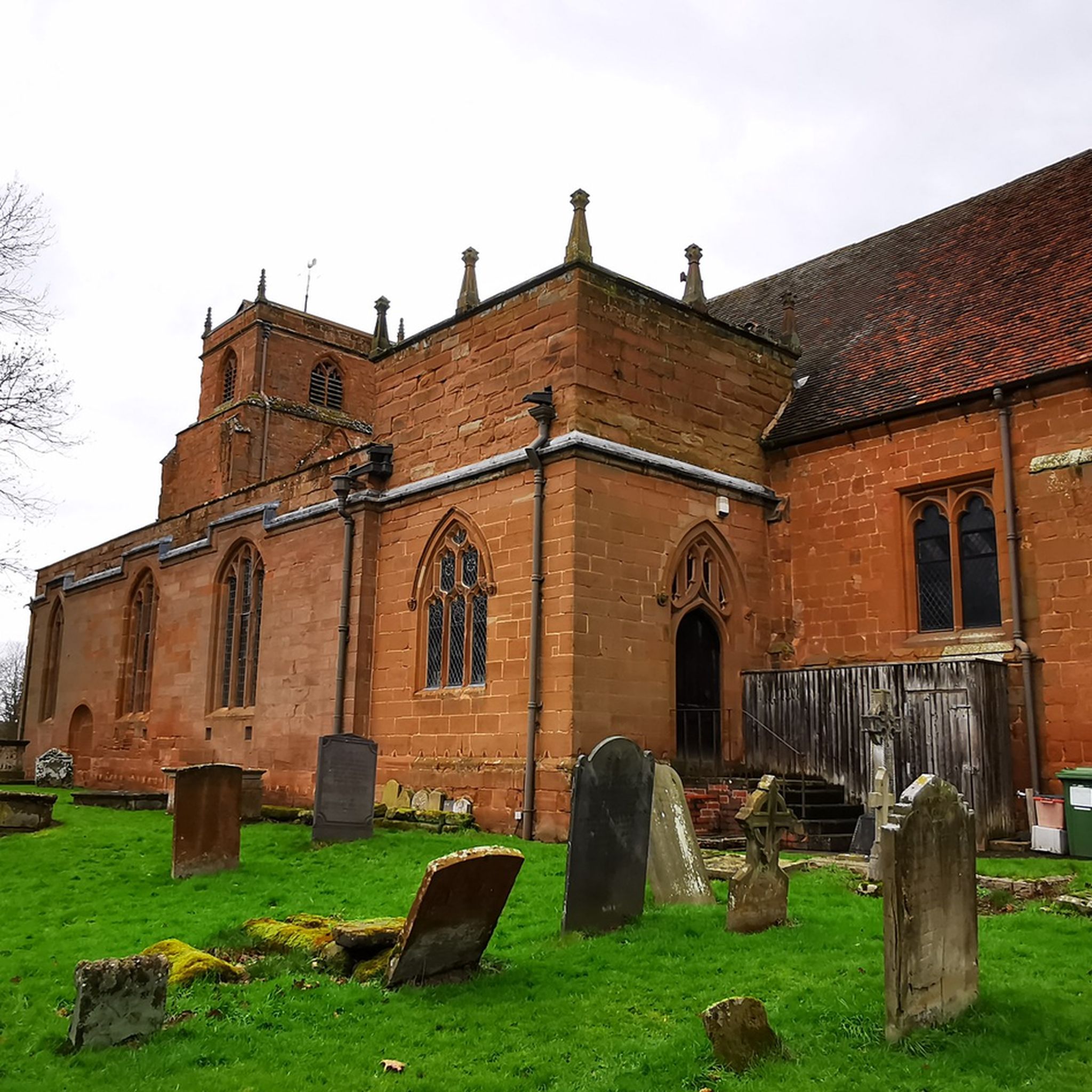
Although much of it is still in ruins, it is definitely worth the visit, very accessible from the centre and with a good car park (paid) next to it. The castle, which was built between the beginning of Norman rule in England and the Tudor period, played a significant role in history.
1
0
Owned by English Heritage it has an interesting history
2
0

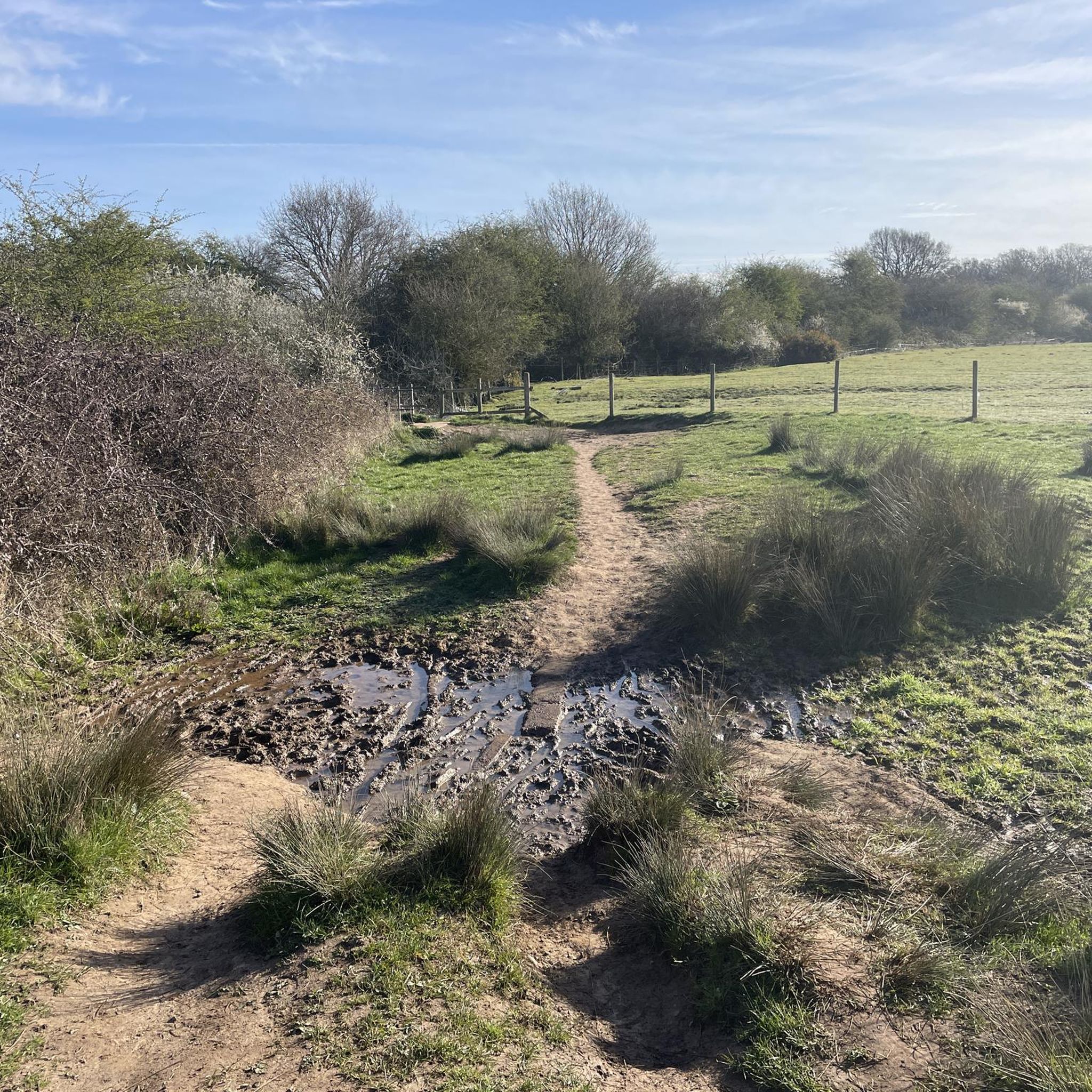
As part of the creation of a new UK Mail facility at the Prologis Park Ryton, our client Prologis had created a temporary borrow pit as part of the works and inadvertently, created the perfect new home for a colony of Sand Martins Riparia riparia which moved in and successfully bred (2015). The birds were left to nest in peace after a wide exclusion zone was implemented but realising that the site was on the birds’ migration route together with the fact that the borrow pit couldn’t stay on site long-term, we worked with Prologis, Whiting Landscapes and the park rangers at nearby Ryton Pools Country Park to create a brand new permanent and purpose-built nesting site in this 100 acre site managed jointly between Warwickshire County Council and Warwickshire Wildlife Trust. The Sand Martin nesting wall was completed in March 2016 and this year has already had a couple of pairs taking an interest. As well as providing a large and safe nesting habitat, the 15m long structure also has a number of pre-formed swallow nest sites and a rear door inspection hatch so that the rangers can keep an eye on the nesting progress and carry out any necessary maintenance. To prevent predation by other wildlife such as stoats, an anti-predator baffle has been installed below the tunnels which have been constructed of plastic pipes. We also helped create the new information board which has been installed opposite the nesting wall to inform the local visitors to the country park about the new nesting site. It’s hoped that grizzled skipper butterflies will also benefit from the new structure as one of the food plants of the larvae stage – strawberries – are to be planted on the aggregate roof in the near future! Sand Martins are gregarious and therefore tend to nest in large colonies. They are Europe’s smallest hirundine (martins and swallows) and the insectivorous birds are summer visitors to the UK, over-wintering in Africa.
0
0
Frequently Asked Questions
What are some of the most popular natural monuments around Stoneleigh?
Visitors frequently appreciate the Sand Martin Nesting Wall, Ryton Pools Country Park, a unique, purpose-built nesting site for Sand Martins. Another highly regarded spot is the Kenilworth Sandstone Railway Cutting, which exposes ancient geological formations. The historical Berkswell Well is also a popular natural feature with a rich local history.
Are there family-friendly natural attractions in the Stoneleigh area?
Yes, several natural monuments around Stoneleigh are suitable for families. The Sand Martin Nesting Wall, Ryton Pools Country Park offers an opportunity to observe wildlife and learn about conservation. The Kenilworth Sandstone Railway Cutting is also family-friendly, providing an interesting geological and historical experience. Additionally, the Berkswell Well is a historical natural feature that can be enjoyed by all ages.
What kind of historical features can be found among Stoneleigh's natural monuments?
The region blends natural beauty with significant historical elements. The Kenilworth Sandstone Railway Cutting showcases Kenilworth Sandstone, dating back 280 million years, which was used to build local structures like Kenilworth Castle. Berkswell Well, a primary water source for villagers until the mid-20th century, is associated with early Christian baptisms. The Barbed Poppies Memorial, Jephson Gardens, while man-made, is a poignant historical monument within a natural setting, commemorating those involved in World War One.
Are there any wheelchair-accessible natural monuments or parks nearby?
Yes, the Barbed Poppies Memorial in Jephson Gardens is wheelchair accessible. Additionally, War Memorial Park Coventry offers large green spaces with many tarmac paths in good condition, making it accessible for visitors using wheelchairs.
What outdoor activities can I do near the natural monuments around Stoneleigh?
The area around Stoneleigh offers various outdoor activities. You can find numerous MTB trails, including easy routes like the Ryton Pools Country Park Mountain Bike Route. There are also several running trails, such as the moderate 'After Tea — A Coventry Way Circular Walk 06'. For cycling enthusiasts, cycling routes like the easy Forest Trail – Old Railway Tunnel loop from Kenilworth are available.
Where can I find walking trails near Stoneleigh's natural monuments?
Many of the natural monuments are integrated into or near walking paths. For instance, the Kenilworth Sandstone Railway Cutting is part of the Kenilworth Greenway, a cycle and pedestrian path. You can explore various running and walking trails that pass through natural areas and offer different difficulty levels.
Are there opportunities for wildlife observation near Stoneleigh?
Yes, the Sand Martin Nesting Wall, Ryton Pools Country Park is specifically designed to support Sand Martin colonies, offering excellent opportunities for birdwatching. The broader Leam Valley Local Nature Reserve in Stoneleigh, Warwickshire, is also known as a haven for local wildlife, including kingfishers and otters, and features diverse wildflowers.
What is the best time of year to visit the natural monuments around Stoneleigh?
The Leam Valley Local Nature Reserve, with its riverine environment and wildflowers, is particularly vibrant during spring and summer. For birdwatching at the Sand Martin Nesting Wall, late spring to early autumn would be ideal when the birds are nesting and active. Generally, spring and summer offer the most pleasant weather for exploring the outdoor natural monuments.
Are there any natural monuments that are also good for dogs?
While specific dog-friendly designations for each natural monument are not always explicit, many natural areas and parks around Stoneleigh welcome dogs on leads. The Leam Valley Local Nature Reserve and areas around Ryton Pools Country Park (where the Sand Martin Nesting Wall is located) are generally suitable for walks with dogs, provided they are kept under control.
What makes the natural monuments around Stoneleigh unique?
The natural monuments in Stoneleigh are unique for their blend of ecological significance and historical depth. From the ancient geology of the Kenilworth Sandstone Railway Cutting, which tells a story of a semi-desert climate millions of years ago, to the conservation efforts at the Sand Martin Nesting Wall, these sites offer insights into both natural history and ongoing ecological preservation. The presence of historical features like Berkswell Well further enriches the experience.
How long should I plan for a visit to the natural monuments?
The duration of your visit depends on which natural monuments you choose to explore. For individual sites like the Berkswell Well or the Kenilworth Sandstone Railway Cutting, a short stop of 30 minutes to an hour might suffice. If you plan to combine a visit with a walk or cycle along nearby trails, or spend time observing wildlife at Ryton Pools Country Park, you could easily spend half a day or more.
Most popular routes around Stoneleigh
Most popular attractions around Stoneleigh

Get inspired with the komoot mobile app


Explore more
Extend your search for the best caves by checking out these guides of the top ones around Stoneleigh:
