Top 8 Natural Monuments around Westerleigh
Best natural monuments around Westerleigh are found within a region of South Gloucestershire, offering diverse landscapes and ecological interest. The village is situated near the sources of the River Frome and close to the Cotswold Hills, an Area of Outstanding Natural Beauty. This area features a mix of ancient woodlands, river valleys, and reclaimed industrial landscapes now thriving with wildlife. Visitors can explore a variety of natural features, from dramatic gorges to nature reserves.
Best natural monuments around Westerleigh
- The…
Last updated: July 1, 2026
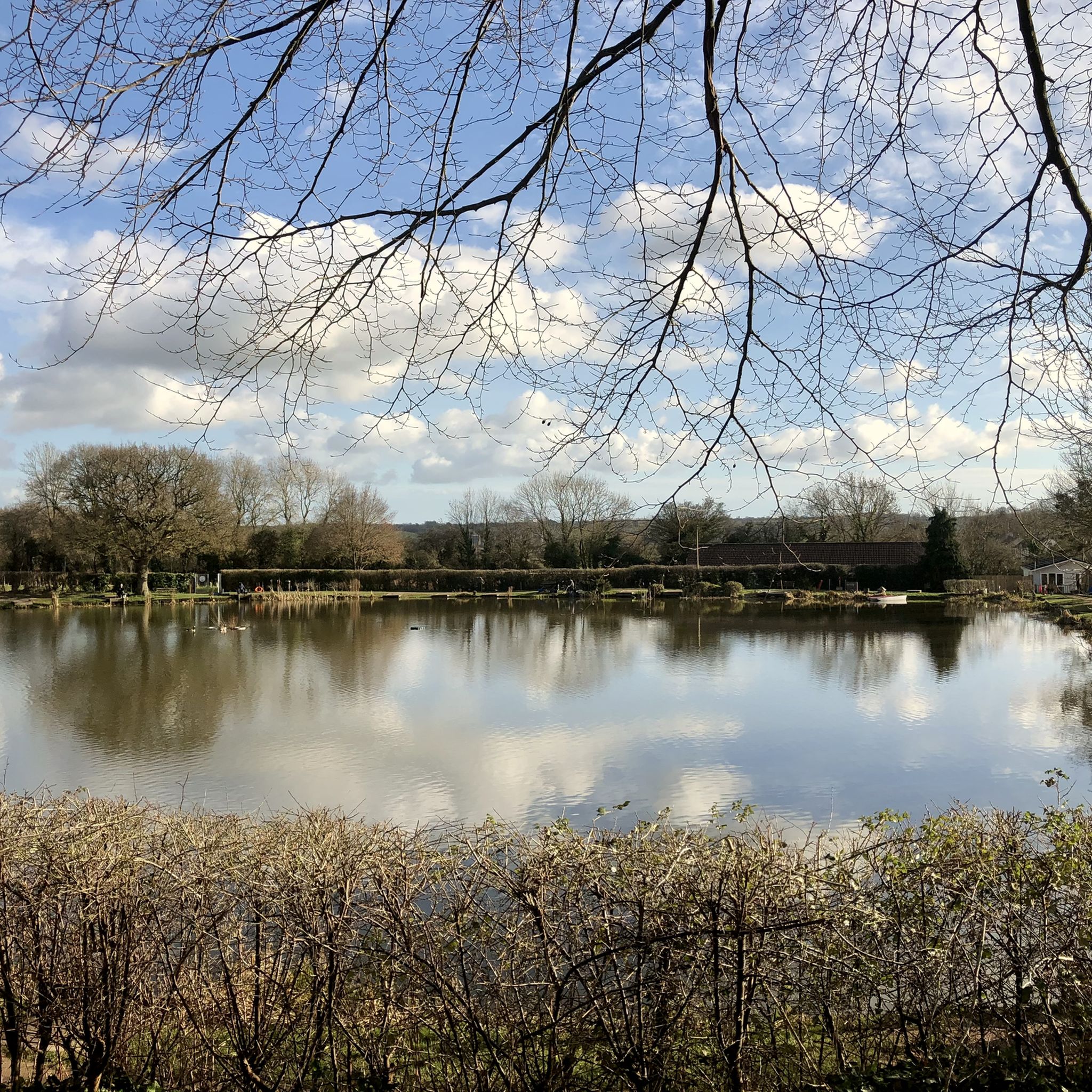
Golden Valley Nature Reserve Waterfall
Highlight • Natural Monument
Tip by

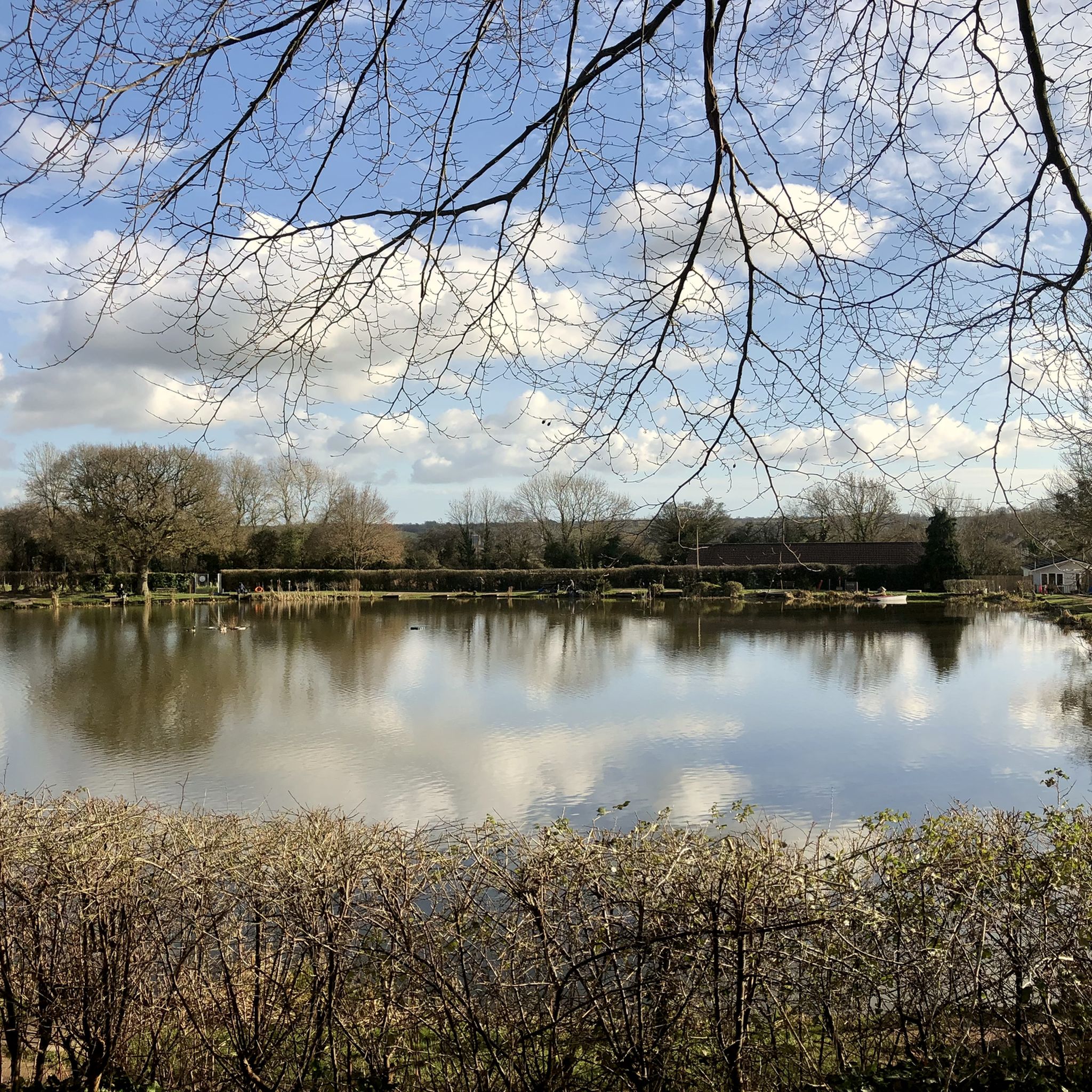
Wapley Bushes Local Nature Reserve
Highlight • Natural Monument
Tip by

Sign up now to discover places like this
Get recommendations on the best single tracks, peaks, & plenty of other exciting outdoor places.
Sign up for free
Woodcock Farm - Hill Fort
Highlight • Historical Site
Tip by
Sir Bevil Grenville's Monument
Highlight • Monument
Tip by
Troopers Hill Chimney
Highlight • Historical Site
Tip by
Sign up for free to discover even more natural monuments around Westerleigh.
Sign up for free
Already have an account?
Start today with a free account
Your next adventure awaits.
Login or Signup

Tips from the Community

Waking in direction indicated and all the footpaths in golden valley are blocked and closed due to unsafe trees from ash die back
0
0

The finest and best-preserved example of an Iron Age hill fort along the Cotswold Way.
0
1
Don’t park in Rose & Crown Car Park, understandably they get annoyed.
0
0

Wapley Bushes Local Nature Reserve is a 11.65-hectare (29-acre) nature reserve located in the English county of South Gloucestershire, between the towns of Yate and Dodington. It is owned by Dodington Parish Council and managed in partnership with Wapley Bushes Conservation Group. The reserve was established in 1992 and has been awarded the Green Flag Award, a prestigious award for well-managed parks and green spaces. Wapley Bushes is a diverse habitat, comprising ancient woodland, flower meadows, grassland, and a seasonal pond. The woodland is home to a variety of trees, including oak, ash, and hazel, as well as a range of wildlife, including deer, foxes, badgers, and birds such as song thrushes, blackbirds, and robins. The meadows are home to a variety of wildflowers, including cowslips, primroses, and bluebells. The grassland is home to a variety of grasses, as well as a range of wildflowers, including butte
0
0

Commemorates Civil War Royalist commander Sir Bevil Grenville who was mortally wounded at the Battle of Lansdowne which took place here 1643.
0
0

Short but sweet diversion... worth doing if you're not in a rush.
0
0

The Wick Golden Valley Local Nature Reserve (LNR) is an important and unique place. There are few reserves in South Gloucestershire with such a diverse habitat so readily accessible to the local community. The range of habitats includes the river corridor of the River Boyd, mature woodland, scrub, steep valley slopes and unimproved limestone grassland. (https://www.goldenvalley.org.uk/wildlife.htm)
2
0

This monument is dedicated to Sir Bevil Grenville, a Royalist commander in the Civil War, who was killed in the Battle of Lansdowne on July 5, 1963. Henry Grenville, Lord Lansdown, erected the monument where his grandfather, Sir Bevil, died. Standing 25 feet (7.6 m) high, it carries an inscription on the south side describing the battle and two poems on the north side. The monument is topped by a griffin bearing the Grenville coat of arms.
2
0
Frequently Asked Questions
What are some lesser-known natural monuments worth visiting near Westerleigh?
Beyond the well-known spots, consider exploring Wapley Bushes Local Nature Reserve, a diverse habitat with ancient woodland and flower meadows. Another unique site is Aust Cliff, a dramatic red and white cliff popular for fossil hunting near the first Severn Bridge. For ancient woodland, Greyfield Wood offers peaceful walks and diverse wildlife.
Are there natural monuments near Westerleigh that are suitable for families?
Yes, several natural monuments are family-friendly. Wapley Bushes Local Nature Reserve is ideal for short walks through woodland and meadows. Troopers Hill Chimney offers open spaces and views, and Sir Bevil Grenville's Monument is a historical site with open areas for exploration.
Where can I find impressive viewpoints or scenic vistas near Westerleigh?
For spectacular views, the Avon Gorge, approximately 10 miles from Westerleigh, offers breathtaking vistas, especially from the Clifton Suspension Bridge. Uley Bury Iron Age Hill Fort also provides incredible panoramic views over the Frome Valley, Severn Vale, and the Welsh mountains. Additionally, Troopers Hill Chimney offers great views over Bristol and the River Avon.
What kind of wildlife can I expect to see at the natural monuments around Westerleigh?
The region is rich in wildlife. At Golden Valley Nature Reserve Waterfall, you might spot kestrels, kingfishers, frogs, and even a herd of goats. The Cotswold Commons and Beechwoods National Nature Reserve is known for its diverse limestone flora and numerous insects, including various butterflies like chalkhill blue and Adonis blue, as well as birds such as tawny owls and skylarks. The Avon Gorge is excellent for birdwatching, with buzzards and peregrine falcons.
Are there any natural monuments with historical significance near Westerleigh?
Yes, several sites combine natural beauty with history. Uley Bury Iron Age Hill Fort is an exceptionally well-preserved Iron Age site with a rich past. Troopers Hill Chimney is a nature reserve with historical elements from its past as a copper smelting and mining site. Sir Bevil Grenville's Monument commemorates a Civil War commander at the site of the Battle of Lansdowne.
What outdoor activities can I do near these natural monuments?
The area around Westerleigh offers various outdoor activities. You can find numerous cycling routes, including the 'Avon Cycleway and Cotswold Edge Loop', as well as mountain biking trails like the 'Somerset Monument – Yellow Brick Road (Cotswolds) loop'. For runners, there are trails such as the 'Magnolia Mews Bakehouse – St. Saviour's Church loop'. You can explore more routes on the cycling, MTB, and running guide pages for Westerleigh.
Are there any natural monuments near Westerleigh known for unique geological features?
The Avon Gorge is a prime example, showcasing a dramatic limestone ridge and ancient woodland. Aust Cliff is notable for its striking red and white cliffs and is a popular spot for fossil hunting, with finds dating back to the Triassic period. The Severn Estuary is also a significant geological feature, renowned for having one of the highest tidal ranges in Europe and the impressive Severn Bore.
Where can I experience ancient woodlands or forests near Westerleigh?
Greyfield Wood is an ancient woodland with a charming mix of broadleaf species, extensive paths, and diverse wildlife. It was once part of a hunting estate. Wapley Bushes Local Nature Reserve also features ancient woodland, and the Cotswold Commons and Beechwoods National Nature Reserve is characterized by its chain of beechwoods, designated as a European Special Area of Conservation.
What is the Frome Valley Walkway and where can I access it?
The Frome Valley Walkway is an accessible pathway that follows the River Frome, offering opportunities for leisurely walks through natural surroundings. The village of Westerleigh contains sources of the River Frome and serves as an endpoint for this walkway, making it easily accessible from the area.
What makes the Severn Estuary a significant natural monument near Westerleigh?
The Severn Estuary, located to the west and north of Bristol, is remarkable for having the highest tidal range in Europe, reaching up to 14.5 meters. It's also home to the Severn Bore, one of the world's biggest. The estuary encompasses vital wildlife habitats, including mudflats, sandflats, and rocky platforms, making it an excellent place for walking and nature spotting.
Can I find any waterfalls or rivers at the natural monuments in this region?
Yes, Golden Valley Nature Reserve Waterfall is a prominent feature, showcasing a landscape reclaimed by nature with a river and waterfall. The Frome Valley Walkway also follows the River Frome, offering scenic river views and walks.
What do visitors enjoy most about the natural monuments around Westerleigh?
Visitors appreciate the diverse landscapes, from reclaimed industrial sites now thriving with nature to ancient woodlands and dramatic gorges. The opportunities for wildlife observation, the historical significance of sites like Iron Age hill forts, and the panoramic views from various viewpoints are frequently highlighted. The accessibility of many areas for walking and connecting with nature is also a key draw.
Most popular routes around Westerleigh
Most popular attractions around Westerleigh

Get inspired with the komoot mobile app


Explore more
Extend your search for the best caves by checking out these guides of the top ones around Westerleigh:
