Top 8 Natural Monuments around Brampton Abbotts
Best natural monuments around Brampton Abbotts include a variety of natural features, from river landscapes to ancient woodlands. The area is characterized by its position along the River Wye, offering picturesque views and opportunities for exploration. Brampton Abbotts provides access to local footpaths and rural scenery, making it suitable for walking and observing local wildlife. This region is recognized for its diverse avian population and varied natural habitats.
Best natural monuments around Brampton Abbotts
- The most popular natural monuments is…
Last updated: August 24, 2026
May Hill Summit
Highlight • Summit
Tip by

View of the Wye Valley from Symonds Yat Rock
Highlight • Viewpoint
Tip by

Sign up now to discover places like this
Get recommendations on the best single tracks, peaks, & plenty of other exciting outdoor places.
Sign up for free
Haugh Woods Butterfly Trails
Highlight • Natural Monument
Tip by

View over the Wye Valley from Caldwell Rocks
Highlight • Viewpoint
Tip by
Capler Camp Hillfort
Highlight • Natural Monument
Tip by
Sign up for free to discover even more natural monuments around Brampton Abbotts.
Sign up for free
Already have an account?
Start today with a free account
Your next adventure awaits.
Login or Signup


Tips from the Community

Great views of the surrounding area, both into Wales and across the Severn to the Cotswolds. It has benches to sit on and admire the views and shade from the clump of trees at the top;
0
0


This is the lesser known viewpoint around Symonds Yat, but just as with Symonds Yat this is a place to visit in the autumn when the trees are in full colour and the sun is on them to make them really shine.
0
0
Symonds Yat is a wonderful place to come, but even better to catch it in the autumn when the trees are in full colour, with the sun on them to make them really shine.
0
0
Enjoy the walk up from Clifford Mesne, and then taken in the expansive views. Don't miss the copse at the top, planted to commemorate Queen Victoria's Golden Jubilee.
0
0

Haugh Woods Butterfly Trails are two short trails that meander the ancient woodland of Haugh Woods. The trails have been set up by Forestry England to allow everyone to enjoy the numerous butterflies and moths that live here. This is an important site for UK butterflies (we are in short supply!) and this woodland gives nearly 350 hectares or 850 acres for them to breed. There are about over 600 of both species living here!
0
0

Jump off the bike and head on foot down the footpath east of the road to reach the Symonds Yat Rock. Symonds Yat Rock harbours the remnants of an Iron Age hillfort, erected roughly 2,500 years in the past. Presently, this locale stands as a Scheduled Ancient Monument, where traces of the fortifications endure as a series of embankments and trenches. In more contemporary times, Yat Rock and the Wye Valley have gained renown as the birthplace of British tourism. Beginning in the 18th century, they achieved popularity thanks to the efforts of Reverend William Gilpin, a trailblazer of the 'Picturesque' movement. His literary works left an indelible mark on the appeal of English landscape painting and served as inspiration for Romantic poets. Symonds Yat Rock viewpoint enjoys a well-earned reputation as one of the nation's prime spots for observing peregrine falcons. Yet, with a touch of patience, a multitude of bird species can be sighted here. Goshawks offer close-up viewing, sparrowhawks are frequent denizens nesting among the valley's trees, while soaring buzzards often grace the skies. Spring and autumn migrations frequently draw ospreys to this locale, with tawny owls occasionally spotted. Meanwhile, nearby nesting sites typically host barn owls, ravens, and kestrels.
2
0

Doable on an MTB, but not by me without an electric motor.
0
0
Frequently Asked Questions
What are the most popular natural monuments to visit near Brampton Abbotts?
Among the most popular natural monuments are May Hill Summit, known for its far-reaching views, and View of the Wye Valley from Symonds Yat Rock, a prime spot for observing peregrine falcons. Visitors also highly appreciate Haugh Woods Butterfly Trails for its rich biodiversity.
Are there family-friendly natural attractions around Brampton Abbotts?
Yes, several natural attractions are suitable for families. View of the Wye Valley from Symonds Yat Rock offers stunning views and birdwatching opportunities. Haugh Woods Butterfly Trails provides two short, engaging trails through ancient woodland, perfect for children to explore nature and spot butterflies.
What unique natural features can I observe in the Brampton Abbotts area?
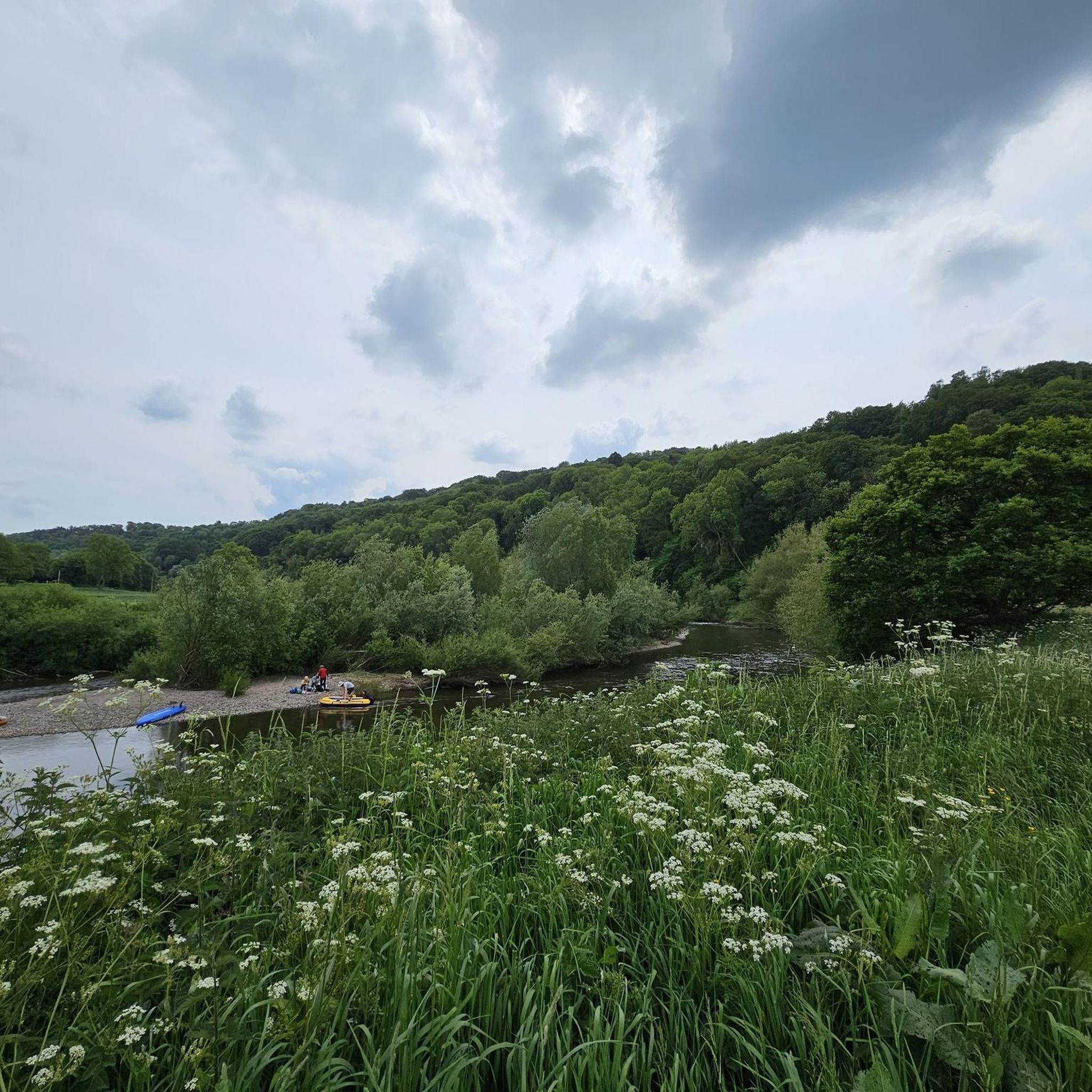
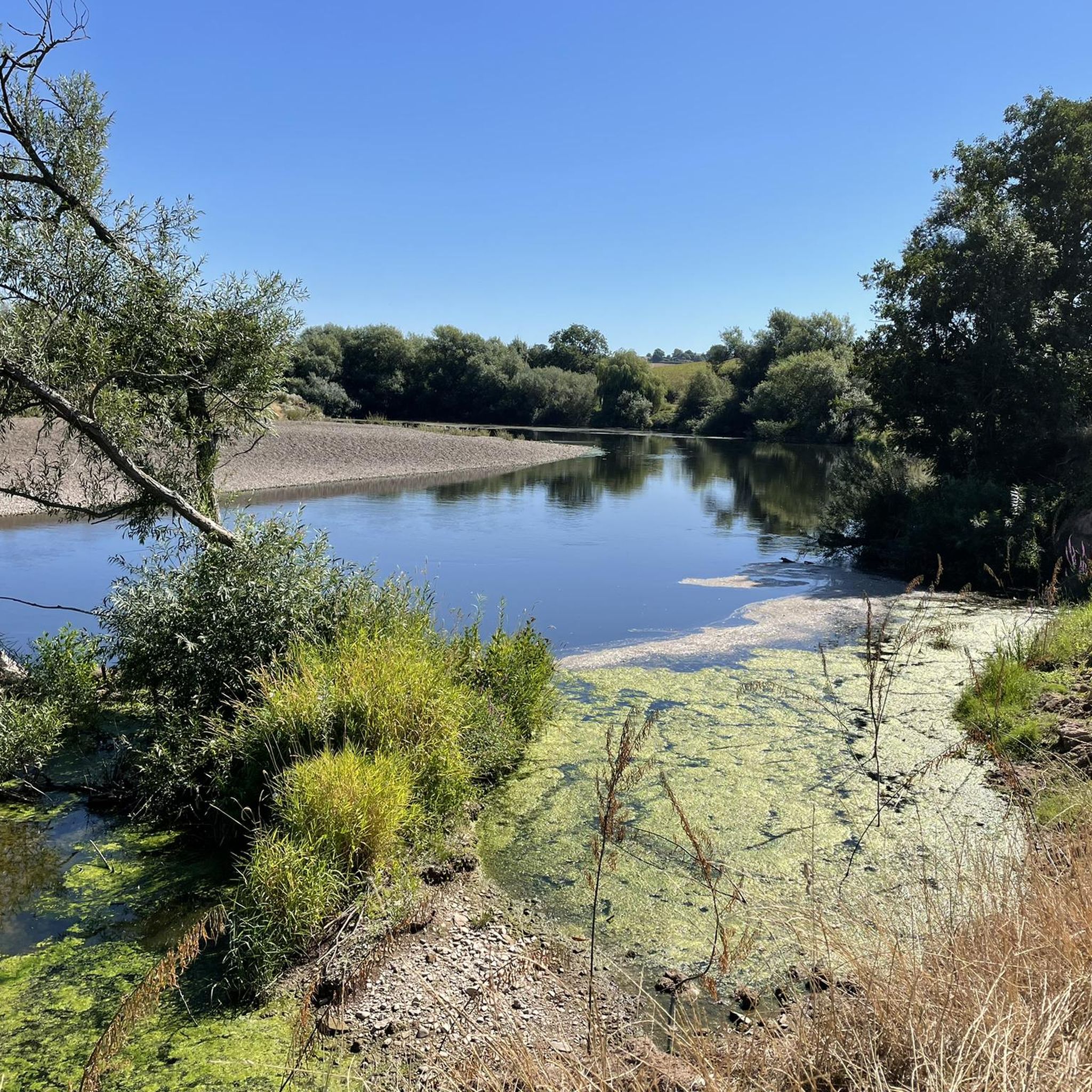
The area is rich in unique natural features. The River Wye itself is a major highlight, offering picturesque landscapes and opportunities for peaceful strolls. You can observe diverse bird species, including peregrine falcons at viewpoints like Symonds Yat Rock and Caldwell Rocks. Haugh Woods is particularly notable for its ancient woodland and over 600 species of butterflies and moths.
What is the best season to visit the natural monuments around Brampton Abbotts?
Spring is an excellent time to visit, especially for birdwatching, as receding winter floods attract various species, and the Sand Martin colony can be observed. The ancient orchard in Brampton Abbotts also attracts many birds in spring. For butterfly enthusiasts, the Haugh Woods Butterfly Trails are best enjoyed during warmer months when butterflies are most active.
Are there historical sites combined with natural monuments in this region?
Yes, some natural monuments also hold historical significance. Symonds Yat Rock harbors the remnants of an Iron Age hillfort, and the Wye Valley itself is known as the birthplace of British tourism. Capler Camp Hillfort is another Iron Age site overlooking the Wye Valley, where ramparts and ditches are still visible.
What outdoor activities can I do near these natural monuments?
The area offers various outdoor activities. You can enjoy hiking and walking on numerous trails, including those around the River Wye. There are also options for gravel biking. For detailed routes, you can explore guides like Hiking around Brampton Abbotts or Gravel biking around Brampton Abbotts.
Are there easy walking trails suitable for all abilities near Brampton Abbotts?
Yes, there are easy walking trails available. The area around Brampton Abbotts features relatively flat, open landscapes ideal for leisurely walks. For specific easy routes, you can refer to the Easy hikes around Brampton Abbotts guide, which includes trails like the Foy Suspension Bridge loop from Brampton Abbotts.
Where can I find parking when visiting natural monuments in the area?
Parking availability varies by location. For popular spots like Symonds Yat Rock, designated parking areas are usually available. For other trails and natural features, look for public car parks in nearby villages or designated lay-bys. Always check local signage for parking restrictions.
Are permits required for hiking or visiting natural monuments in Herefordshire?
Generally, permits are not required for hiking on public footpaths and accessing natural monuments in Herefordshire. Most trails and natural areas are freely accessible. However, it's always advisable to respect private land and follow any local guidelines or signage.
What kind of wildlife can I expect to see around Brampton Abbotts?
Brampton Abbotts is excellent for wildlife observation, especially birds. The River Wye is home to Common Kingfishers, Grey Wagtails, and Goosanders. Surrounding fields host Red-legged Partridges, Barn Owls, Little Owls, Red Kites, Common Buzzards, and Eurasian Skylarks. The ancient orchard attracts thrushes, finches, Yellowhammers, and Stock Doves. You can also spot peregrine falcons at viewpoints like Symonds Yat Rock.
Can I find pubs or cafes near the natural monuments?
While Brampton Abbotts is a small village, the wider area, particularly towns like Ross-on-Wye, offers various pubs and cafes. Some popular natural monuments, such as Symonds Yat Rock, may have facilities or eateries nearby. It's recommended to check local listings for specific amenities close to your chosen destination.
What are the walking conditions like on trails around Brampton Abbotts?
The walking trails around Brampton Abbotts generally feature good paths underfoot, especially in areas like Haugh Woods Butterfly Trails. The landscape is often relatively flat and open, offering pleasant rural scenery. However, conditions can vary with weather, so appropriate footwear is always recommended.
Most popular attractions around Brampton Abbotts

Get inspired with the komoot mobile app


Explore more
Extend your search for the best caves by checking out these guides of the top ones around Brampton Abbotts:
