Top 10 Natural Monuments around Sellack
Best natural monuments around Sellack are found within the picturesque Herefordshire countryside, primarily encompassing the Wye Valley and Forest of Dean regions. This area features diverse natural landscapes, including ancient caves, scenic river valleys, and expansive woodlands. The region is known for its geological formations and ecological significance, offering various outdoor exploration opportunities.
Best natural monuments around Sellack
- The most popular natural monument is View of the Wye Valley from Symonds Yat Rock, a viewpoint offering views over the…
Last updated: August 24, 2026
King Arthur's Cave
Highlight • Cave
Tip by

View of the Wye Valley from Symonds Yat Rock
Highlight • Viewpoint
Tip by

Sign up now to discover places like this
Get recommendations on the best single tracks, peaks, & plenty of other exciting outdoor places.
Sign up for free
Haugh Woods Butterfly Trails
Highlight • Natural Monument
Tip by

View of the River Wye from Symonds Yat Rock
Highlight • Viewpoint
Tip by
View over the Wye Valley from Caldwell Rocks
Highlight • Viewpoint
Tip by
Sign up for free to discover even more natural monuments around Sellack.
Sign up for free
Already have an account?
Start today with a free account
Your next adventure awaits.
Login or Signup

Tips from the Community


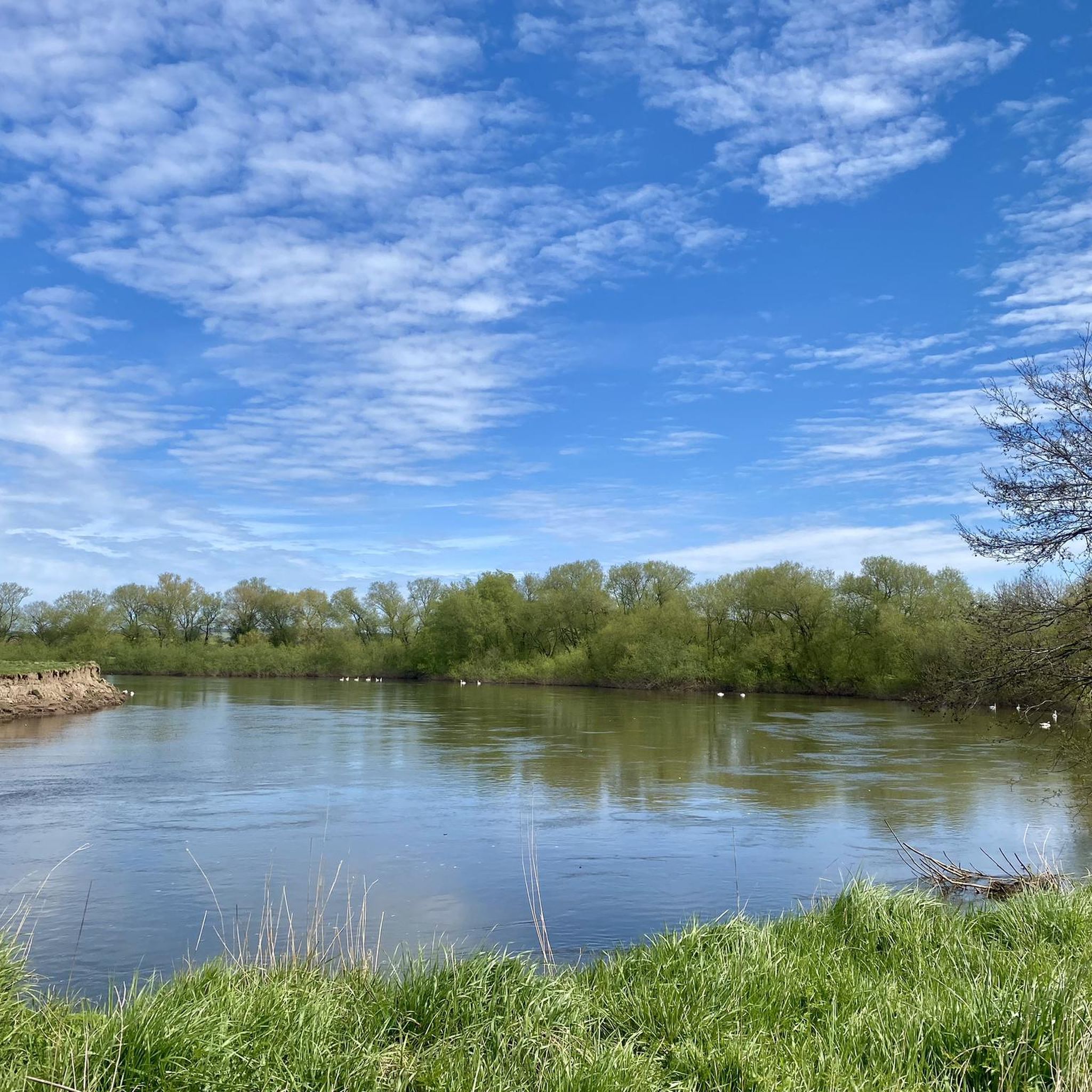
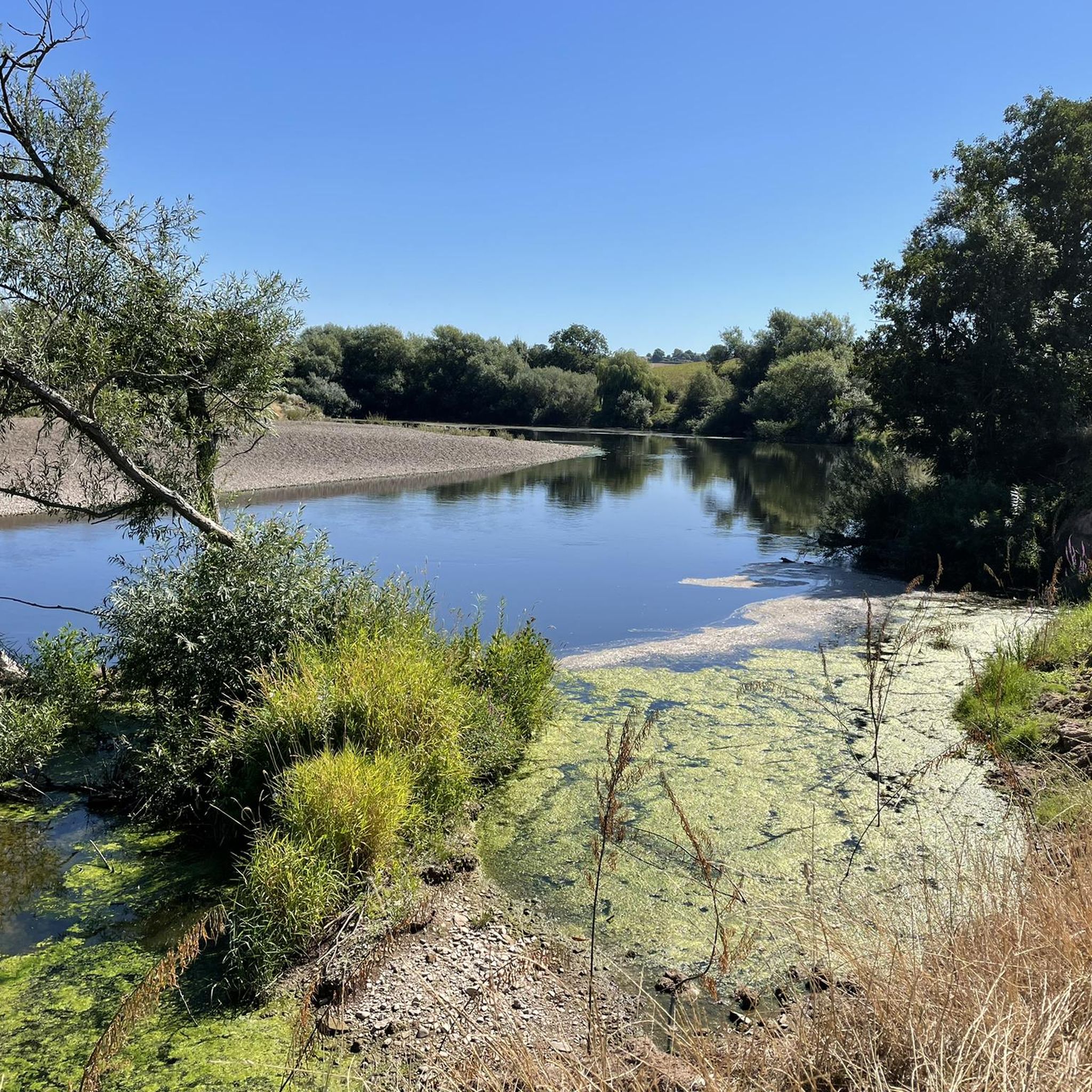
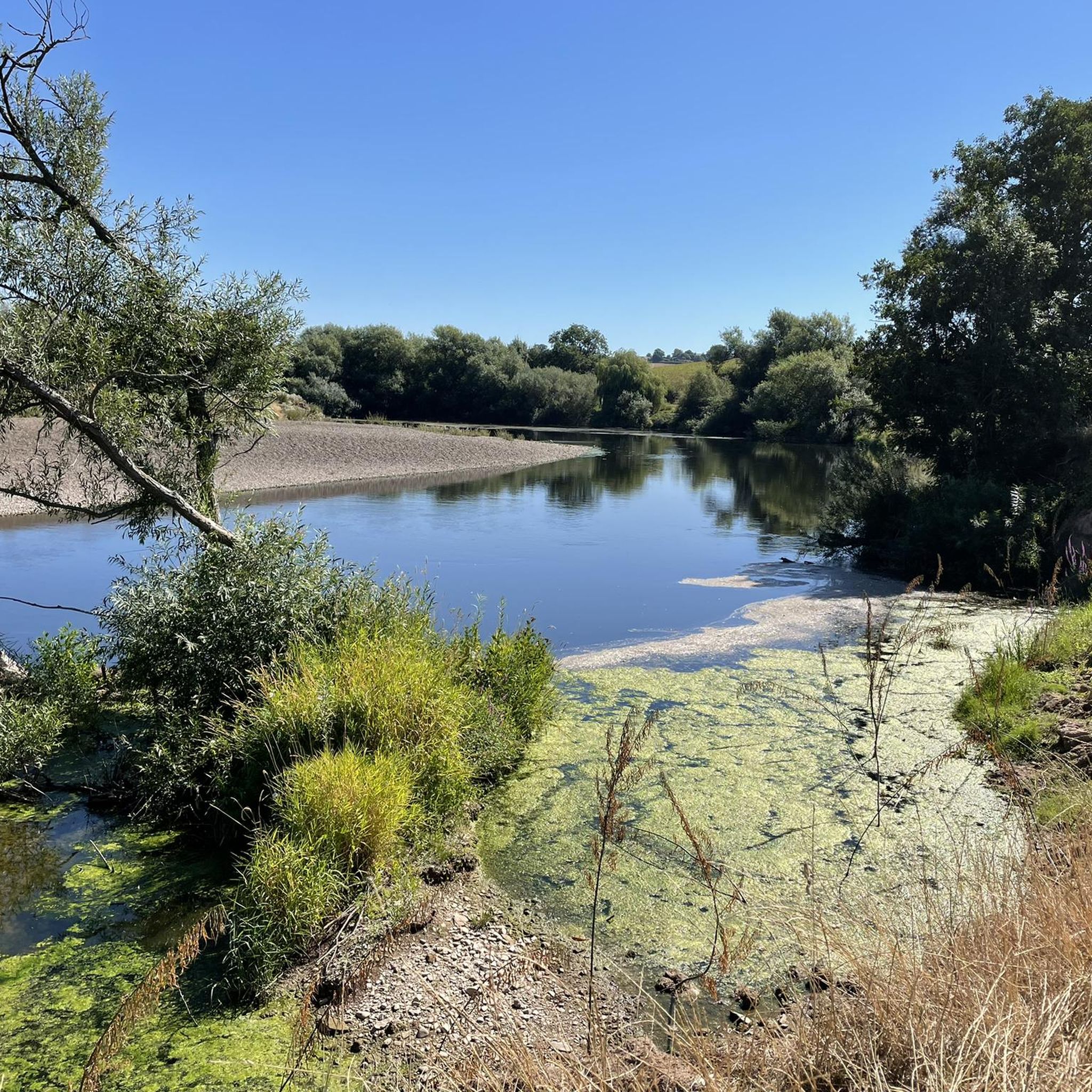
This is the lesser known viewpoint around Symonds Yat, but just as with Symonds Yat this is a place to visit in the autumn when the trees are in full colour and the sun is on them to make them really shine.
0
0
Symonds Yat is a wonderful place to come, but even better to catch it in the autumn when the trees are in full colour, with the sun on them to make them really shine.
0
0

Haugh Woods Butterfly Trails are two short trails that meander the ancient woodland of Haugh Woods. The trails have been set up by Forestry England to allow everyone to enjoy the numerous butterflies and moths that live here. This is an important site for UK butterflies (we are in short supply!) and this woodland gives nearly 350 hectares or 850 acres for them to breed. There are about over 600 of both species living here!
0
0

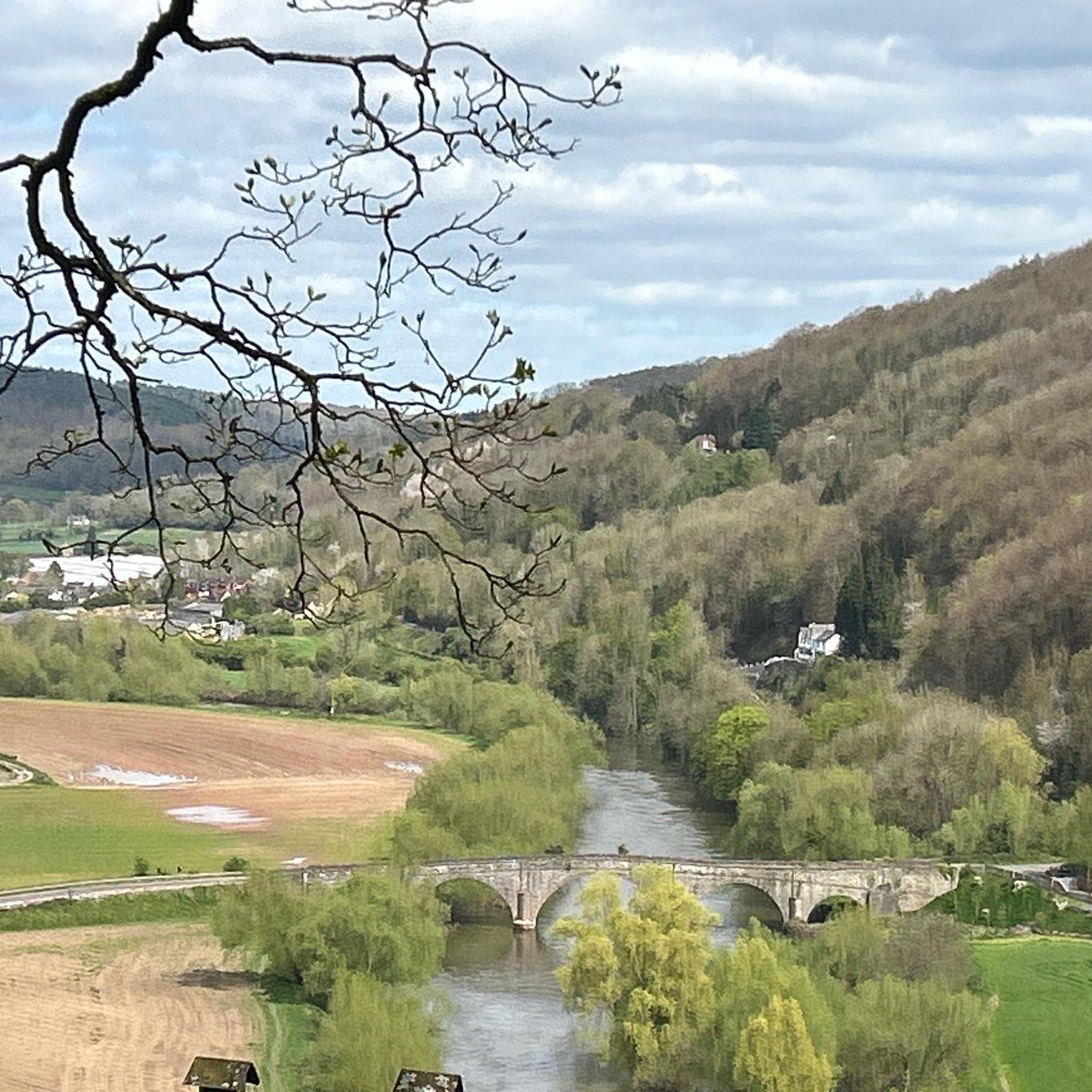
Jump off the bike and head on foot down the footpath east of the road to reach the Symonds Yat Rock. Symonds Yat Rock harbours the remnants of an Iron Age hillfort, erected roughly 2,500 years in the past. Presently, this locale stands as a Scheduled Ancient Monument, where traces of the fortifications endure as a series of embankments and trenches. In more contemporary times, Yat Rock and the Wye Valley have gained renown as the birthplace of British tourism. Beginning in the 18th century, they achieved popularity thanks to the efforts of Reverend William Gilpin, a trailblazer of the 'Picturesque' movement. His literary works left an indelible mark on the appeal of English landscape painting and served as inspiration for Romantic poets. Symonds Yat Rock viewpoint enjoys a well-earned reputation as one of the nation's prime spots for observing peregrine falcons. Yet, with a touch of patience, a multitude of bird species can be sighted here. Goshawks offer close-up viewing, sparrowhawks are frequent denizens nesting among the valley's trees, while soaring buzzards often grace the skies. Spring and autumn migrations frequently draw ospreys to this locale, with tawny owls occasionally spotted. Meanwhile, nearby nesting sites typically host barn owls, ravens, and kestrels.
2
0

This pretty, wooded area with its network of small caves - the result of former quarrying - is a nature reserve with a rich variety of flora and fauna. Horseshoe bats and rare invertebrates such as the cave spider and hibernating herald moths make their homes within the caves.
0
0

Haugh Woods has 2 butterfly trails (of short distance) that provide a great route through the north and south of the woods, respectively. Good paths underfoot, and great butterfly habitat.
0
0

I was silly and forgot my tortch before first light don't do the same!
0
1
Frequently Asked Questions
What natural monuments can I explore near Sellack beyond the most popular ones?
While Symonds Yat Rock and King Arthur's Cave are well-known, you can also visit Caldwell Rocks for magnificent views over the Wye Valley, where archaeologists have found bones from hyenas, sabre-toothed cats, and mammoths. Additionally, the broader Wye Valley Area of Outstanding Natural Beauty and the Forest of Dean offer numerous other natural features and ancient woodlands to discover.
What makes King Arthur's Cave a significant natural monument?
King Arthur's Cave is a limestone cavern near Symonds Yat with a double interconnected entrance and two main chambers. It's significant for its archaeological findings, including evidence of human occupation during the Upper Palaeolithic era, with flint tools and woolly mammoth bones discovered there. It's also a nature reserve, home to horseshoe bats and rare invertebrates.
Are there family-friendly natural monuments around Sellack?
Yes, several natural monuments are suitable for families. View of the Wye Valley from Symonds Yat Rock is family-friendly, offering stunning views and birdwatching opportunities. Another excellent option is Haugh Woods Butterfly Trails, which features two short trails through ancient woodland, perfect for spotting numerous butterfly and moth species.
What kind of wildlife can I expect to see at these natural monuments?
The natural monuments around Sellack are rich in wildlife. At Symonds Yat Rock and Caldwell Rocks, you can often spot peregrine falcons, sparrowhawks, buzzards, and even ospreys during migration. King Arthur's Cave is a refuge for horseshoe bats and unique invertebrates like the cave spider. Haugh Woods Butterfly Trails is particularly known for its diverse population of over 600 species of butterflies and moths.
What outdoor activities can I do near the natural monuments around Sellack?
The area offers a variety of outdoor activities. You can enjoy hiking on trails like the 'Sellack & Hoarwithy loop' or 'King Caple Church and The Tump – Sellack Suspension Bridge loop'. For cycling, there are road cycling routes such as 'St Mary's Priory Church – Ross-on-Wye Market House loop' and gravel biking options like 'Peregrine Path to Symonds Yat – Forest of Dean Family Trail loop'. You can find more details on these activities in the hiking guide, road cycling guide, and gravel biking guide for Sellack.
Are there any historical sites connected to the natural monuments?
Yes, several natural monuments have significant historical connections. King Arthur's Cave is known for its Upper Palaeolithic archaeological finds. Symonds Yat Rock harbors remnants of an Iron Age hillfort and is considered the birthplace of British tourism, inspiring the 'Picturesque' movement. The wider Wye Valley also has evidence of human habitation dating back 12,000 years.
Can I go wild swimming or canoeing in the River Wye near Sellack?
The River Wye is a popular spot for recreational activities. Its serene beauty and tranquil environment make it suitable for wild swimming and canoeing. The river's meandering course through the valley provides many picturesque locations for these activities, allowing visitors to fully immerse themselves in nature. For more information on the River Wye, you can visit Visit Wales.
What is the best time of year to visit the natural monuments around Sellack?
The natural monuments around Sellack can be enjoyed year-round, but each season offers unique experiences. Spring and summer are ideal for wildlife spotting, especially butterflies at Haugh Woods Butterfly Trails and birds at Symonds Yat Rock. Autumn brings vibrant foliage to the woodlands of the Wye Valley and Forest of Dean, while winter offers crisp views and fewer crowds.
Are there any notable local landmarks related to the River Wye near Sellack?
Yes, the Sellack Suspension Bridge, built in 1895, is a charming local landmark that spans the River Wye. It connects the parishes of Sellack and Kings Caple and replaced an earlier ferry service, offering a glimpse into the area's history and engineering.
What are the main geographical features of the Wye Valley and Forest of Dean regions near Sellack?
The Wye Valley and Forest of Dean regions, which encompass Sellack, are characterized by diverse natural features. The River Wye itself is a dominant feature, creating stunning vistas with its meandering course. The area is also known for its extensive ancient woodlands, limestone formations, and dramatic viewpoints like Symonds Yat Rock, which offers panoramic views of the valley.
What do visitors enjoy most about the natural monuments in this area?
Visitors frequently appreciate the stunning views, especially from viewpoints like Symonds Yat Rock and Caldwell Rocks, often mentioning the opportunity to watch peregrine falcons. The rich history of sites like King Arthur's Cave and the peaceful atmosphere of the ancient woodlands, such as those found on the Haugh Woods Butterfly Trails, are also highly valued.
Most popular attractions around Sellack

Get inspired with the komoot mobile app


Explore more
Extend your search for the best caves by checking out these guides of the top ones around Sellack:
